
Search
Recipes, produce guides, seasonal articles, and Collective briefings — one place.
60 results for "storage"
-
 Collective
Produce Storage & Use Guide
Local produce spoils because people store it like supermarket produce. Four storage rules cover 80% of what you'll buy. Here they are.
-
Guide
Root vegetables, storage crops, and winter farm shopping
Root vegetables and storage crops are what make winter local farm shopping possible. This guide explains what to look for, how to store it, and why local versions are worth seeking out.
-
 Produce
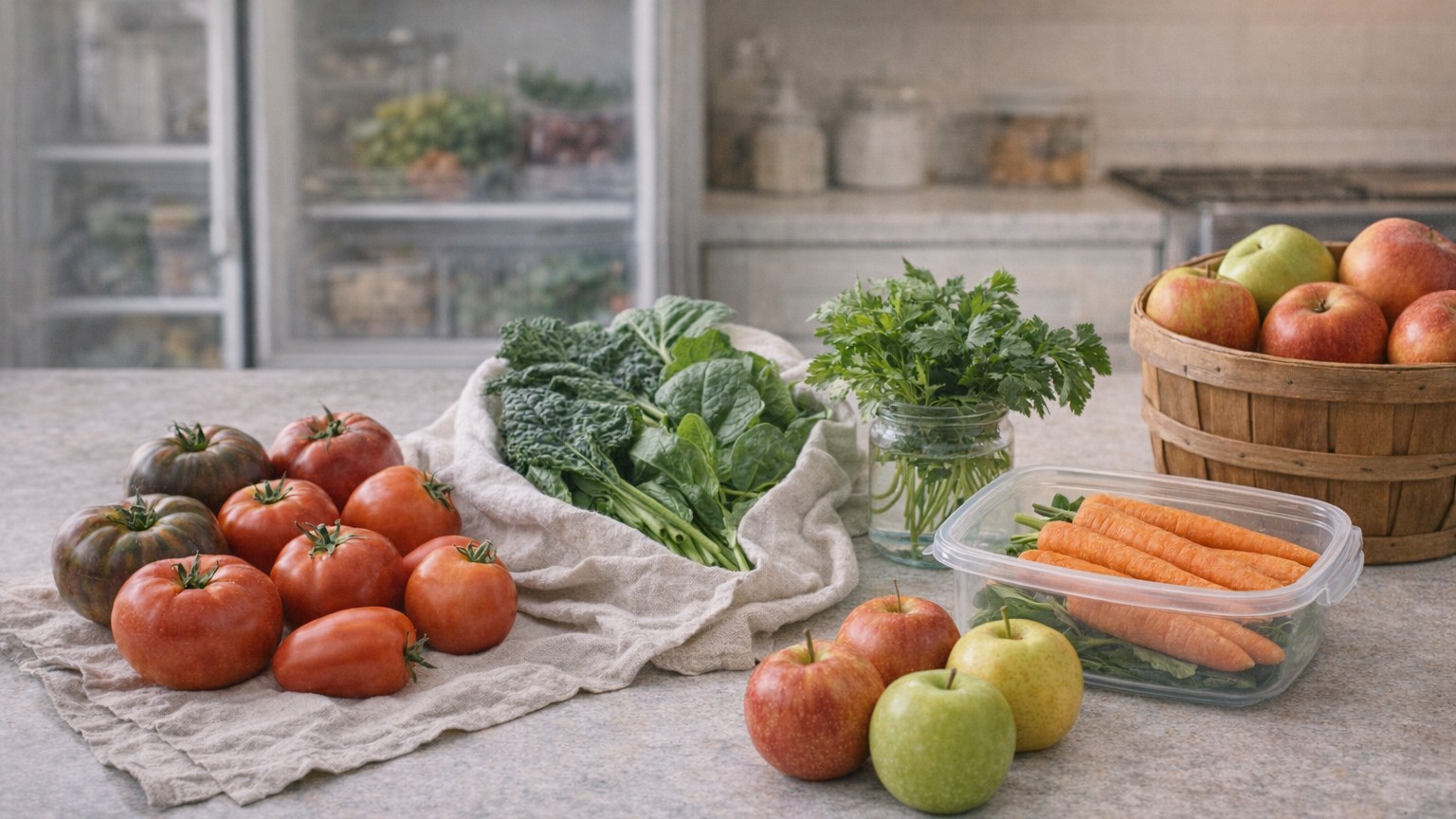
How to Store Farm-Fresh Produce to Reduce Waste
Farm-fresh produce comes with different storage needs than grocery store produce. Knowing what goes in the fridge, what stays on the counter, and how to revive wilted greens can cut your waste in half.
-
 Produce
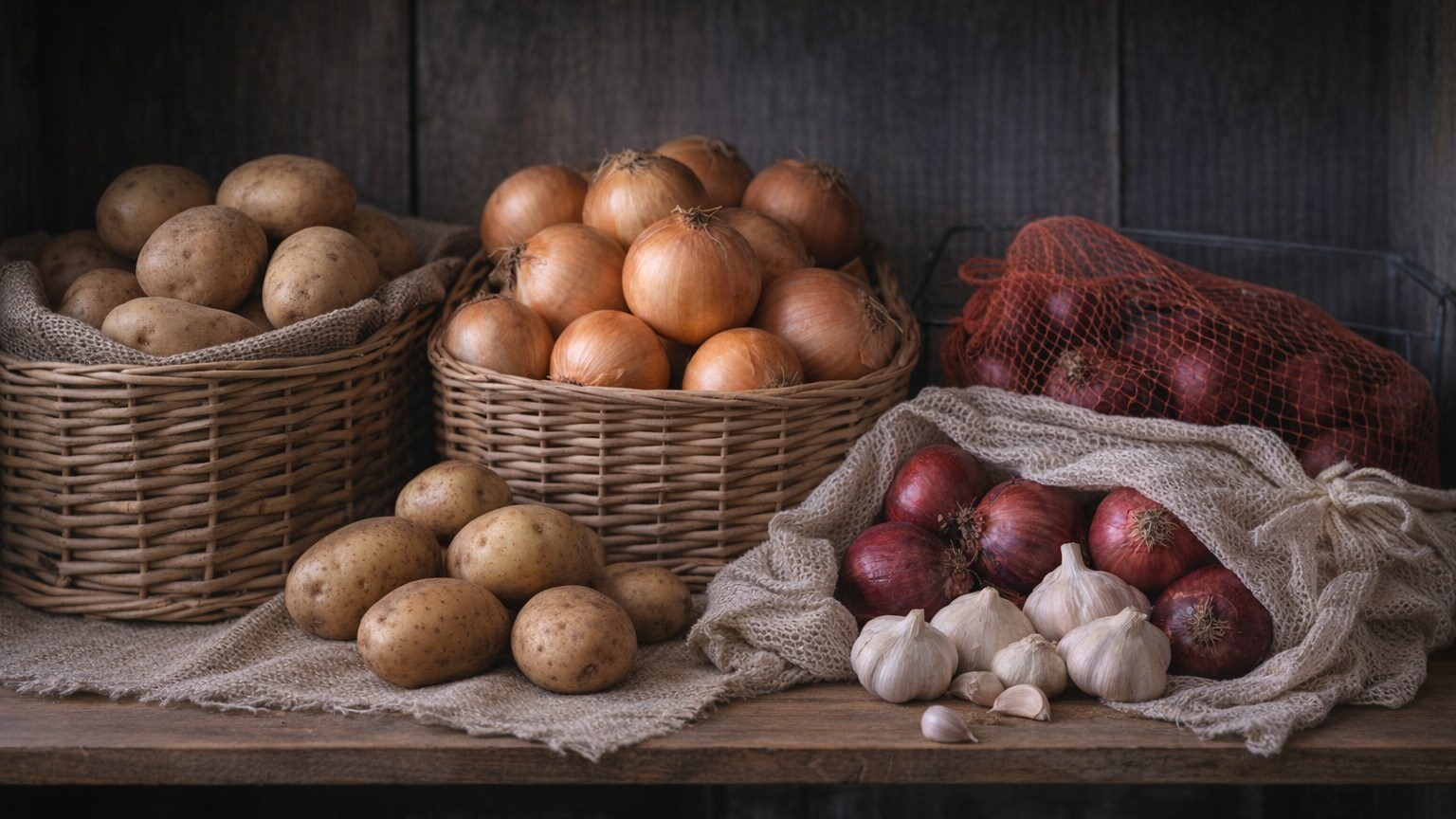
The best way to store potatoes, onions, and garlic
Potatoes, onions, and garlic all need cool, dark, and dry conditions — but keeping them together or in the wrong spot cuts their storage life dramatically. Here is what actually works.
-
Guide
Should you wash produce before storing?
Usually, no. Most produce keeps better when it is washed right before use rather than before storage, especially if there is any chance moisture will remain on the surface.
-
 Produce
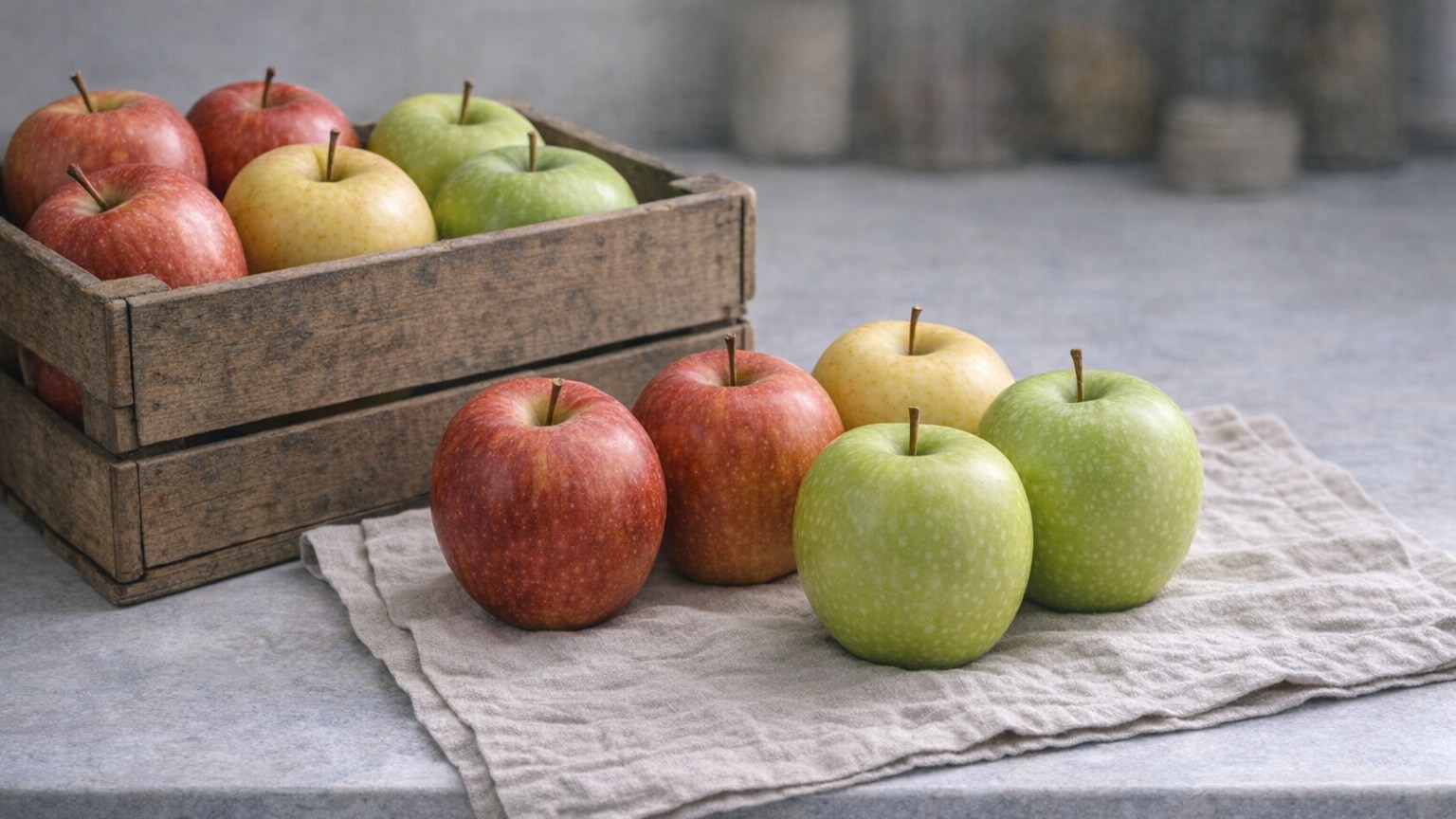
How to store apples
Apples keep best when they stay cool, dry, and separate from the produce most sensitive to ethylene. They are one of the easier fruits to stretch out if you store them deliberately.
-
 Produce
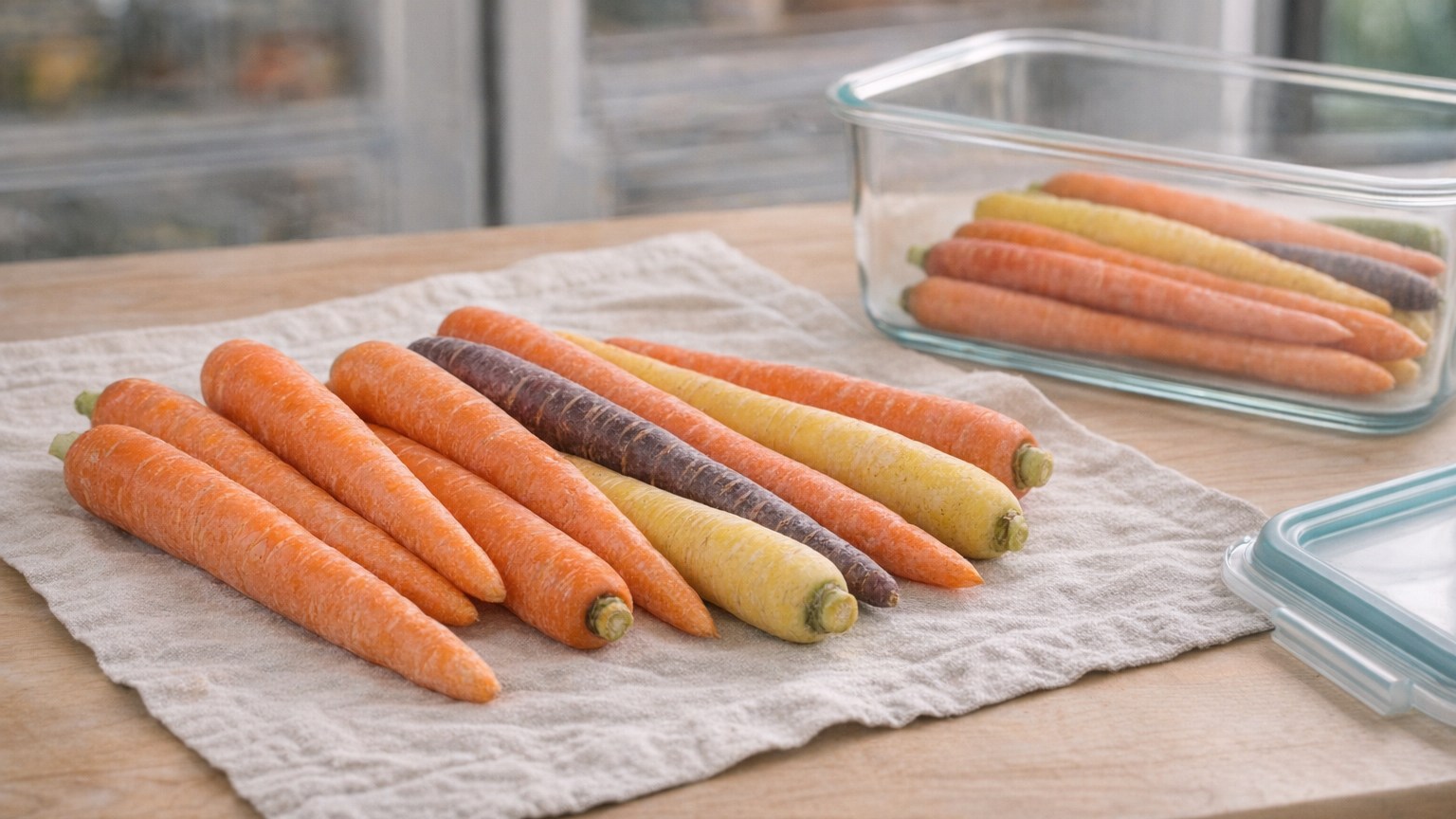
How to store carrots
Carrots last longer than many vegetables, but they still do better when you store them dry, cold, and without their tops attached. A little prep at the start makes a big difference.
-
 Produce
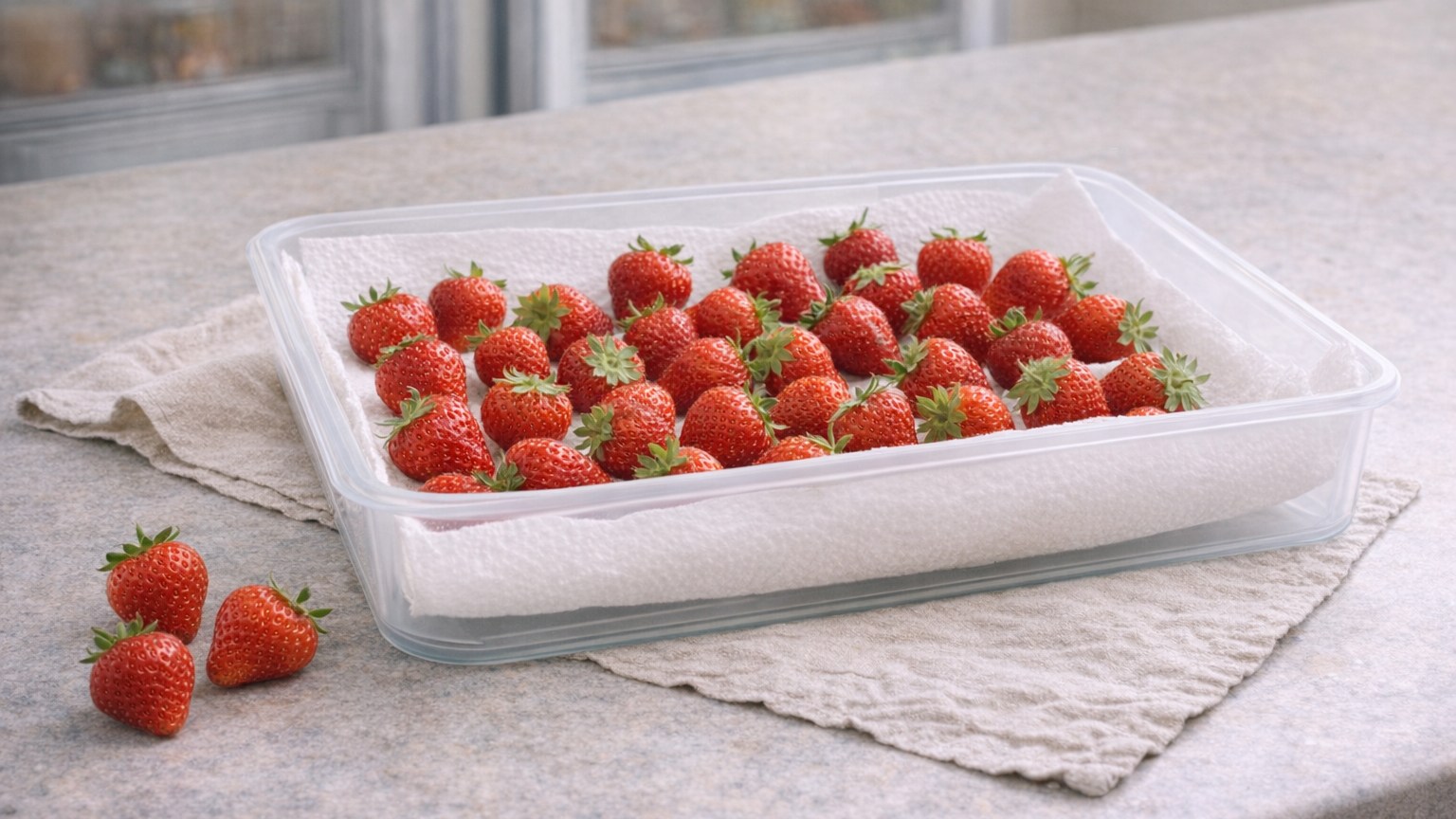
How to store strawberries so they last longer
The best way to store strawberries is to keep them cold, dry, and unwashed until you are ready to use them. A few simple habits help them last longer without promising miracles.
-
 Produce
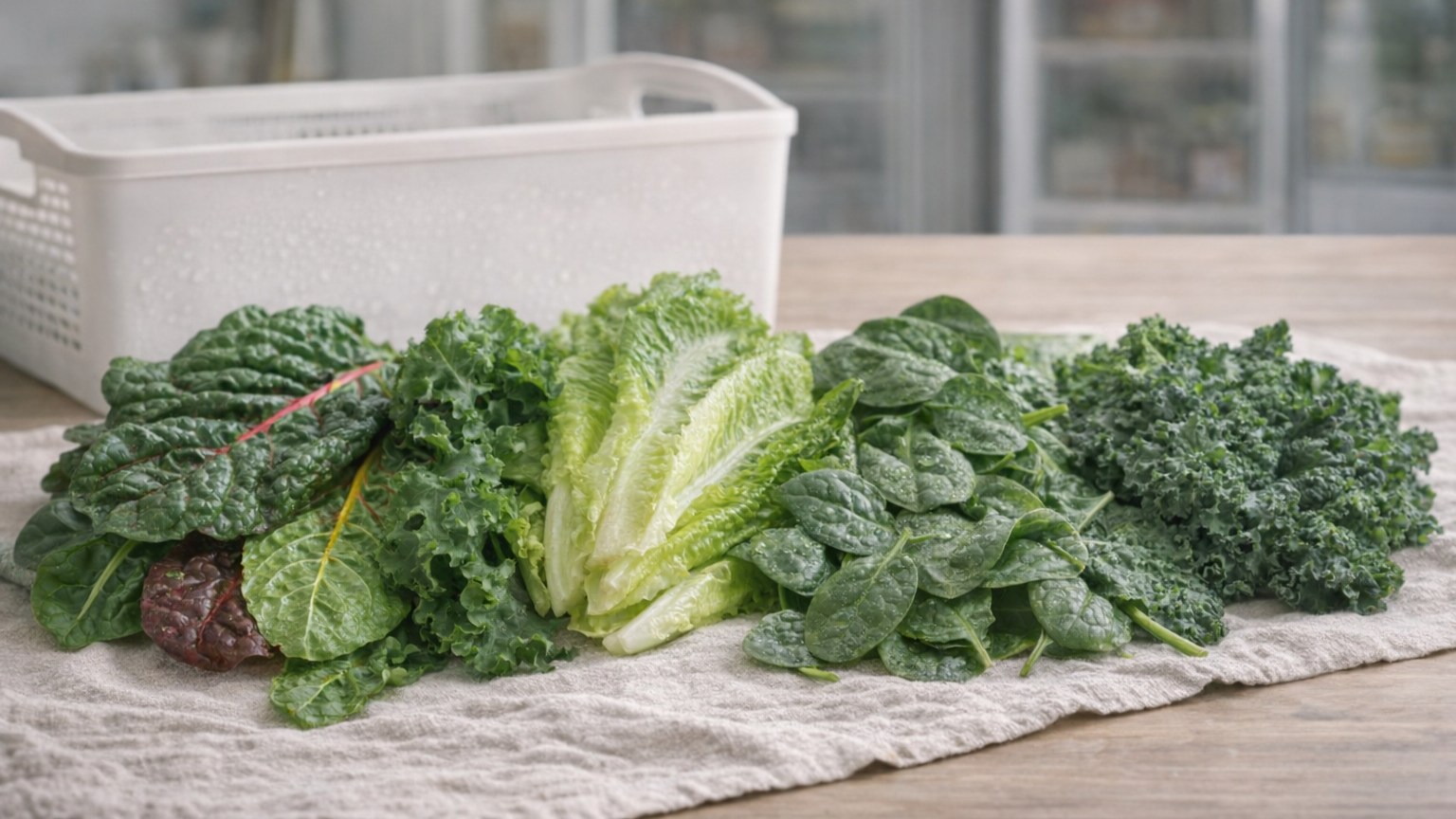
Best way to store leafy greens
Leafy greens last longer when they stay cold, dry, and protected from excess moisture. The exact green changes the timeline a little, but the core method stays the same.
-
 Produce
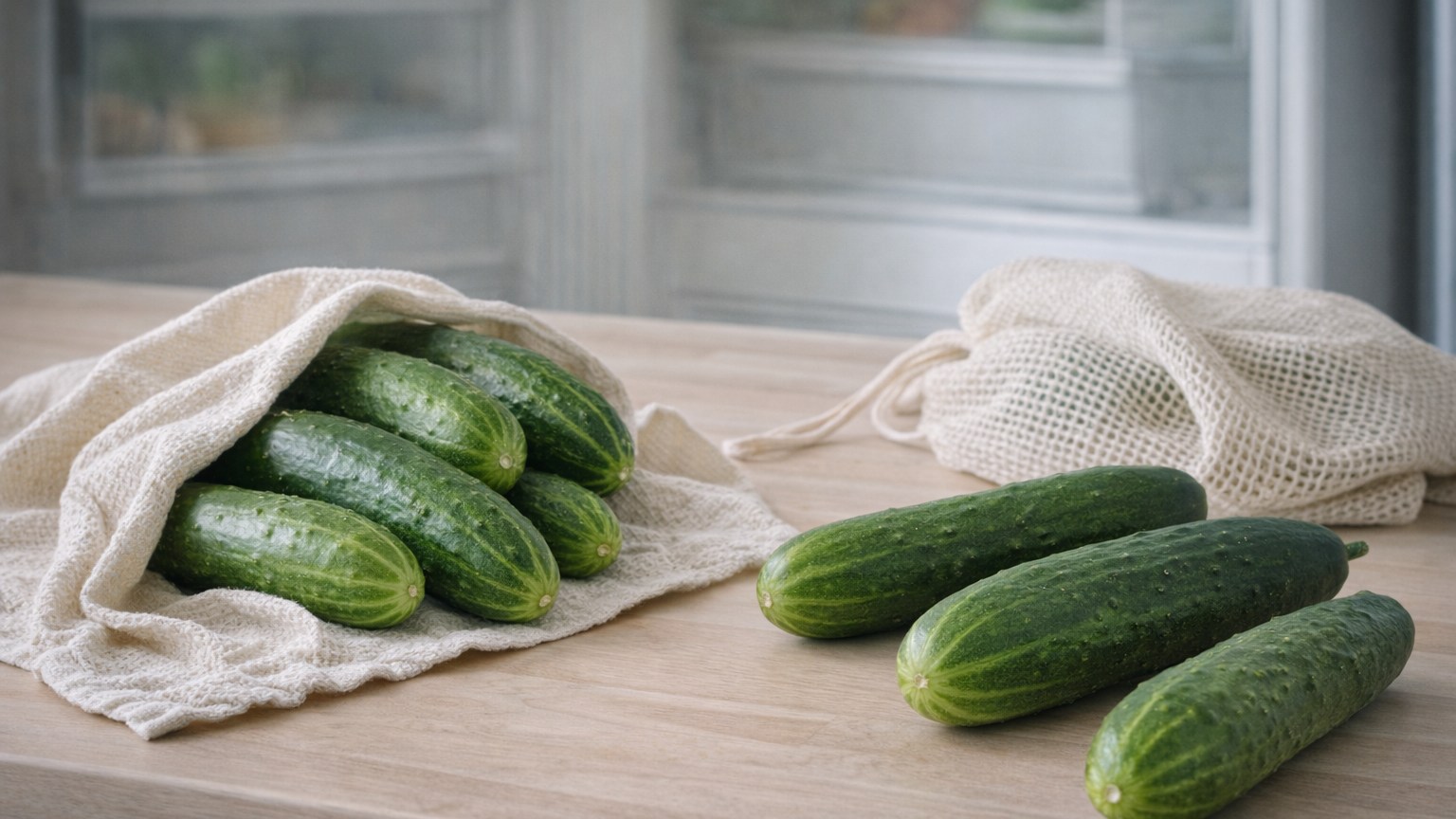
How to store cucumbers
Cucumbers keep best when they stay cool and dry without getting trapped in the coldest, wettest part of the refrigerator. The goal is to slow softening without encouraging chill damage.
-
 Produce
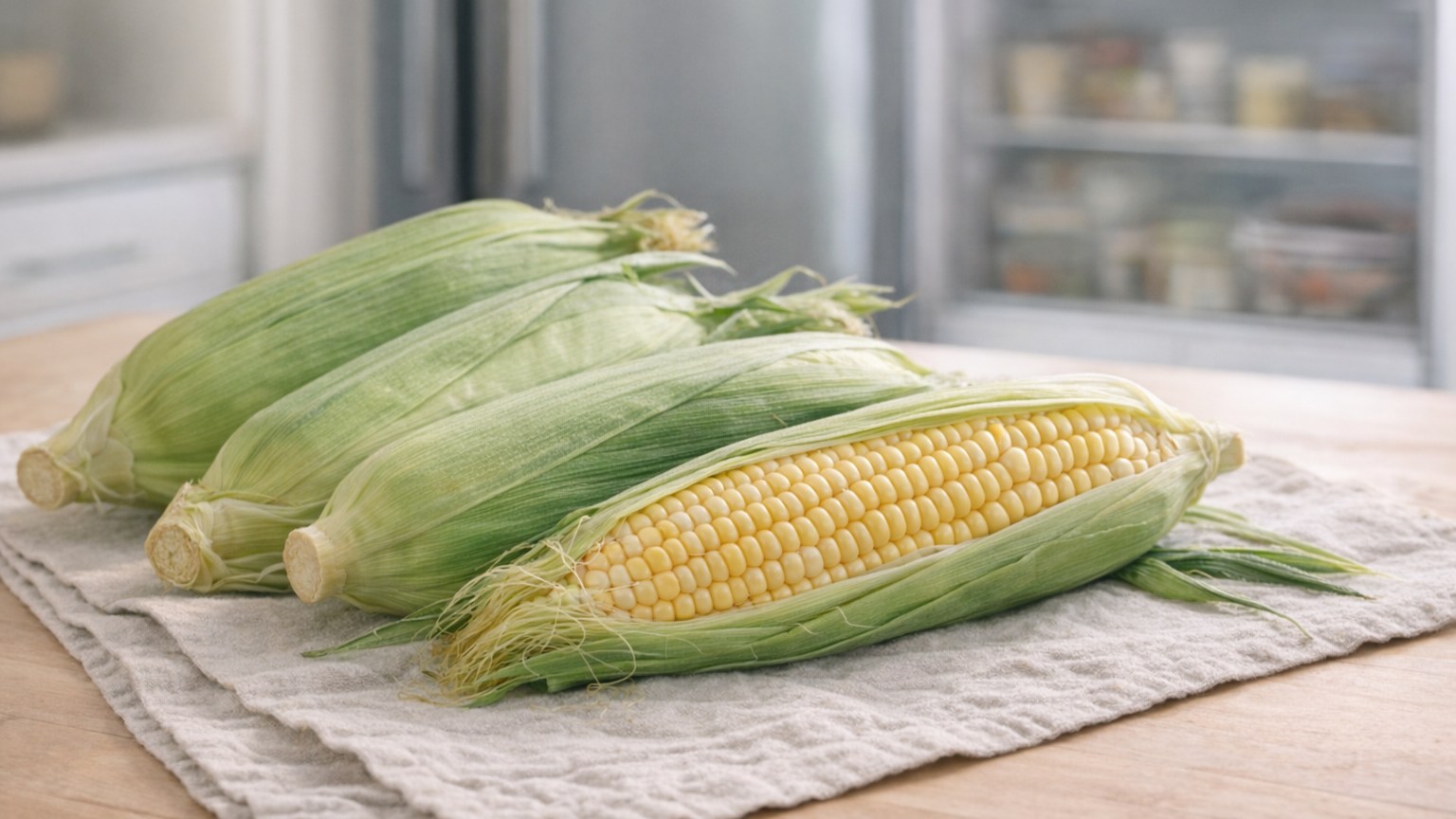
How to store fresh corn
Fresh corn is best when you treat it as a use-soon vegetable. Refrigeration helps, but the real secret is simply not waiting too long.
-
 Produce
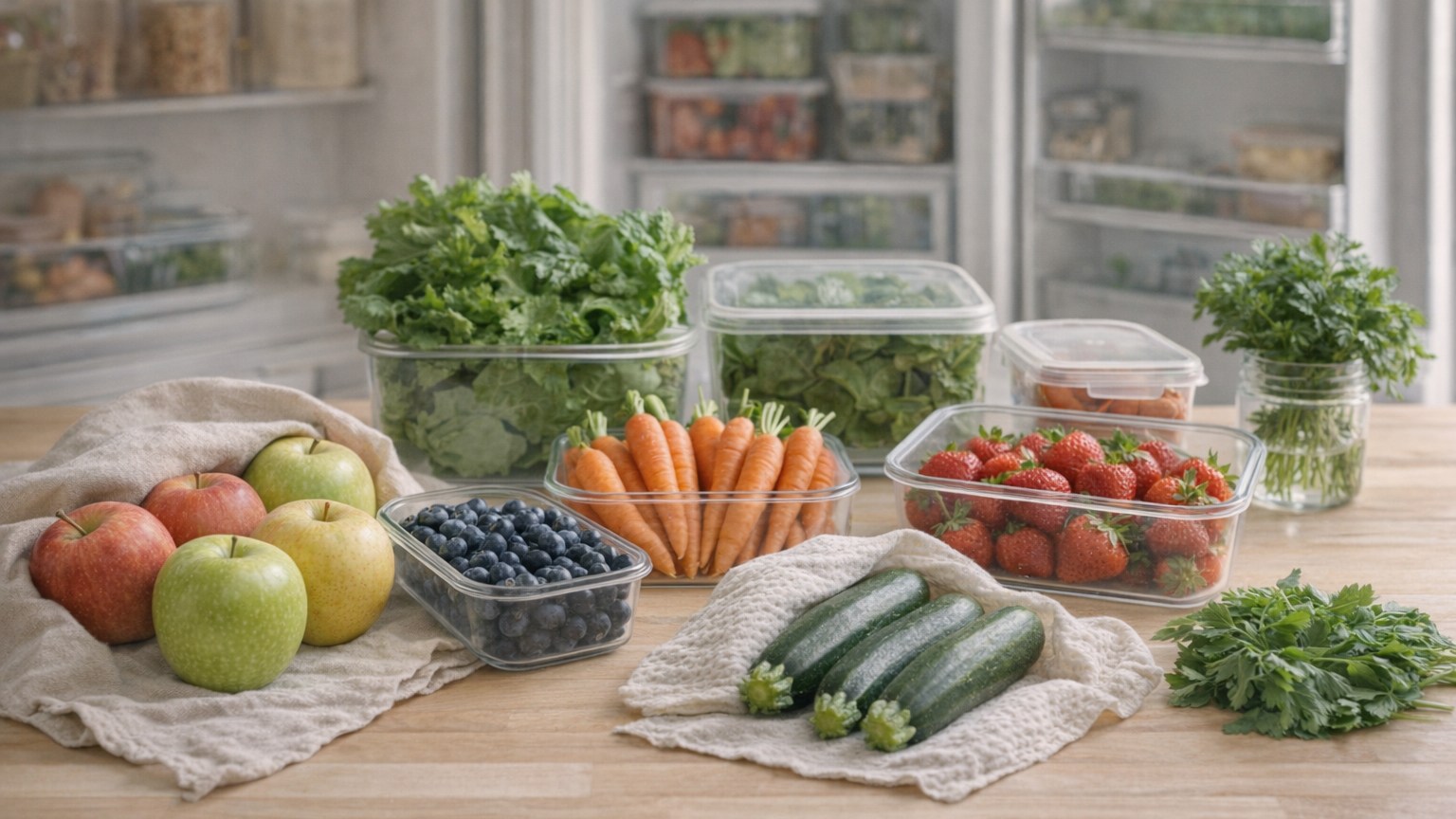
How to make fresh produce last all week
Most produce spoilage comes down to a handful of avoidable mistakes. These storage habits will get you through a full week of fresh vegetables and fruit with far less waste.
-
 Produce
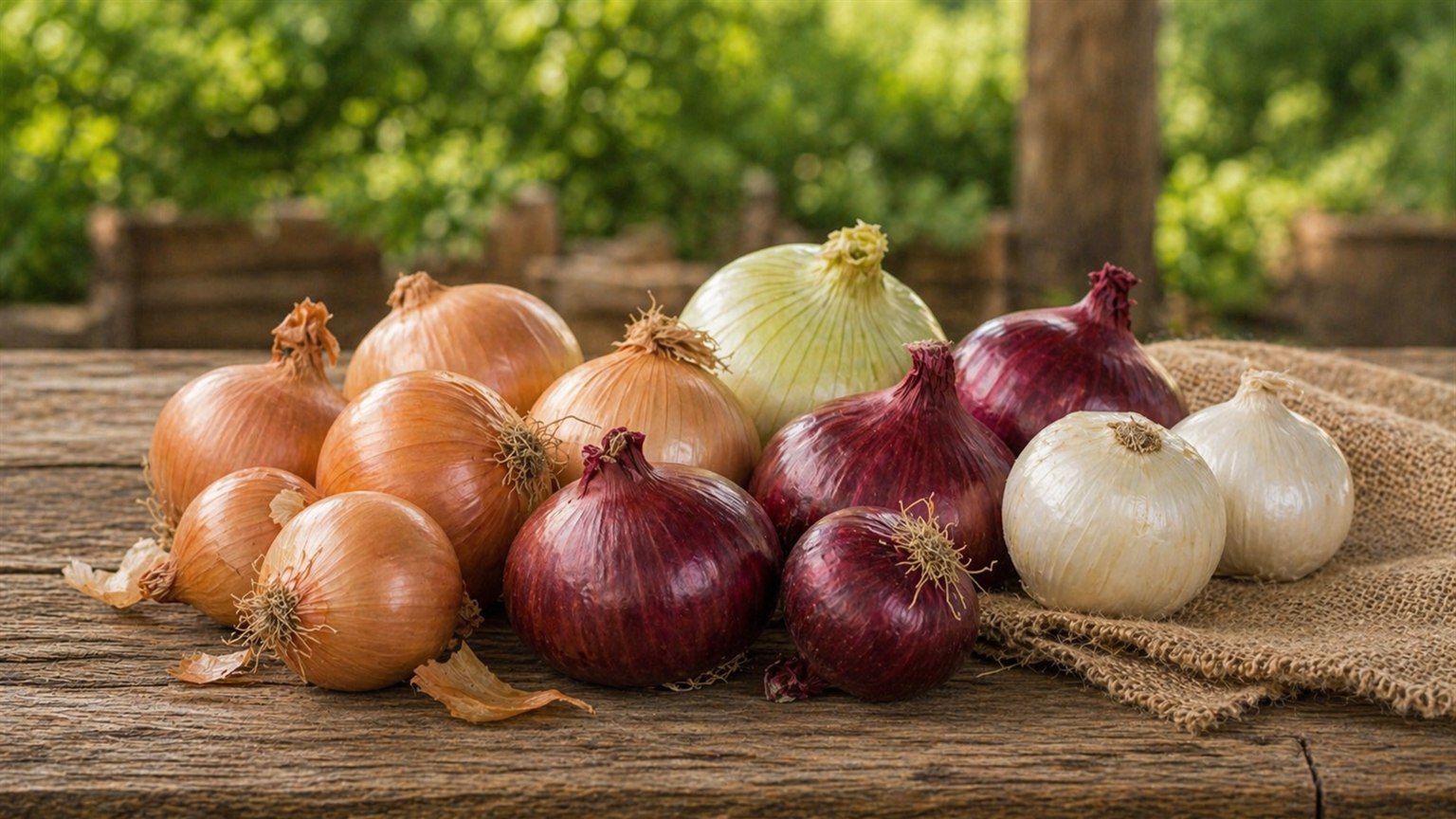
Onions
Onions are both a base ingredient and a vegetable in their own right. Yellow, red, white, sweet, and storage onions each bring a different balance of sharpness, sweetness, and keeping quality.
-
Guide
Why your produce goes bad quickly
Produce usually spoils quickly for a few repeatable reasons: too much moisture, the wrong storage zone, too much delay, or buying without a plan. Once you fix those habits, waste usually drops fast.
-
Guide
Best foods to freeze, store, or preserve in fall
Fall is the best window to build a winter food supply from local farms. Some crops need nothing more than a cool shelf; others freeze or ferment beautifully with minimal effort.
-
Guide
How to Store and Freeze Farm-Fresh Meat
Farm-fresh meat is often sold in bulk or in packaging that's different from what you'd find at a grocery store. Knowing how to store, freeze, and thaw it properly means nothing goes to waste and every cut comes out as…
-
 Produce
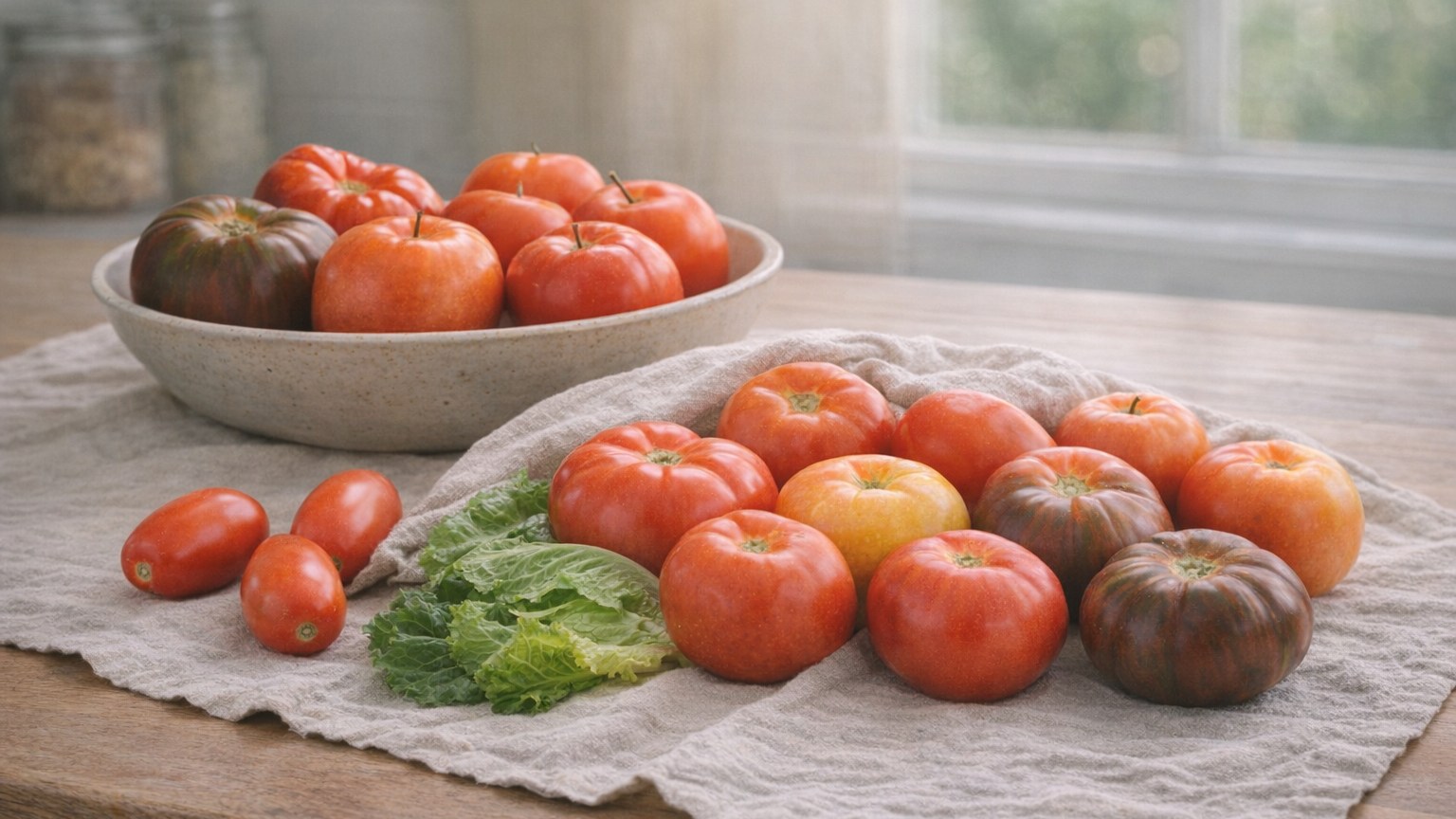
The Best Way to Store Tomatoes
Putting tomatoes in the fridge is one of the most common kitchen mistakes. Learn the right way to store them — whether they're ripe, unripe, or cut — so they stay flavorful and last longer.
-
 Produce
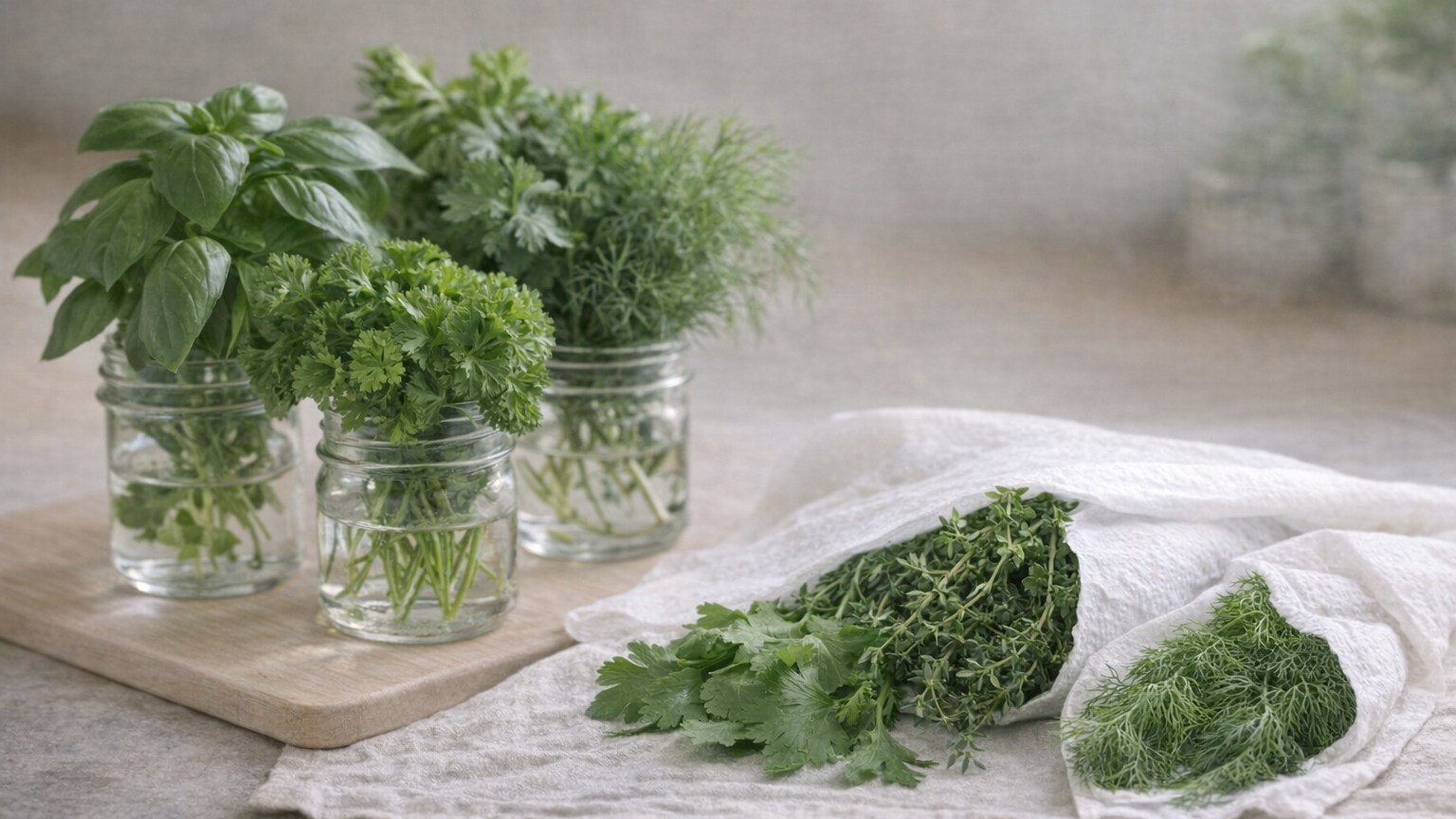
How to Keep Fresh Herbs From Going Bad Too Fast
Fresh herbs are one of the most wasted items in any kitchen. The right storage method depends on the type of herb — and getting it right means your basil, cilantro, and thyme last days longer than they otherwise would.
-
 Produce
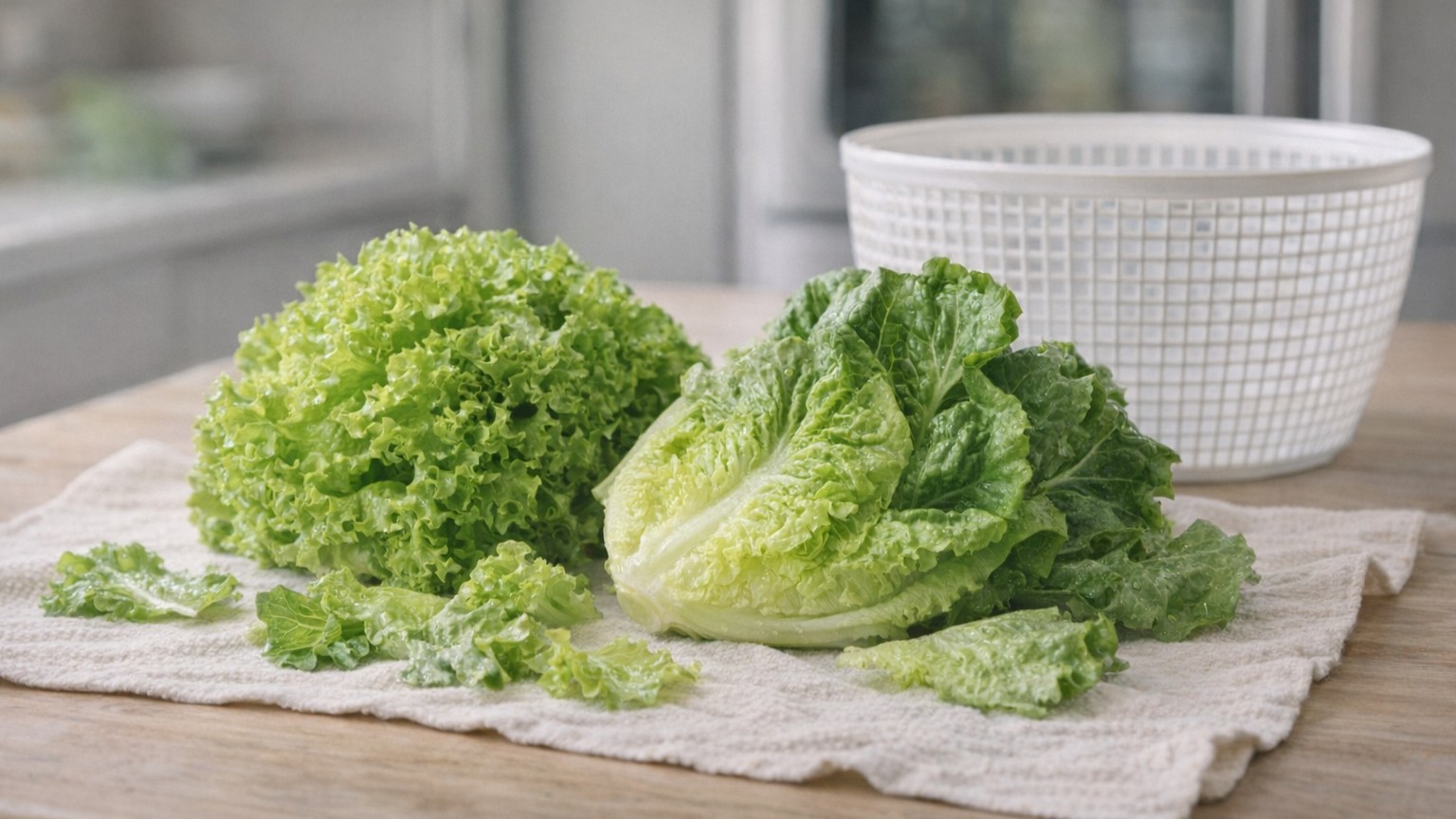
How to Store Fresh Lettuce So It Lasts Longer
Fresh lettuce from a local farm can wilt within days if stored carelessly. A few simple techniques can keep it crisp, green, and ready to eat for up to two weeks.
-
Guide
How to Store Farm-Fresh Eggs the Right Way
Farm-fresh eggs behave differently from store-bought, and storing them wrong can cut their shelf life in half. Here's exactly what to do — and why it matters.
-
Guide
Grocery store produce vs farm-fresh produce
Grocery store produce and farm-fresh produce are not the same thing — and understanding the differences can help you make better decisions for your kitchen and your budget.
-
Guide
The Real Difference Between Local Food and Grocery Store Food
Beyond the marketing, there are genuine and measurable differences between food bought locally and food from a chain grocery store. Here's what they actually are.
-
Guide
Buying meat in bulk vs shopping weekly
Buying a large quantity of meat from a local farm at once and buying smaller amounts each week are two very different approaches. Each has real advantages depending on how you cook and store food.
-
 Produce
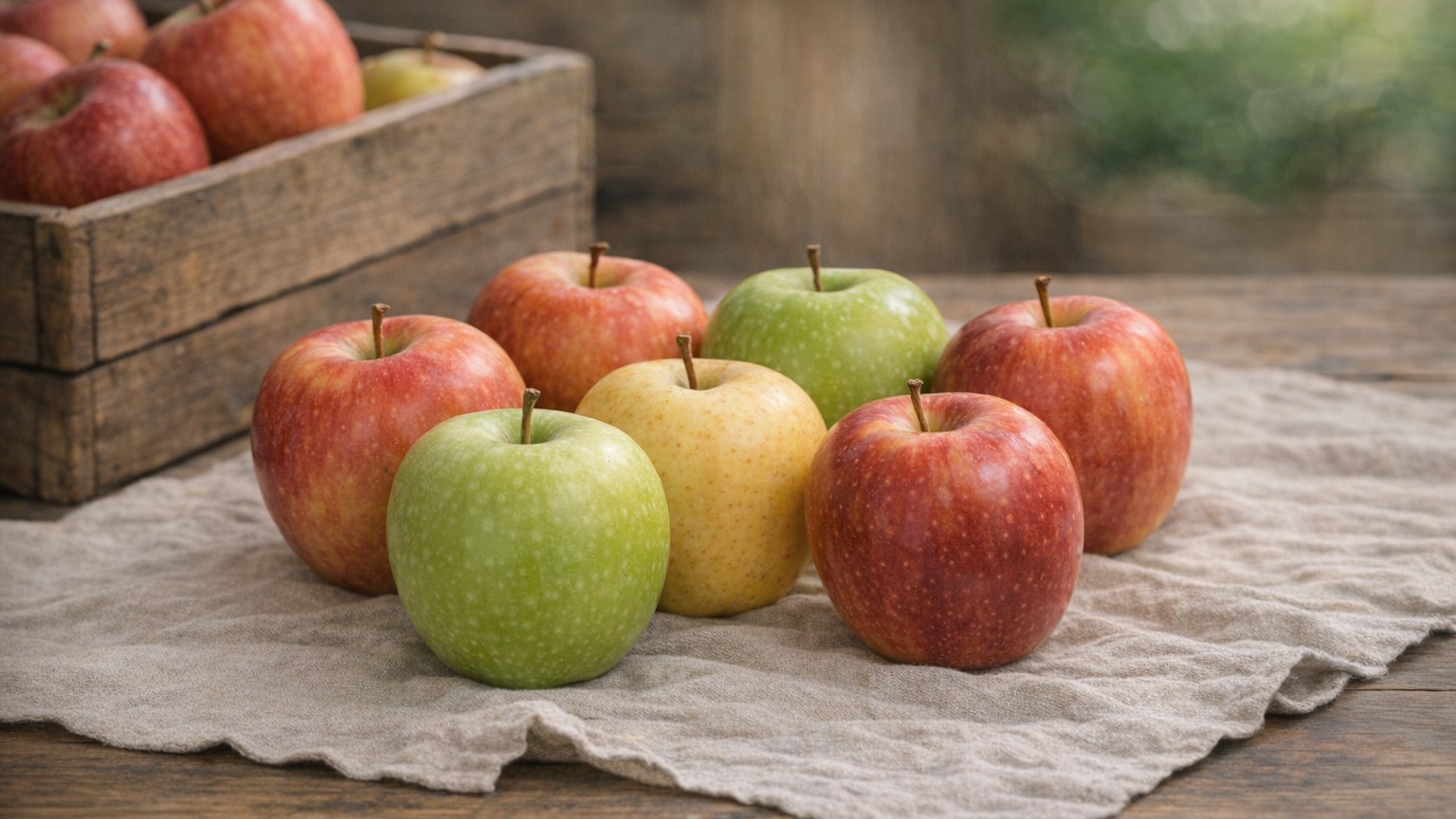
Apples
Apples are one of the most versatile produce staples — available from late summer through spring storage, with variety differences that actually matter for how you cook with them.
-
Guide
Comfort meals built around local winter ingredients
Winter farm ingredients — root vegetables, dried beans, cured meats, and storage squash — are exactly what you need for the kind of slow, satisfying cooking the season calls for.
-
Guide
What to buy from local farms in fall
Fall is one of the most rewarding seasons to shop from local farms — winter squash, root vegetables, apples, brassicas, and storage crops are all at peak quality and worth stocking up on before winter.
-
 Produce
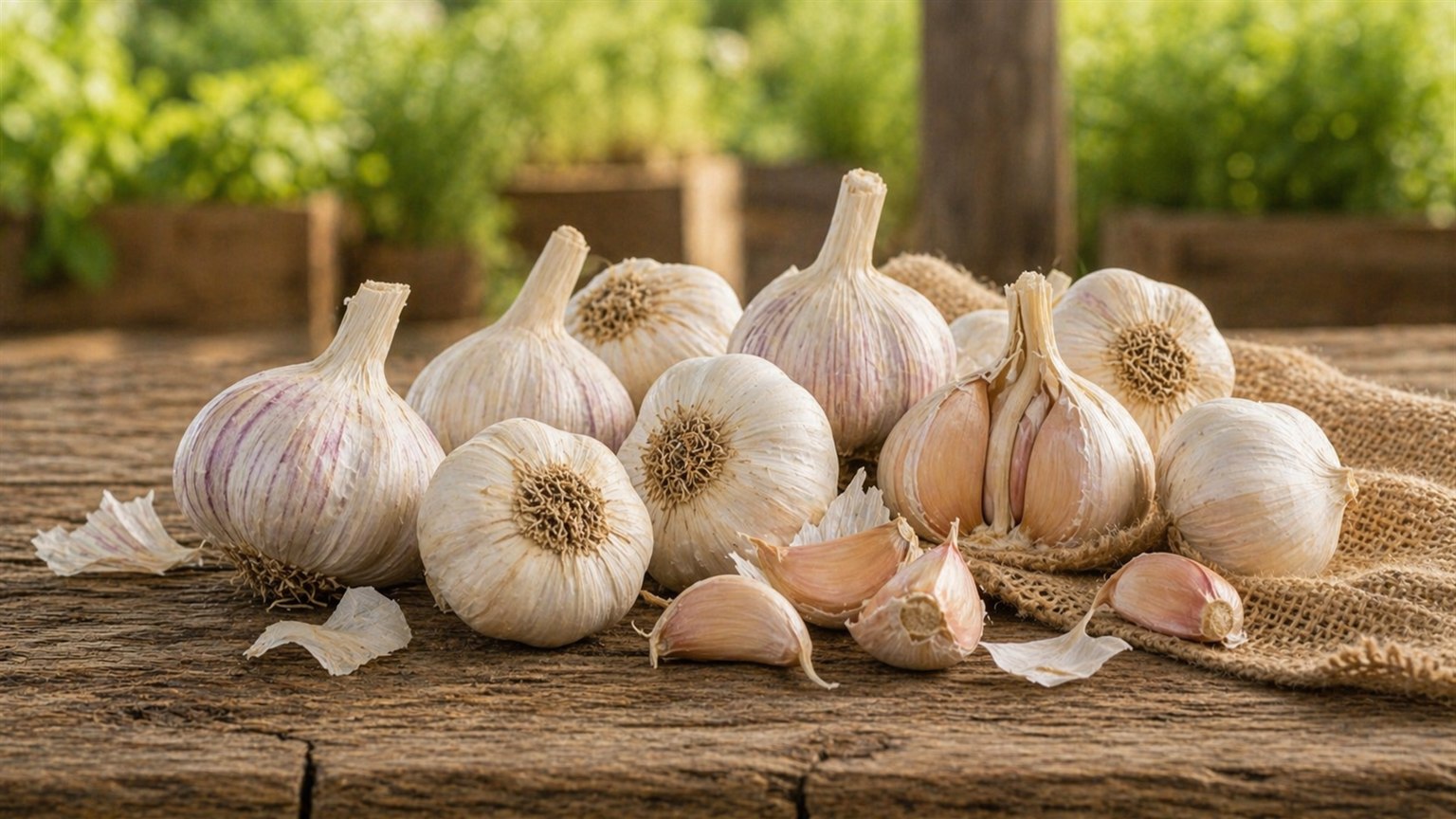
Garlic
Garlic is a foundational allium that changes completely depending on how it is cut and cooked. Raw garlic is sharp, sauteed garlic is savory, and roasted garlic becomes soft and sweet.
-
Guide
What to do with backyard tomatoes
Backyard tomatoes are usually more delicate and more abundant than store-bought ones, so the best use plan is the one that respects both. These ideas help you handle the rush without wasting your nicest fruit.
-
Guide
Local Eggs vs Grocery Store Eggs: What Is the Difference
The eggs at the grocery store and the eggs from a local farm can look completely different — and they often are. Here's what actually separates them and why it matters.
-
 Produce
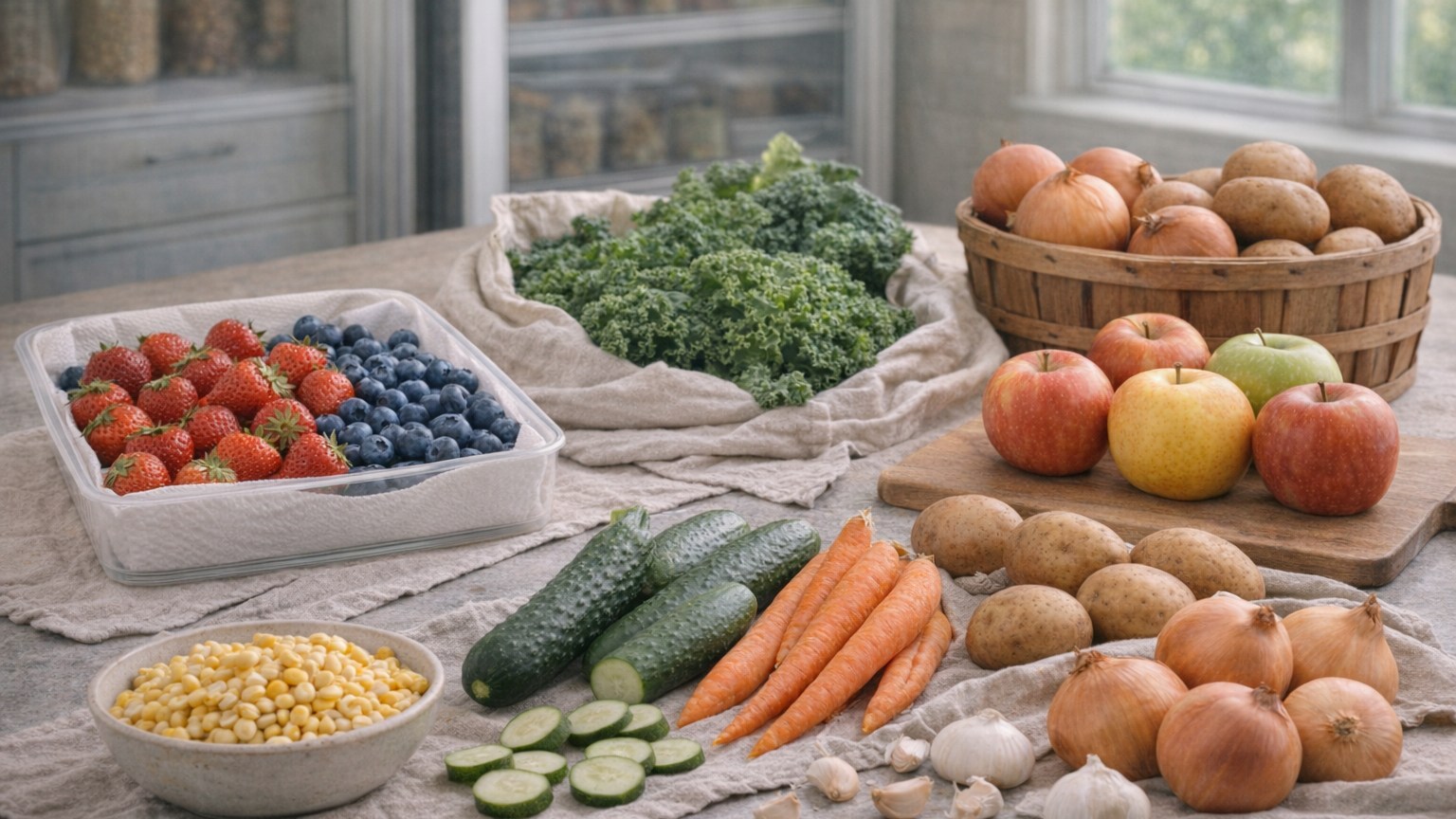
What's the Shelf Life of Farm-Fresh Produce?
Farm-fresh produce and grocery store produce have different shelf lives — sometimes longer, sometimes shorter. Here's what to expect for common crops and how to extend it.
-
Guide
What makes an online farm store feel premium
Premium doesn't require expensive packaging or a marketing agency. For farm stores, it comes from the clarity, care, and consistency of how you present your products online.
-
Guide
What seasonal eating looks like in winter
Winter seasonal eating is not about deprivation — it is a distinct approach to food built around storage crops, proteins, preserved goods, and the slow cooking that cold weather suits.
-
 Produce
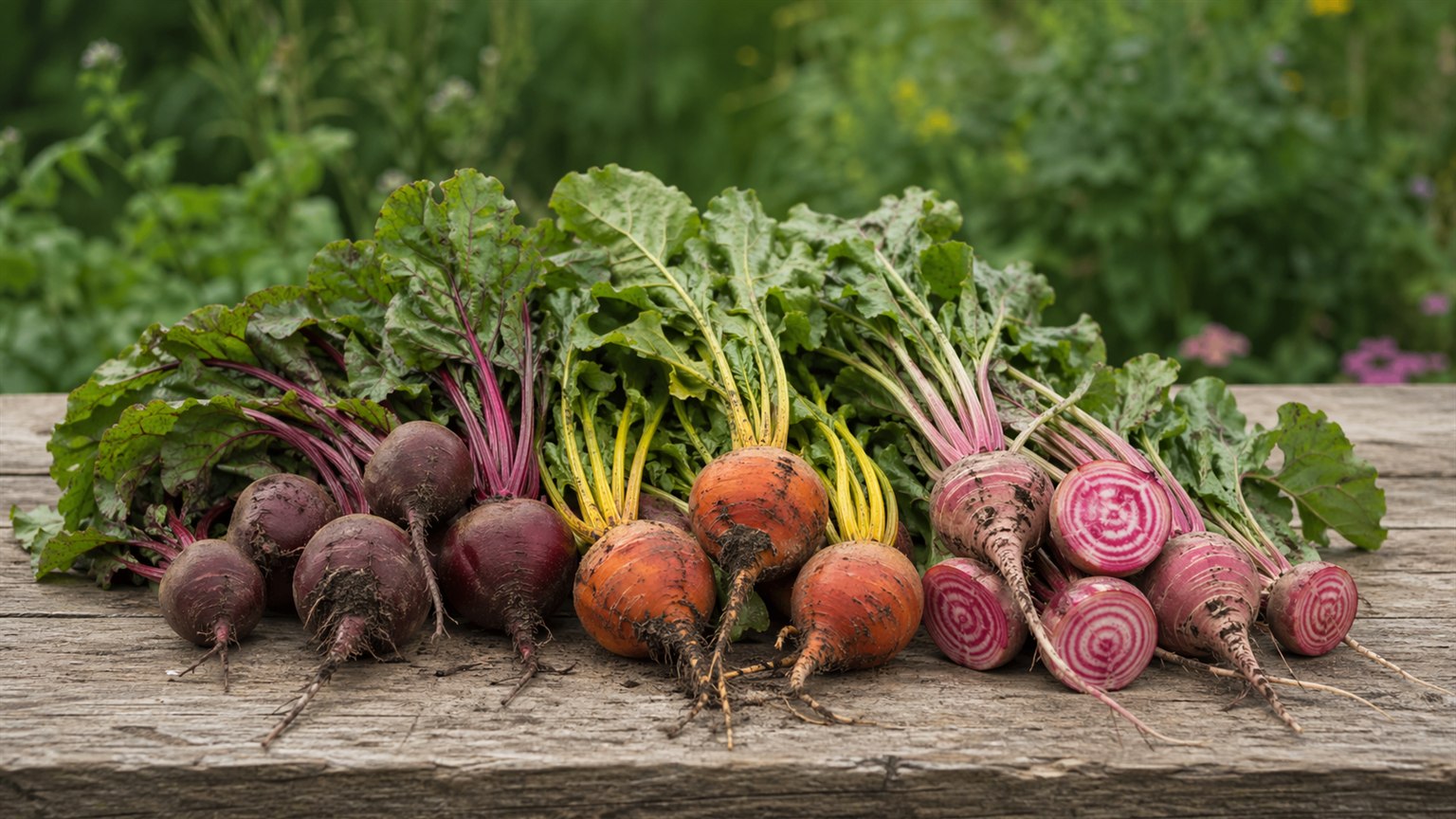
Beets
Beets are sweet, earthy root vegetables that store well and come with edible greens when freshly harvested. They roast beautifully, pickle easily, and add color to salads, grain bowls, and simple sides.
-
 Produce
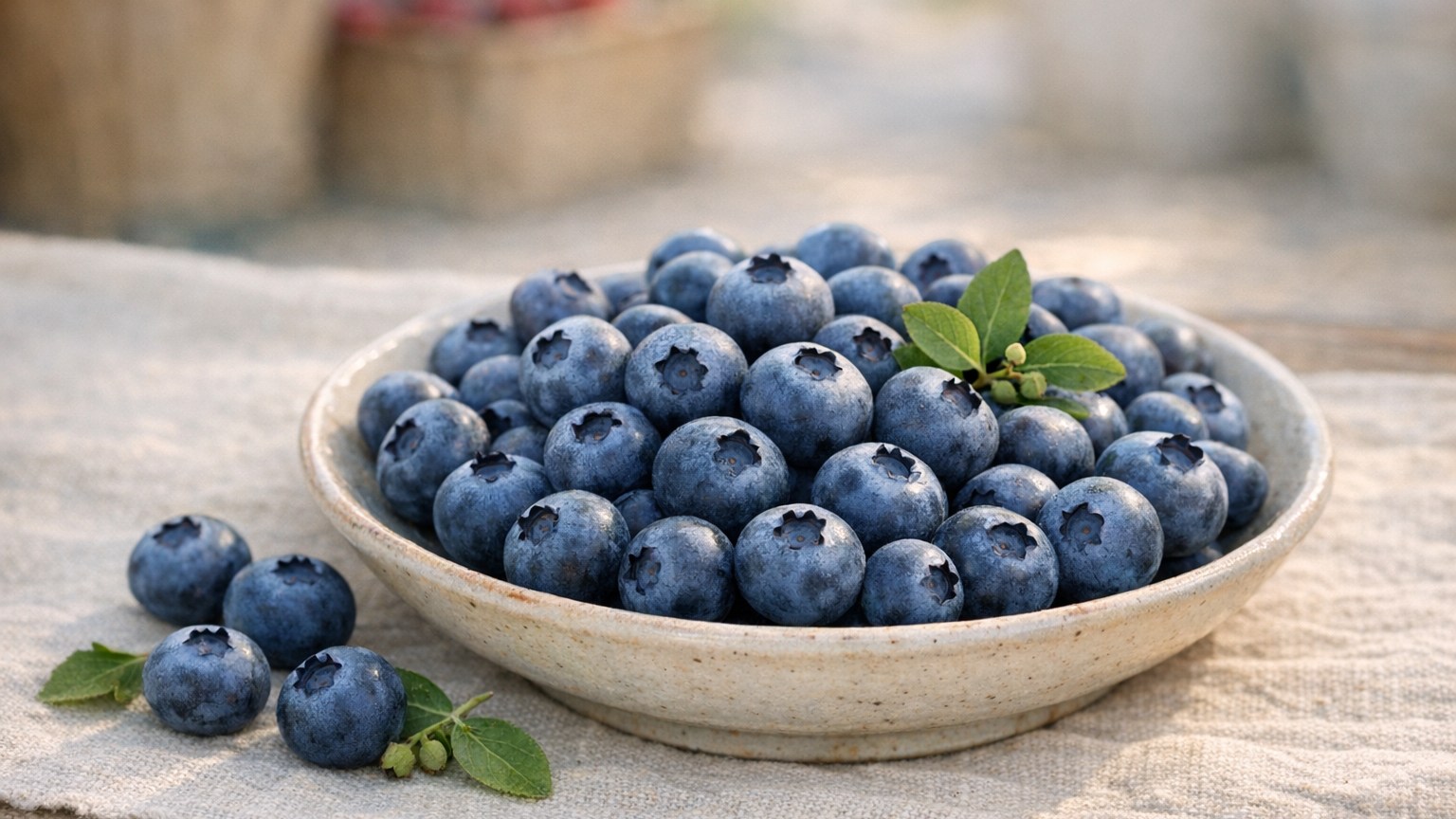
Blueberries
Blueberries are one of the more successful summer fruits — they store well, freeze perfectly, and the local varieties have a depth of flavor supermarket berries rarely match.
-
Guide
Why local produce sometimes looks different than grocery store produce
Local produce doesn't always look picture-perfect, and that's not a quality problem. Here's what's actually behind the differences in size, color, and shape.
-
 Produce
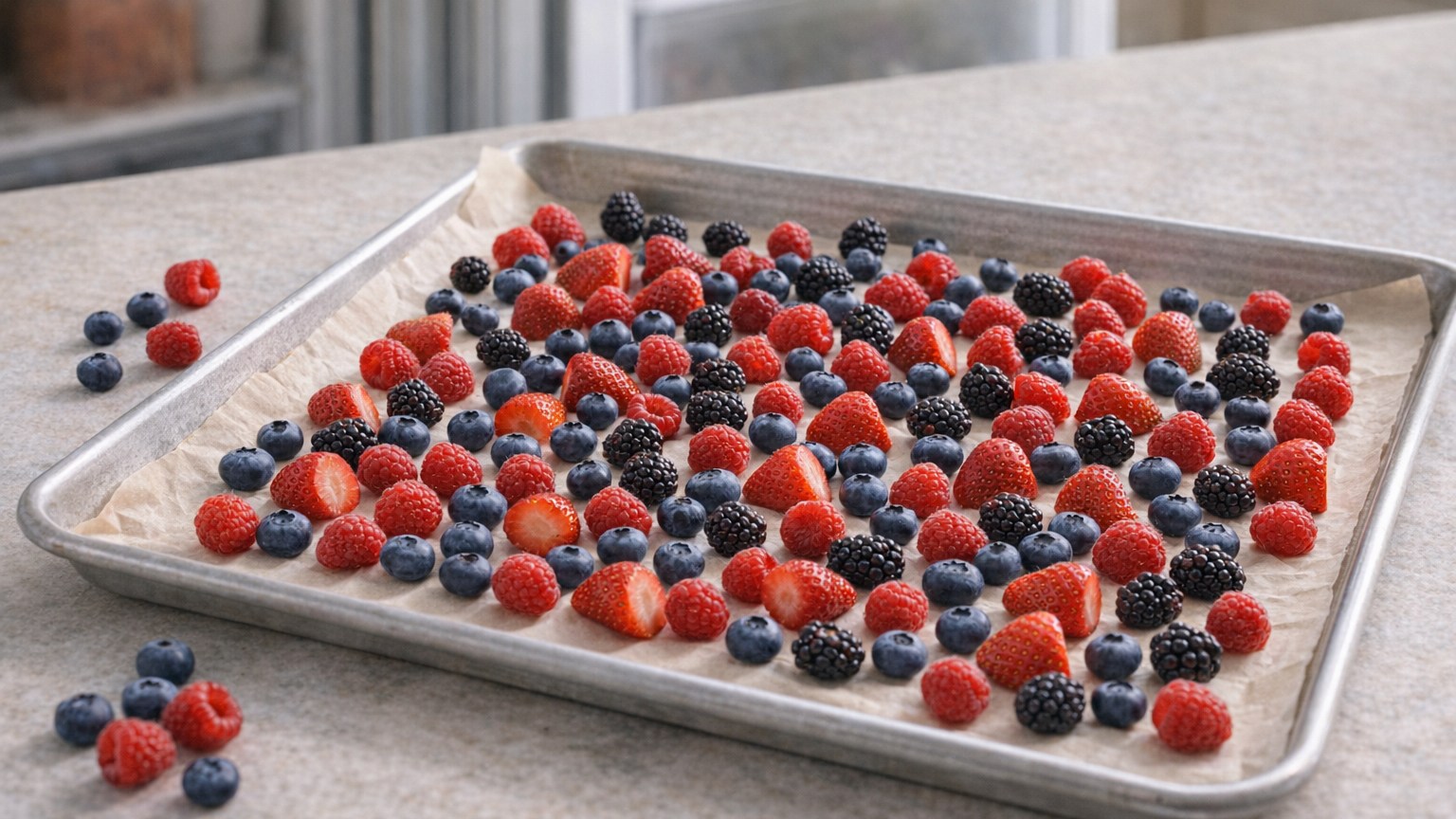
How to freeze fresh berries
Freezing berries at home takes less than 30 minutes and keeps them usable for up to a year. Here is how to do it without ending up with a solid, unusable clump.
-
 Produce
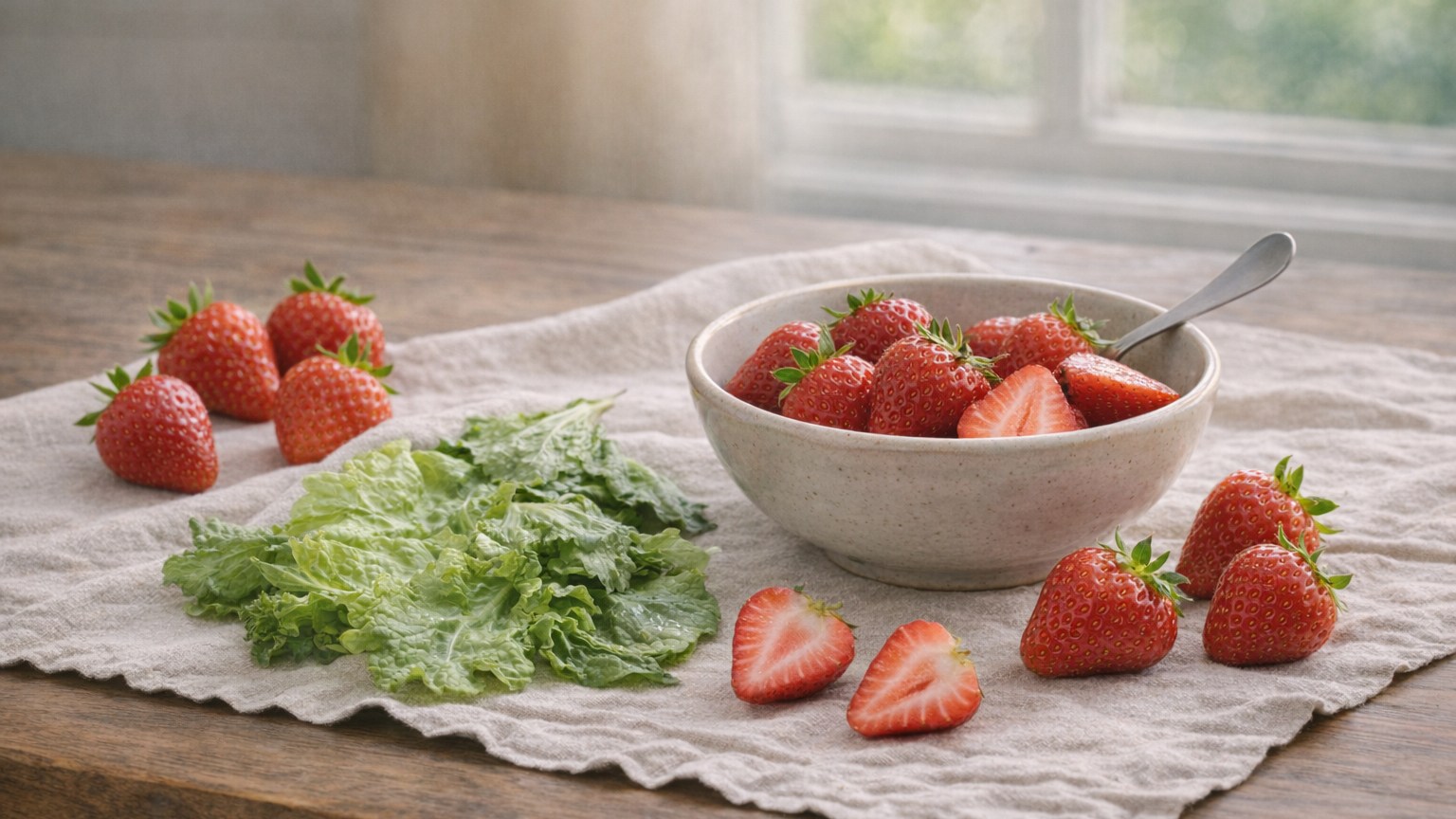
What is a strawberry and how to use it
Strawberries are sweet, fragrant fruit that work best when you respect how delicate they are. They can be eaten fresh, cooked lightly, or frozen without much trouble.
-
 Produce
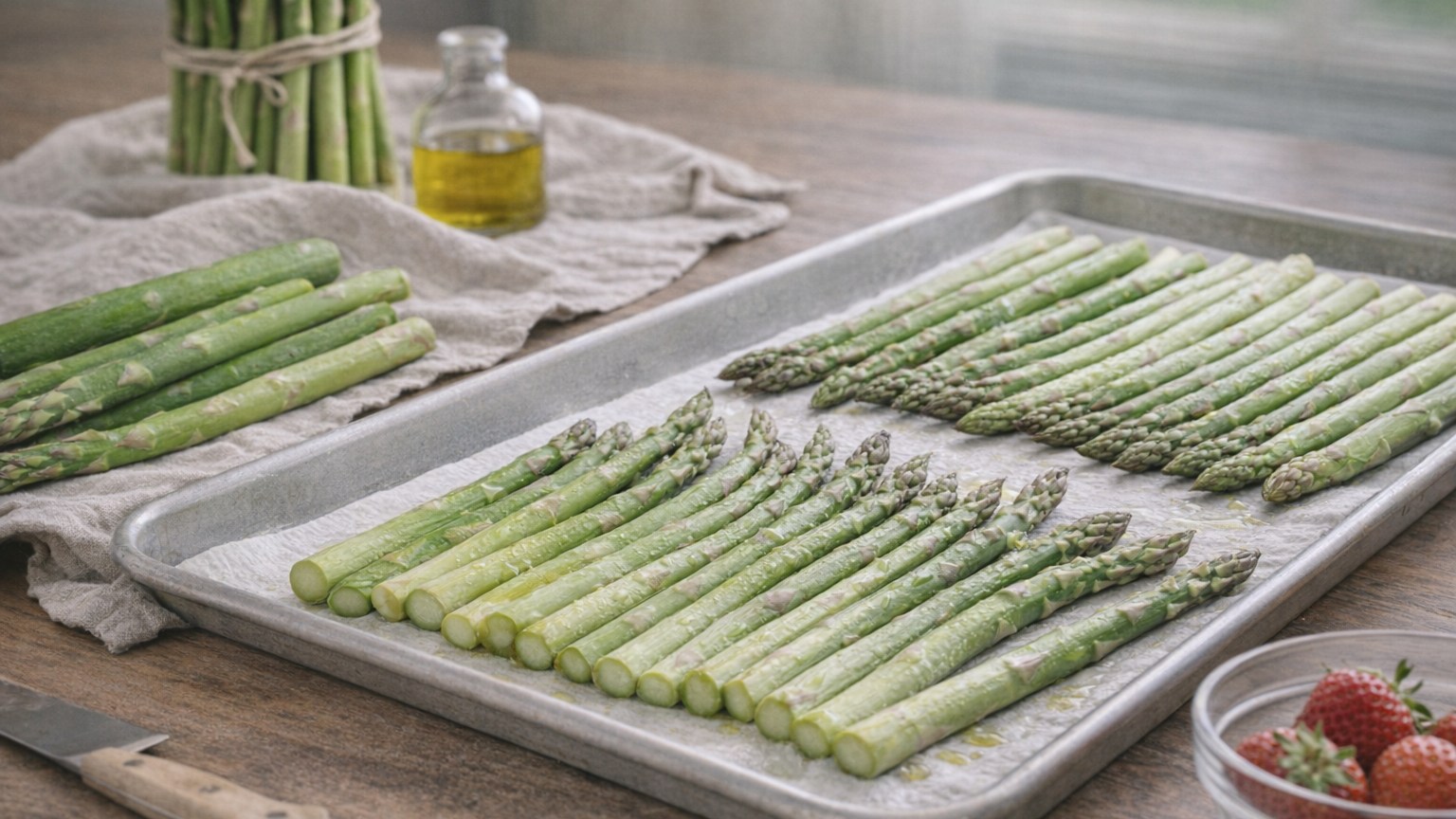
What is asparagus and how to cook it
Asparagus is one of the clearest signs of spring because it is tender, quick-cooking, and best when treated simply. The trick is to stop cooking it as soon as it is just done.
-
 Produce
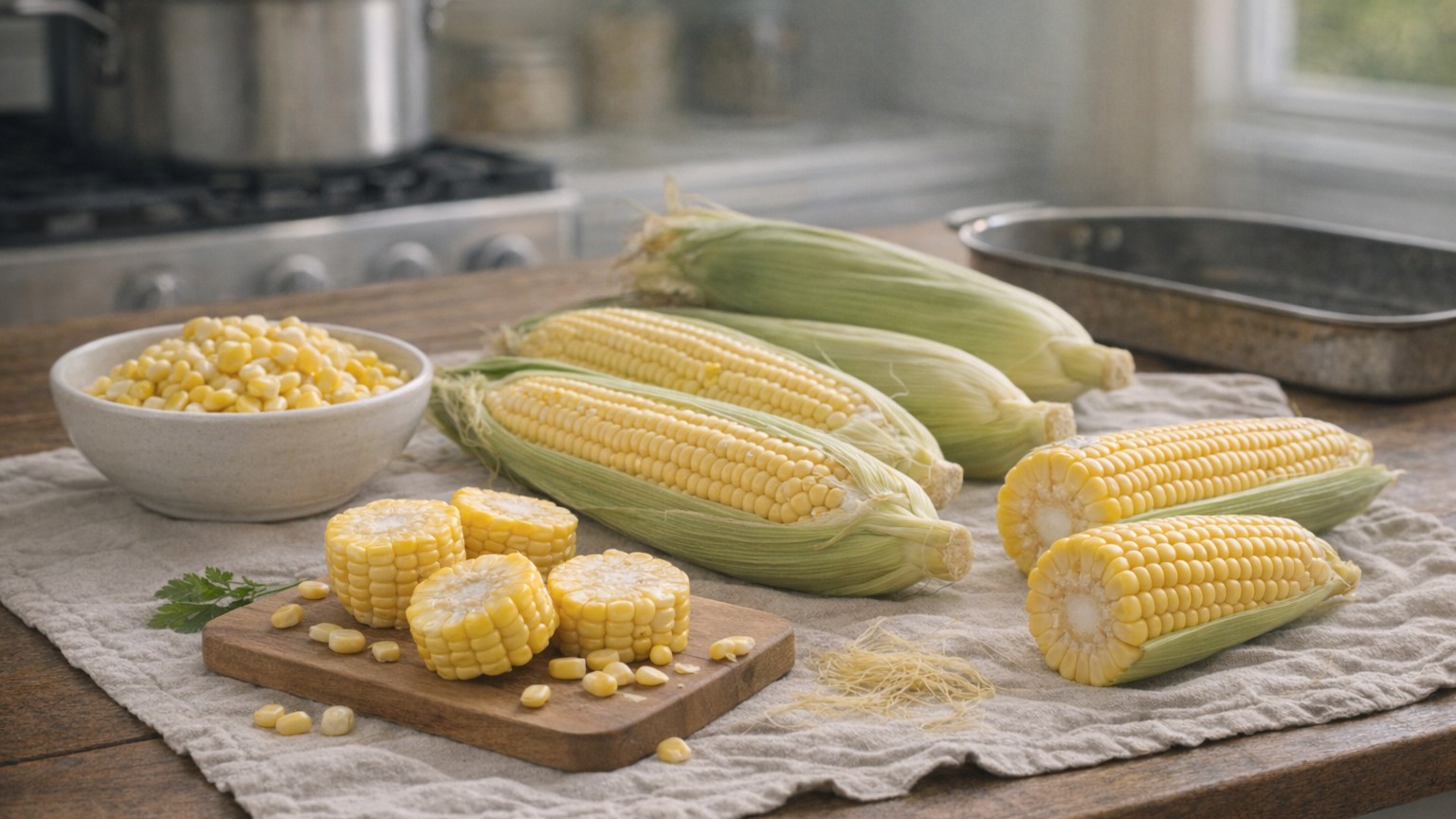
What is corn and how to cook it
Fresh corn is sweet, juicy, and easy to cook when you stop treating it like a special-event vegetable. It works on the cob, off the cob, and in a range of simple summer meals.
-
 Produce
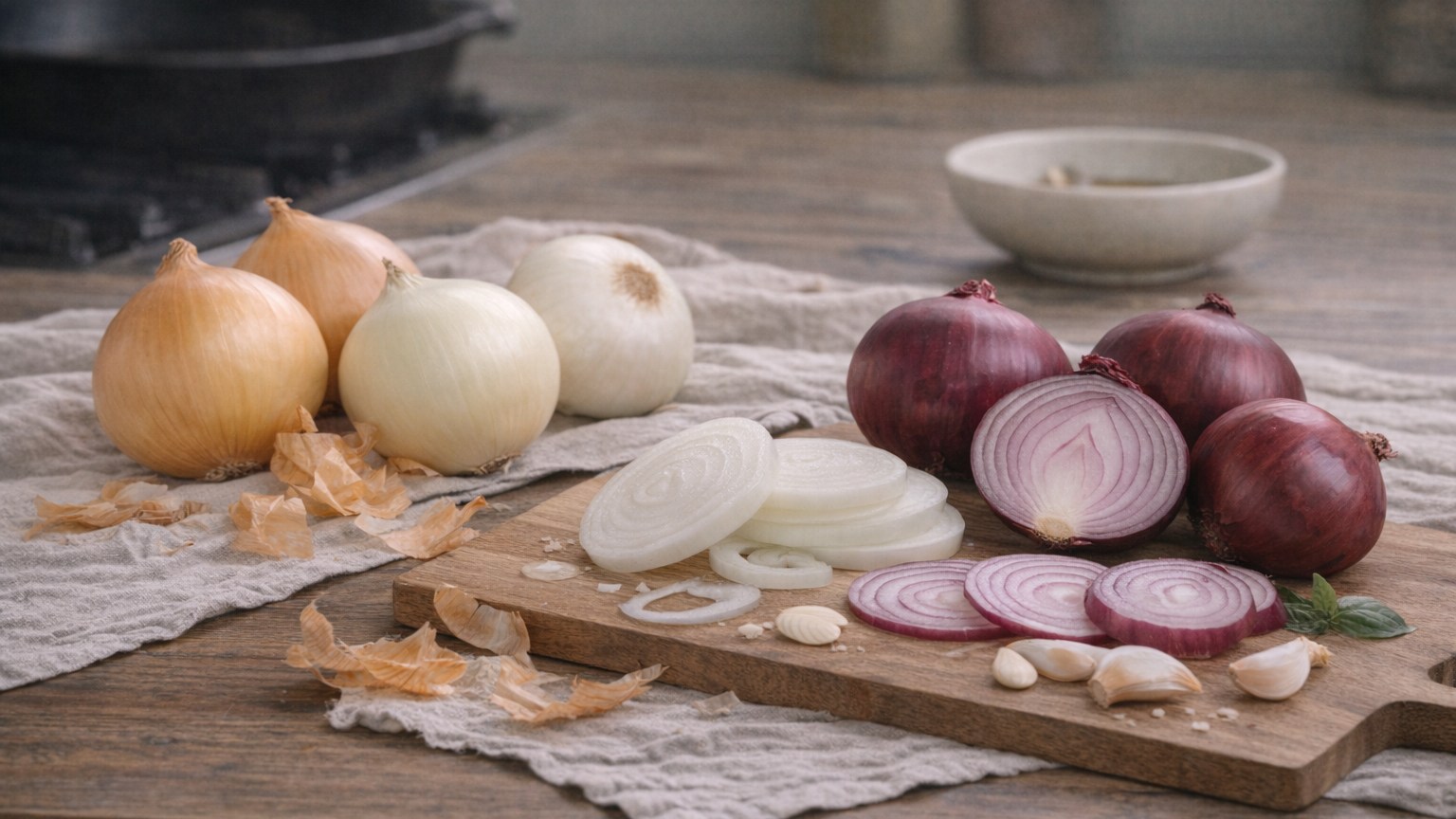
What is onion and how to use it
Onions are one of the most useful vegetables in the kitchen because they work as both a base ingredient and a finished component. Learning a few onion styles makes everyday cooking much easier.
-
 Produce
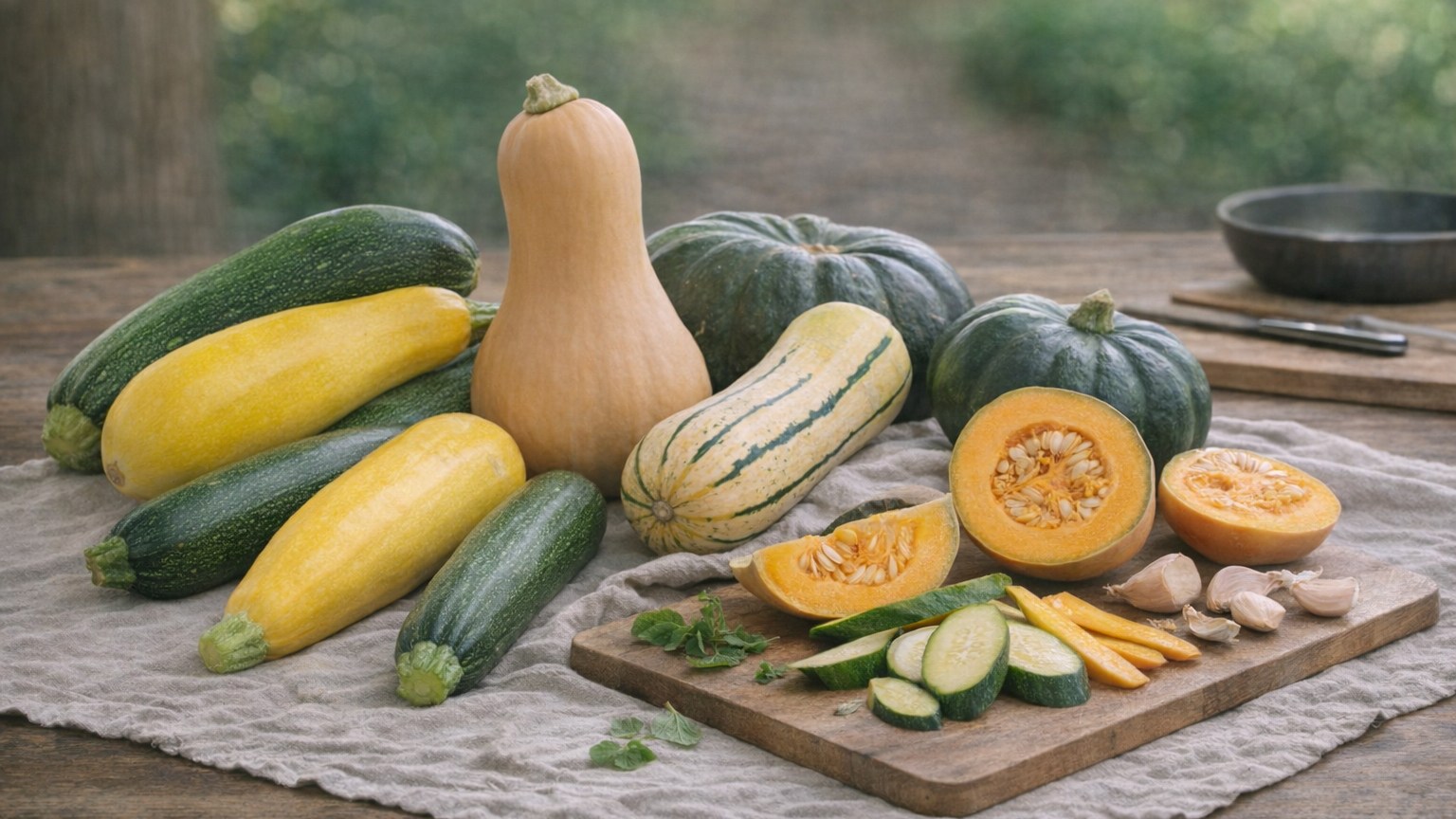
What is squash? Types and uses
Squash is a broad category that covers both tender summer squash and dense winter squash. The easiest way to understand it is to split those two groups apart.
-
Guide
What to buy from local farms in winter
Winter is quieter on the farm, but local buying doesn't have to stop. Here's what's genuinely available from small producers during the cold months and how to make the most of it.
-
Guide
What to do with apples
A bag of apples lasts longer than most produce, but it still helps to have more than one use in mind. These ideas keep apples moving before they go mealy in the drawer.
-
Guide
What to do with bell peppers
Bell peppers are one of the easiest vegetables to work through because they are good raw, cooked, and frozen for later. These ideas help you use a full bag without boredom.
-
Guide
What to do with blueberries
Blueberries are easy to snack on, but a large amount still goes faster if you give it a few deliberate uses. These ideas help you enjoy them before they wrinkle or ferment.
-
Guide
What to do with carrots
Carrots are forgiving, but a full bag still benefits from a plan. These ideas help you move through extra carrots in ways that are practical, not fussy.
-
Guide
What to do with extra garden produce
Extra garden produce is easiest to manage when you sort it by urgency, not by category. A little triage turns a pile of mixed produce into a workable plan.
-
Guide
What to do with extra strawberries
Extra strawberries do not give you much time, so the best plan is to sort them quickly and use the most delicate berries first. These ideas help you get through them before mold or softness takes over.
-
Guide
What to do with fresh basil
Fresh basil has huge flavor but not much patience. These are the easiest ways to use a full bunch before the leaves blacken or collapse.
-
Guide
What to do with fresh corn
Fresh corn is easiest to enjoy when you use it quickly and keep the prep simple. These ideas help you get through a market bag before the kernels lose their best texture and sweetness.
-
Guide
What to do with garlic
A lot of garlic is not really a problem if you use it intentionally. These ideas help you move through extra heads without letting cloves dry out or sprout in the pantry.
-
Guide
What to do with green beans
Green beans are easy to use up when you keep the cooking simple. These ideas help you move through a surplus without ending up with limp beans in the crisper.
-
Guide
What to do with kale
Kale is easier to use than its reputation suggests, especially when you stop saving it for one perfect salad. These ideas help you move through a bunch or bag without waste.
-
Guide
What to do with onions
Extra onions are rarely an emergency, but they are extremely useful to prep ahead. These ideas help you turn a surplus into weeknight leverage instead of just another bag in the pantry.
-
Guide
What to do with peaches before they go bad
Peaches can go from hard to perfect to too soft in a very small window. These are the easiest ways to use them while they still taste like a good summer peach.
-
Guide
What to do with potatoes
Potatoes hold well, but a big bag still goes faster when you treat it like meal prep instead of pantry decor. These ideas help you use more potatoes in ordinary, repeatable ways.
-
Guide
What to do with spinach before it wilts
Spinach wilts quickly, which means the most useful plan is the one you can do today. These ideas help you use a bag or bunch before it turns slimy.
-
Guide
What to do with squash
Squash can mean quick-cooking summer squash or longer-keeping winter squash, so the best use depends on which kind is sitting in your kitchen. These ideas cover both without overcomplicating it.
-
Guide
What to do with too many tomatoes
Too many ripe tomatoes is a good problem until the counter starts filling up. These are the easiest ways to use, cook, and preserve them before they split or soften.
-
Guide
Winter produce guide: what's still available locally
The growing season slows in winter, but it doesn't stop. This guide walks through what's genuinely available from local producers once the cold sets in and how to use it well.


