
Search
Recipes, produce guides, seasonal articles, and Collective briefings — one place.
60 results for "spring onions"
-
Guide
Spring produce guide: what is in season and how to use it
Spring brings some of the most exciting produce of the year — tender greens, early alliums, fresh herbs, and the first sweet strawberries. This guide covers what is actually in season and how to make the most of it.
-
Guide
Best spring vegetables to buy locally
Not all spring vegetables are worth seeking out from a local farm — but some are dramatically better when grown nearby and harvested fresh. Here are the ones worth prioritizing this season.
-
Guide
How to build a spring meal plan around local produce
Spring produce arrives fast and changes week to week. A flexible meal plan built around what is actually available makes cooking easier and reduces waste.
-
Guide
How to eat seasonally in early spring
Early spring is a transition season — not winter anymore, but not yet peak growing season either. Here is how to eat well with what is actually available right now.
-
Guide
What fresh eggs, greens, and early harvests say about spring
Spring's first farm offerings — eggs, leafy greens, and early root crops — tell you a lot about what the season is and why it is worth paying attention to.
-
Guide
Spring farmers market favorites you can also buy online
Many of the best things you find at a spring farmers market are also available through local farm online shops — without the early-morning trip or weather uncertainty.
-
Guide
Spring herbs to start cooking with right now
Fresh herbs are one of the best purchases you can make in spring — and local farms often offer them earlier and in better condition than grocery stores. Here is what to look for and how to use it all.
-
 Collective
The Spring Local Buying Guide
What's actually worth buying local this spring — and what's not ready yet no matter what the sign says. A member's guide to eating well from April through early June.
-
Guide
A beginner's guide to spring CSA and farm orders
Spring is when most CSA programs open enrollment and local farms start taking direct orders. Here is what you need to know before signing up.
-
Guide
Why spring is the perfect time to start shopping local
If you have been thinking about buying from local farms but have not made the leap yet, spring is the best season to start. Here is why the timing works in your favor.
-
 Produce
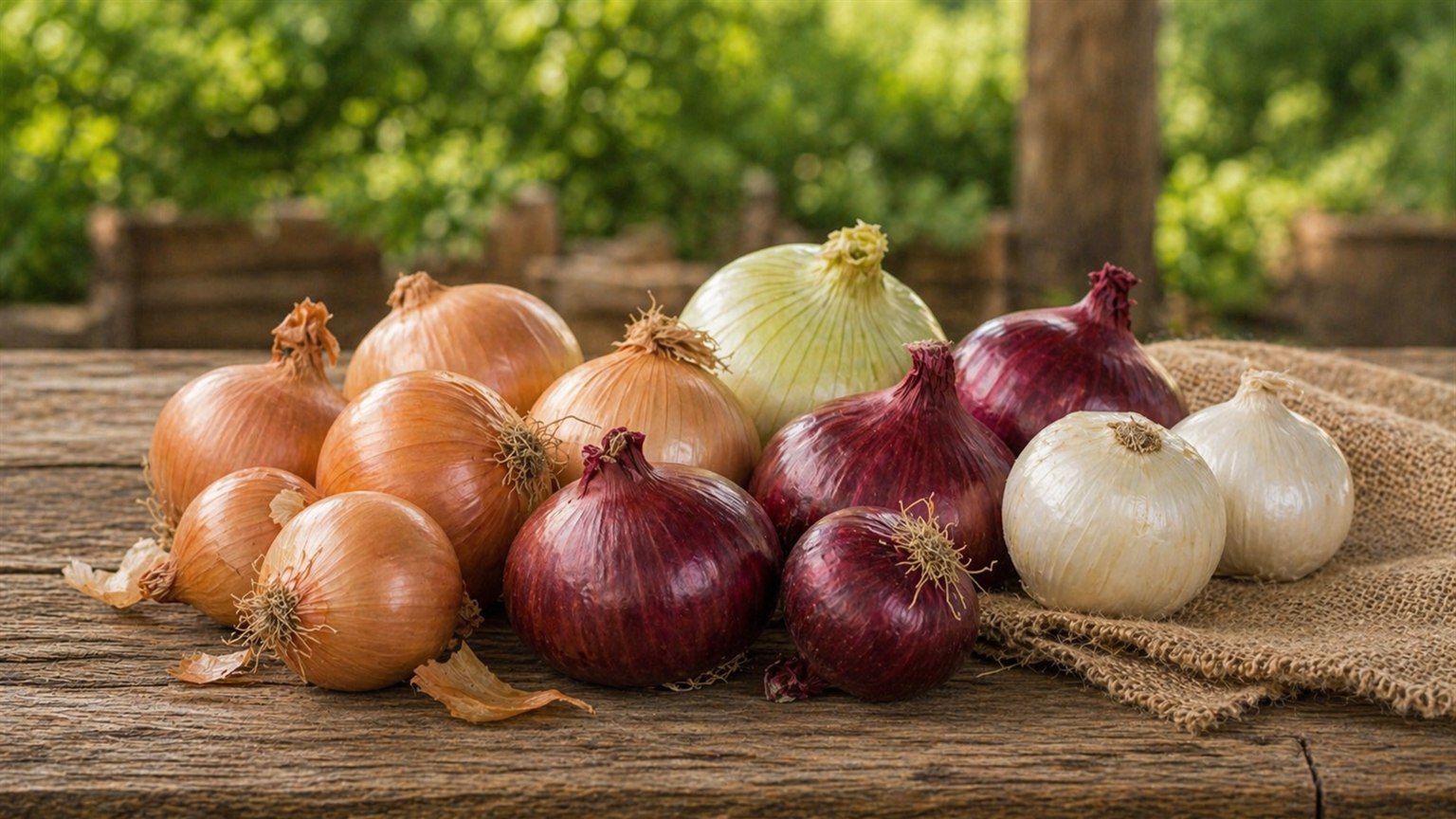
Onions
Onions are both a base ingredient and a vegetable in their own right. Yellow, red, white, sweet, and storage onions each bring a different balance of sharpness, sweetness, and keeping quality.
-
Guide
Spring Produce Guide — Ramps, Asparagus, Strawberries, and More
Spring brings some of the most prized and fleeting produce of the year. Here's what to look for, when to find it, and how to make the most of the short window each crop is available.
-
Guide
What to Buy From Local Farms in Spring
Spring is the most exciting time to shop from local farms — the season kicks off with crisp greens, fresh eggs, and a wave of early produce you won't find anywhere near as good in a grocery store.
-
 Produce
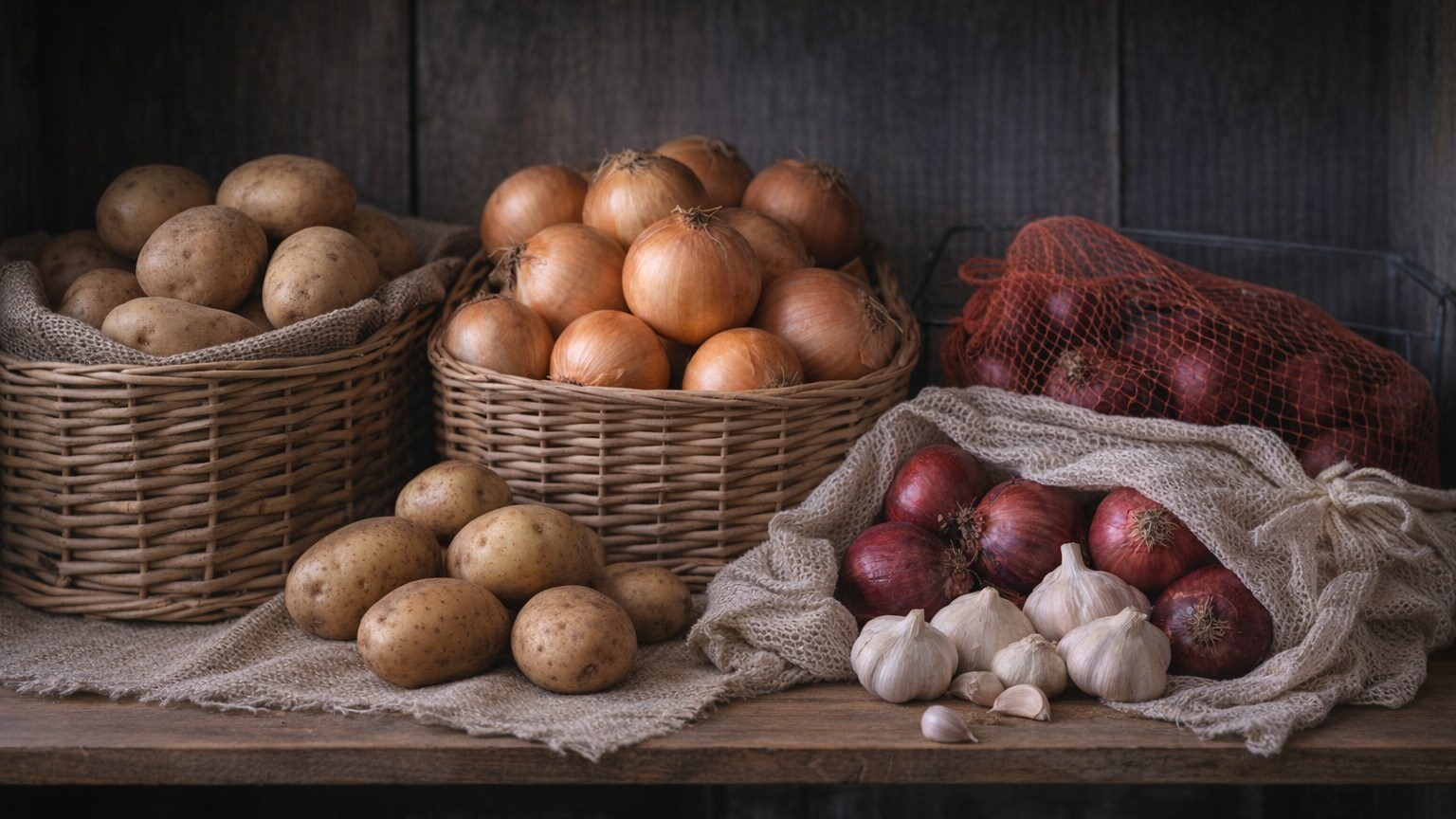
The best way to store potatoes, onions, and garlic
Potatoes, onions, and garlic all need cool, dark, and dry conditions — but keeping them together or in the wrong spot cuts their storage life dramatically. Here is what actually works.
-
Guide
What to do with onions
Extra onions are rarely an emergency, but they are extremely useful to prep ahead. These ideas help you turn a surplus into weeknight leverage instead of just another bag in the pantry.
-
 Collective
Spring Opportunities — what buyers want this season
Demand signals from local food buyers in April–June 2026. What categories will move, what pricing windows exist, and which opportunities to commit to this season.
-
 Produce
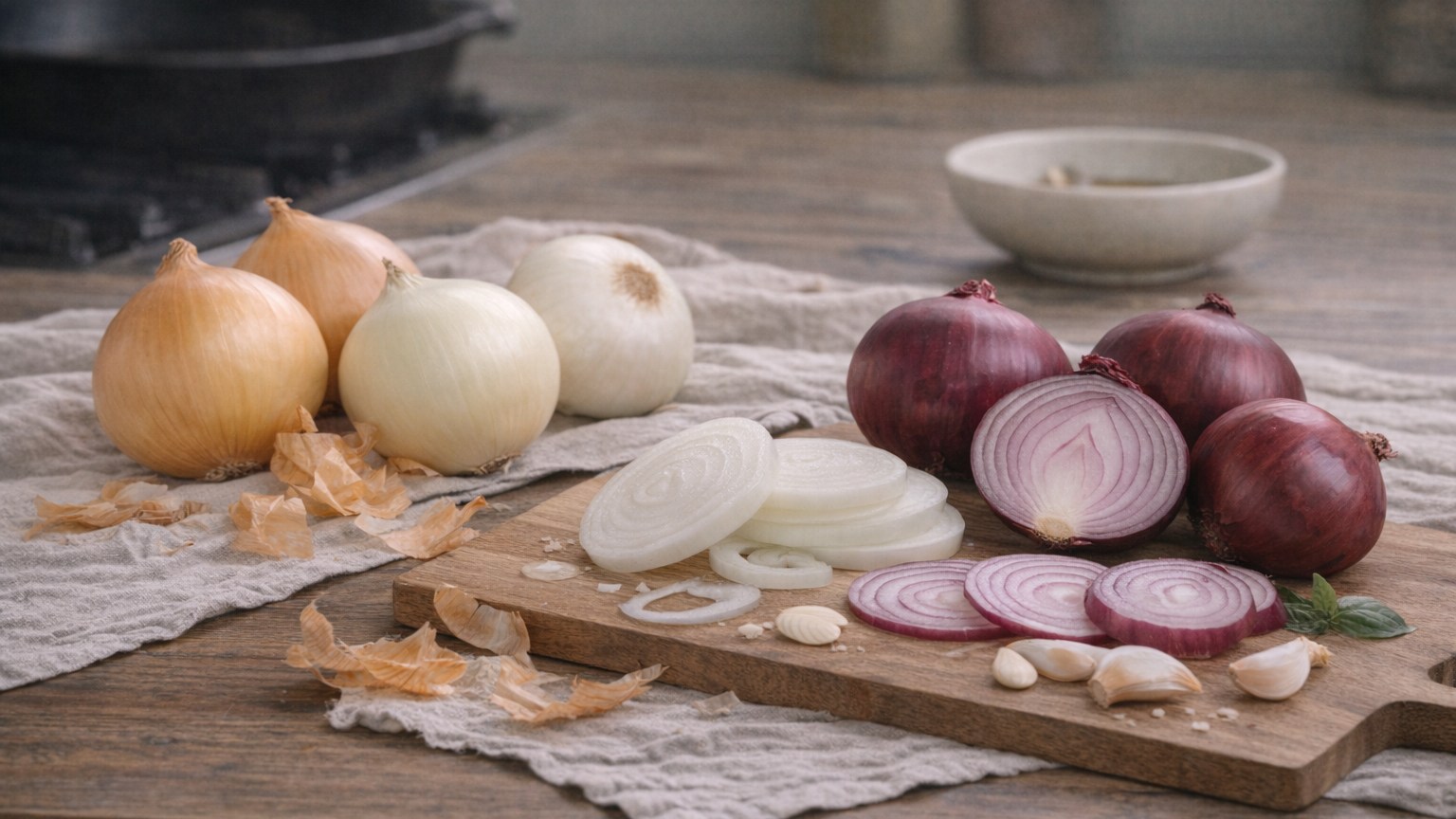
What is onion and how to use it
Onions are one of the most useful vegetables in the kitchen because they work as both a base ingredient and a finished component. Learning a few onion styles makes everyday cooking much easier.
-
 Produce
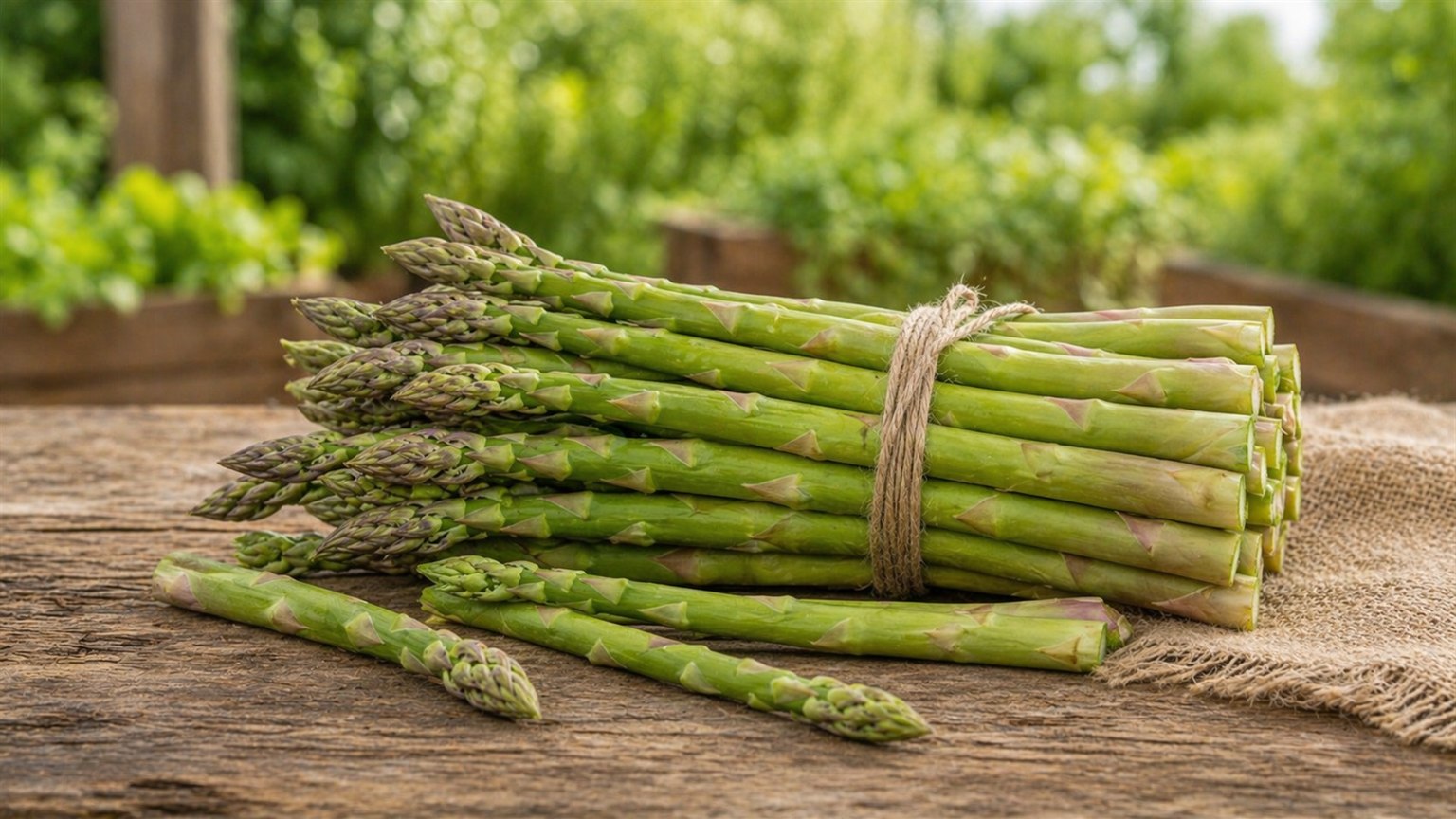
Asparagus
Asparagus is one of the first serious vegetables of spring: quick-cooking, delicate, and best when it is handled simply. The main skill is knowing how to choose fresh spears and stop cooking before they go soft.
-
 Produce
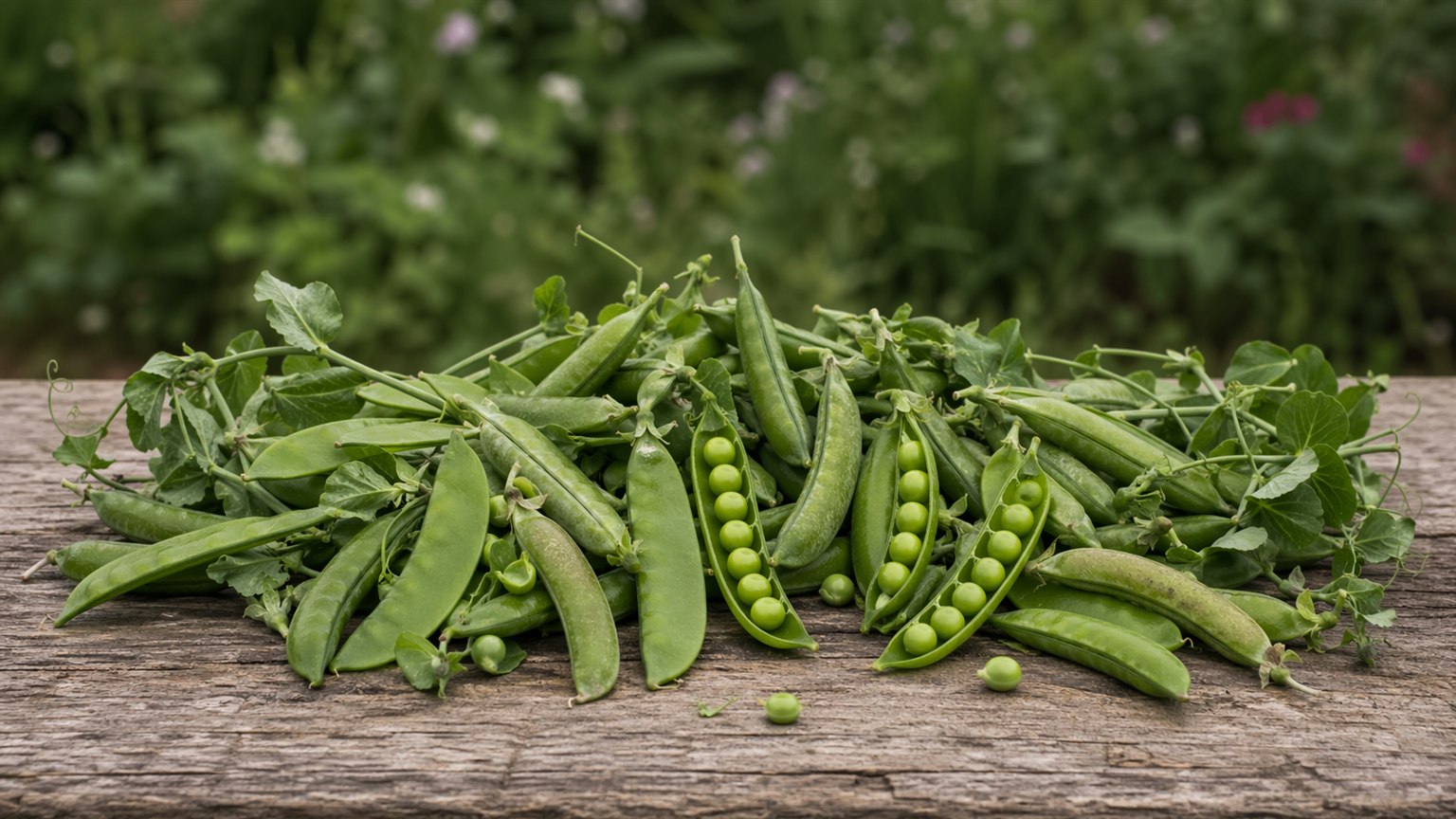
Peas
Peas are a short-season spring crop where freshness matters. Shelling peas, sugar snap peas, and snow peas all taste sweetest soon after harvest and cook very quickly.
-
 Produce
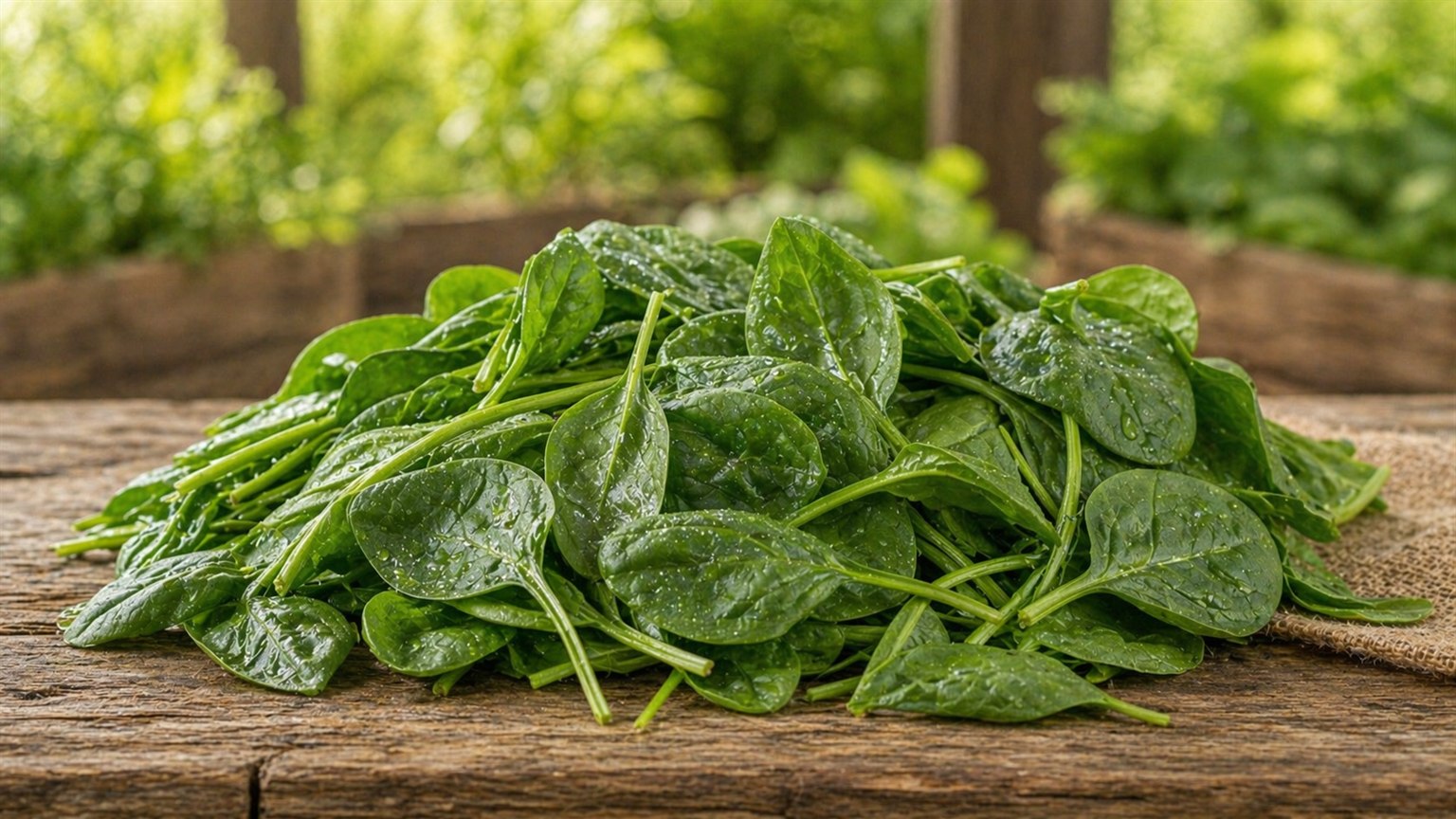
Spinach
Spinach is one of the most nutritionally dense vegetables at any farm stand, and one of the most season-dependent — spring and fall spinach is sweet and tender, while summer heat pushes it to bolt and turn bitter.…
-
 Produce
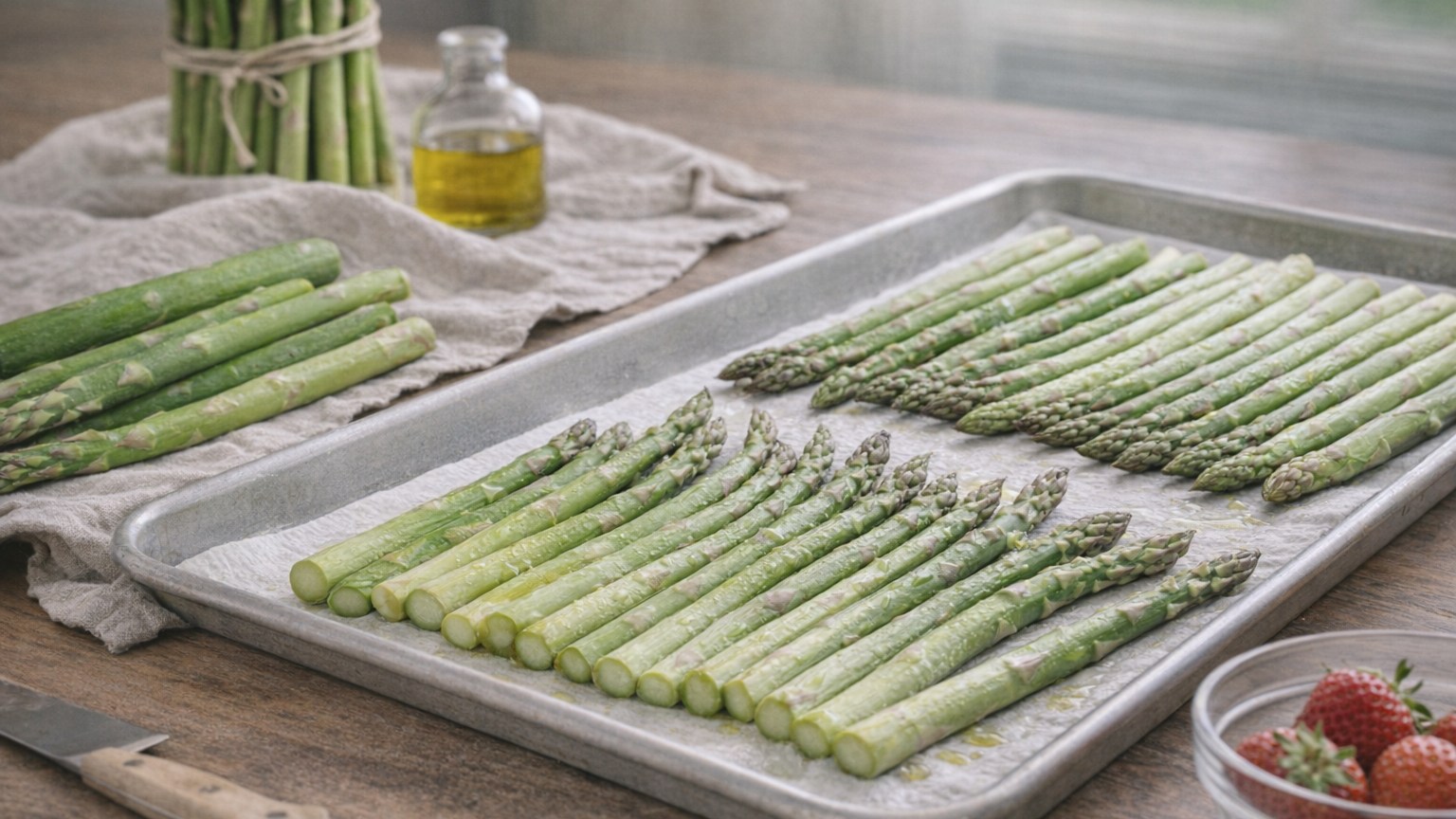
What is asparagus and how to cook it
Asparagus is one of the clearest signs of spring because it is tender, quick-cooking, and best when treated simply. The trick is to stop cooking it as soon as it is just done.
-
Guide
The best local foods to bring to a gathering
Whether it is a dinner party, a potluck, or a holiday table, bringing food from a local farm makes a stronger impression than anything from a grocery store shelf.
-
 Produce
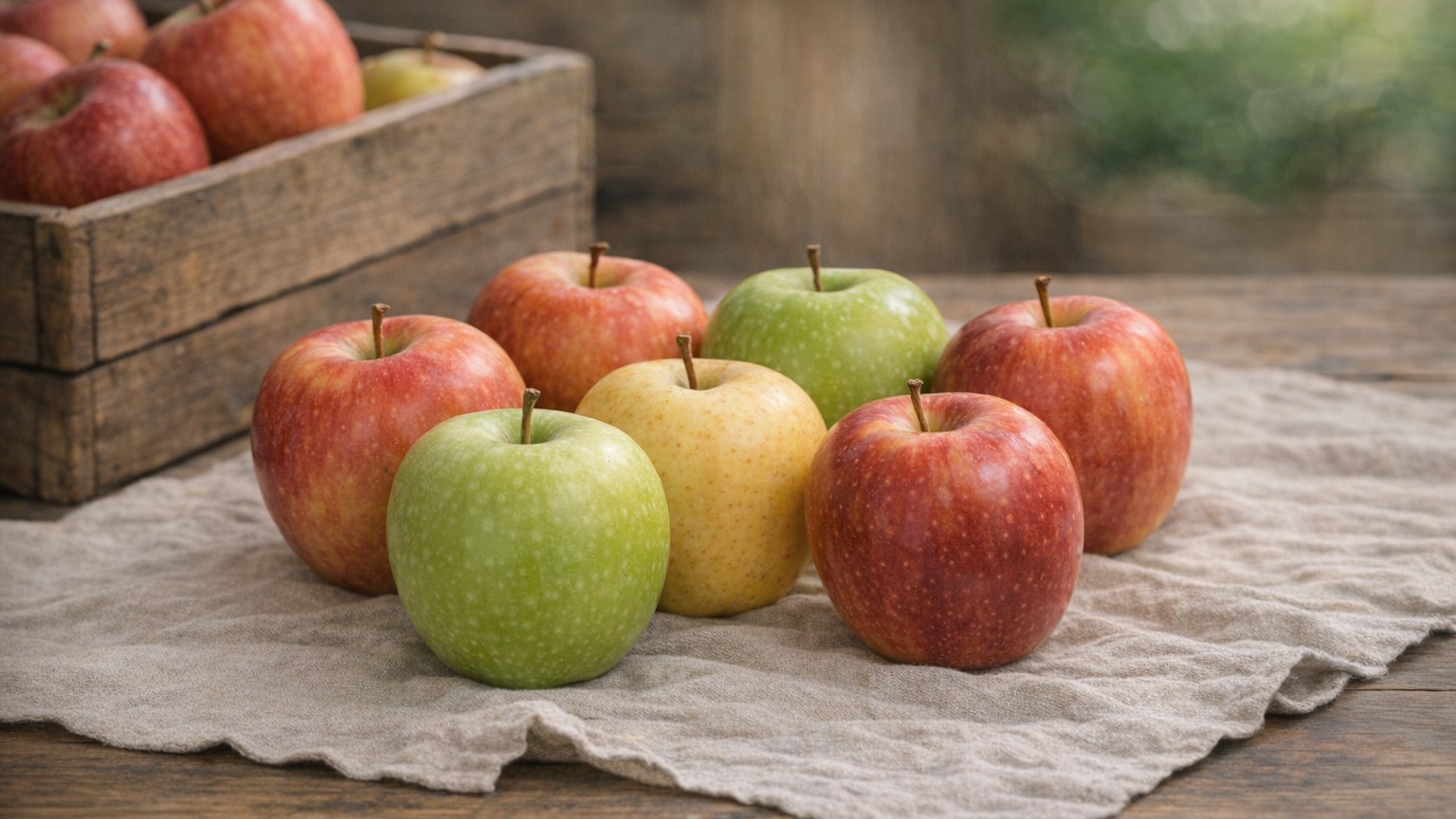
Apples
Apples are one of the most versatile produce staples — available from late summer through spring storage, with variety differences that actually matter for how you cook with them.
-
Guide
Why local food platforms need strong buyer communities
A platform without an active buyer community is just a website. The health of the whole local food ecosystem depends on buyers who show up regularly and producers who can count on them.
-
 Produce
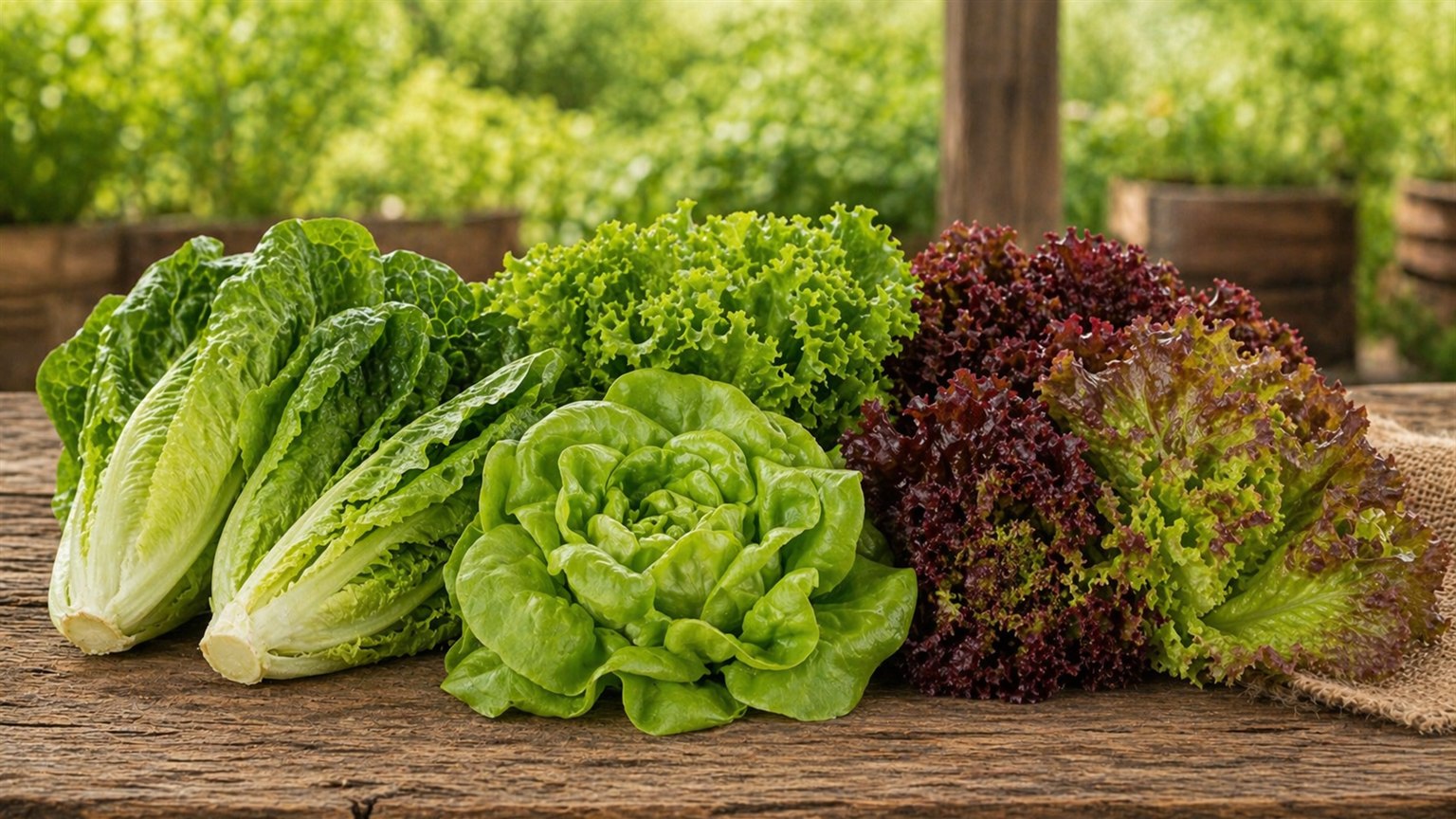
Lettuce
Lettuce changes a lot by type: romaine is crisp, butter lettuce is soft, leaf lettuce is tender, and iceberg is all crunch. Knowing the difference makes salads easier and waste less likely.
-
 Produce
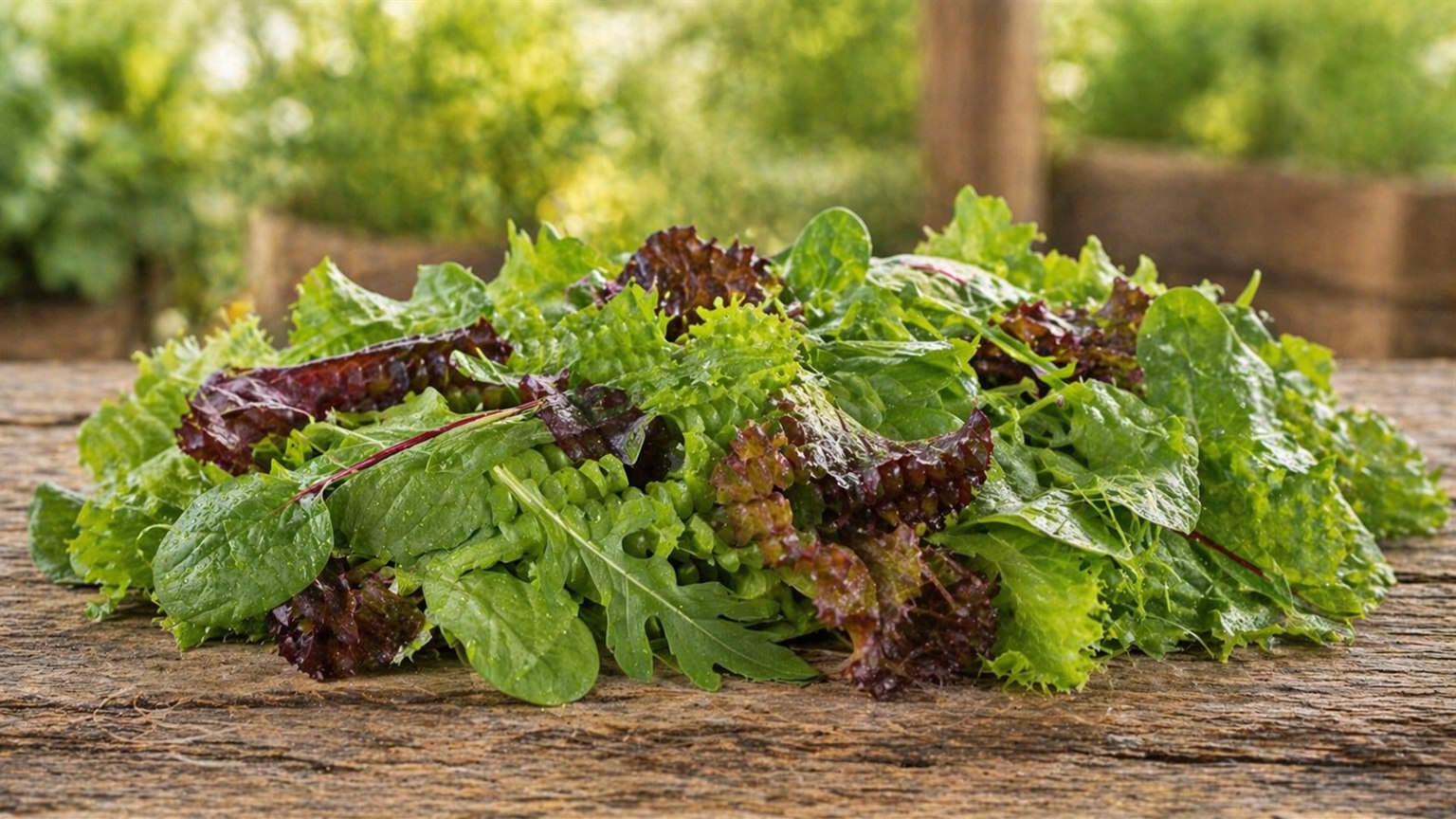
Mixed Salad Greens
Mixed salad greens from a farm stand — loose-leaf lettuces, arugula, spinach, and more, harvested that morning — bear no resemblance to the washed and bagged mixes that have been sitting in a bag for a week. This is the…
-
 Produce
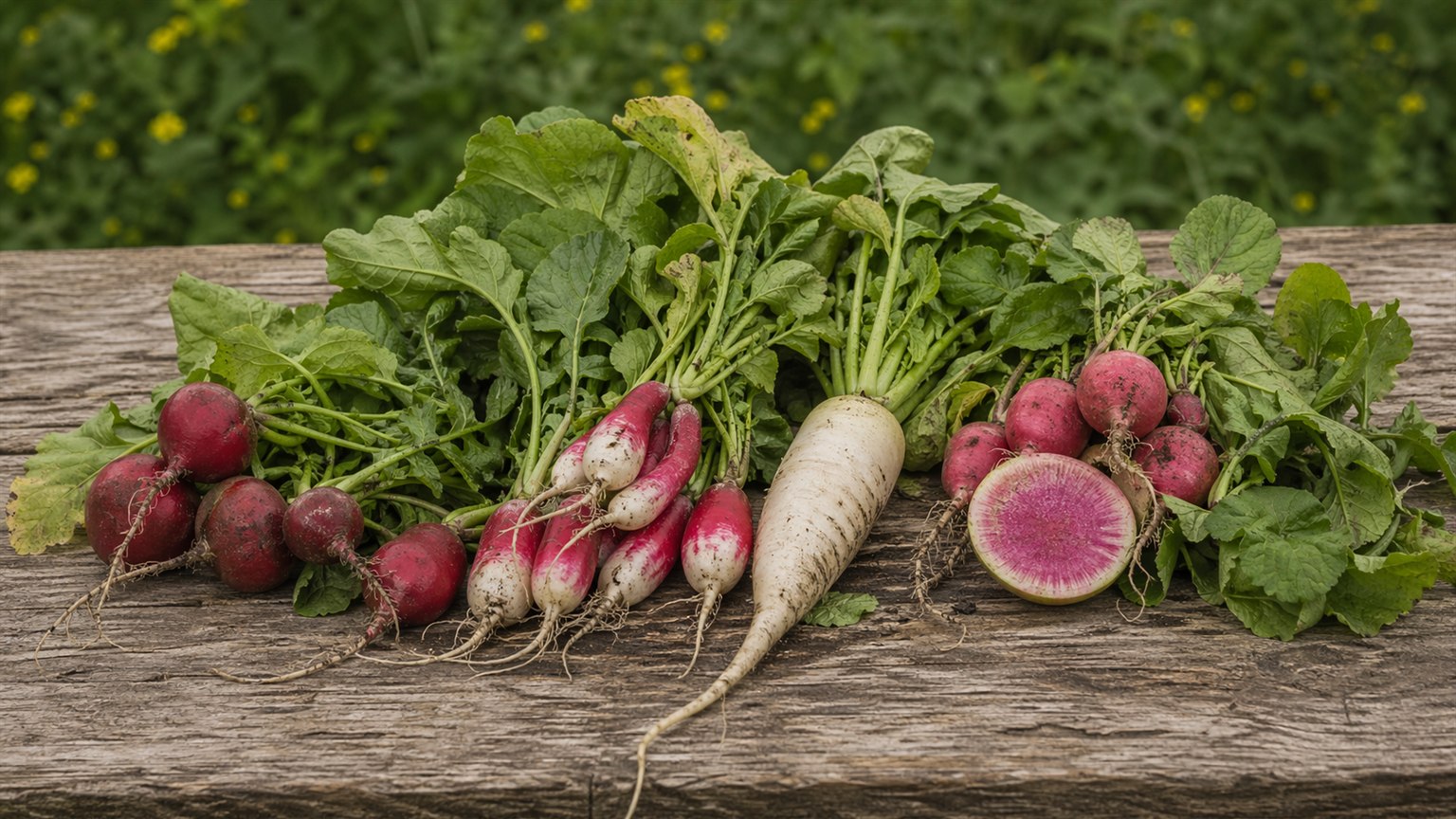
Radishes
Radishes are crisp, peppery roots that arrive early in the growing season and return in fall. They are excellent raw, quick-pickled, roasted, or served simply with butter and salt.
-
Blog
This week in food and farming: April 18, 2026
As of April 18, 2026, the most useful food-and-farming updates are about mixed cost pressure, planting intentions, and specialty-crop reporting deadlines. Here is what changed and what to do with it this week.
-
Guide
Best winter staples to buy from small farms
Winter local farm buying is less about variety and more about quality staples. These are the items most worth seeking out from small producers during the cold months.
-
Guide
What to buy from local farms in winter
Winter is quieter on the farm, but local buying doesn't have to stop. Here's what's genuinely available from small producers during the cold months and how to make the most of it.
-
Guide
Should you wash produce before storing?
Usually, no. Most produce keeps better when it is washed right before use rather than before storage, especially if there is any chance moisture will remain on the surface.
-
 Collective
Weekly Best Buys — April 17, 2026
Five things worth buying local this week. Asparagus is in, strawberries aren't, eggs are always right, and two more.
-
Guide
How to buy local food on a budget
Buying local does not have to mean spending more. With a few practical shifts in what you buy, when you buy it, and how much you order at once, you can make local food work for almost any grocery budget.
-
 Produce
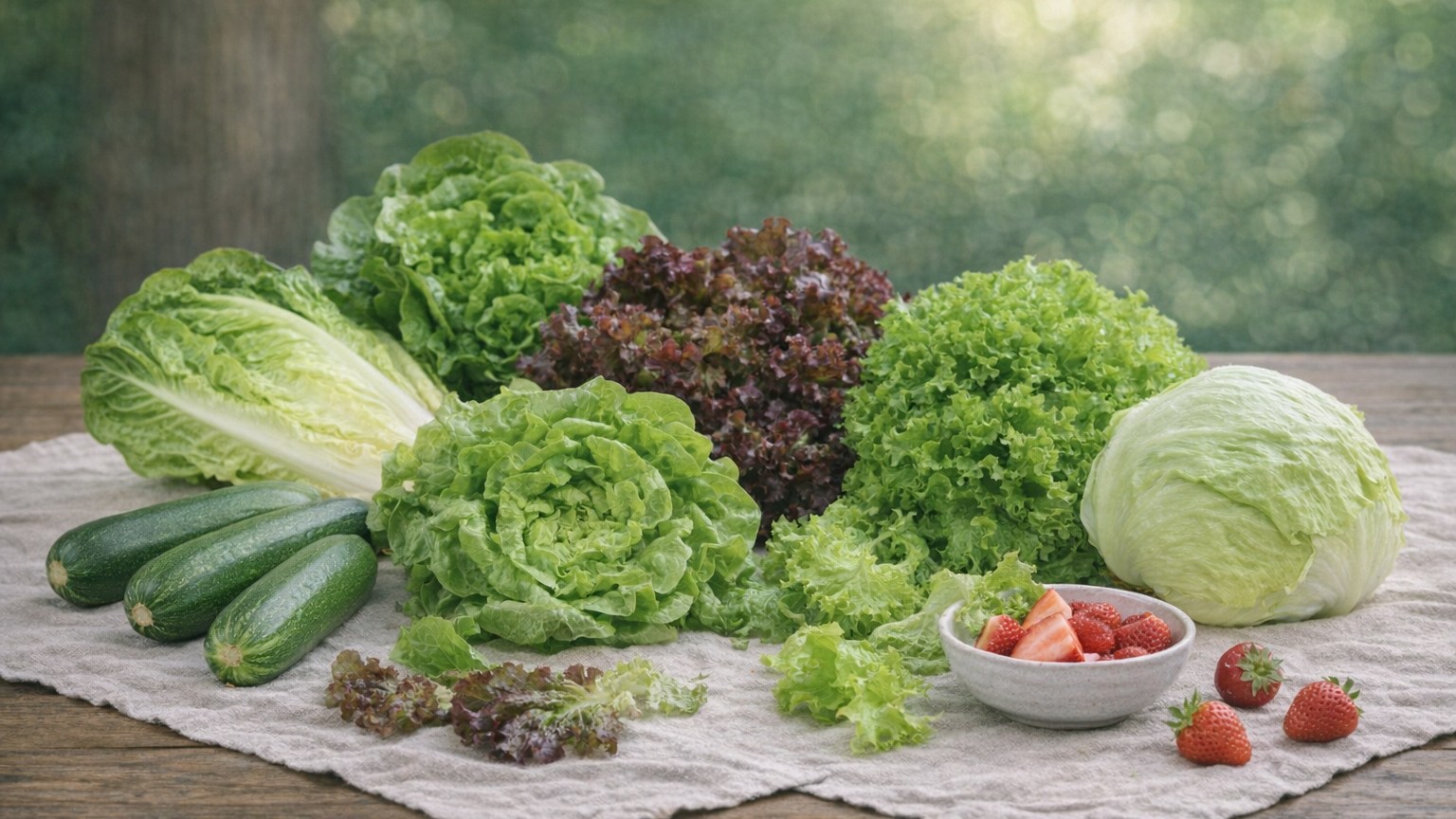
What is lettuce? Types explained
Lettuce is not just one thing. Different lettuce types bring different texture, bitterness, sweetness, and durability to the bowl.
-
Guide
How to shop local even when it is cold outside
Winter doesn't have to mean the end of local food buying. With a few simple adjustments, you can keep supporting small farms and eating well from local sources all through the cold months.
-
Recipe
Fresh salsa with tomatoes
One of the fastest, best-tasting ways to use ripe summer tomatoes without turning on the oven — ripe tomatoes, a little sharpness, a little heat, and enough salt to bring it together.
-
Guide
Behind the Harvest: The Hidden Work That Brings Local Food to Your Door
Harvest is only the beginning of a complex final sprint on a small farm. Understanding what happens between picking and delivery reveals how much care goes into every local food order.
-
 Produce
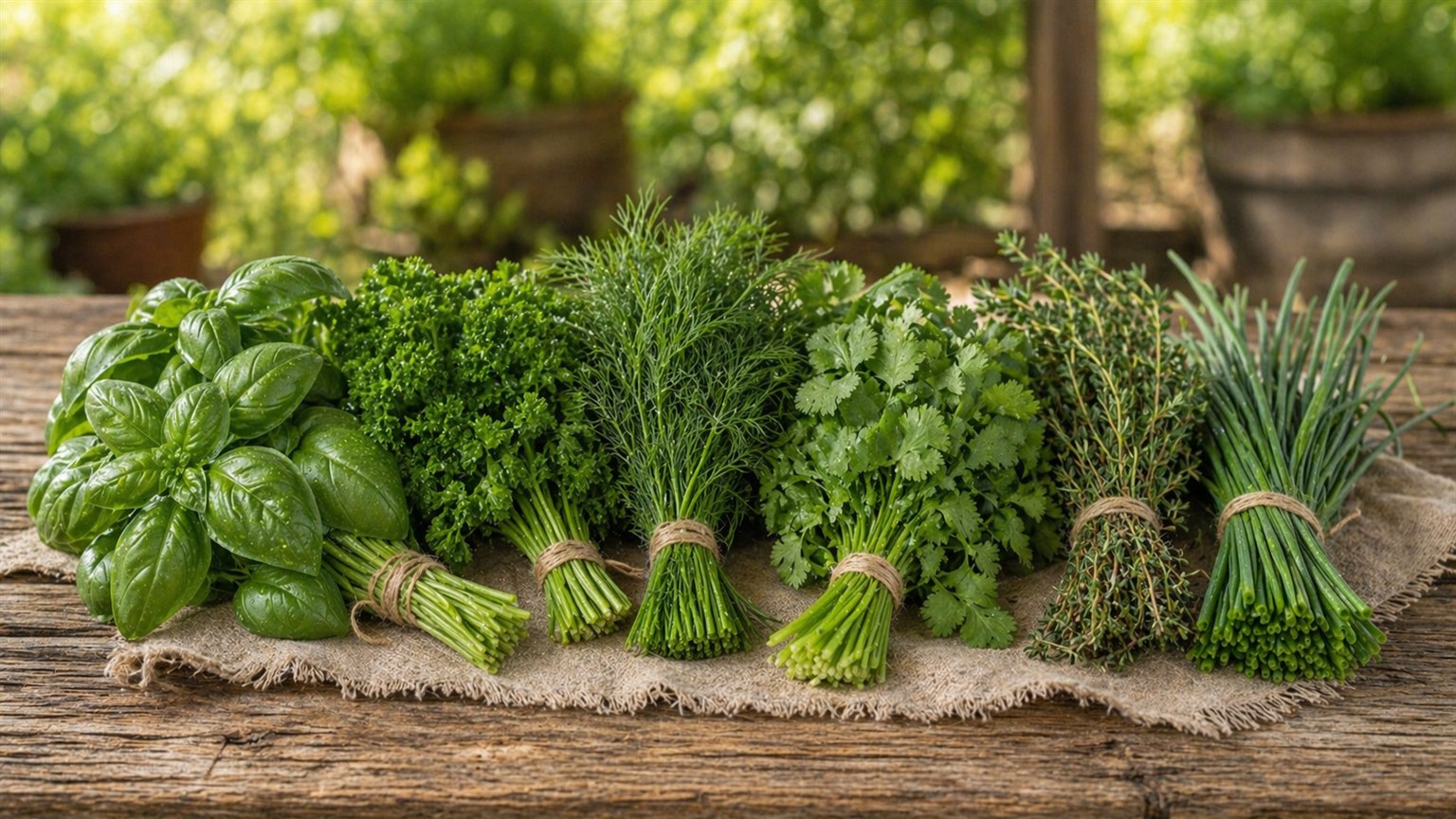
Fresh Herbs
Fresh herbs are the fastest way to transform a dish. A handful of basil, a few sprigs of thyme, or a tablespoon of chopped parsley changes a plate in a way that dried herbs simply cannot replicate — and local farms grow…
-
Guide
Top Products to Sell Locally — High Margin and High Demand
Not all farm products sell equally well through direct channels. Some categories consistently command strong prices and high buyer interest at farmers markets and through CSAs.
-
Guide
Why local produce can make healthy eating easier
Healthy eating is easier when the food you bring home is genuinely good. Local produce, because it tends to be fresher and more flavorful, removes some of the friction that makes eating well feel like work.
-
Guide
Comfort meals built around local winter ingredients
Winter farm ingredients — root vegetables, dried beans, cured meats, and storage squash — are exactly what you need for the kind of slow, satisfying cooking the season calls for.
-
Guide
Grocery store produce vs farm-fresh produce
Grocery store produce and farm-fresh produce are not the same thing — and understanding the differences can help you make better decisions for your kitchen and your budget.
-
Guide
How to Meal Plan Around Seasonal Produce
Seasonal eating doesn't have to mean chaos in the kitchen. Learn how to build a flexible meal plan that works with what's fresh, local, and delicious right now.
-
Guide
How to shop at a farmers market
Shopping at a farmers market gets easier when you stop trying to buy everything and start shopping for a few useful meals. A simple plan makes the whole experience better.
-
Guide
How to shop small for holiday meals
Shopping from local farms and small producers for holiday meals takes a little more planning but results in food that is more meaningful, more flavorful, and more connected to your community.
-
 Produce
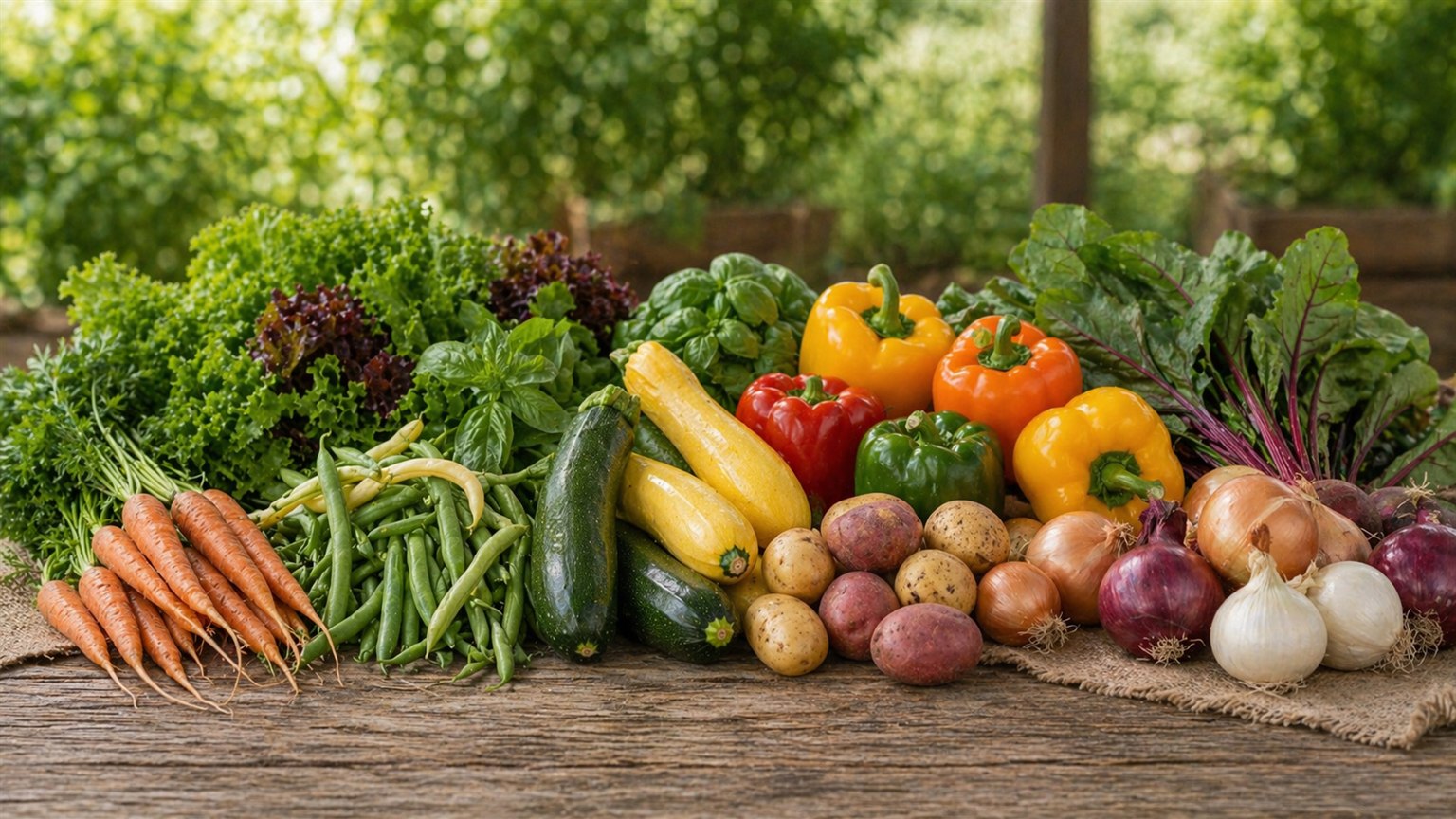
Mixed Seasonal Vegetables
Cooking with whatever is in season locally — rather than building a recipe and then hunting for ingredients — is how home cooks ate for most of human history. It is also how you get the best-tasting food for the least…
-
 Produce
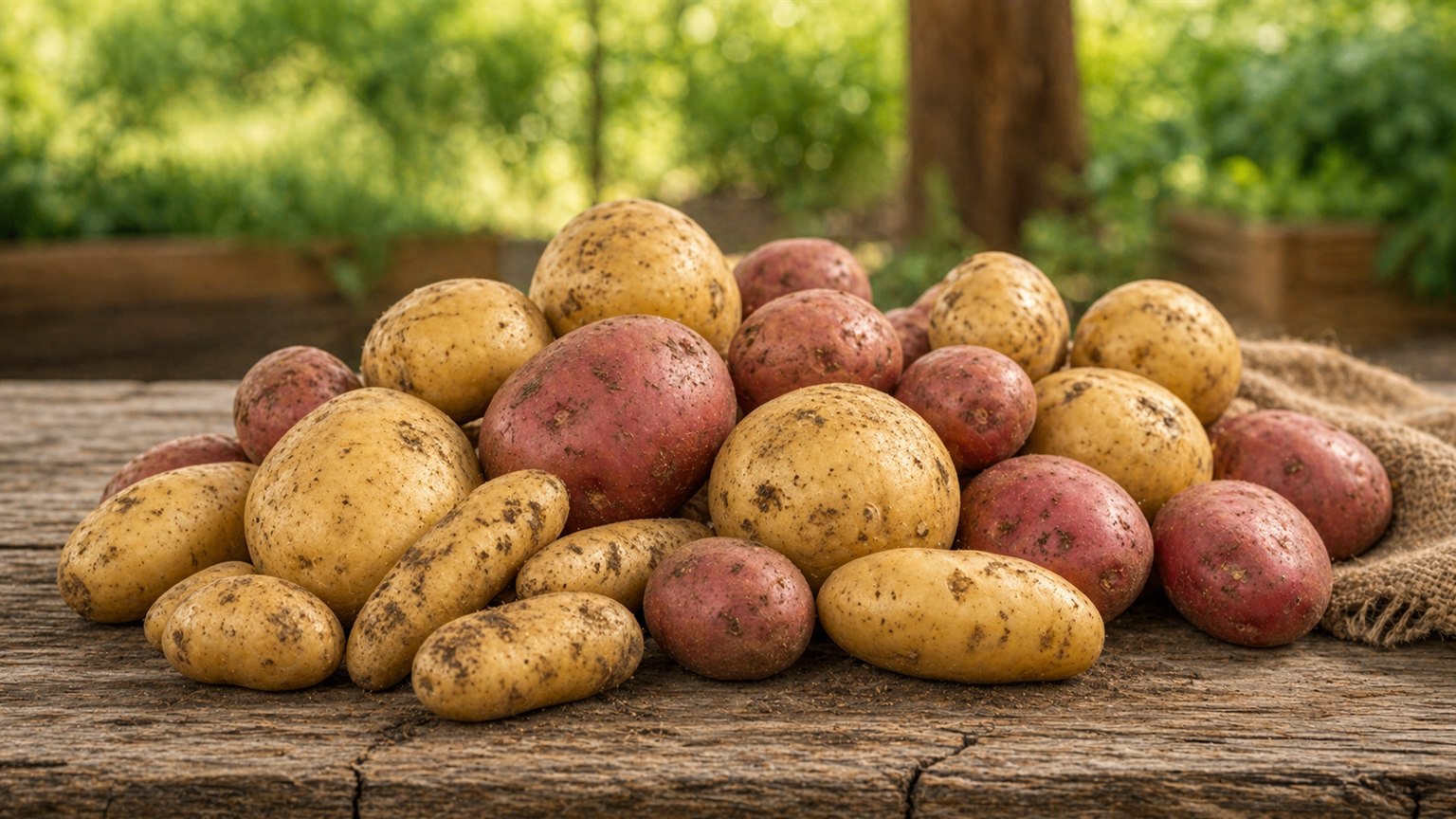
Potatoes
The variety of potato you choose matters far more than most recipes acknowledge. A Russet, a Yukon Gold, and a waxy red potato behave completely differently in the same preparation — and a freshly dug new potato from a…
-
Guide
The best high-value items to buy from local farms
Not everything at a local farm delivers equal bang for your buck. These are the items where buying direct genuinely pays off in quality, freshness, and price relative to what you would find at a grocery store.
-
Guide
What seasonal eating looks like in winter
Winter seasonal eating is not about deprivation — it is a distinct approach to food built around storage crops, proteins, preserved goods, and the slow cooking that cold weather suits.
-
Guide
What to buy from local farms in fall
Fall is one of the most rewarding seasons to shop from local farms — winter squash, root vegetables, apples, brassicas, and storage crops are all at peak quality and worth stocking up on before winter.
-
Guide
Why seasonal eating makes sense
Eating seasonally isn't about following a food trend — it's a practical way to get better flavor, lower prices, and more variety over the course of a year.
-
Guide
Farm box vs traditional grocery delivery
Farm boxes and grocery delivery services both bring food to your door, but they work very differently. Here is a clear comparison to help you decide which fits your life.
-
Guide
How stronger local food networks benefit everyone
Strong local food networks create value that extends well beyond the individual transactions they support. From economic resilience to community cohesion, here is how robust regional food systems benefit all members of…
-
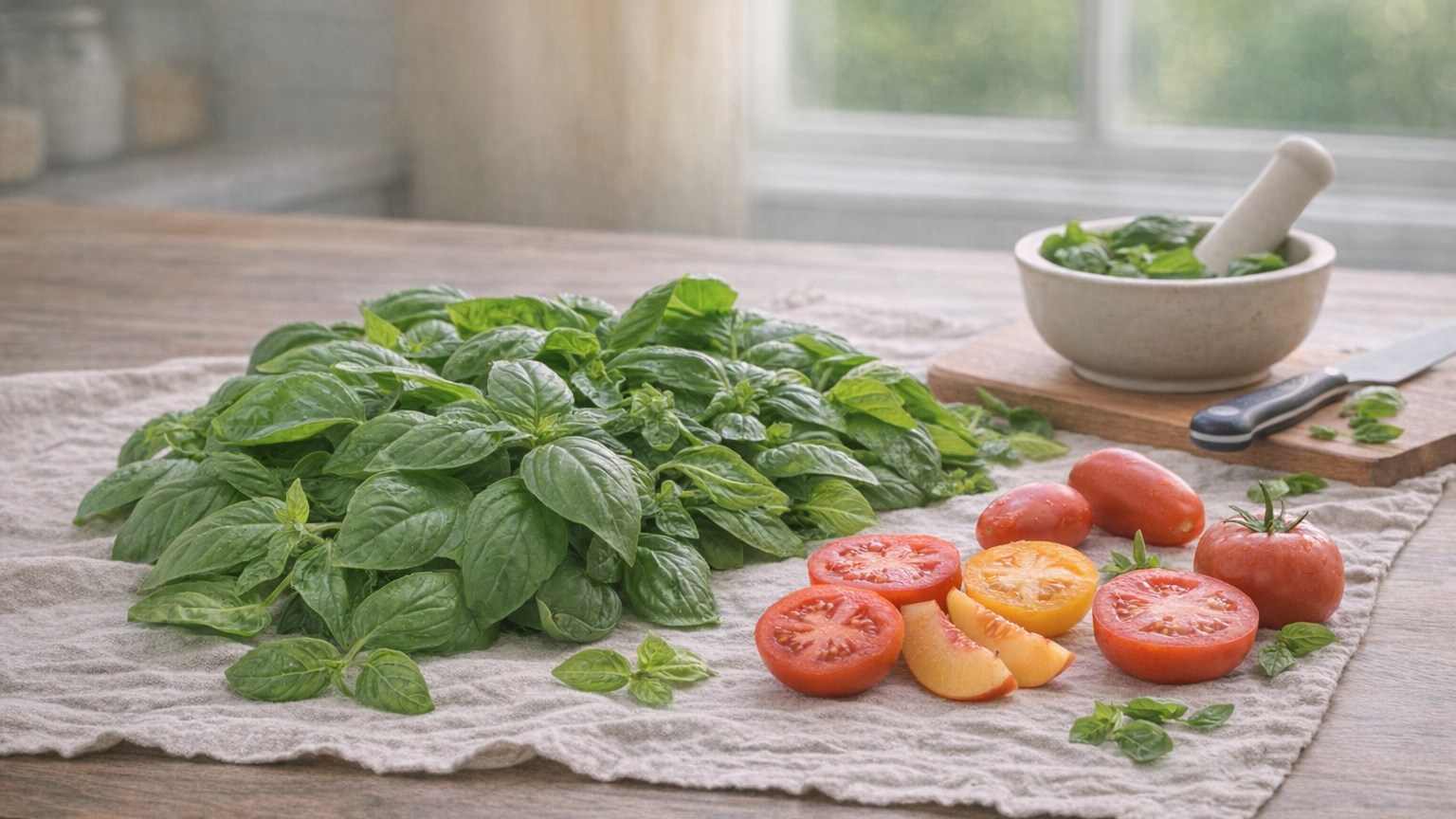 Produce
What is basil and how to use it
Basil is a tender herb with a strong fresh aroma and a clear place in simple everyday cooking. A little goes a long way, but a bunch is still easy to use once you know where it fits.
-
Guide
What to do with kale
Kale is easier to use than its reputation suggests, especially when you stop saving it for one perfect salad. These ideas help you move through a bunch or bag without waste.
-
Guide
Why the future of local food needs better technology
Local food systems are strong on values but often weak on infrastructure. Better technology does not compromise what makes local food good — it makes it accessible to more people, more often.
-
Guide
How Local Food Increases Resilience Against Supply Chain Disruptions
The COVID-19 pandemic exposed how fragile centralized food supply chains can be. Local and regional food systems offer real resilience benefits — here's what the data shows.
-
Guide
How to Use a Farm Box Without Wasting Anything
A weekly farm box is one of the best ways to eat locally — but only if you actually use everything in it. Here's how to make the most of every leaf, stem, and root.
-
Guide
Why holidays are a great time to buy direct
Holiday seasons are one of the best times to buy directly from local producers — the products are at their best, the timing is meaningful, and the experience of buying from a real person adds something to the occasion.
-
Guide
Bulk Produce for Canning and Freezing — Is It Economical?
Buying bulk produce from local farms during peak season — for canning, freezing, and preserving — can be one of the best per-pound values in local food. Here's how the math works and where to start.


