
Search
Recipes, produce guides, seasonal articles, and Collective briefings — one place.
60 results for "pecans"
-
 Produce
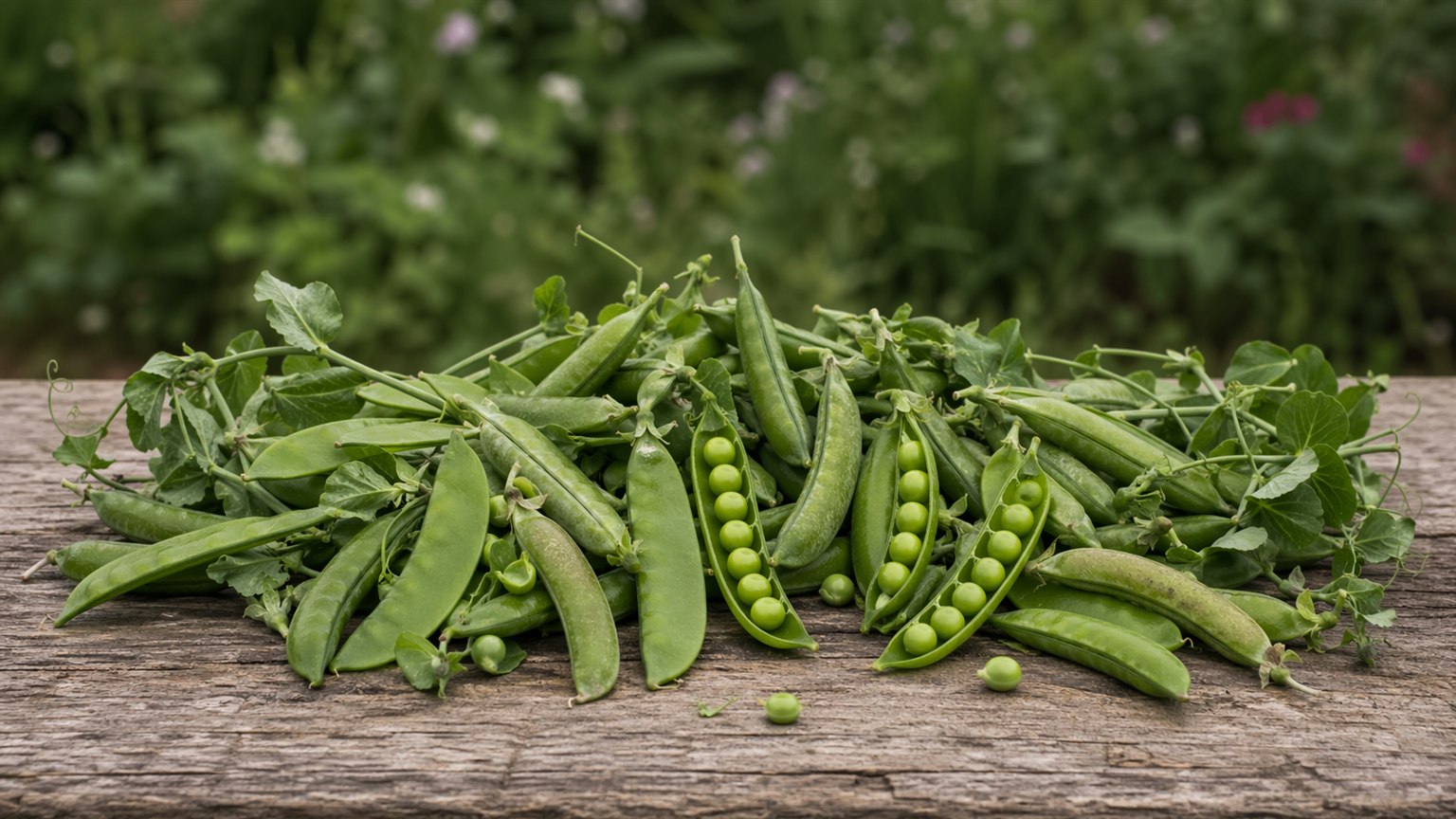
Peas
Peas are a short-season spring crop where freshness matters. Shelling peas, sugar snap peas, and snow peas all taste sweetest soon after harvest and cook very quickly.
-
 Recipe
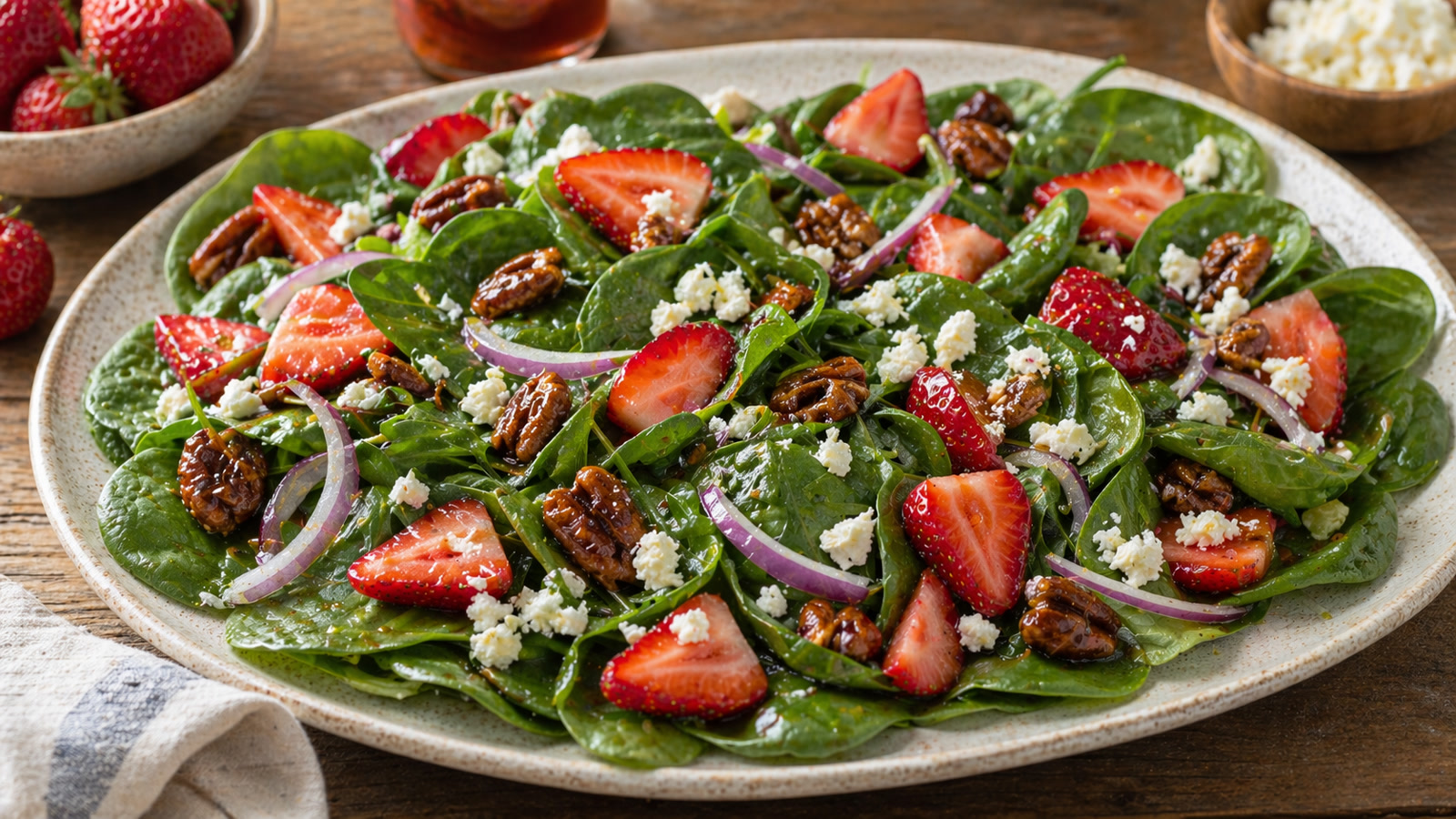
Strawberry spinach salad
Sweet strawberries, baby spinach, feta, and candied pecans in a bright poppy seed vinaigrette — the spring brunch salad that disappears first.
-
 Produce
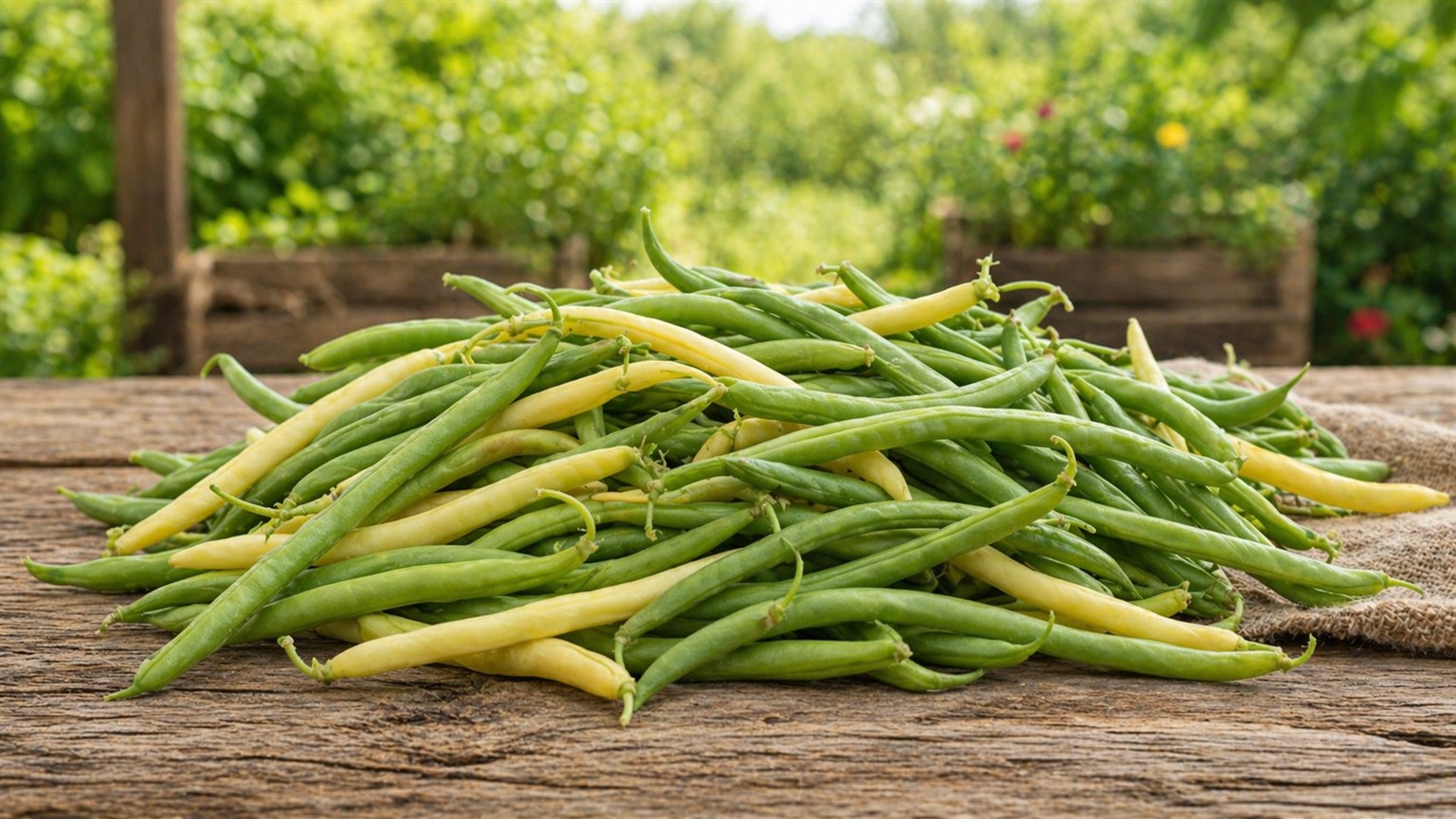
Green Beans
A fresh green bean from a summer farm stand — snapping cleanly, bright and grassy — is a completely different experience from the limp, dull beans at the supermarket. Green beans are one of the most improved by local…
-
 Produce
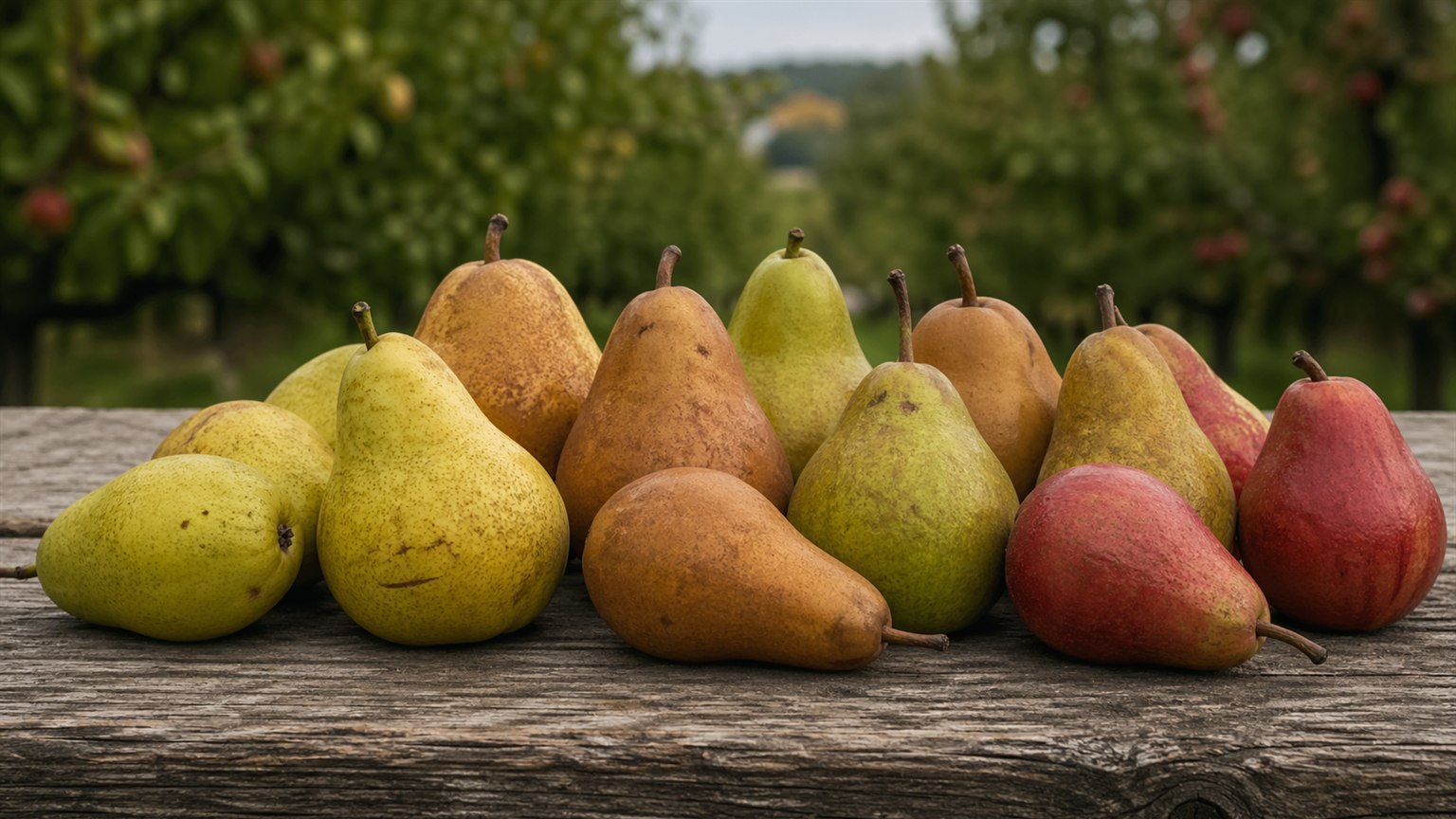
Pears
Pears are fall fruit that ripen after harvest, which makes timing matter. Bartlett, Bosc, Anjou, Comice, and Asian pears all have different textures and best uses.
-
Guide
What to do with green beans
Green beans are easy to use up when you keep the cooking simple. These ideas help you move through a surplus without ending up with limp beans in the crisper.
-
 Recipe
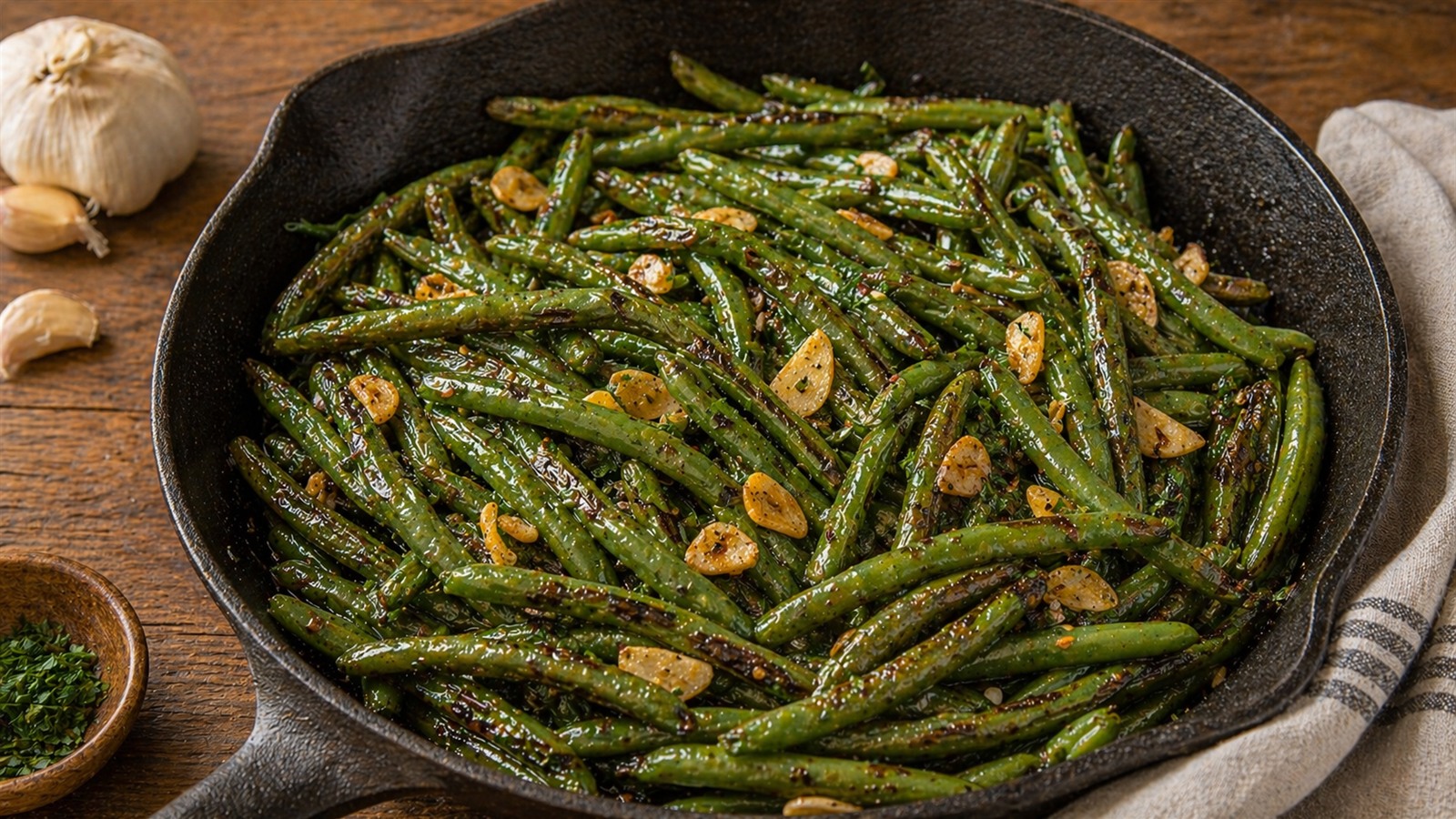
Garlic green beans skillet
A quick skillet side that makes fresh green beans weeknight-friendly — blistered in olive oil, finished with garlic, and on the table in under 15 minutes.
-
Guide
What Community-Centered Commerce Means to Us
Commerce can be designed to serve communities rather than extract from them. Here is what that means in practice — and why it shapes every decision we make at CollectiveCrop.
-
Guide
Fall Harvest Guide — Pumpkins, Apples, Squash, and Pears
Fall brings the most abundant and diverse local produce of the year. Here's what to look for, when to find it, and how to store and use everything from butternut squash to late-season apples.
-
Guide
What It Means to Build CollectiveCrop the Right Way
Building a platform for local food commerce the right way means making choices that serve producers and buyers — not just platform metrics. Here is what those choices look like for us.
-
Guide
What "Farm to Table" Actually Means
"Farm to table" has become one of the most overused phrases in food marketing. Here's what it originally meant, what it's come to mean, and how to tell the difference between the real thing and the label.
-
Guide
What quality really means in local commerce
Quality in local food commerce is not just about taste or appearance. It includes how products are described, how orders are fulfilled, and whether buyers can trust what they are told. All of it matters.
-
Guide
Why fresh local food often means less packaging
Conventional food distribution depends heavily on packaging to protect products over long journeys and extended shelf time. Shorter local supply chains often require far less of it — though the relationship is not…
-
 Recipe
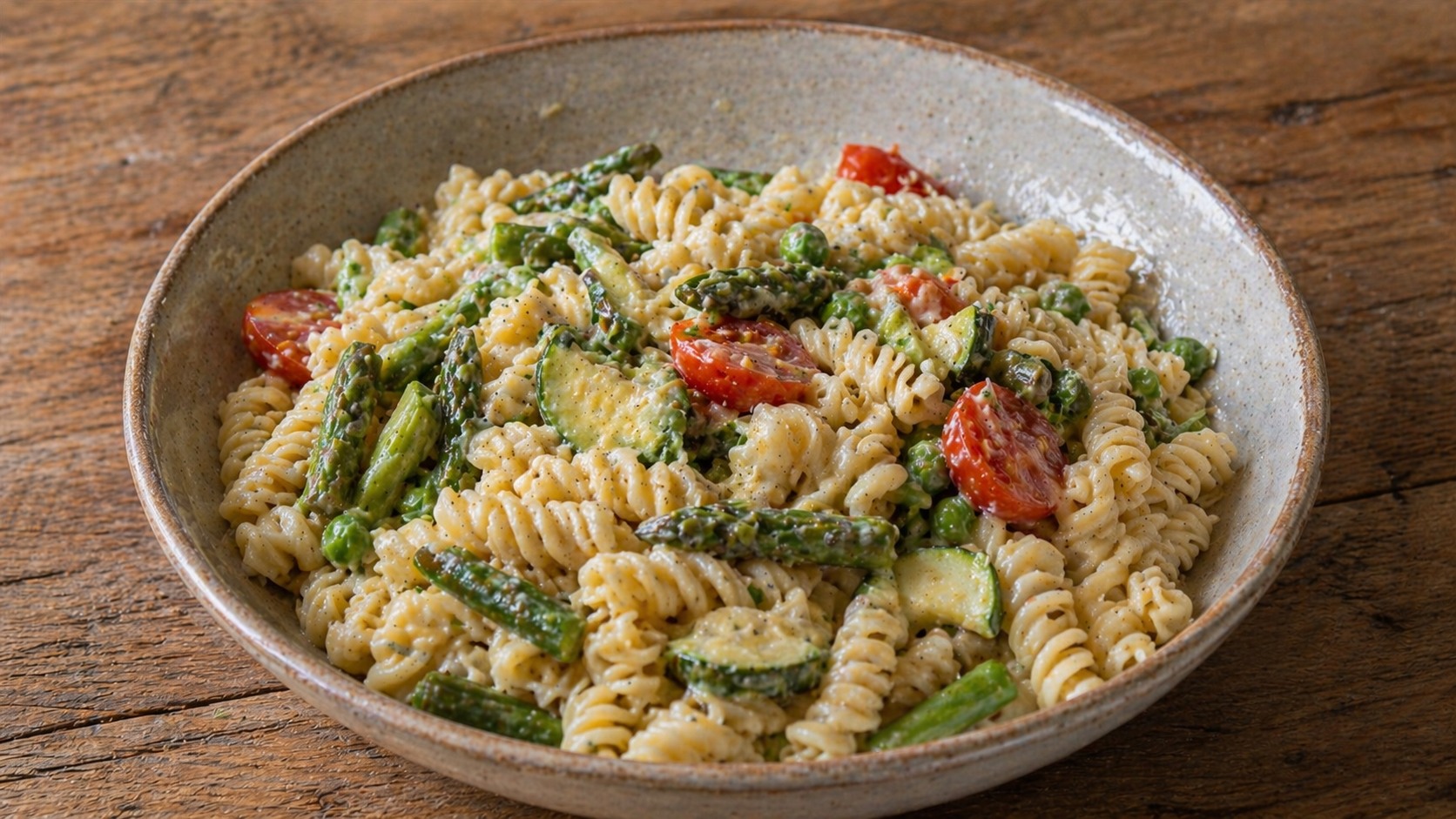
Pasta primavera
Pasta tossed with spring's best vegetables — asparagus, peas, zucchini, and cherry tomatoes — in a light Parmesan cream sauce with lemon and herbs.
-
 Recipe
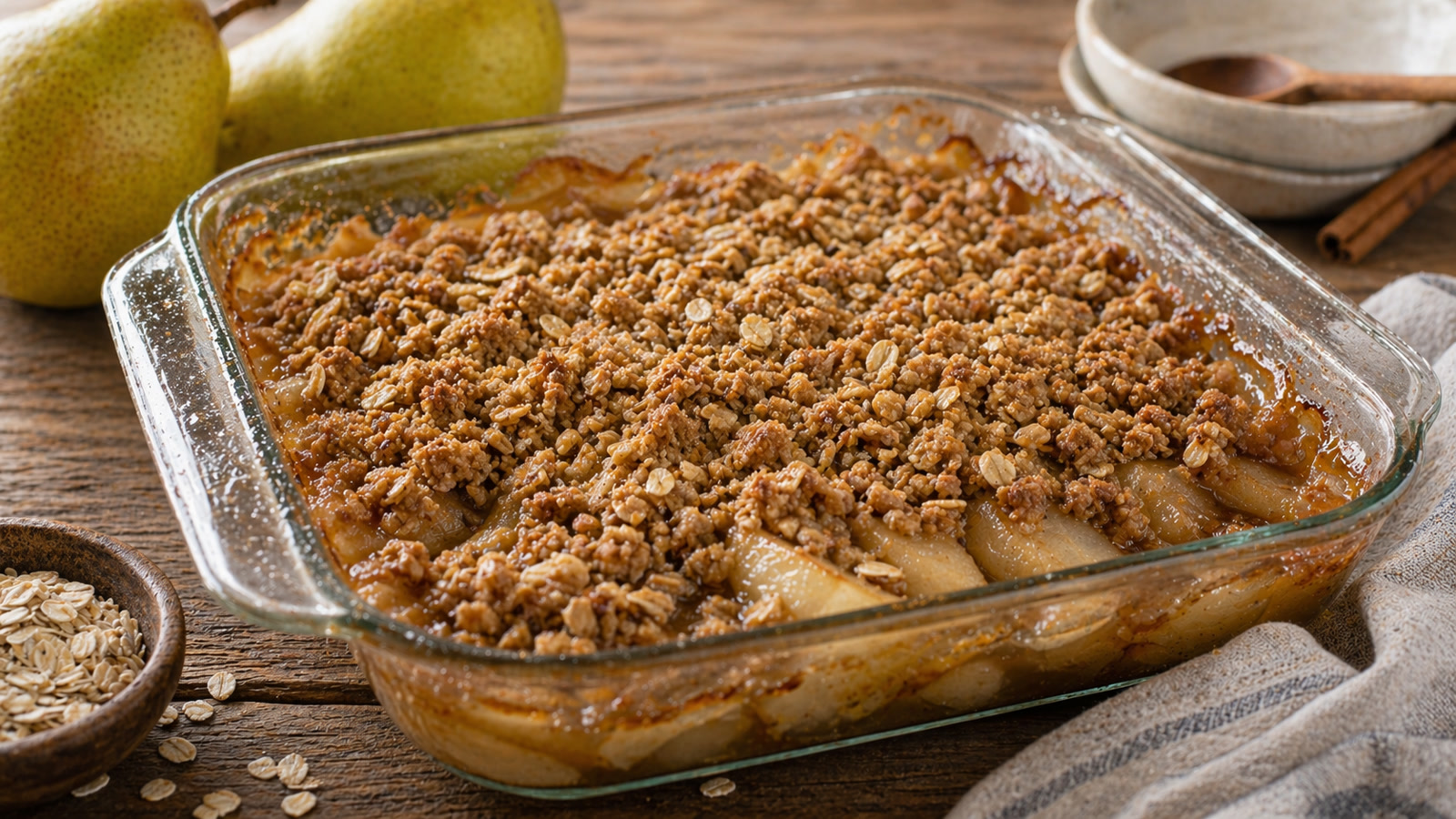
Pear crisp
Ripe pears baked under a buttery oat crumble with warm spices — a forgiving fall dessert that works with fruit too soft to eat fresh.
-
 Recipe
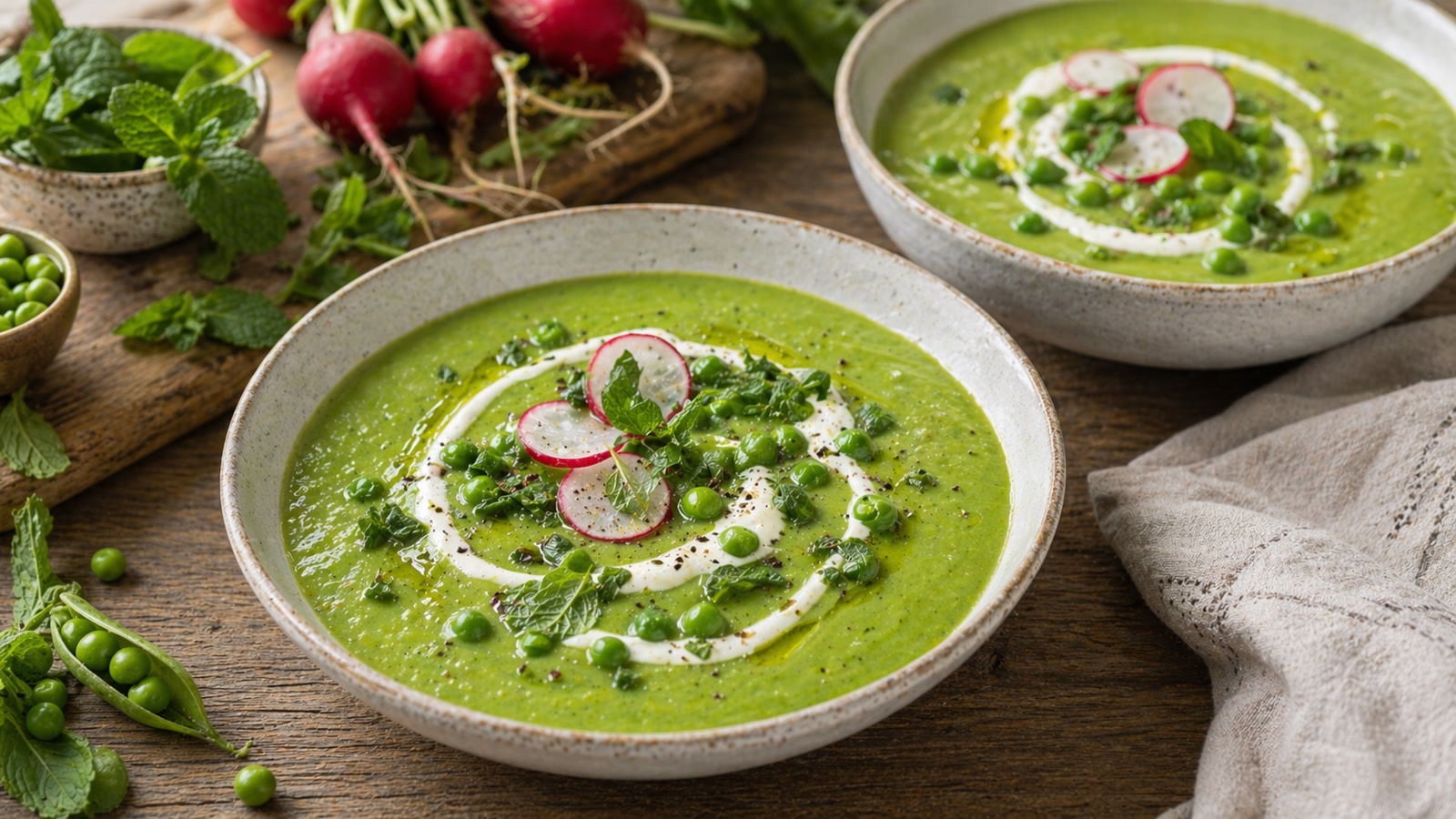
Spring pea soup with mint
A bright, silky green pea soup with fresh mint, shallots, and a swirl of crème fraîche — 25 minutes start to finish, using fresh or frozen peas.
-
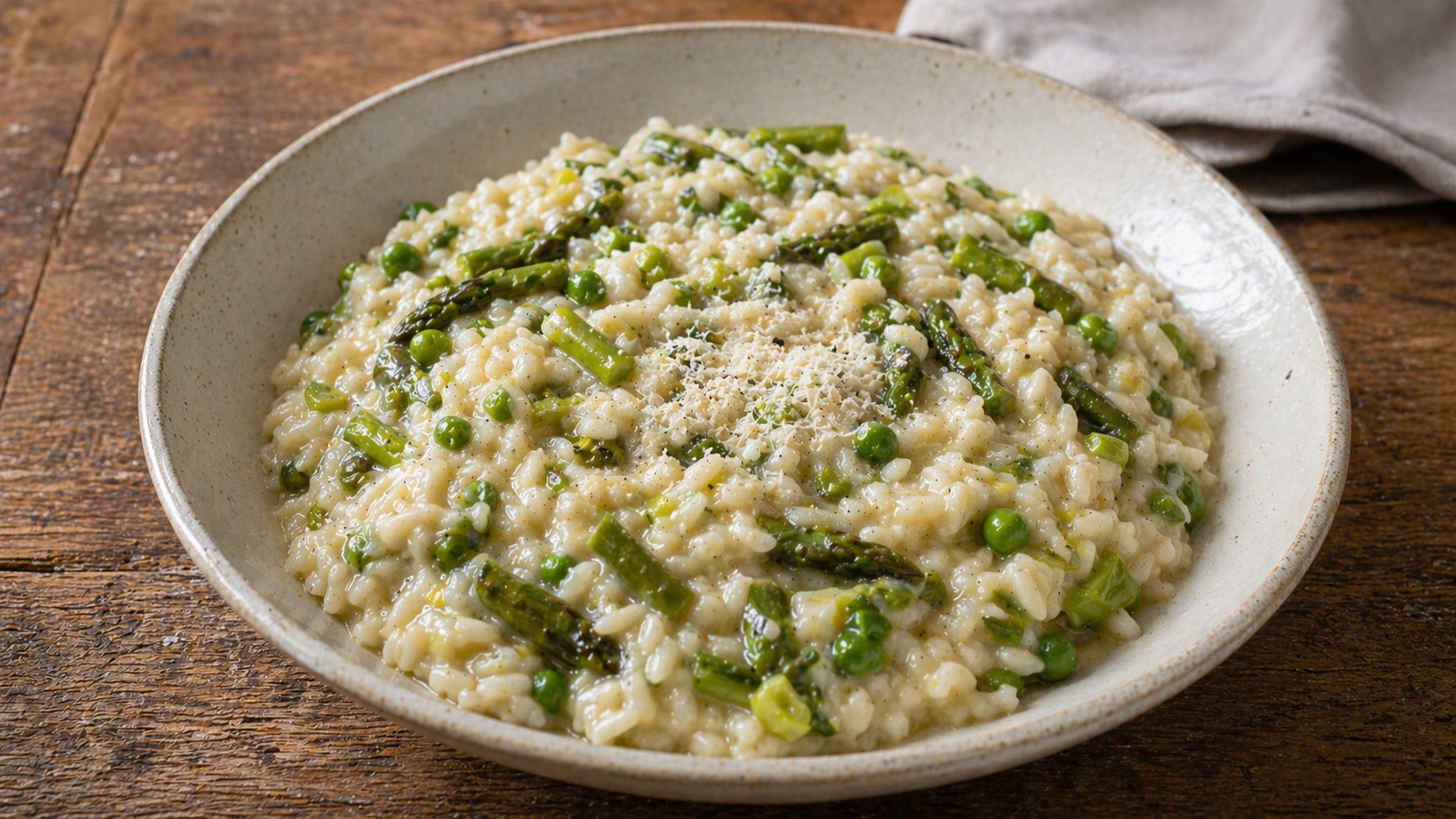 Recipe
Spring vegetable risotto
A creamy, lemon-kissed risotto studded with asparagus, peas, and spring onions — the one-pot dinner that celebrates everything green at once.
-
Guide
How Small Farm Producers Think About Quality
Quality means something specific on a small farm — and it is often very different from what the word signals on a grocery shelf. Understanding how producers define and pursue quality helps buyers know what they are…
-
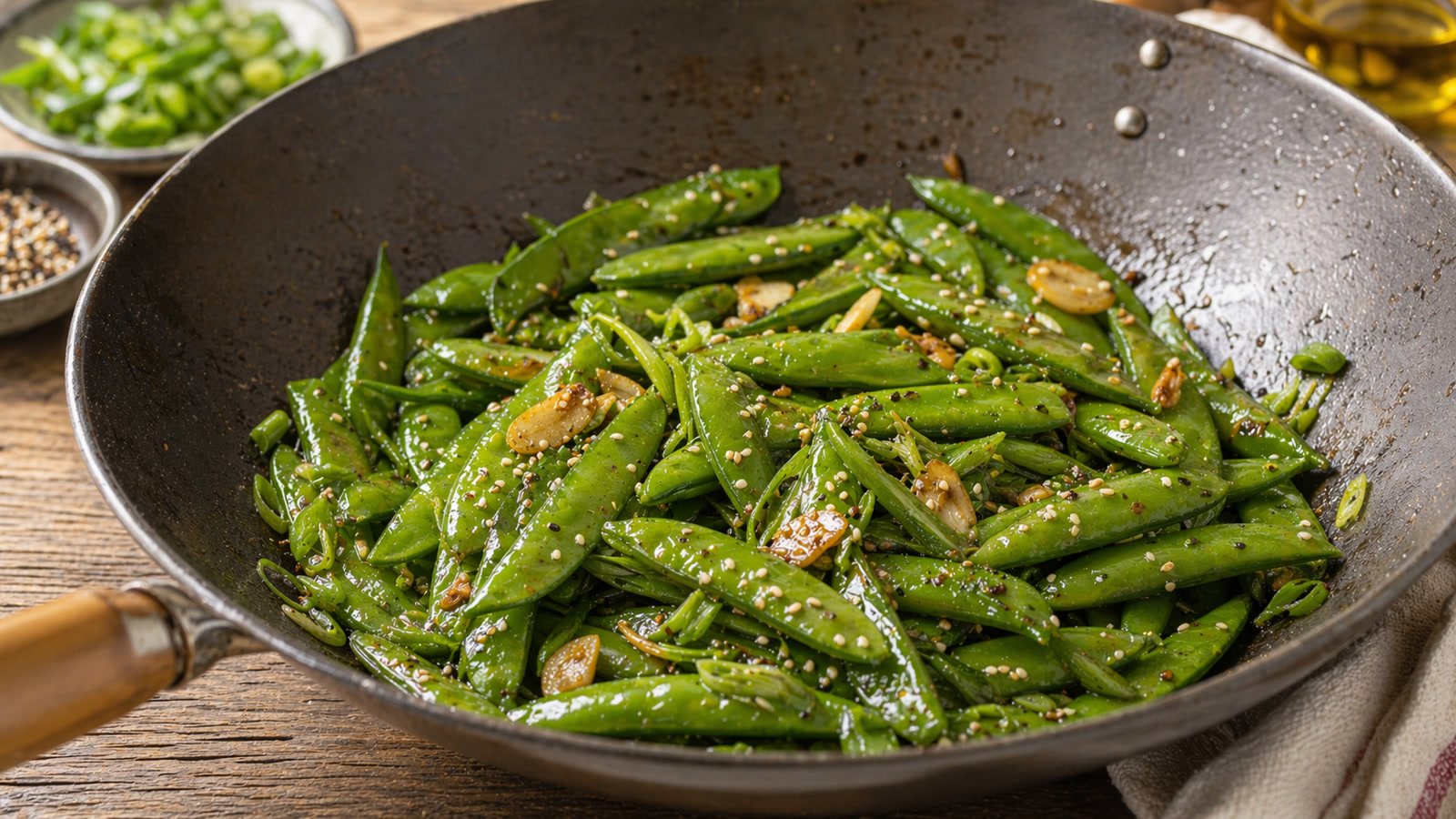 Recipe
Sugar snap pea stir-fry
Crisp-tender sugar snap peas stir-fried with garlic, ginger, and sesame — a 10-minute spring side dish that goes with everything from rice to roast chicken.
-
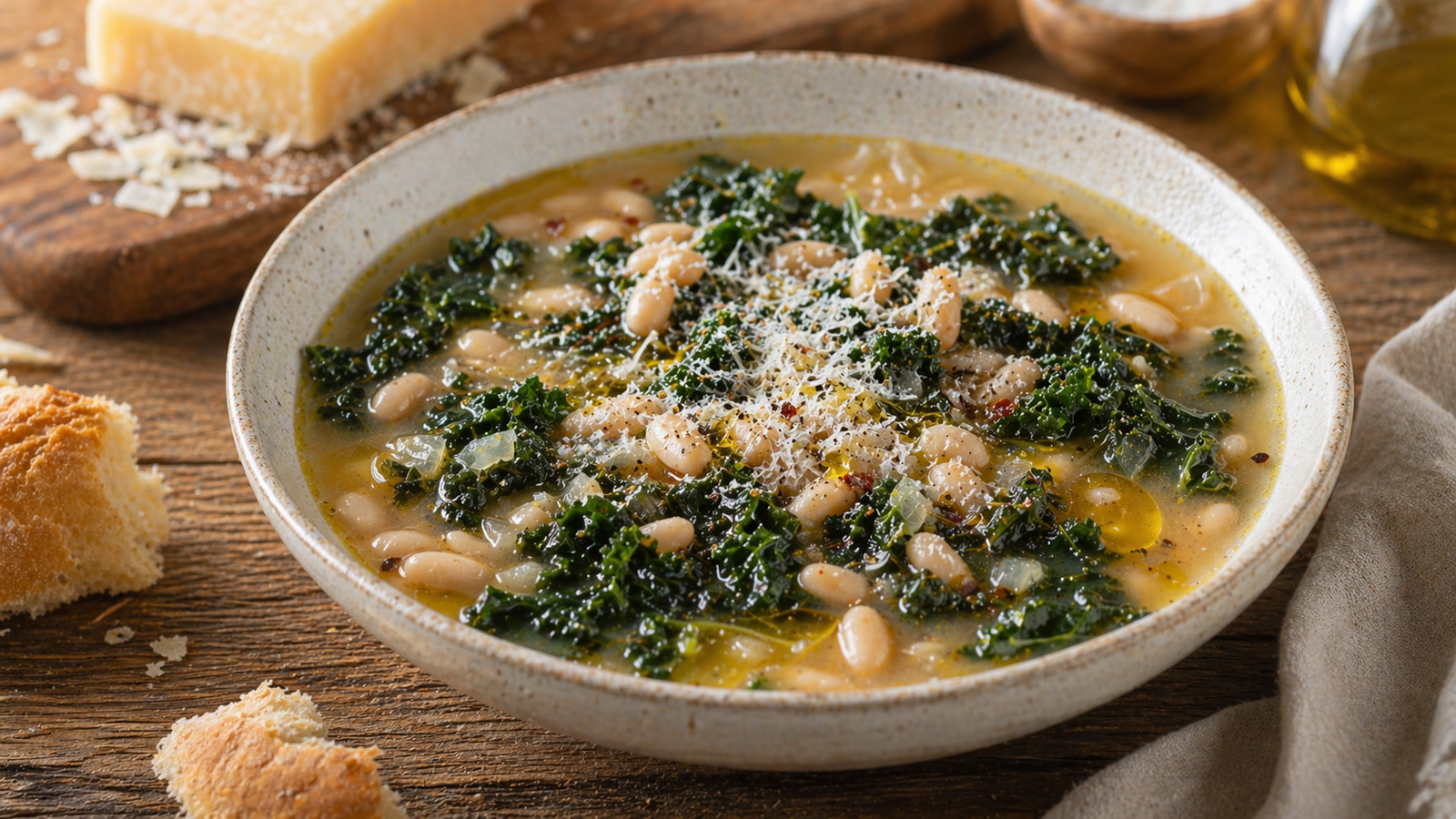 Recipe
White bean and kale soup
A rustic Tuscan-style soup with creamy white beans, hearty kale, garlic, Parmesan rind, and a lemony olive-oil drizzle — ready in 35 minutes with pantry ingredients.
-
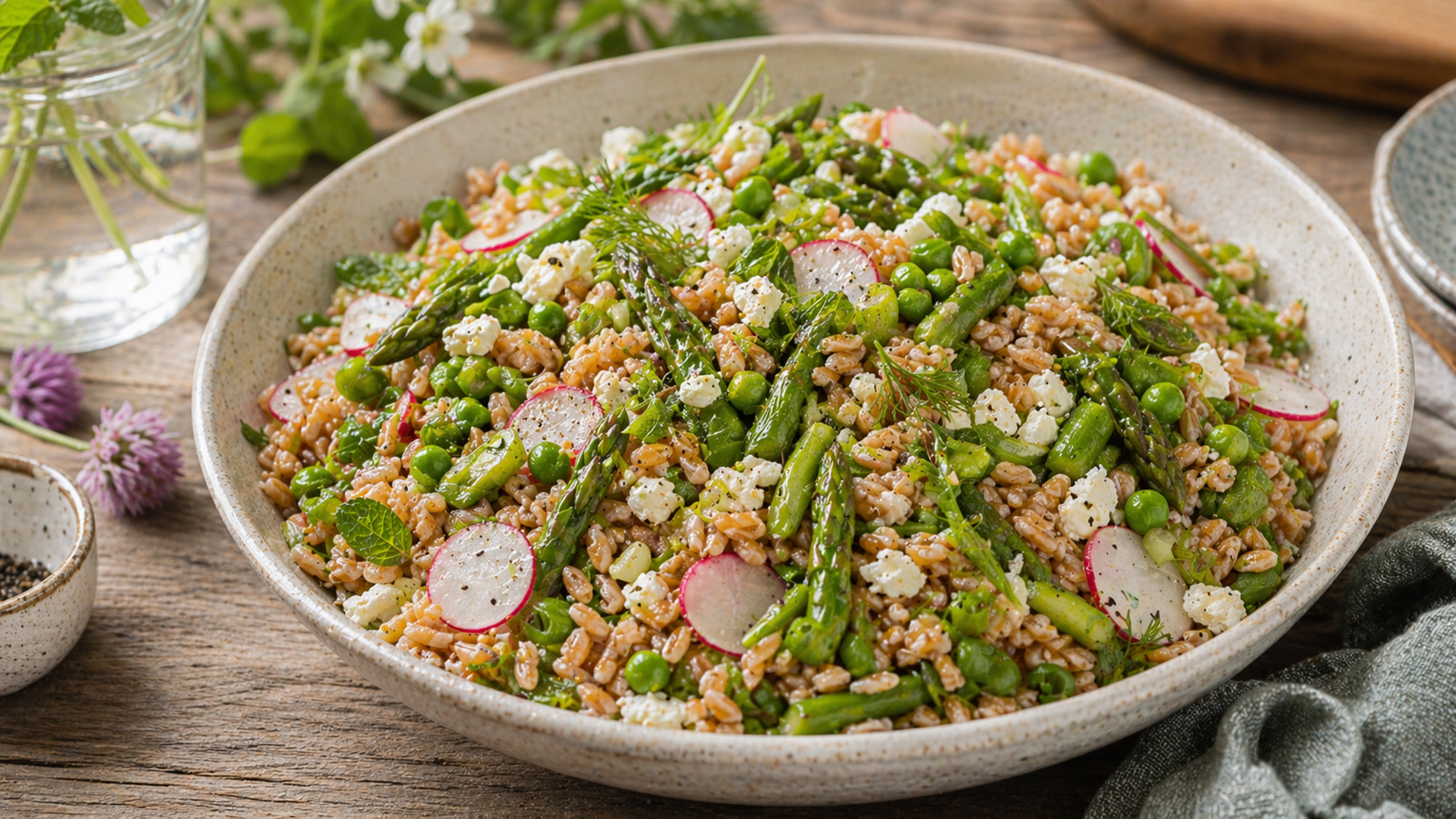 Recipe
Farro salad with spring vegetables
A chewy, nutty farro salad with blanched asparagus, sweet peas, radishes, herbs, and a lemon-Dijon vinaigrette — the hearty grain bowl that celebrates peak spring.
-
Guide
How to harvest vegetables properly
Harvesting vegetables properly is mostly about timing, gentleness, and keeping the plant productive for what comes next. A calmer harvest usually means better eating and less damage.
-
Guide
The benefits of being a member on Collective Crop
Becoming a member on Collective Crop means more than creating an account. It means building ongoing relationships with local producers that result in better access, better prices, and a more reliable local food…
-
Guide
The value of buying direct from the people who grow your food
When you buy direct from a grower, you get better information, more accountability, and a shorter path from field to table. Here's what that actually means in practice.
-
Guide
What Does Pasture-Raised Really Mean
Pasture-raised is one of the most meaningful labels you'll find on meat, eggs, and dairy — but it's also one of the most misunderstood. Here's what it actually means and how to verify it.
-
Guide
What Is Regenerative Agriculture — and Why Does It Matter?
Regenerative agriculture is a farming approach focused on rebuilding soil health, increasing biodiversity, and restoring ecosystems. Here's what it actually means, how it differs from organic, and why it matters for the…
-
Guide
What to do with spinach before it wilts
Spinach wilts quickly, which means the most useful plan is the one you can do today. These ideas help you use a bag or bunch before it turns slimy.
-
Guide
What transparency should look like in local food
Transparency in local food is not just a marketing phrase — it is a practical commitment to giving buyers enough information to make confident decisions. Here is what it actually means and why it matters.
-
Guide
Your guide to local summer fruit
Summer is the best season for local fruit by a wide margin. This guide covers what to look for, when it peaks, and how to get the most out of every variety.
-
Guide
Best ways to use extra peaches, corn, cucumbers, and berries
Summer abundance means you will sometimes end up with more than you planned. Here are the best ways to use up extra peaches, corn, cucumbers, and berries before they go to waste.
-
Guide
Comfort meals built around local winter ingredients
Winter farm ingredients — root vegetables, dried beans, cured meats, and storage squash — are exactly what you need for the kind of slow, satisfying cooking the season calls for.
-
Guide
How local farms help build more resilient communities
Community resilience depends on more than emergency plans — it depends on whether the basics of life, including food, can be sourced nearby when things go wrong.
-
Guide
How to handle inventory when selling fresh products
Selling fresh farm products means your inventory changes every single week. This guide covers practical approaches to tracking what you have, setting accurate limits, and avoiding the overselling and waste that sink…
-
 Produce
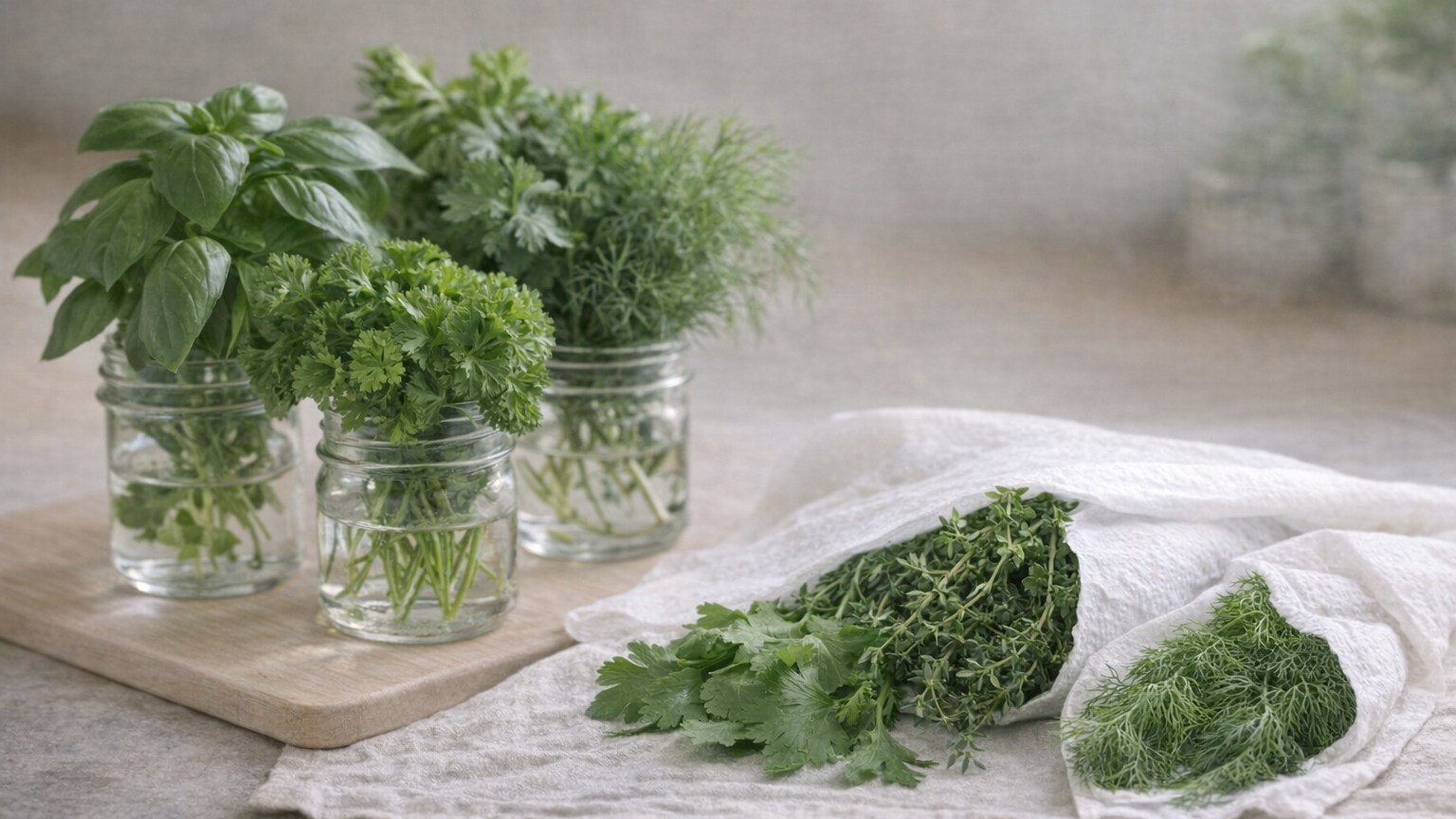
How to Keep Fresh Herbs From Going Bad Too Fast
Fresh herbs are one of the most wasted items in any kitchen. The right storage method depends on the type of herb — and getting it right means your basil, cilantro, and thyme last days longer than they otherwise would.
-
Guide
How to Store and Freeze Farm-Fresh Meat
Farm-fresh meat is often sold in bulk or in packaging that's different from what you'd find at a grocery store. Knowing how to store, freeze, and thaw it properly means nothing goes to waste and every cut comes out as…
-
 Recipe
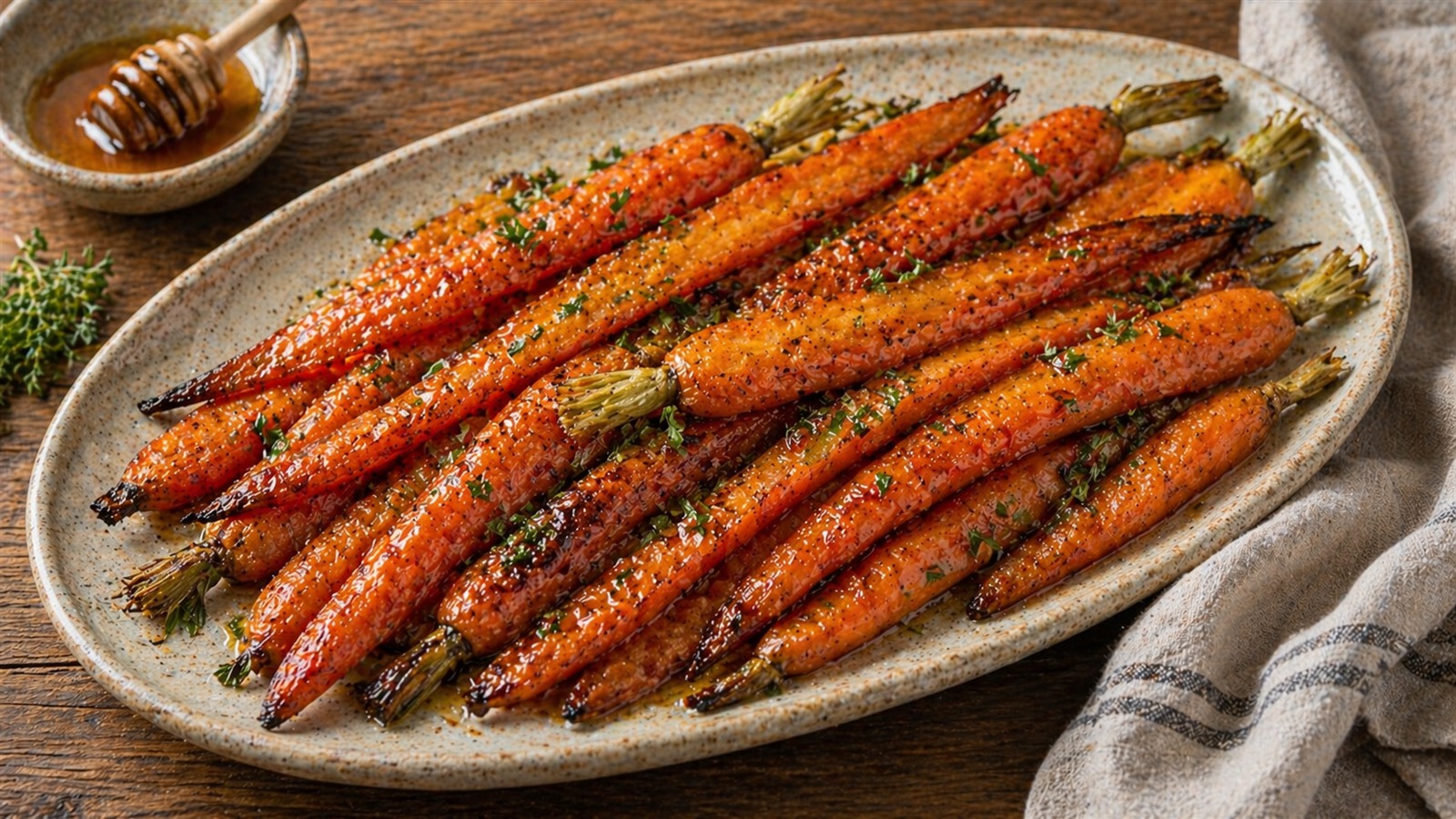
Roasted carrots with honey
A simple sheet pan side that leans into the natural sweetness carrots already have — roasted at high heat with a small amount of honey until caramelized at the edges.
-
Guide
The problem with fragmented local ordering
Buying local food often means navigating a maze of separate websites, apps, and schedules — one for each farm. That fragmentation is one of the biggest reasons interested buyers stop trying.
-
Guide
Understanding Food Labels — Organic, Non-GMO, Grass-Fed, Pasture-Raised, and Regenerative
Food labels can be genuinely informative or essentially meaningless — depending on who defines them and who enforces them. Here's exactly what each major label means, who certifies it, and how much it should influence…
-
Guide
What responsible food buying looks like
Responsible food buying does not require perfection or a complete overhaul of your shopping habits. It means being intentional about where your food comes from and making better choices where you can, consistently and…
-
Guide
Why direct-from-farm shopping is growing
More people are buying food directly from farms than at any point in recent decades. Here's what's driving that shift and what it means for how we eat.
-
Guide
Why protein buyers are turning to small producers
More buyers of meat, eggs, and dairy are seeking out small local producers instead of relying on grocery store supply chains. Here's what's driving that shift and what it means for how people source protein.
-
Guide
Why repeat buyers matter so much in local food
In local food, a repeat buyer is worth far more than a one-time shopper. Understanding why helps producers invest in the right relationships, and helps buyers recognize what their consistency actually means to the farms…
-
Guide
Why restaurants buy from local farms
More restaurants are building direct relationships with local farms to improve ingredient quality and differentiate their menus. Here is what drives that decision and what it means in practice.
-
 Produce
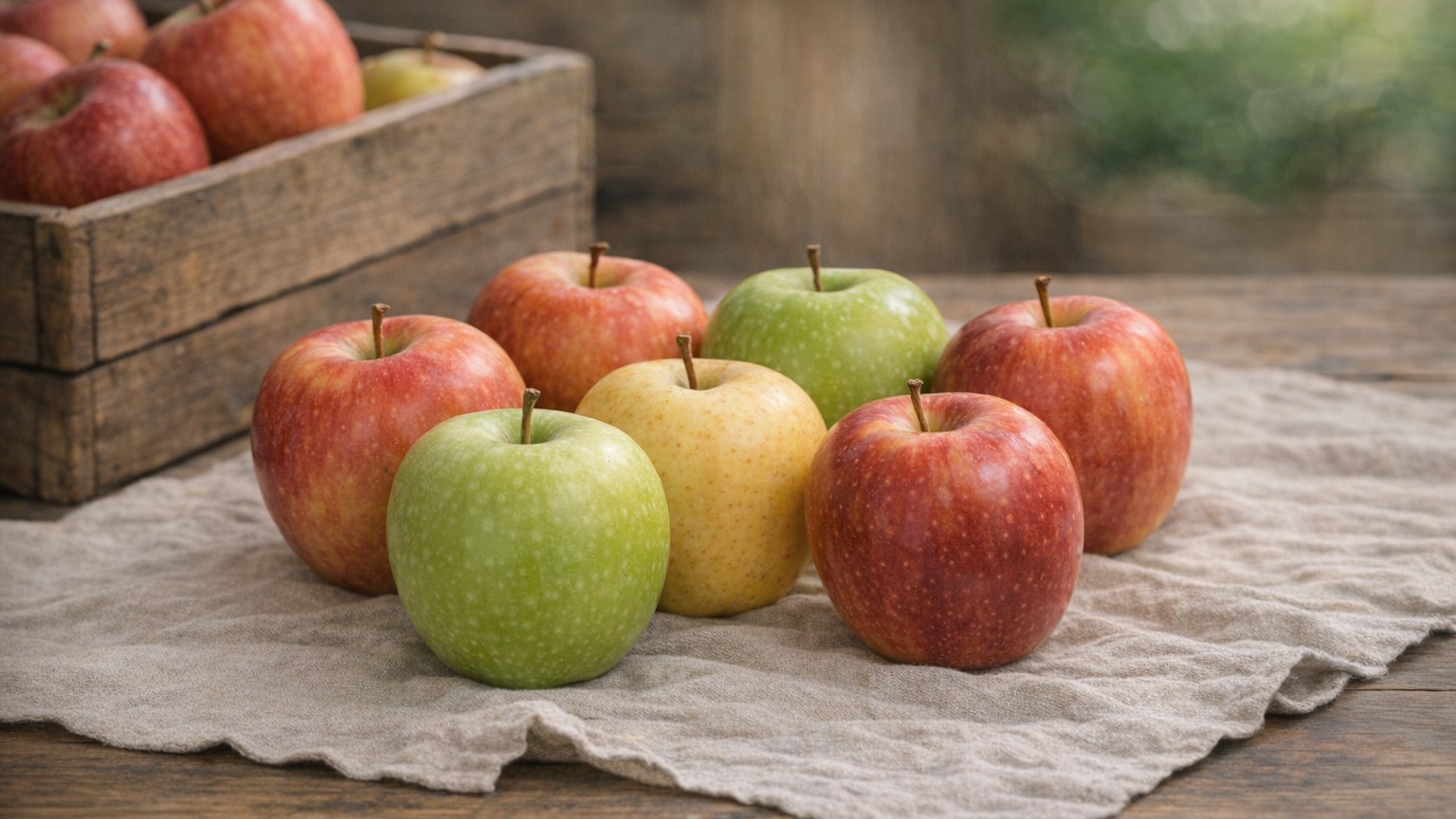
Apples
Apples are one of the most versatile produce staples — available from late summer through spring storage, with variety differences that actually matter for how you cook with them.
-
 Produce
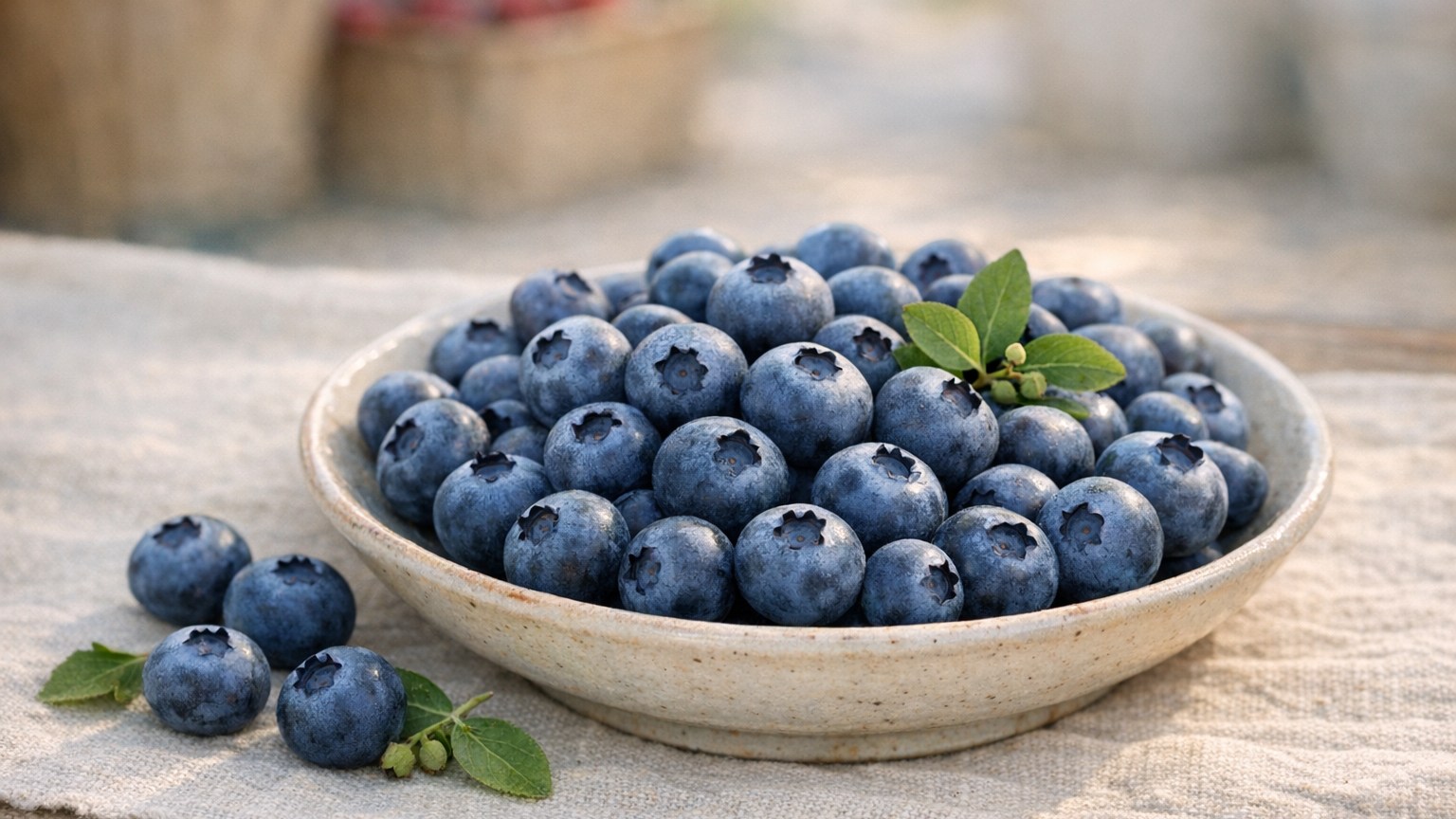
Blueberries
Blueberries are one of the more successful summer fruits — they store well, freeze perfectly, and the local varieties have a depth of flavor supermarket berries rarely match.
-
 Produce
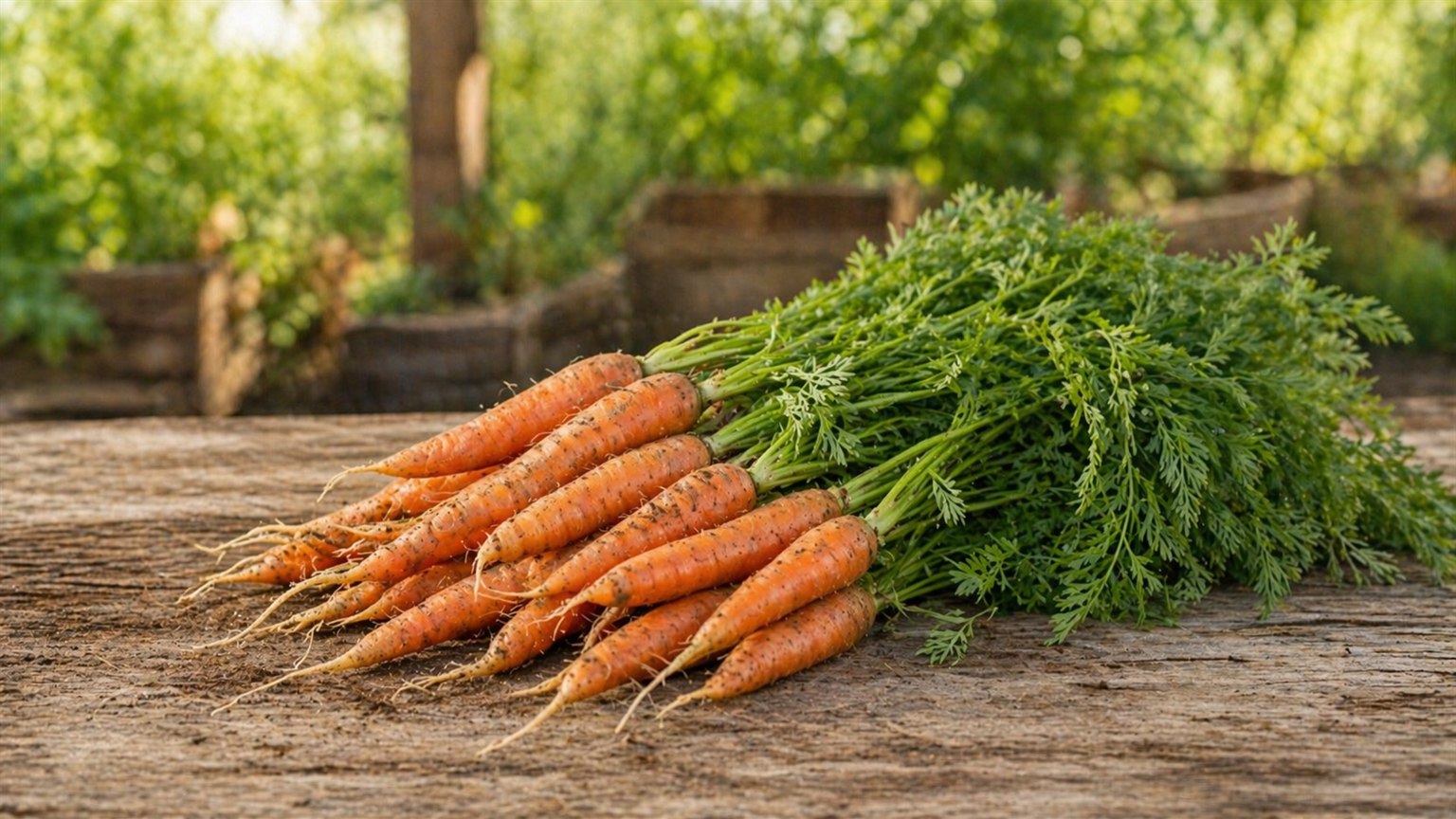
Carrots
Carrots are one of the most reliable local-farm vegetables year-round — harvested in fall and stored through winter. A fresh-pulled carrot from a farm stand tastes nothing like a supermarket bag carrot.
-
 Produce
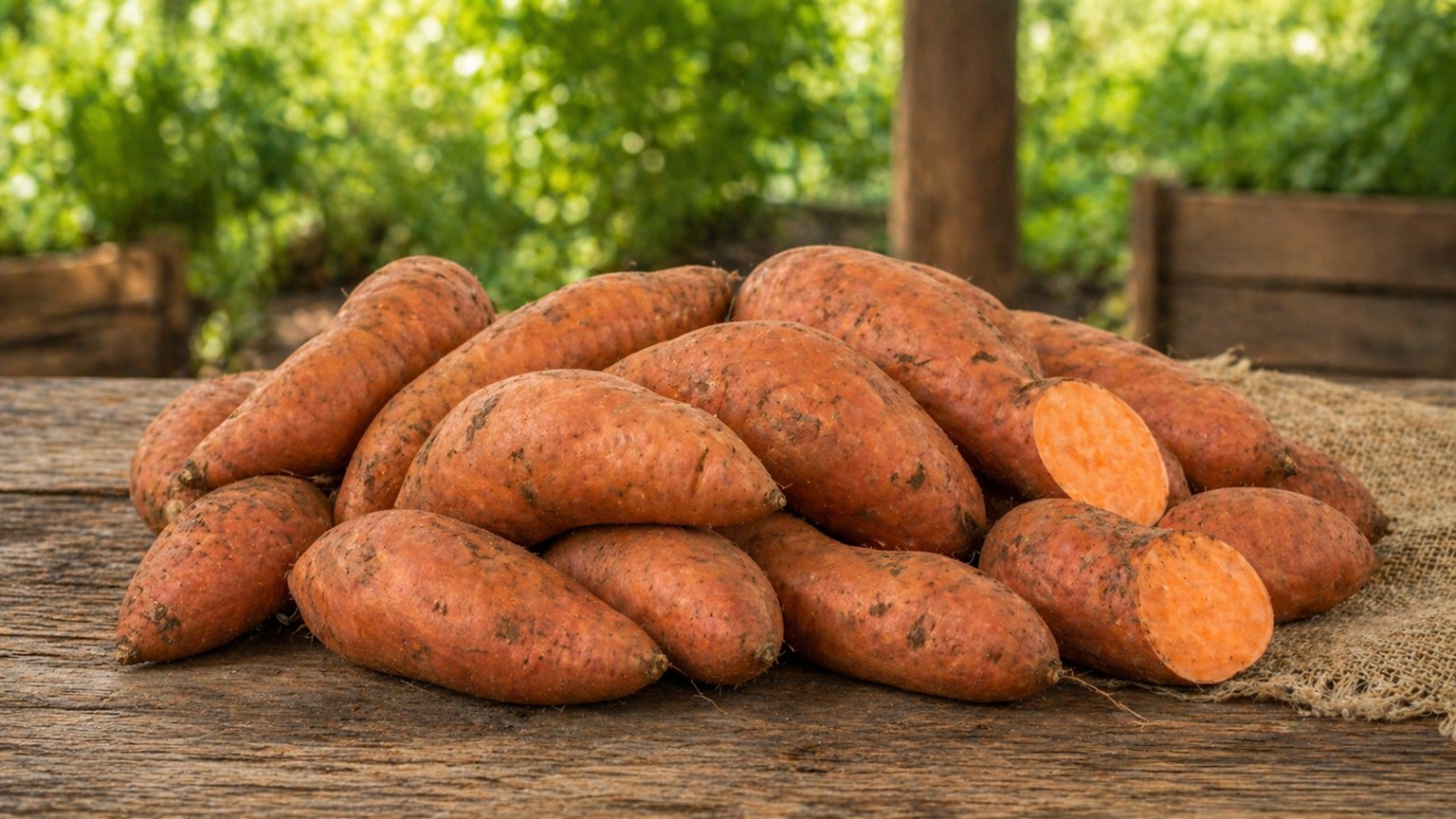
Sweet Potatoes
Sweet potatoes are a fall and winter staple with genuine variety differences that most cooks never discover. From the familiar Beauregard orange-fleshed type to Japanese purple varieties, the range in flavor and texture…
-
Guide
Direct from farm vs big food distribution
Buying food directly from the people who grew it and buying through a large food distribution system are fundamentally different models. Here is what those differences mean for you.
-
Guide
Fall meal planning with local ingredients
Meal planning in fall is easier than other seasons because the produce is sturdy, versatile, and cheap to buy in bulk. Here's how to build a practical weekly plan around what local farms actually have.
-
Guide
How food dollars circulate differently when you buy local
When you spend money at a local farm or small producer, that money moves through your community differently than a dollar spent at a national retailer. Understanding the local multiplier effect helps explain why the…
-
Guide
How to build a spring meal plan around local produce
Spring produce arrives fast and changes week to week. A flexible meal plan built around what is actually available makes cooking easier and reduces waste.
-
Guide
How to compare local food prices the right way
Comparing local food prices to grocery store prices on a per-item basis misses most of what matters. A more honest comparison includes quality, shelf life, waste, and what you are actually paying for.
-
Guide
How to shop small for holiday meals
Shopping from local farms and small producers for holiday meals takes a little more planning but results in food that is more meaningful, more flavorful, and more connected to your community.
-
Guide
Spring Produce Guide — Ramps, Asparagus, Strawberries, and More
Spring brings some of the most prized and fleeting produce of the year. Here's what to look for, when to find it, and how to make the most of the short window each crop is available.
-
 Recipe
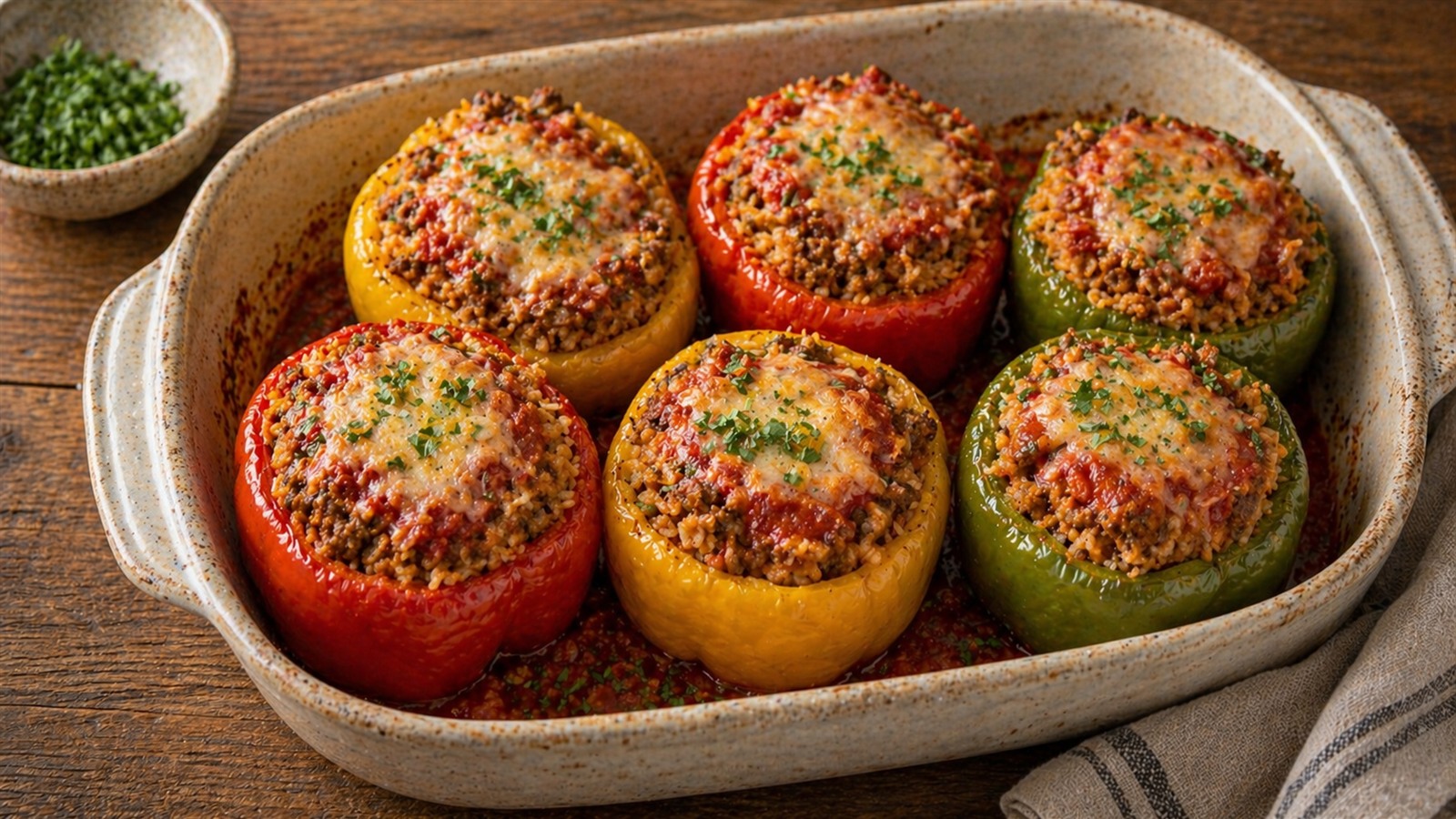
Stuffed bell peppers (easy version)
A flexible weeknight main that uses bell peppers as their own container — fill them with whatever cooked grain, protein, and sauce you have on hand, and bake until tender.
-
Guide
The Difference Between Sustainable, Organic, and Regenerative Farming
Sustainable, organic, and regenerative are all used to describe better-than-conventional farming, but they mean different things. Here's a clear breakdown of what each term actually requires.
-
Guide
What makes pasture-raised, farm-fresh, and naturally grown different
Terms like pasture-raised, farm-fresh, and naturally grown appear on a lot of products but mean very different things. Understanding the distinctions helps you make more confident purchasing decisions.
-
Guide
What seasonal eating looks like in winter
Winter seasonal eating is not about deprivation — it is a distinct approach to food built around storage crops, proteins, preserved goods, and the slow cooking that cold weather suits.
-
Guide
Why buyers want more than just another marketplace
When people choose to buy local food, they're not just looking for a transaction — they're looking for a relationship, a level of trust, and a reason to care about where their food comes from. A marketplace that doesn't…
-
Guide
Why holidays are a great time to buy direct
Holiday seasons are one of the best times to buy directly from local producers — the products are at their best, the timing is meaningful, and the experience of buying from a real person adds something to the occasion.
-
Guide
Why seasonal eating makes sense
Eating seasonally isn't about following a food trend — it's a practical way to get better flavor, lower prices, and more variety over the course of a year.


