
Search
Recipes, produce guides, seasonal articles, and Collective briefings — one place.
60 results for "peas"
-
 Produce
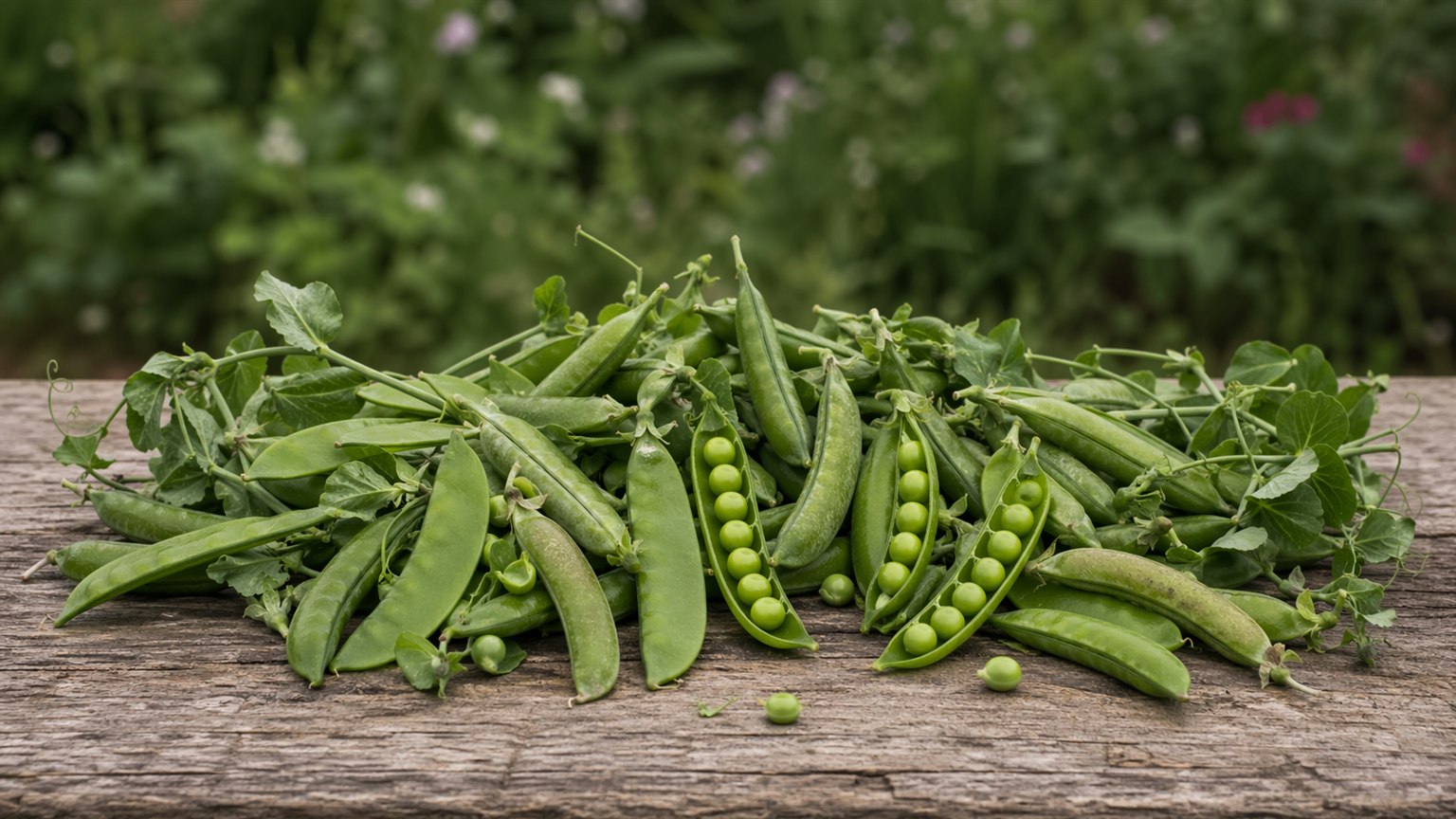
Peas
Peas are a short-season spring crop where freshness matters. Shelling peas, sugar snap peas, and snow peas all taste sweetest soon after harvest and cook very quickly.
-
 Recipe
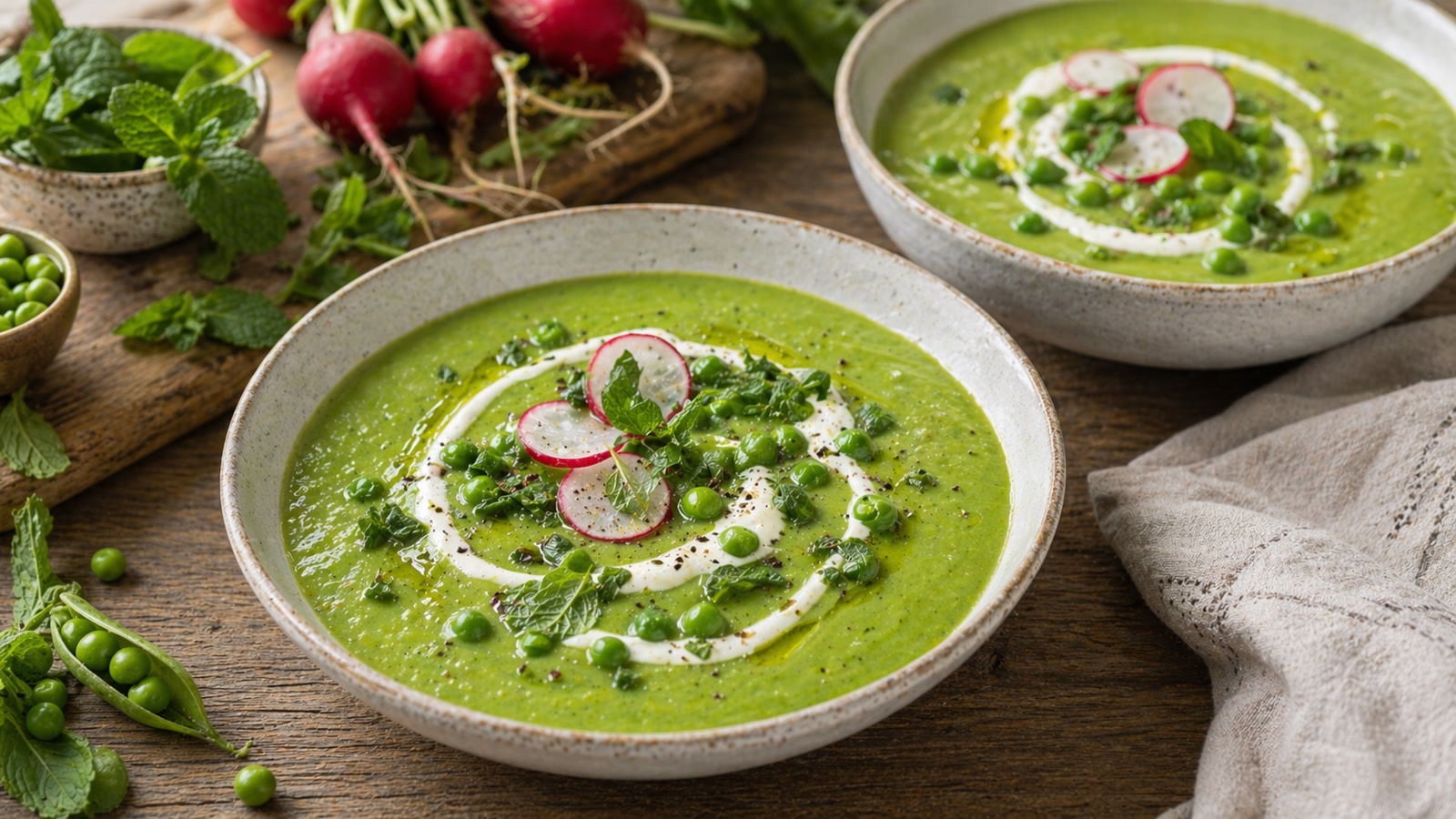
Spring pea soup with mint
A bright, silky green pea soup with fresh mint, shallots, and a swirl of crème fraîche — 25 minutes start to finish, using fresh or frozen peas.
-
 Recipe
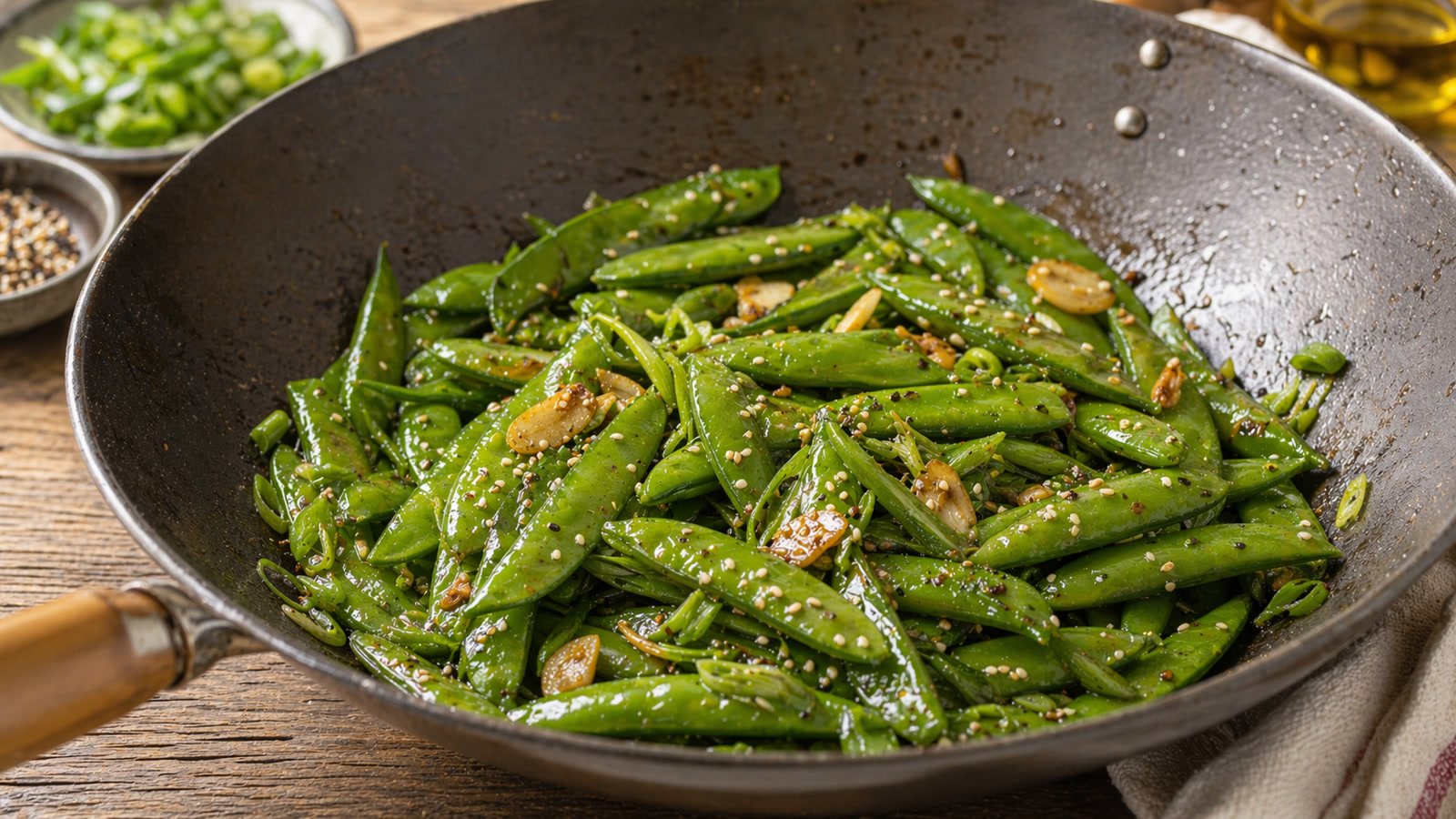
Sugar snap pea stir-fry
Crisp-tender sugar snap peas stir-fried with garlic, ginger, and sesame — a 10-minute spring side dish that goes with everything from rice to roast chicken.
-
 Recipe
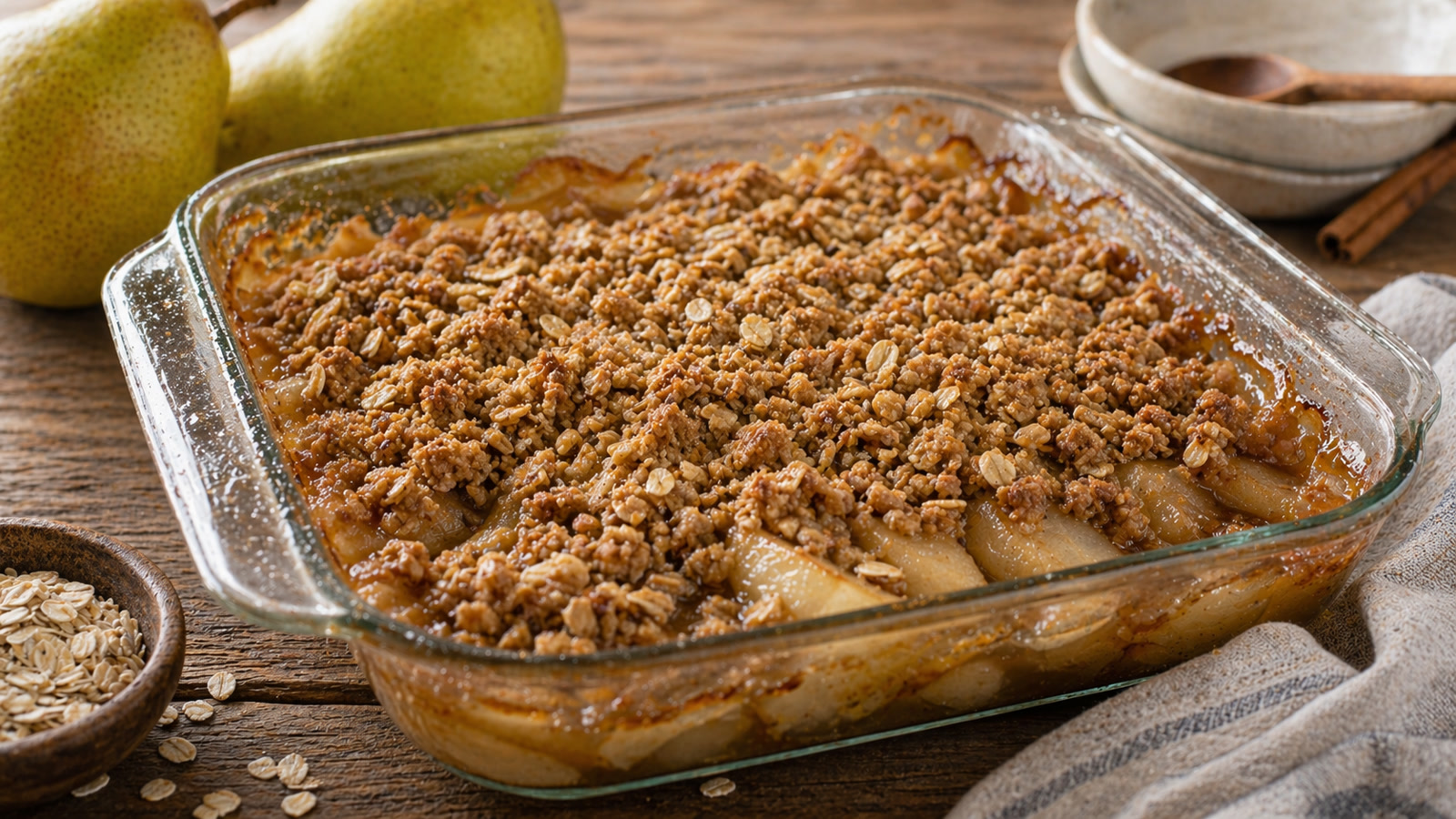
Pear crisp
Ripe pears baked under a buttery oat crumble with warm spices — a forgiving fall dessert that works with fruit too soft to eat fresh.
-
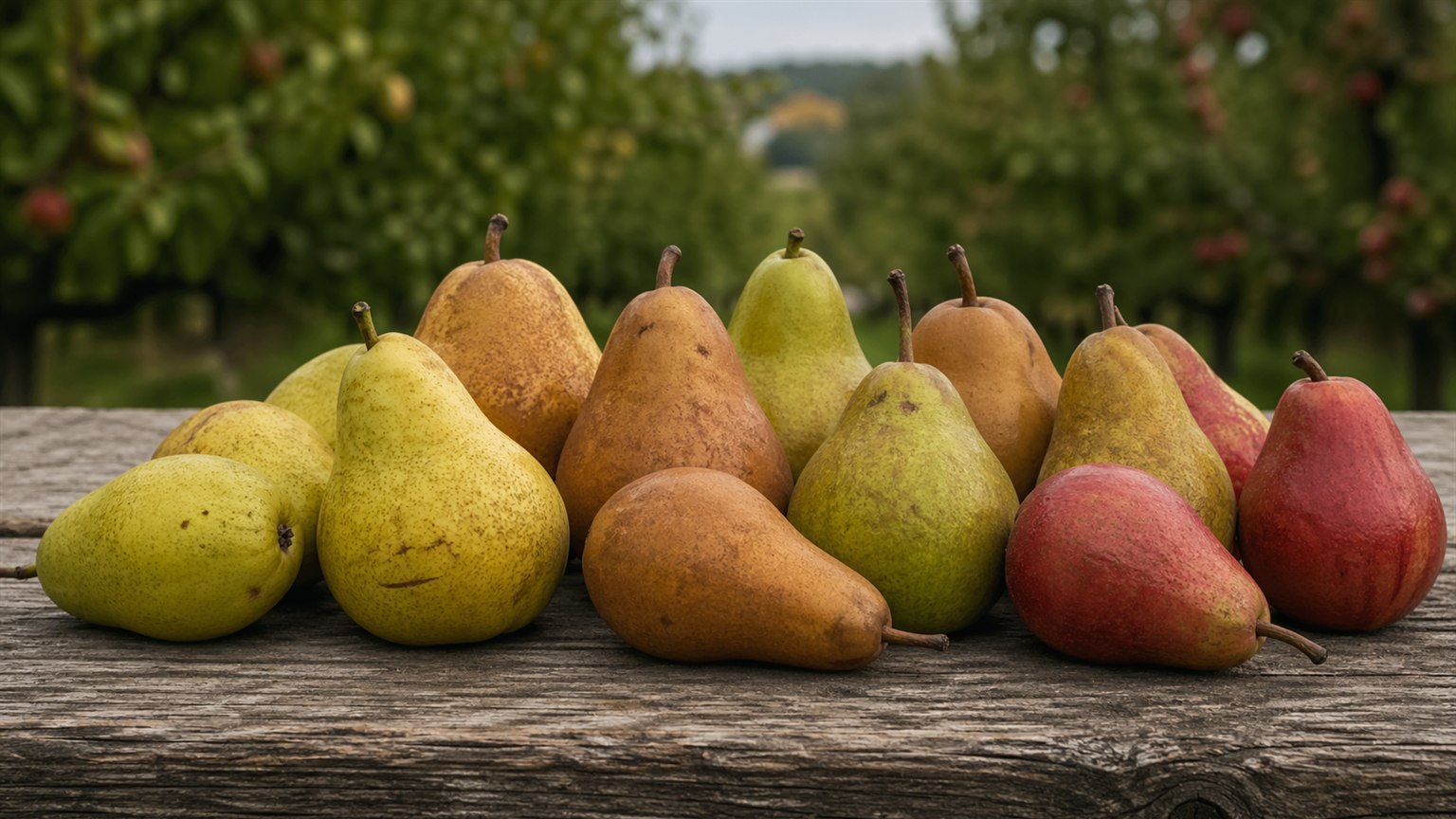 Produce
Pears
Pears are fall fruit that ripen after harvest, which makes timing matter. Bartlett, Bosc, Anjou, Comice, and Asian pears all have different textures and best uses.
-
Guide
Fall Harvest Guide — Pumpkins, Apples, Squash, and Pears
Fall brings the most abundant and diverse local produce of the year. Here's what to look for, when to find it, and how to store and use everything from butternut squash to late-season apples.
-
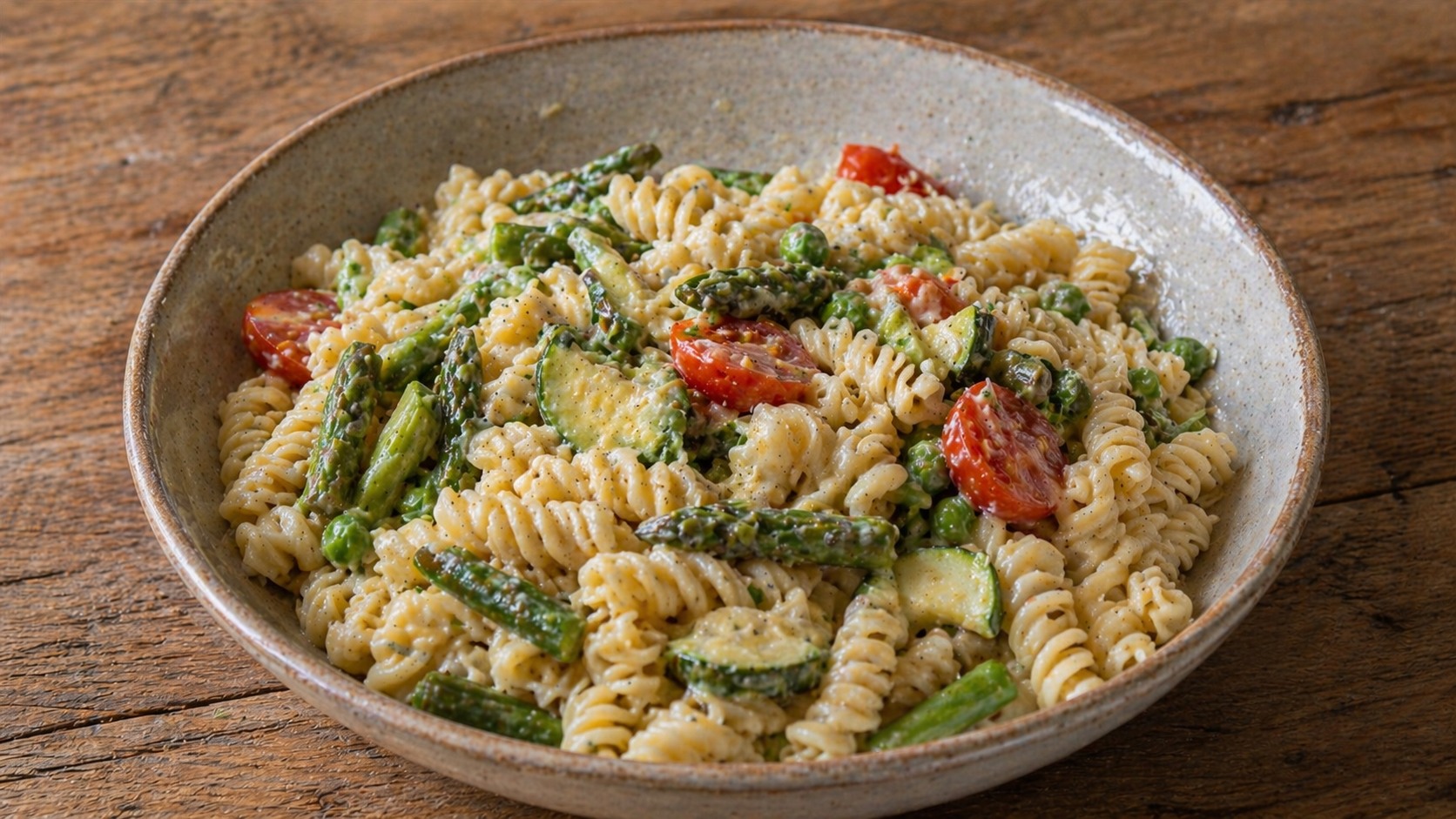 Recipe
Pasta primavera
Pasta tossed with spring's best vegetables — asparagus, peas, zucchini, and cherry tomatoes — in a light Parmesan cream sauce with lemon and herbs.
-
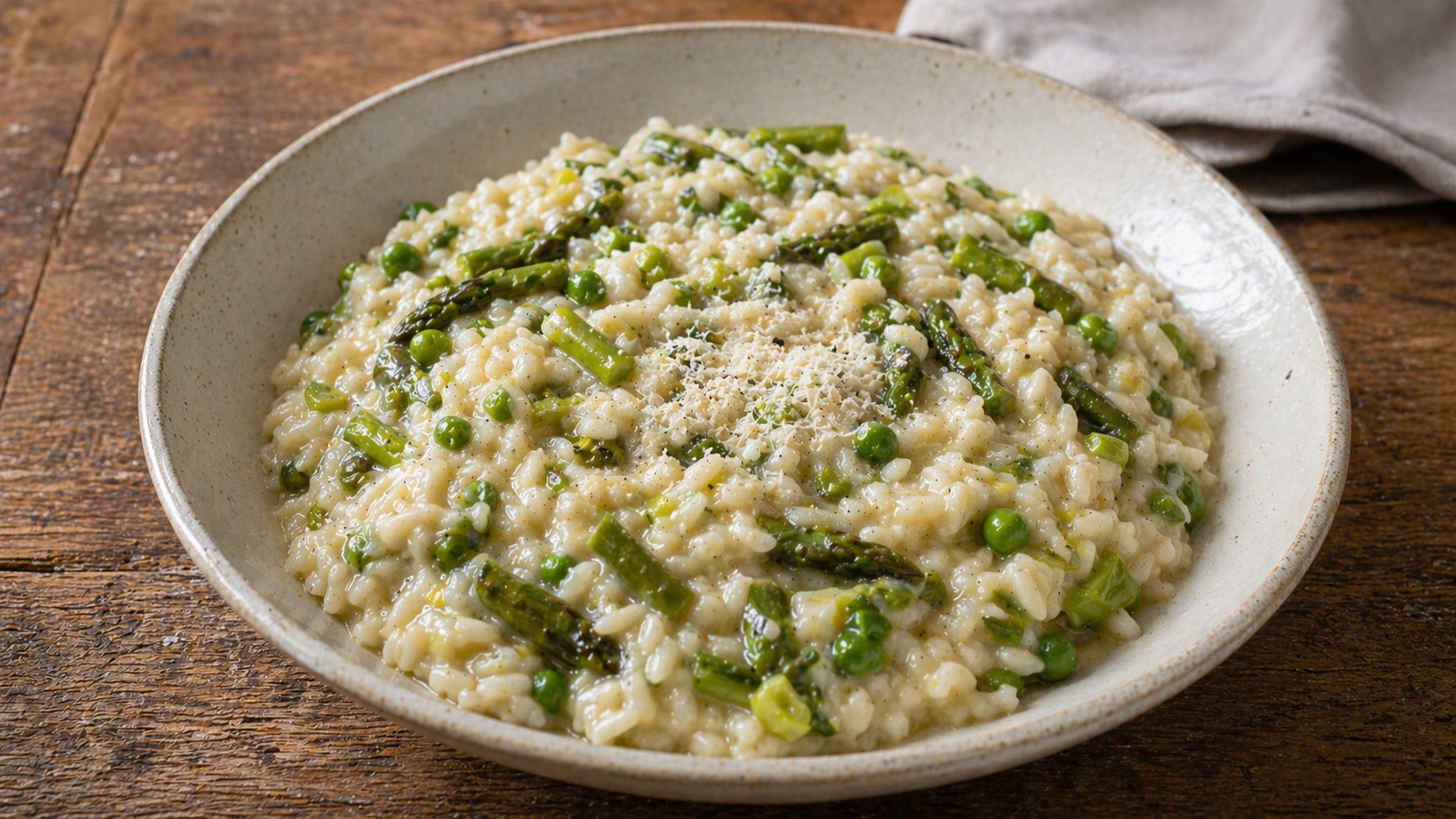 Recipe
Spring vegetable risotto
A creamy, lemon-kissed risotto studded with asparagus, peas, and spring onions — the one-pot dinner that celebrates everything green at once.
-
Guide
What to know before ordering a bulk meat bundle
Buying meat in bulk from a local farm can save money and stock your freezer for months — but it helps to know what you're getting into before you order. Here's what to expect and how to prepare.
-
Guide
How to build a spring meal plan around local produce
Spring produce arrives fast and changes week to week. A flexible meal plan built around what is actually available makes cooking easier and reduces waste.
-
Guide
How to make nourishing meals easier with seasonal ingredients
Seasonal ingredients are not just fresher — they are also easier to cook well, which makes building consistent, nourishing meals more practical for the average home cook.
-
Guide
How to Meal Plan Around Seasonal Produce
Seasonal eating doesn't have to mean chaos in the kitchen. Learn how to build a flexible meal plan that works with what's fresh, local, and delicious right now.
-
Guide
A beginner's guide to buying local meat online
Buying meat directly from local farms online is easier than most people expect — but it helps to understand how it works before your first order. This guide covers what to expect from browsing to delivery.
-
Guide
Buying meat in bulk vs shopping weekly
Buying a large quantity of meat from a local farm at once and buying smaller amounts each week are two very different approaches. Each has real advantages depending on how you cook and store food.
-
Guide
How to eat seasonally in early spring
Early spring is a transition season — not winter anymore, but not yet peak growing season either. Here is how to eat well with what is actually available right now.
-
Guide
How to build simple meals around what is in season
Seasonal cooking does not require elaborate planning or specialty skills. Learning a handful of flexible meal templates and pairing them with what is available locally is all it takes to cook well with what is in season.
-
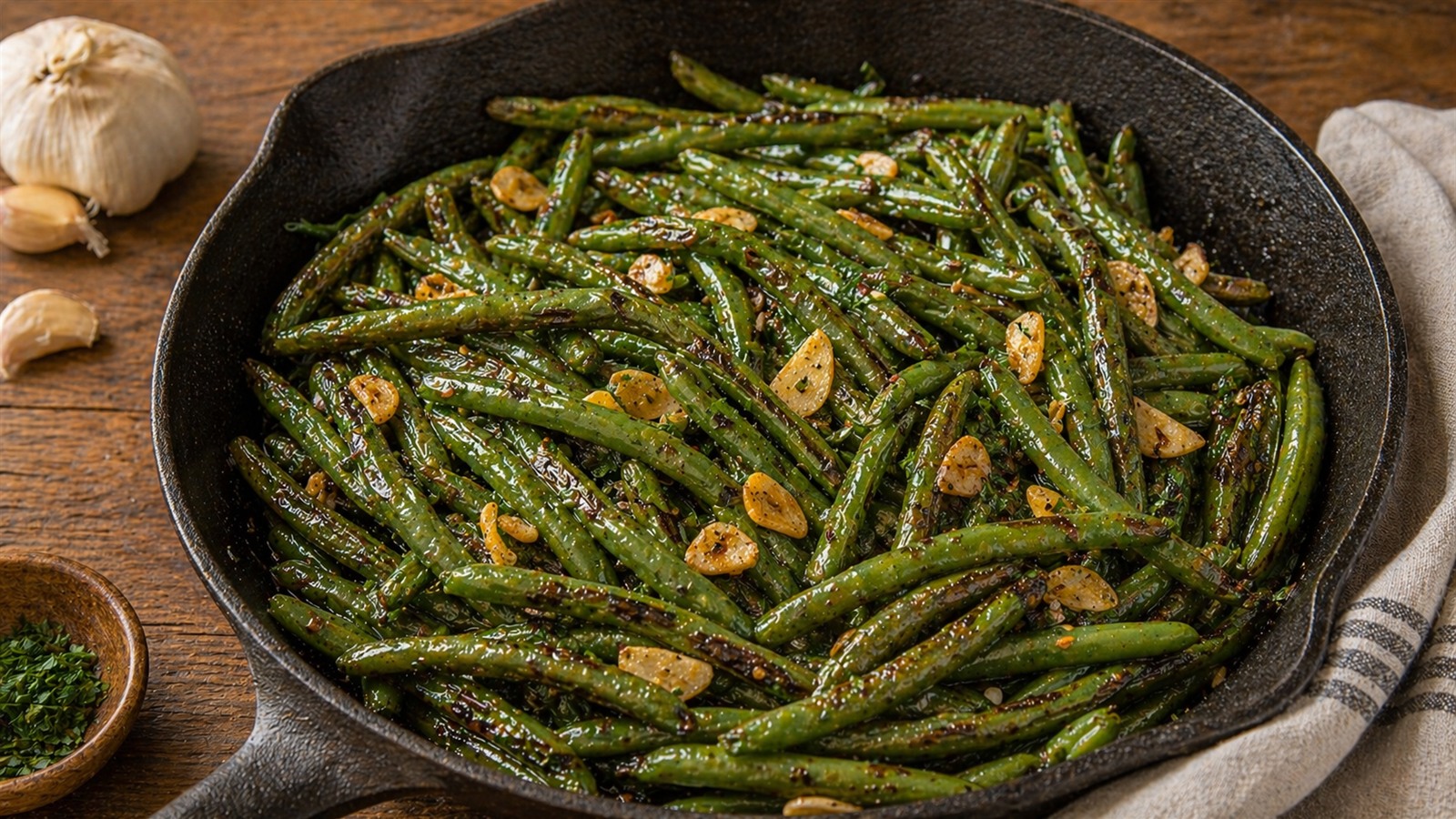 Recipe
Garlic green beans skillet
A quick skillet side that makes fresh green beans weeknight-friendly — blistered in olive oil, finished with garlic, and on the table in under 15 minutes.
-
Guide
How to Store and Freeze Farm-Fresh Meat
Farm-fresh meat is often sold in bulk or in packaging that's different from what you'd find at a grocery store. Knowing how to store, freeze, and thaw it properly means nothing goes to waste and every cut comes out as…
-
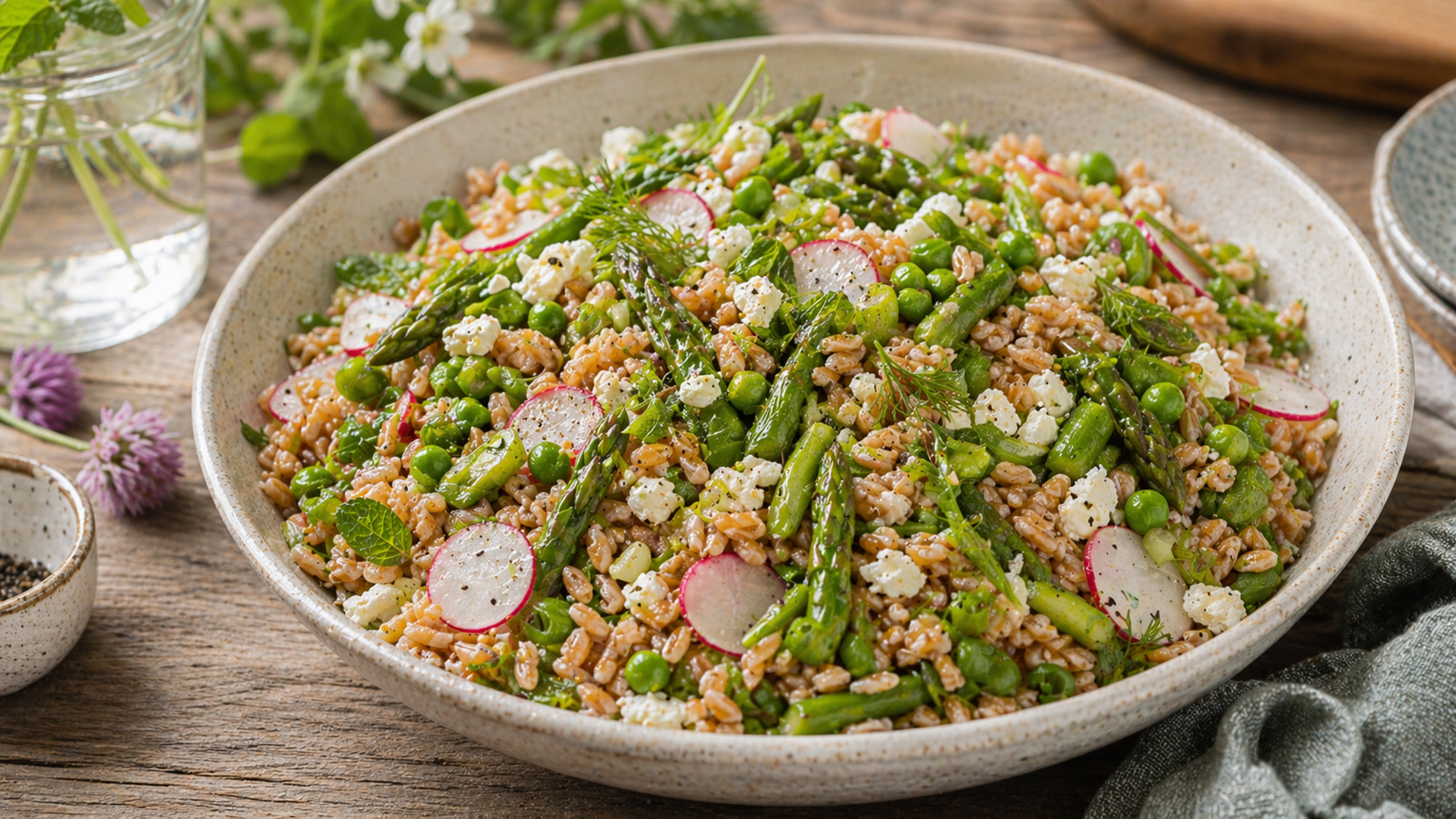 Recipe
Farro salad with spring vegetables
A chewy, nutty farro salad with blanched asparagus, sweet peas, radishes, herbs, and a lemon-Dijon vinaigrette — the hearty grain bowl that celebrates peak spring.
-
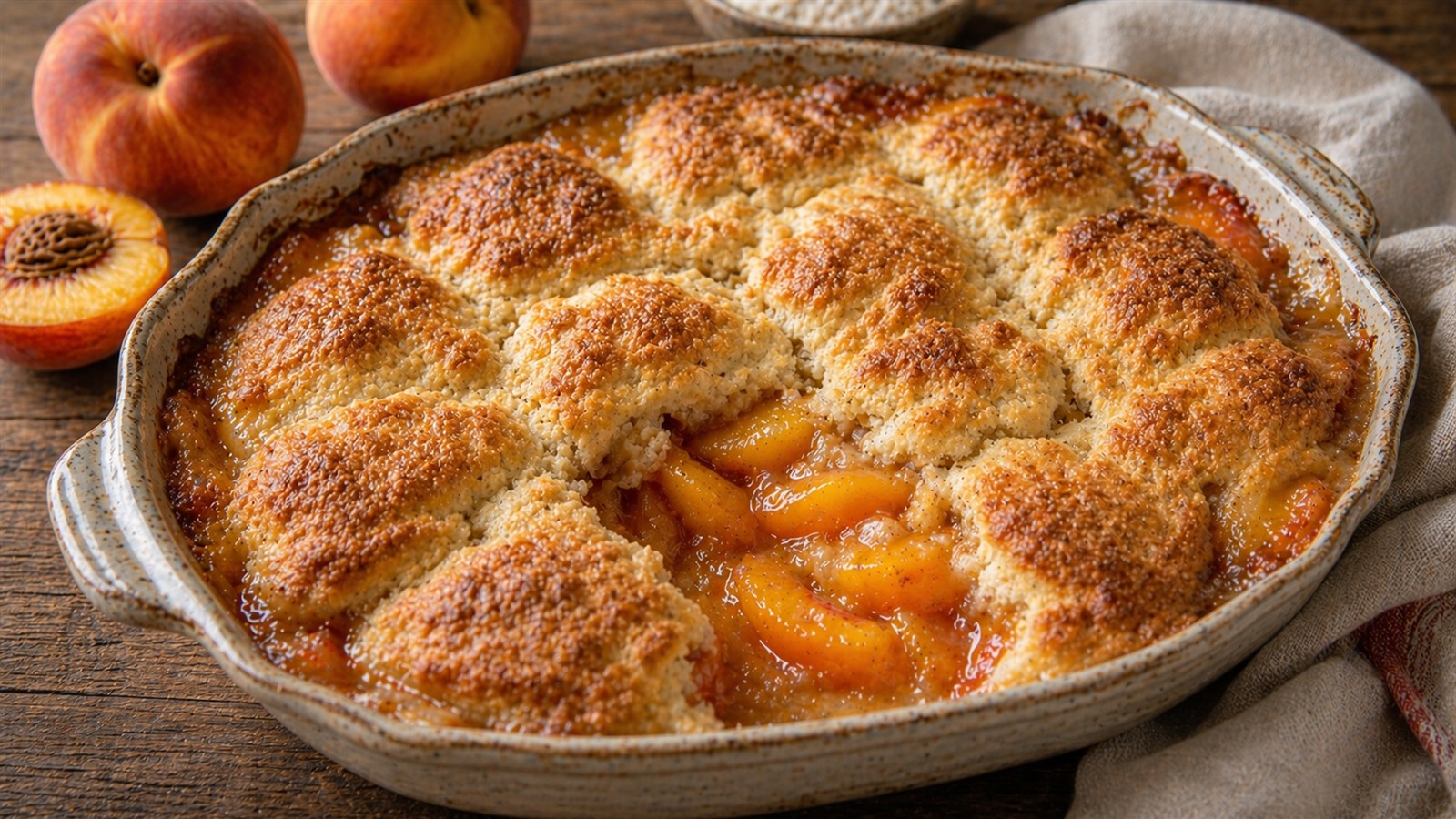 Recipe
Peach cobbler
A forgiving summer dessert that lets ripe peaches do most of the work — sliced fruit baked under a simple biscuit topping, warm from the oven in under an hour.
-
Guide
Why summer is peak season for buying local
Summer is when local food is at its most abundant, affordable, and exceptional. Here is why this season deserves extra attention and how to shop it well.
-
Guide
Comfort meals built around local winter ingredients
Winter farm ingredients — root vegetables, dried beans, cured meats, and storage squash — are exactly what you need for the kind of slow, satisfying cooking the season calls for.
-
Guide
Fall meal planning with local ingredients
Meal planning in fall is easier than other seasons because the produce is sturdy, versatile, and cheap to buy in bulk. Here's how to build a practical weekly plan around what local farms actually have.
-
Guide
Seasonal eating vs year-round grocery shopping
Eating seasonally and shopping year-round at a grocery store are two different ways to approach food. Each has real trade-offs worth understanding before you decide how to shop.
-
Guide
Winter buying tips for eggs, meats, pantry items, and preserved goods
Winter is when knowing how to buy specific farm products makes a real difference. Here is a practical guide to eggs, meats, shelf-stable pantry goods, and preserved foods in the colder months.
-
Guide
Easy meal ideas for a mixed farm box
A mixed farm box full of varied produce and proteins does not have to feel like a puzzle. These practical meal ideas help you turn an assortment of local ingredients into a week of dinners without overcomplicating…
-
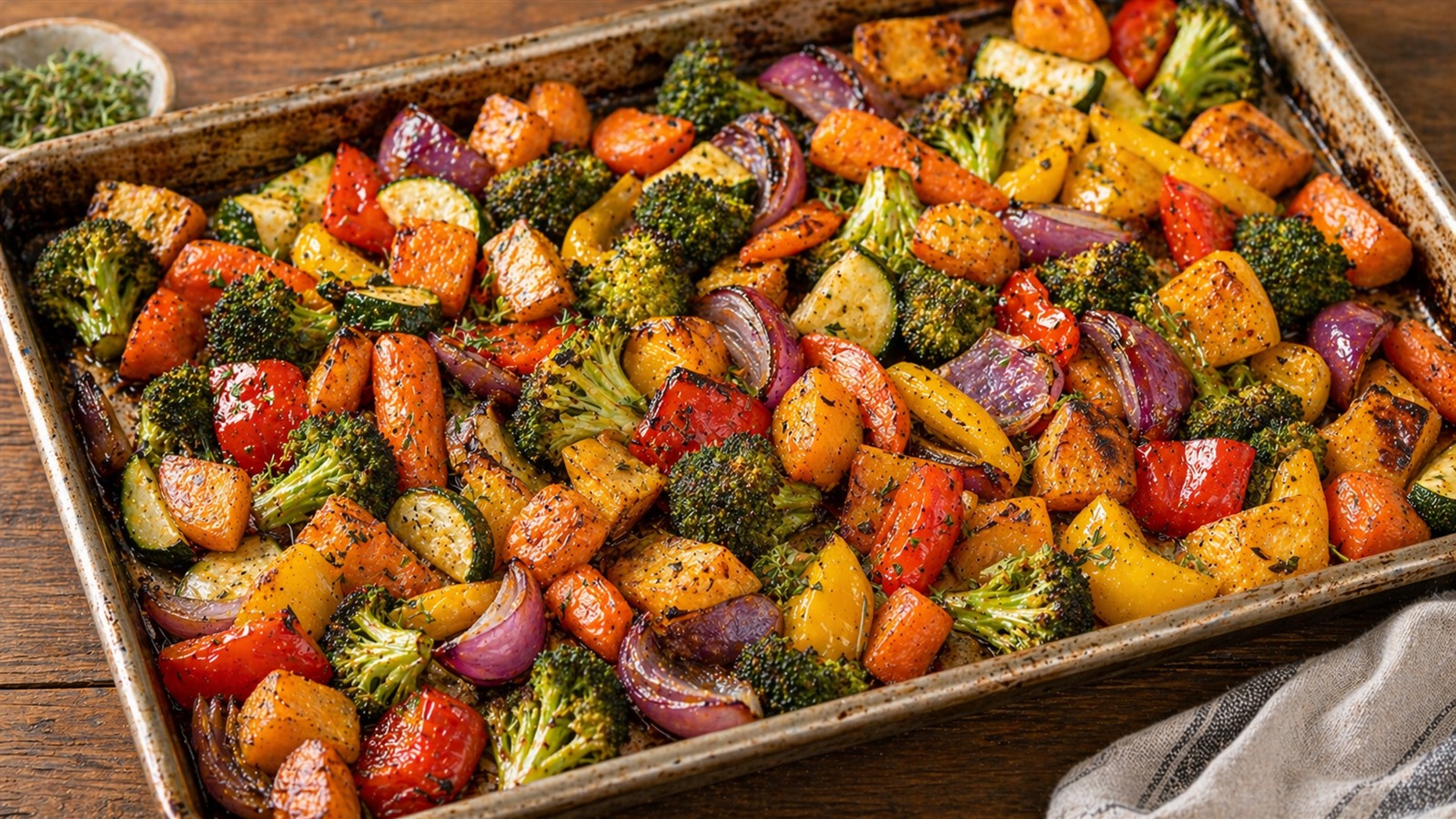 Recipe
Easy roasted vegetables
A high-heat sheet pan method that clears the crisper, works with the season, and turns mixed vegetables into a browned, caramelized side that still tastes like an actual dinner.
-
Guide
Easy summer meals built around farm-fresh ingredients
Farm-fresh summer produce makes cooking easier, not harder. Here are simple, satisfying meal ideas built around what local farms have right now.
-
Guide
How buying local can simplify family meals
When your ingredients come from nearby farms, meal planning gets easier and dinnertime decisions feel less stressful. Here is how buying local can actually simplify what happens in your kitchen.
-
Guide
How to Buy Meat From Local Farms With Confidence
Buying meat directly from a local farm is one of the best food decisions you can make — but it works differently than picking up a package at the grocery store. Here's how to navigate it without second-guessing yourself.
-
Guide
How to turn a local food order into a week of meals
A single local food order can cover most of your meals for the week with a little planning. This guide walks through how to make the most of what you receive without wasting anything.
-
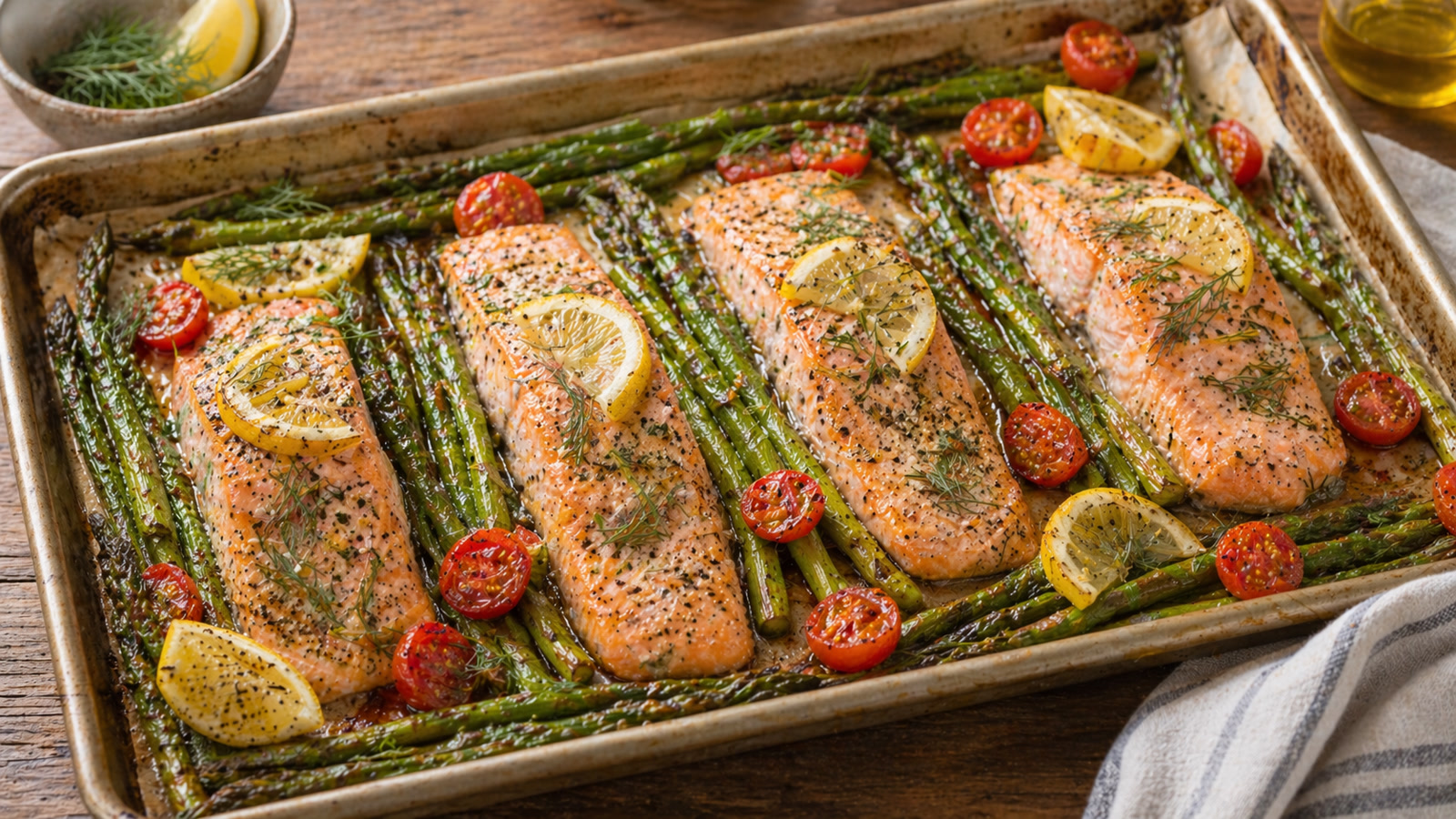 Recipe
Sheet pan salmon with asparagus
Flaky lemon-garlic salmon roasted with asparagus and cherry tomatoes on one pan — 20 minutes, one dish, a complete spring dinner.
-
 Recipe
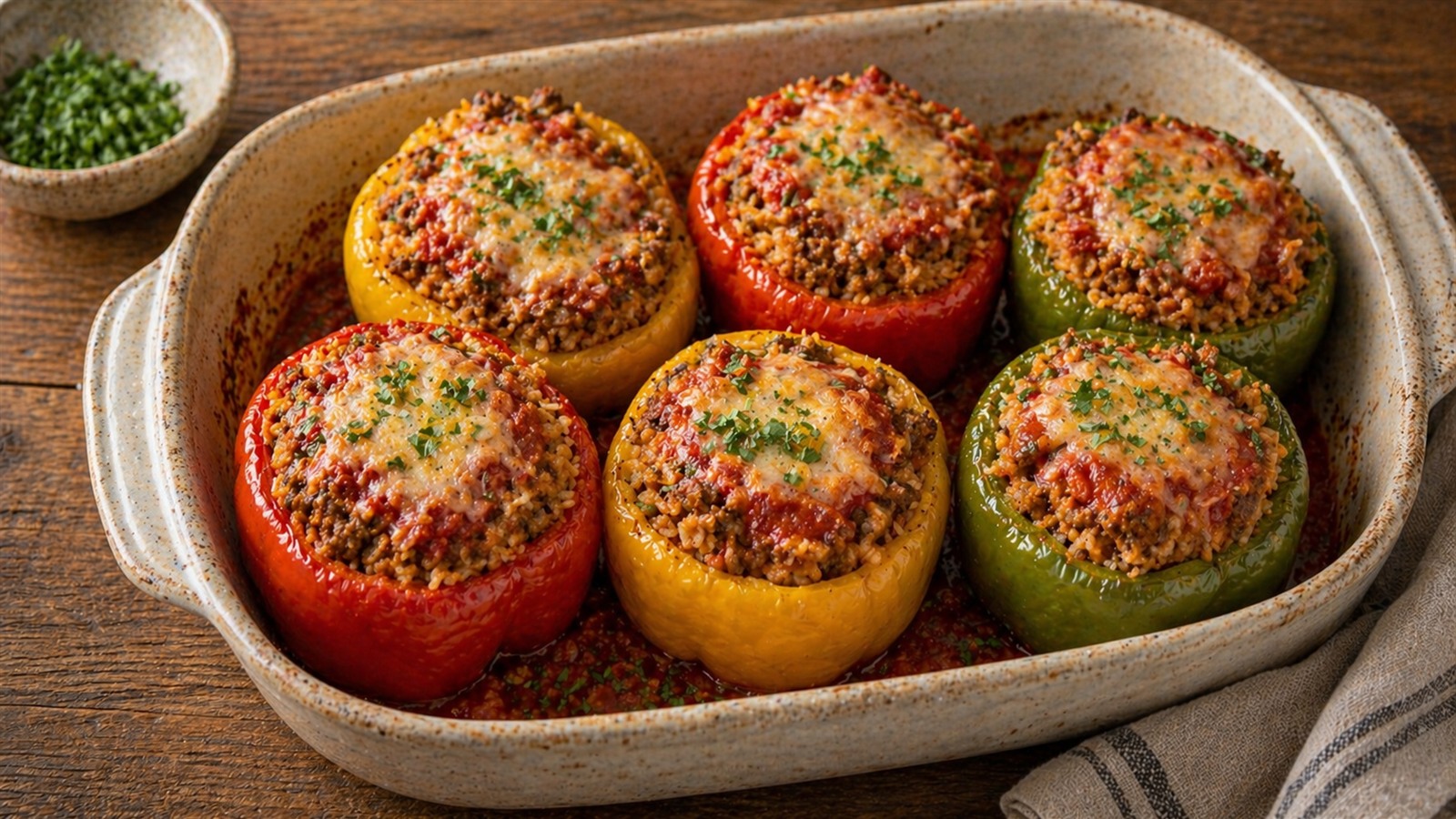
Stuffed bell peppers (easy version)
A flexible weeknight main that uses bell peppers as their own container — fill them with whatever cooked grain, protein, and sauce you have on hand, and bake until tender.
-
Guide
Weekly produce ideas
Weekly produce ideas works best as a simple framework, not a strict plan. The goal is to use what is fresh first, repeat a few easy patterns, and stop overcomplicating the week.
-
 Recipe
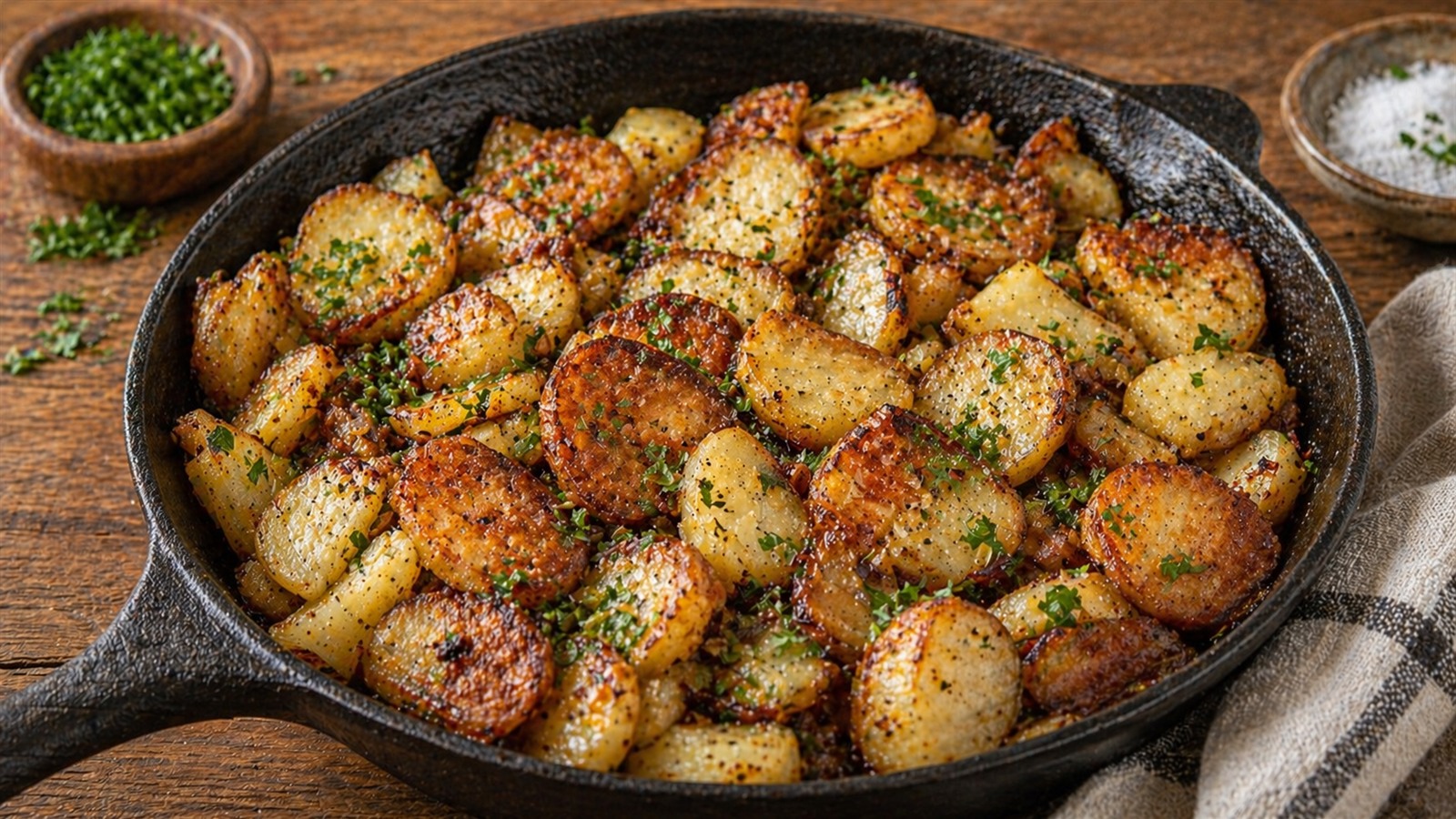
Pan-fried potatoes
Crispy skillet potatoes with a golden crust and tender center — useful for breakfast hash, a side dish, or clearing out a bag of potatoes before the week is over.
-
 Recipe
Easy strawberry dessert
A no-cook layered dessert for when the berries are good enough to lead — ripe strawberries, a soft creamy layer, and something crunchy assembled in minutes.
-
Guide
Better ingredients, simpler meals, stronger habits
The path to more consistent home cooking is not more complex recipes — it is better starting ingredients and simpler approaches that are easy to repeat week after week.
-
Guide
CSA vs Meal Kit Subscription — Which Is Worth It?
CSA farm shares and meal kit subscriptions both deliver food to your door on a schedule — but they're built around very different priorities. Here's a direct comparison on cost, convenience, freshness, and waste.
-
 Produce
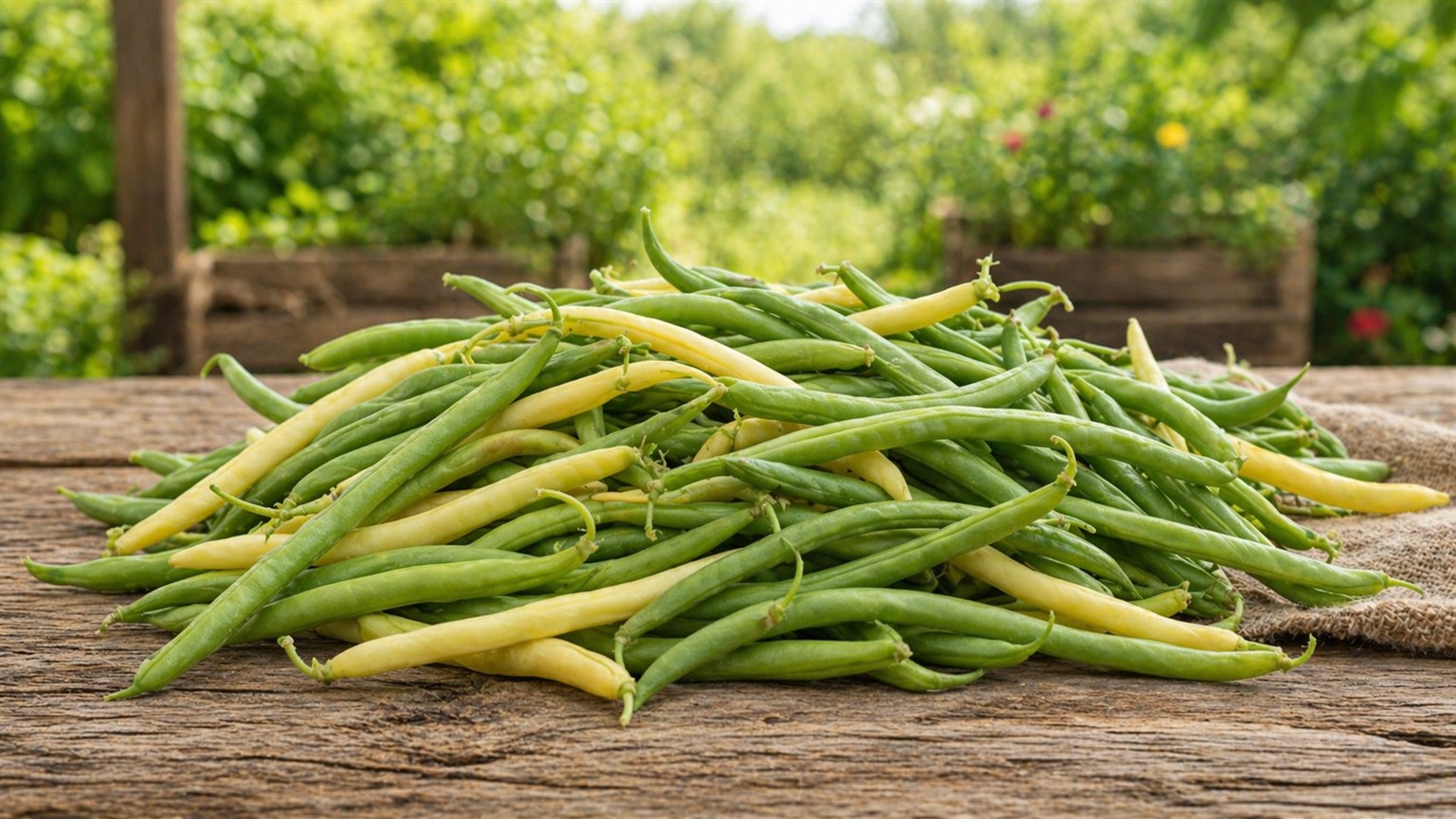
Green Beans
A fresh green bean from a summer farm stand — snapping cleanly, bright and grassy — is a completely different experience from the limp, dull beans at the supermarket. Green beans are one of the most improved by local…
-
Guide
How to build a holiday meal with local ingredients
Building a holiday meal around local ingredients is less complicated than it sounds. With a little planning and the right starting point, you can put together a table that feels genuinely rooted in the season.
-
Guide
How to shop small for holiday meals
Shopping from local farms and small producers for holiday meals takes a little more planning but results in food that is more meaningful, more flavorful, and more connected to your community.
-
Guide
Is Local Meat Safe?
Local meat from small farms is subject to federal and state inspection requirements — and often has a shorter, more transparent supply chain than commodity meat. Here's how the system works and what to ask before you…
-
Guide
Summer Grilling With Local Meats — A Practical Guide
Sourcing locally raised beef, pork, lamb, and chicken for the grill changes the experience. Here's what to look for, how farm-raised meats differ, and how to get the best results on the grill.
-
Guide
What Does Pasture-Raised Really Mean
Pasture-raised is one of the most meaningful labels you'll find on meat, eggs, and dairy — but it's also one of the most misunderstood. Here's what it actually means and how to verify it.
-
Guide
What to do with green beans
Green beans are easy to use up when you keep the cooking simple. These ideas help you move through a surplus without ending up with limp beans in the crisper.
-
 Recipe
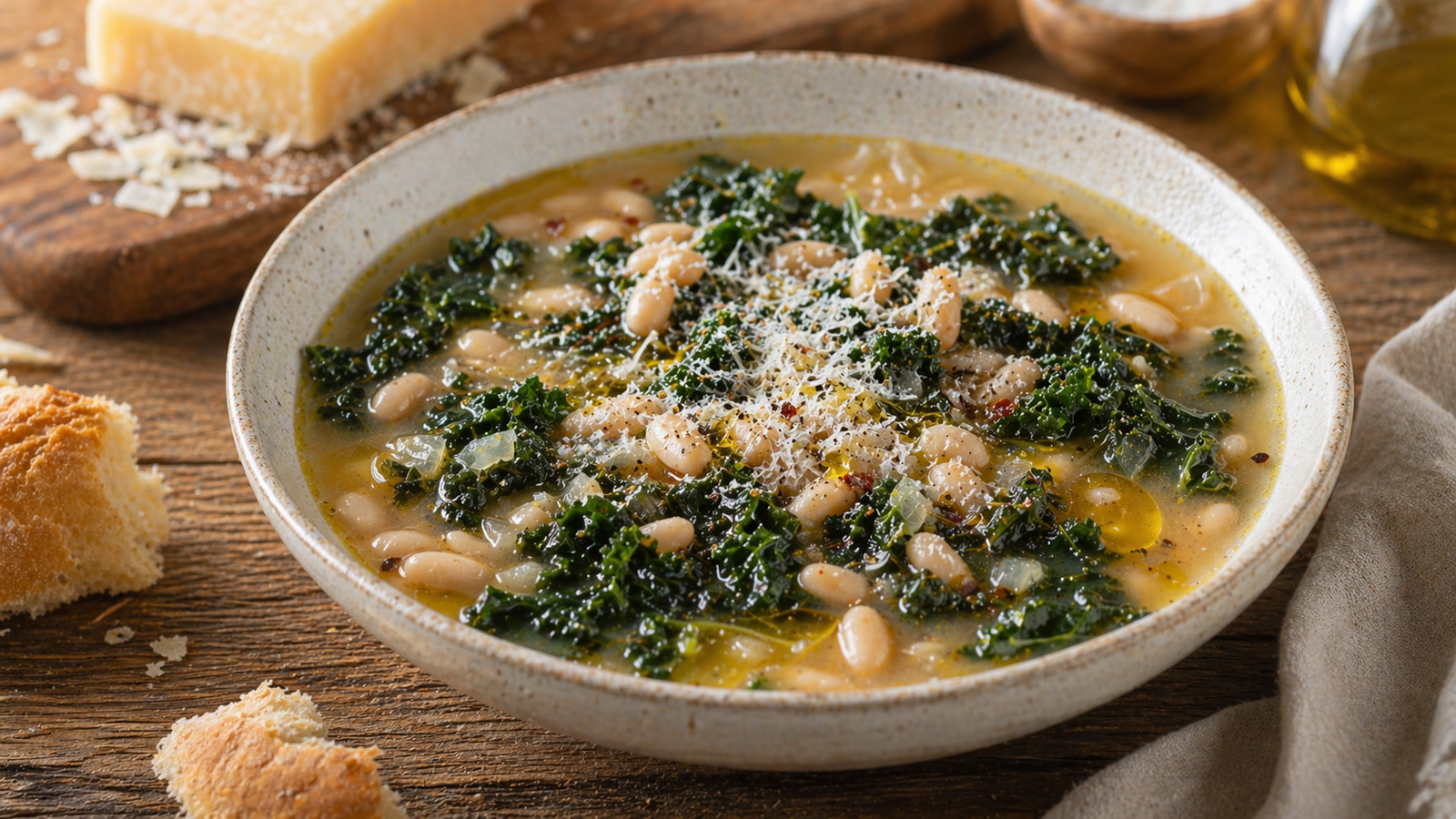
White bean and kale soup
A rustic Tuscan-style soup with creamy white beans, hearty kale, garlic, Parmesan rind, and a lemony olive-oil drizzle — ready in 35 minutes with pantry ingredients.
-
Guide
Why real food routines matter more than food trends
Food trends come and go, but the eating habits that actually change how people feel are built on steady routines, not the latest nutrition cycle. Here is why consistency with real ingredients matters more.
-
Guide
Five quick dinners using fresh local produce
Fresh local produce makes fast weeknight dinners better without adding effort. These five meal ideas come together quickly and let high-quality seasonal ingredients do the heavy lifting.
-
Guide
What "Farm to Table" Actually Means
"Farm to table" has become one of the most overused phrases in food marketing. Here's what it originally meant, what it's come to mean, and how to tell the difference between the real thing and the label.
-
Guide
What Community-Centered Commerce Means to Us
Commerce can be designed to serve communities rather than extract from them. Here is what that means in practice — and why it shapes every decision we make at CollectiveCrop.
-
Blog
What rising farm costs mean for local food
USDA and BLS data suggest 2026 is not a story of uniform farm-cost spikes, but borrowing, labor, electricity, and some price pressures still matter. Here is what that may mean for local food buyers, growers, and farmers…
-
Guide
Why fresher food can change how meals feel at home
The quality of your ingredients shapes more than taste — it affects how you approach cooking, how meals come together, and how satisfying they feel. Here is what changes when you start with fresher food.
-
Guide
The Real Difference Between Local Food and Grocery Store Food
Beyond the marketing, there are genuine and measurable differences between food bought locally and food from a chain grocery store. Here's what they actually are.
-
Guide
Best fall vegetables for roasting, soups, and meal prep
Fall vegetables are built for the way most people actually cook — roasting, simmering in soups, and prepping ahead. Here's which ones work best for each method and why.
-
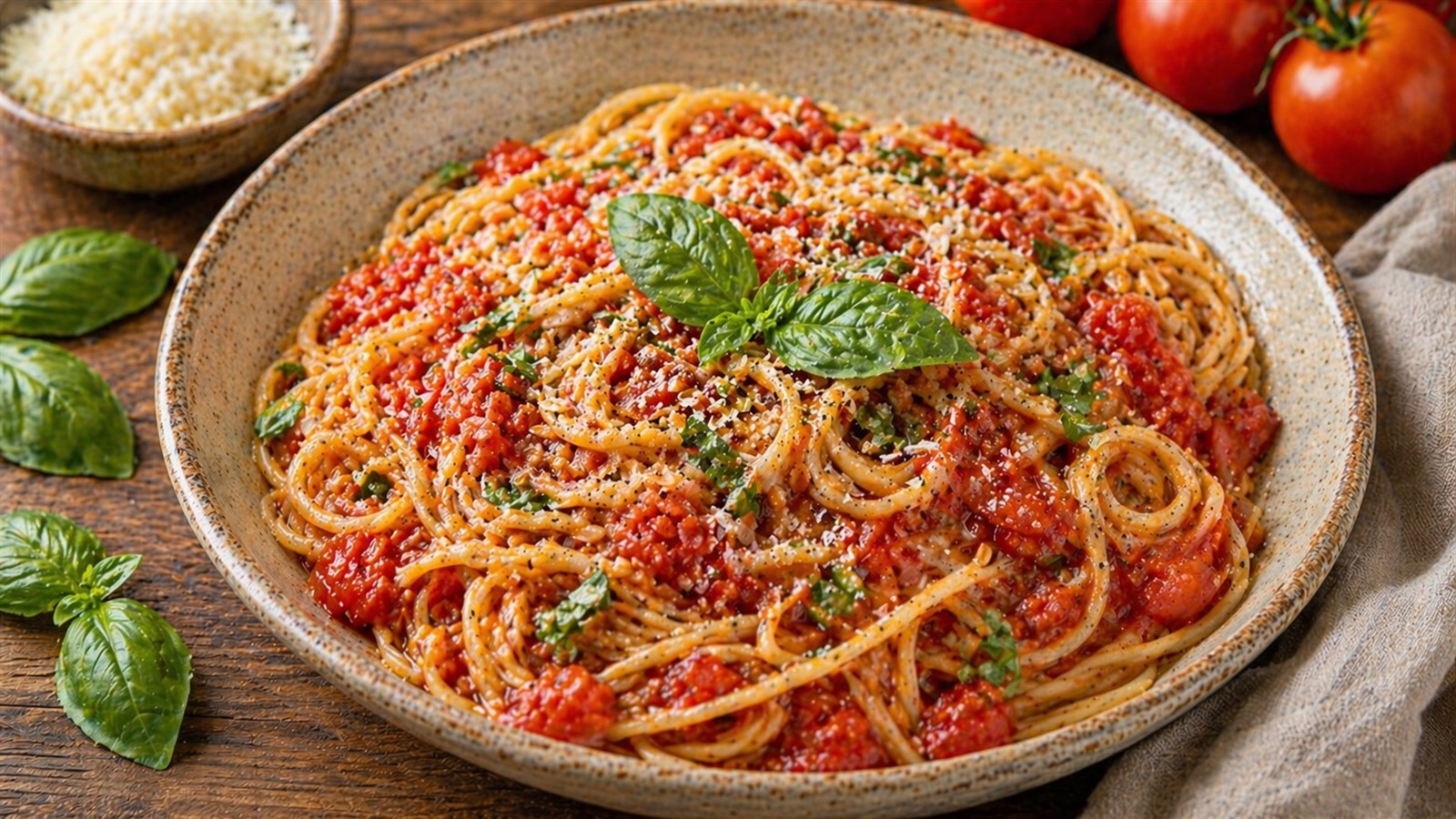 Recipe
Fresh tomato pasta
A quick pasta sauce made from ripe tomatoes cooked briefly in olive oil with garlic — one of the simplest ways to make peak tomato season taste worth the wait.
-
Guide
How to keep supporting local producers year-round
Many buyers are active in summer and fall but drift away in winter. Here is how to maintain that connection to local farms through every season, not just the abundant ones.
-
Guide
What questions to ask before buying meat, eggs, or produce locally
Buying from a local farm is different from grocery shopping — you can actually ask questions. Here's what's worth asking and why the answers matter.
-
Guide
Local Food Guide for Thanksgiving — Turkey, Sides, and Pies
Thanksgiving is one of the most food-focused holidays of the year. Here's how to source a local heritage turkey, find the best fall produce for your sides, and make a better pie from local ingredients.
-
Guide
What It Means to Build CollectiveCrop the Right Way
Building a platform for local food commerce the right way means making choices that serve producers and buyers — not just platform metrics. Here is what those choices look like for us.
-
Guide
Why fresh local food often means less packaging
Conventional food distribution depends heavily on packaging to protect products over long journeys and extended shelf time. Shorter local supply chains often require far less of it — though the relationship is not…


