
Search
Recipes, produce guides, seasonal articles, and Collective briefings — one place.
16 results for "oysters"
-
Guide
How direct commerce can strengthen regional food systems
When producers and buyers trade directly, without long intermediary chains, regional food systems become more connected, more economically sound, and more resilient. This article explores why direct commerce is a…
-
Guide
How local food systems strengthen small towns and cities
Local food systems do more than feed people — they circulate money, create jobs, and give communities a degree of self-sufficiency that long supply chains cannot provide.
-
Guide
How Local Food Systems Help Combat Food Deserts and Improve Community Health
Food deserts affect tens of millions of Americans — limiting access to fresh, nutritious food and contributing to diet-related chronic disease. Local food systems, when designed with access in mind, are one of the most…
-
Guide
Why Better Local Food Systems Need Both Trust and Technology
Trust and technology are not opposites in local food commerce — they are partners. Understanding how they work together reveals what it actually takes to build local food systems that last.
-
Guide
How small farms can save time with smarter ordering systems
Managing orders by hand is one of the biggest time drains for small farm operations. This post breaks down practical ways to streamline how you take, track, and fulfill orders without overhauling your whole operation.
-
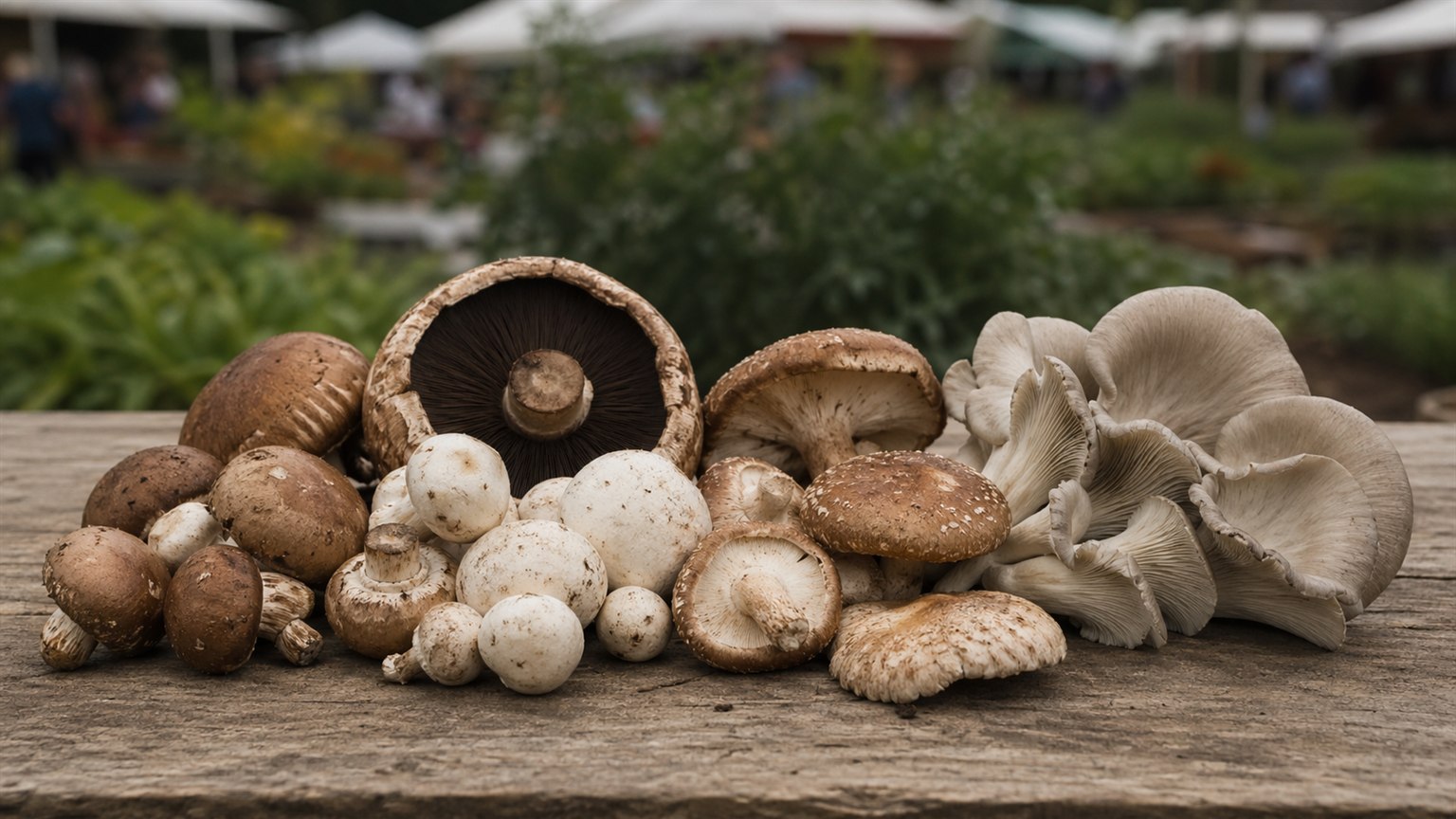 Produce
Mushrooms
Mushrooms are savory, quick-cooking, and useful across seasons. Button, cremini, portobello, shiitake, and oyster mushrooms all brown best when they are kept dry and given enough pan space.
-
Guide
How stronger local food networks benefit everyone
Strong local food networks create value that extends well beyond the individual transactions they support. From economic resilience to community cohesion, here is how robust regional food systems benefit all members of…
-
Guide
Why community-based commerce is worth rebuilding
Decades of consolidation in retail and food distribution have eroded community-based commerce. Rebuilding it — starting with local food systems — is harder than it sounds, but the case for doing so is more practical…
-
Guide
How Local Food Increases Resilience Against Supply Chain Disruptions
The COVID-19 pandemic exposed how fragile centralized food supply chains can be. Local and regional food systems offer real resilience benefits — here's what the data shows.
-
Guide
Why the future of local food needs better technology
Local food systems are strong on values but often weak on infrastructure. Better technology does not compromise what makes local food good — it makes it accessible to more people, more often.
-
Guide
Local food is not a trend — it is a better system
The case for local food isn't built on lifestyle preferences or nostalgia. It rests on real advantages in freshness, economics, community resilience, and accountability that the conventional food system structurally…
-
Guide
The community case for buying from small producers
Beyond personal preference, there is a genuine community case for directing food spending toward small local producers. This post examines the concrete social and economic arguments — without overstating them.
-
Guide
What happens when communities invest in nearby producers
When communities deliberately direct spending and support toward local food producers, the effects extend well beyond food. This article explores the economic and social outcomes that follow from sustained community…
-
Guide
Why Buying Local Food Matters More Than Ever
Local food isn't just a trend — it's a practical choice with real benefits for your health, your community, and the farmers who grow your food.
-
Guide
Why food access and local commerce belong in the same conversation
Food access and local food commerce are often discussed in separate conversations, but they are deeply connected. Building stronger local food economies is one of the more durable paths toward making good food available…
-
Guide
How local farms help build more resilient communities
Community resilience depends on more than emergency plans — it depends on whether the basics of life, including food, can be sourced nearby when things go wrong.
