
Search
Recipes, produce guides, seasonal articles, and Collective briefings — one place.
60 results for "dates"
-
Guide
How better product listings can increase farm sales
A product listing is often the first impression a buyer has of your farm. Small improvements to photos, descriptions, and pricing presentation can meaningfully increase the number of buyers who follow through to…
-
Guide
Why direct sales matter for small farms
Direct sales let small farms keep a larger share of what buyers pay and build lasting relationships with customers. This post explains why selling direct is worth building around and what the real tradeoffs look like.
-
Guide
What Makes a Small Farm Stand Out — and How to Tell the Story
Every farm has something that makes it distinct. Knowing how to identify and communicate that difference is one of the most valuable things a small producer can do for their business.
-
Guide
The benefits of sourcing local for cafes and restaurants
Local sourcing offers cafes and restaurants tangible advantages beyond quality — from stronger guest loyalty to more resilient supply relationships. Here is a practical look at what operators gain when they buy closer…
-
Guide
Why Producers Choose to Sell Direct — and What It Takes
Direct sales are harder in some ways and far more rewarding in others. Understanding why producers make this choice — and what sustains them — reveals something important about how local food really works.
-
Guide
How to Preserve Summer Produce for Later
Summer gives you more great produce than you can eat right now. Here's how to freeze, pickle, and put up the best of the season so you're eating local food all winter long.
-
Guide
What makes a great local food membership program
Not all membership programs are worth joining. Here's what separates the ones that genuinely benefit buyers from those that just add friction and fees to the experience.
-
Guide
The best way to photograph farm products for online sales
Good product photos do more selling work than almost anything else in your online store. This guide covers practical photography techniques for small farm producers using a smartphone and natural light.
-
Guide
What makes an online farm store feel premium
Premium doesn't require expensive packaging or a marketing agency. For farm stores, it comes from the clarity, care, and consistency of how you present your products online.
-
Guide
Fresh-Picked vs Supermarket Produce — Does It Really Matter?
Is produce that was picked this morning actually different from what's at the grocery store? Yes — in ways that are measurable, visible, and taste-able. Here's what the evidence shows.
-
Guide
How Collective Crop makes local food easier to buy
Buying from local farms can feel scattered and confusing. Collective Crop brings producers and buyers together in one place so the whole experience is simpler from start to finish.
-
Guide
Why summer produce tastes better when it is truly fresh
The flavor difference between truly fresh local summer produce and grocery store alternatives is not just perception — there are real reasons why freshness changes everything.
-
Blog
This week in food and farming: April 18, 2026
As of April 18, 2026, the most useful food-and-farming updates are about mixed cost pressure, planting intentions, and specialty-crop reporting deadlines. Here is what changed and what to do with it this week.
-
Guide
How Collective Crop makes buying local easier
Buying local food is something most people want to do, but the experience of actually doing it is often more scattered and time-consuming than it needs to be. This post explains how a dedicated marketplace changes that.
-
Guide
What Does Pasture-Raised Really Mean
Pasture-raised is one of the most meaningful labels you'll find on meat, eggs, and dairy — but it's also one of the most misunderstood. Here's what it actually means and how to verify it.
-
Guide
What makes an online marketplace feel credible
Credibility in a local food marketplace is not about polish or branding — it is about whether buyers can trust what they read, find who they are buying from, and rely on the platform to stand behind what it presents.
-
Guide
What makes pasture-raised, farm-fresh, and naturally grown different
Terms like pasture-raised, farm-fresh, and naturally grown appear on a lot of products but mean very different things. Understanding the distinctions helps you make more confident purchasing decisions.
-
Guide
What makes small-batch dairy and cheese special
Small-batch dairy and artisan cheese from local producers offer something commercial operations genuinely cannot replicate — and understanding why helps you appreciate what you're buying.
-
Guide
Which local food buying option makes the most sense for your life?
CSA subscriptions, farmers markets, online farm stores, and buying clubs are all ways to buy local food — and they suit different households differently. This guide helps you think through which option actually fits…
-
Guide
Why seasonal eating makes sense
Eating seasonally isn't about following a food trend — it's a practical way to get better flavor, lower prices, and more variety over the course of a year.
-
Guide
What Is Regenerative Agriculture — and Why Does It Matter?
Regenerative agriculture is a farming approach focused on rebuilding soil health, increasing biodiversity, and restoring ecosystems. Here's what it actually means, how it differs from organic, and why it matters for the…
-
Guide
What to do with bell peppers
Bell peppers are one of the easiest vegetables to work through because they are good raw, cooked, and frozen for later. These ideas help you use a full bag without boredom.
-
Guide
Why Better Local Food Systems Need Both Trust and Technology
Trust and technology are not opposites in local food commerce — they are partners. Understanding how they work together reveals what it actually takes to build local food systems that last.
-
Guide
How producers can tell their story without sounding salesy
Your farm story is one of your strongest assets. But the way you tell it makes all the difference between a buyer who connects with you and one who clicks away.
-
Guide
Why Small Farm Producers Start Selling Direct
Behind every small farm is a reason it exists. Understanding why producers choose direct sales — and what drives them to farm in the first place — helps buyers connect with the food they buy.
-
Guide
How small farms can save time with smarter ordering systems
Managing orders by hand is one of the biggest time drains for small farm operations. This post breaks down practical ways to streamline how you take, track, and fulfill orders without overhauling your whole operation.
-
 Recipe
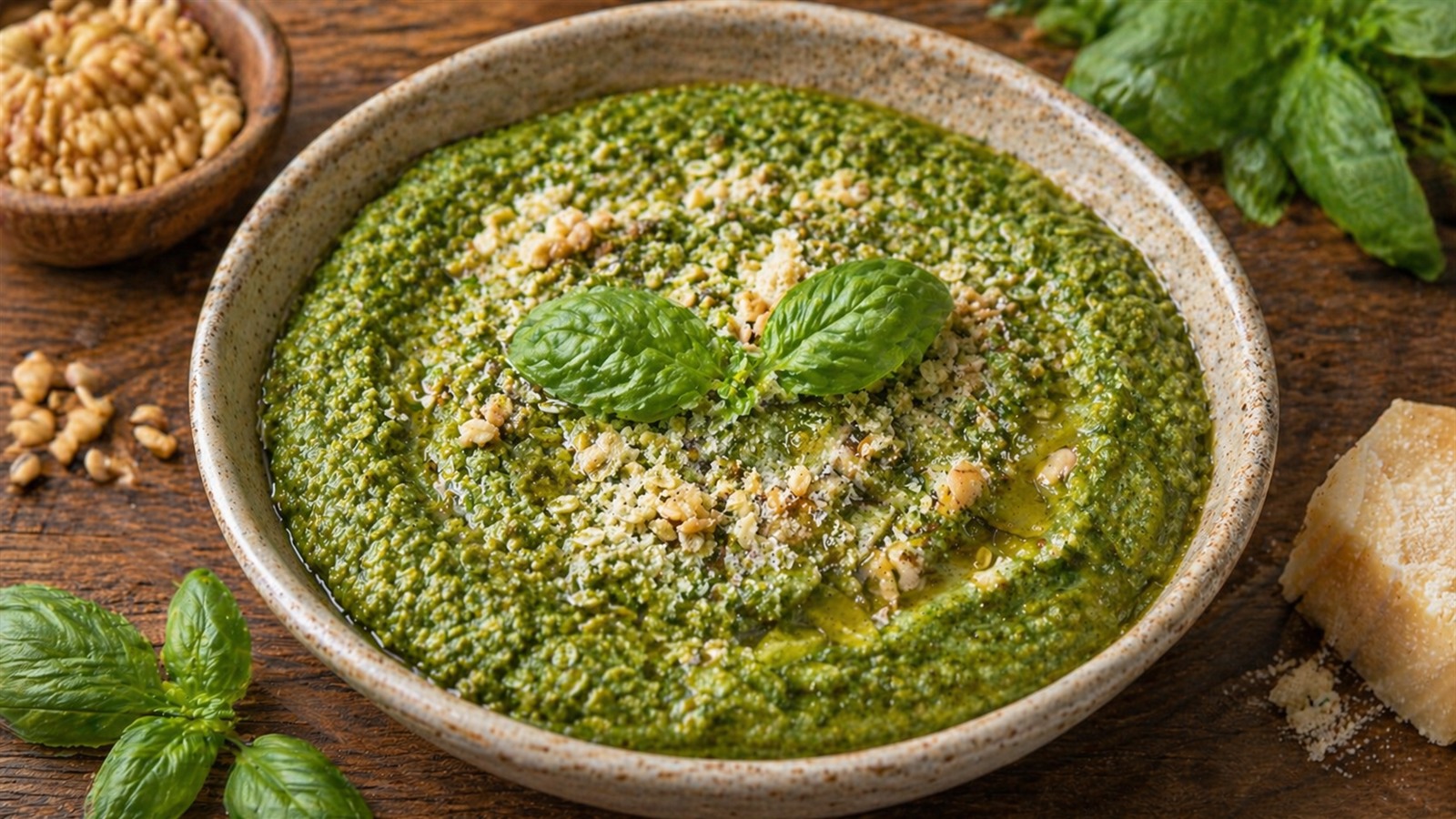
Basil pesto
A quick blender sauce that turns a large bunch of fresh basil into something you can use through the week — on pasta, toast, eggs, vegetables, and more — and freeze for later.
-
Guide
Building a Stronger Bridge Between Local Producers and Local Buyers
The gap between local producers and the buyers who want to find them is one of the most solvable problems in food commerce. Here is why that bridge matters and what it takes to build it well.
-
 Recipe
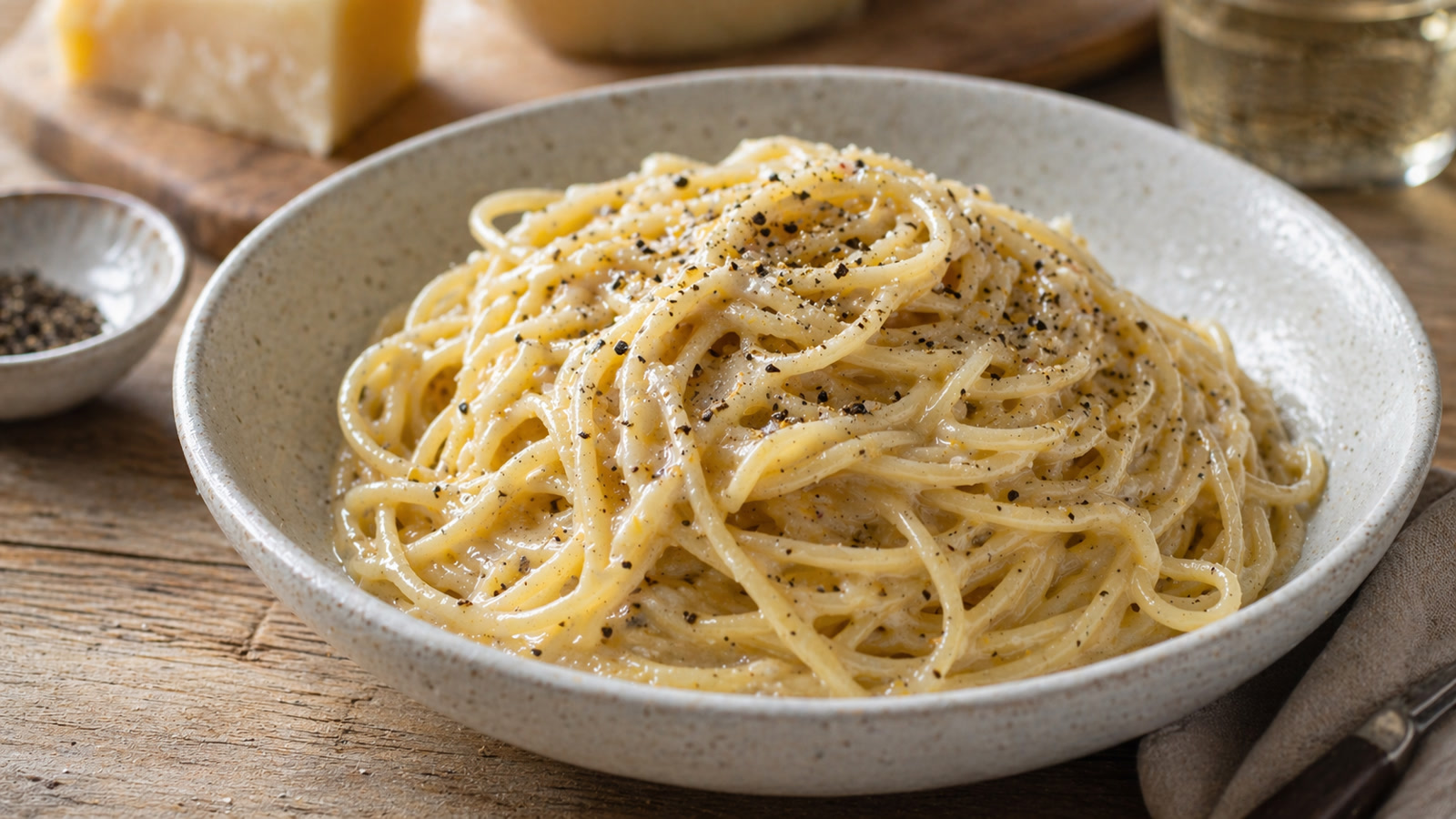
Cacio e pepe
Roman pasta with only three ingredients — pasta, Pecorino Romano, and black pepper — emulsified into a silky, peppery sauce that tastes like it came from a Trastevere trattoria.
-
 Recipe
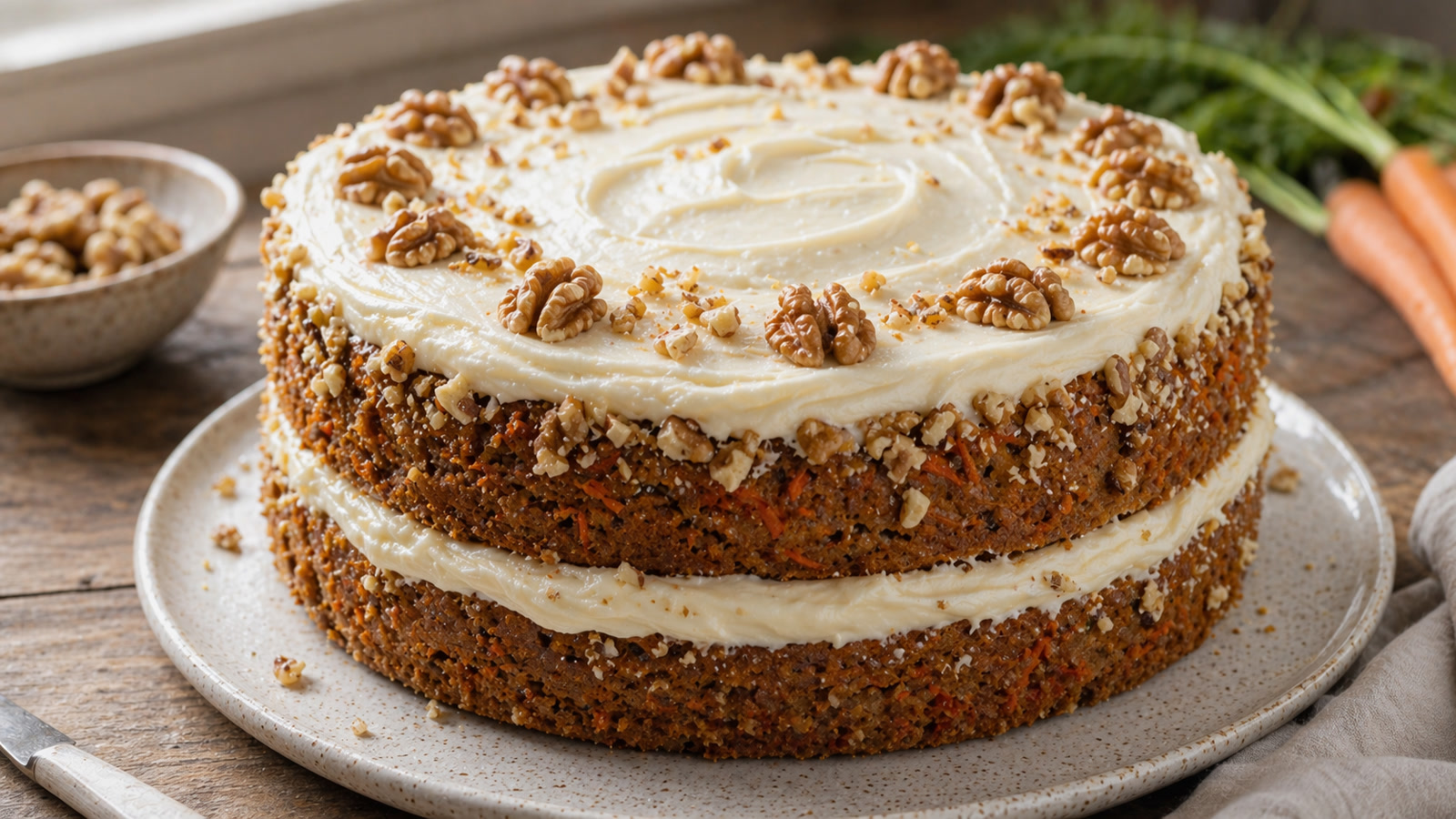
Classic carrot cake
A moist, spiced carrot cake with walnuts and a thick cream cheese frosting — the old-fashioned Easter centerpiece that tastes better two days later.
-
Guide
Easy summer meals built around farm-fresh ingredients
Farm-fresh summer produce makes cooking easier, not harder. Here are simple, satisfying meal ideas built around what local farms have right now.
-
Guide
How local food can be part of a more thoughtful lifestyle
A more thoughtful approach to everyday life does not require dramatic overhauls. Choosing local food more often is one of the more tangible ways to align daily habits with deeper values around community, environment,…
-
Guide
How to grow cucumbers
Cucumbers grow well when they have warmth, water, and enough room to keep producing. The simplest path is to give them support and harvest regularly.
-
Guide
How to shop at a farmers market
Shopping at a farmers market gets easier when you stop trying to buy everything and start shopping for a few useful meals. A simple plan makes the whole experience better.
-
 Produce
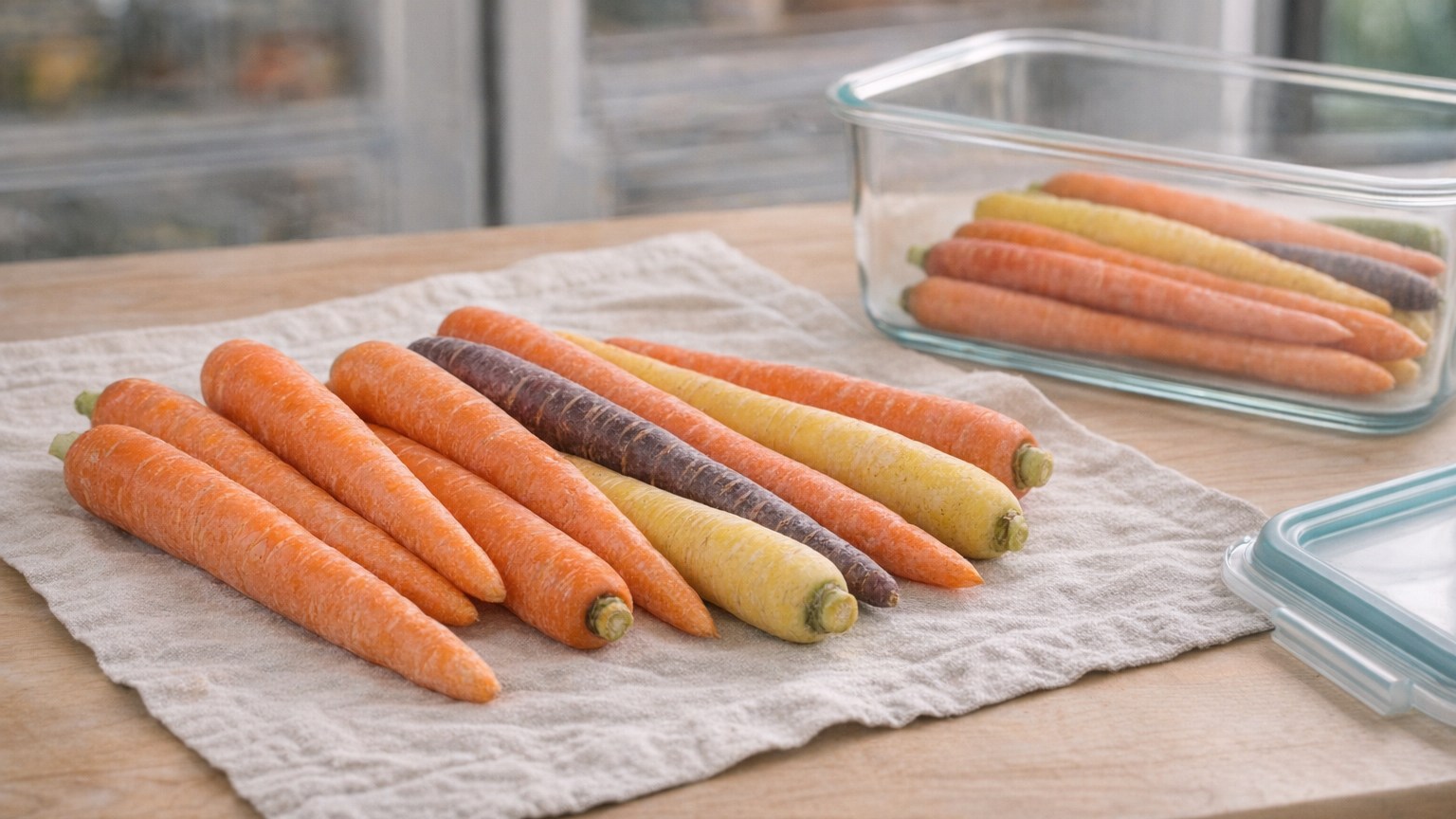
How to store carrots
Carrots last longer than many vegetables, but they still do better when you store them dry, cold, and without their tops attached. A little prep at the start makes a big difference.
-
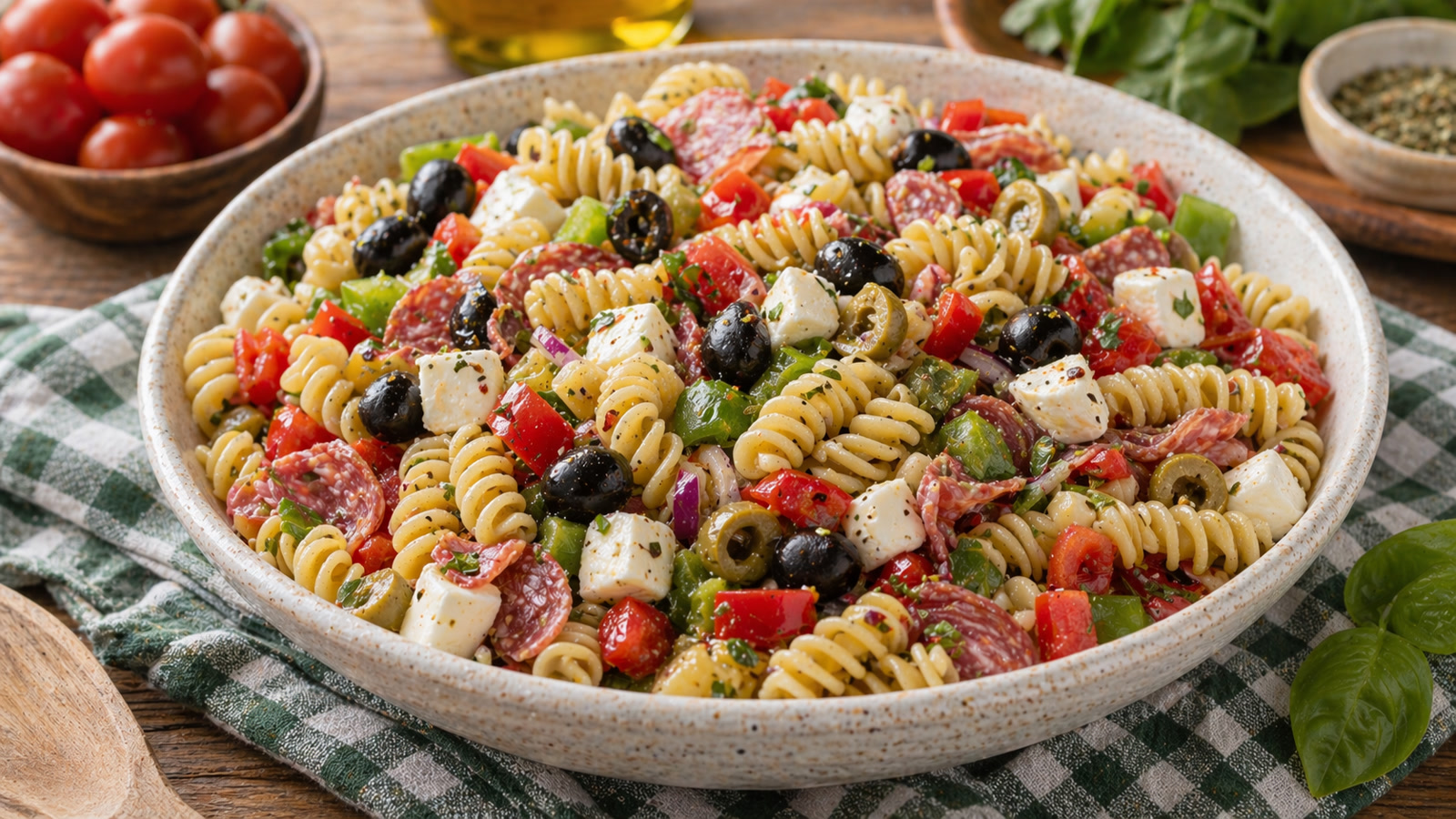 Recipe
Italian pasta salad
A classic cold pasta salad with mozzarella, salami, olives, tomatoes, and a zesty Italian dressing — the BBQ and picnic staple that actually tastes better on day two.
-
Guide
Meet the Grower: What to Look for in a Farm Profile
A strong farm profile is one of the most powerful tools a small producer has. Learn what makes grower profiles compelling, trustworthy, and worth reading.
-
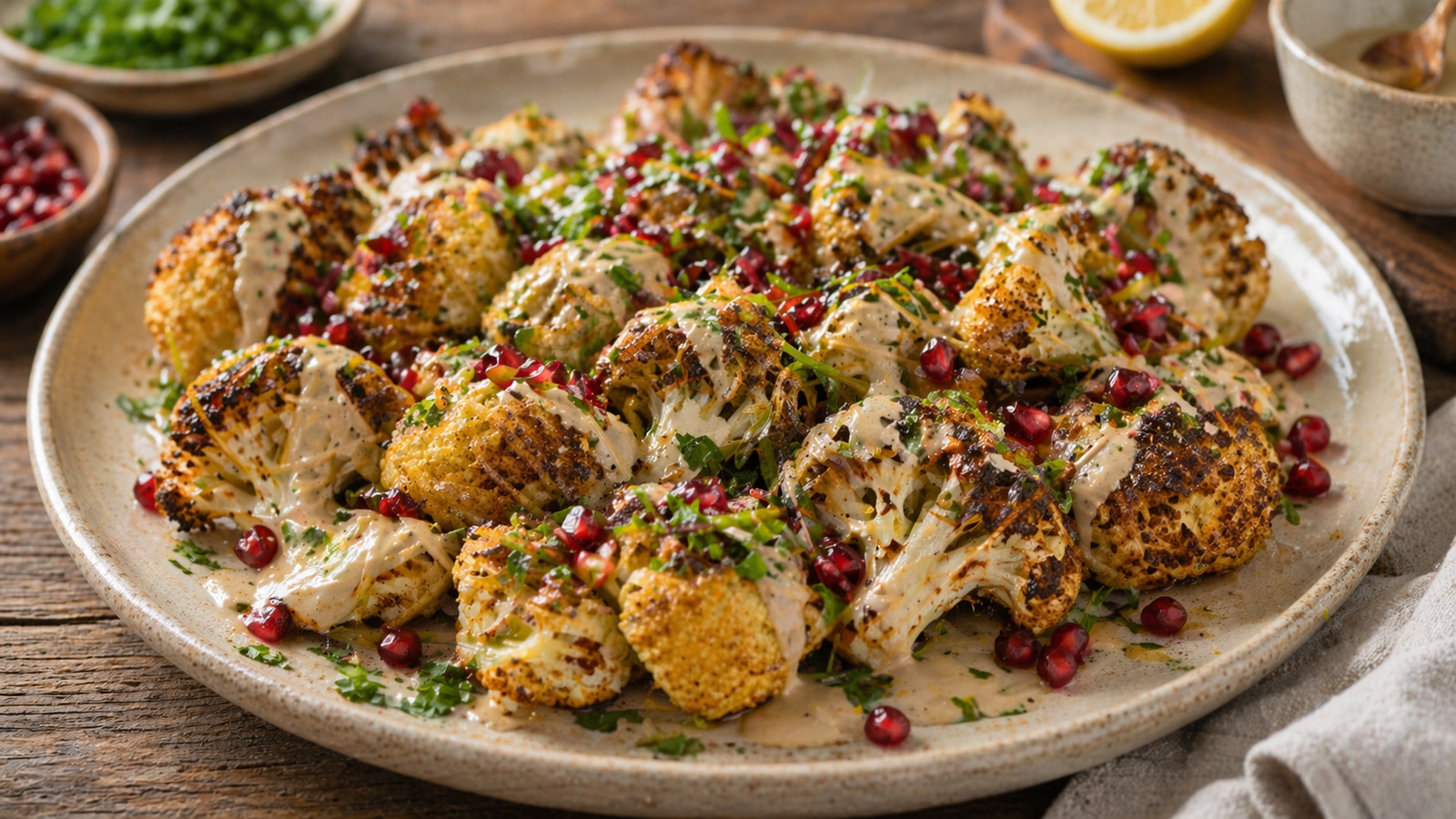 Recipe
Roasted cauliflower with tahini
Deeply charred cauliflower florets drizzled with creamy lemon tahini, pomegranate, and fresh herbs — a show-stopping side that eats like a main.
-
Guide
Sustainability without the buzzwords: why local matters
The word "sustainable" has become so overused in food marketing that it has lost much of its meaning. This post cuts through the noise to look honestly at what local food does and does not do for environmental…
-
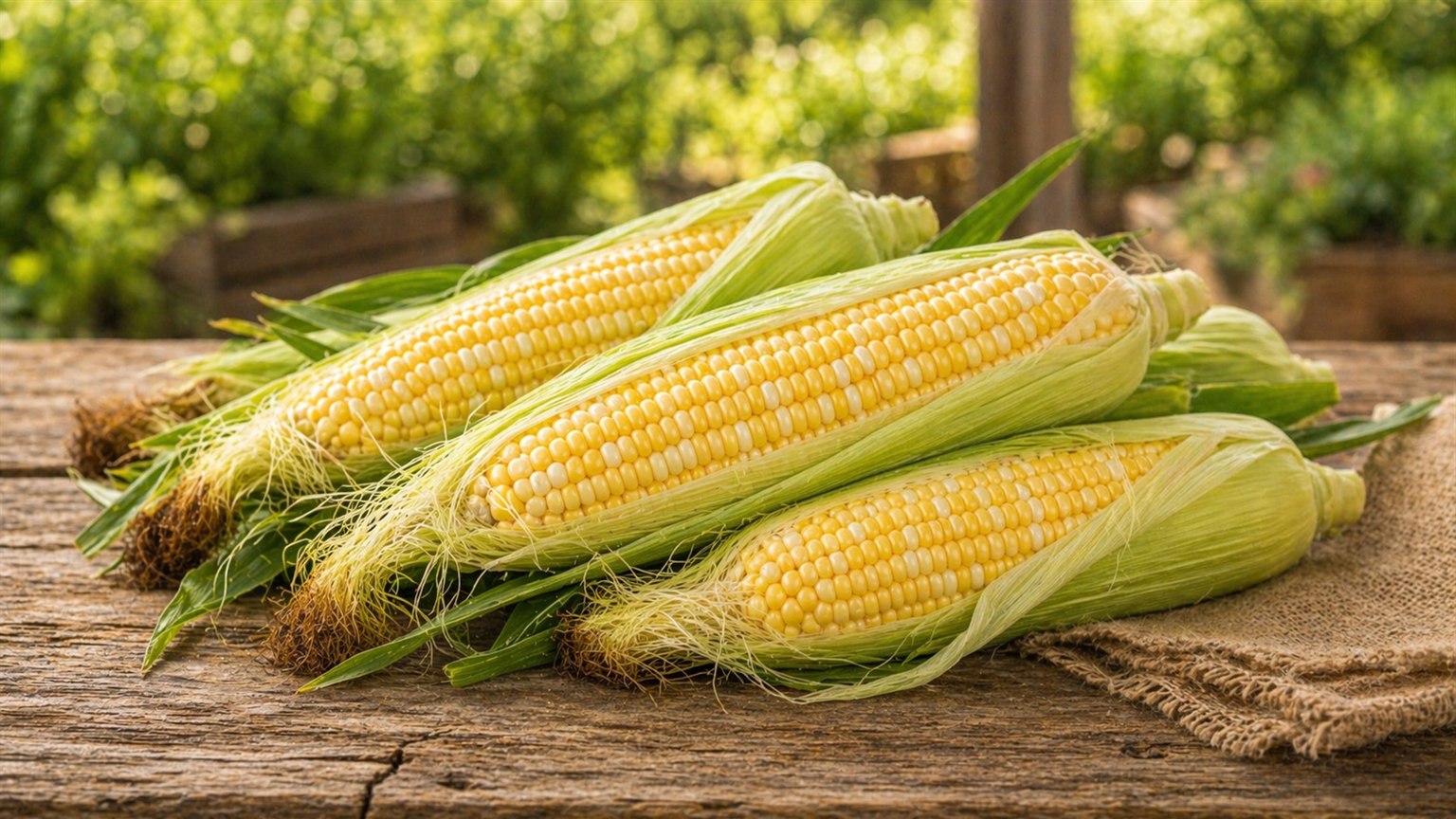 Produce
Sweet Corn
Sweet corn loses its sugar to starch conversion the moment it is picked — sometimes measured in hours, not days. Local corn bought the day it is harvested is a different vegetable from supermarket corn. No other produce…
-
Guide
The best local foods to bring to a gathering
Whether it is a dinner party, a potluck, or a holiday table, bringing food from a local farm makes a stronger impression than anything from a grocery store shelf.
-
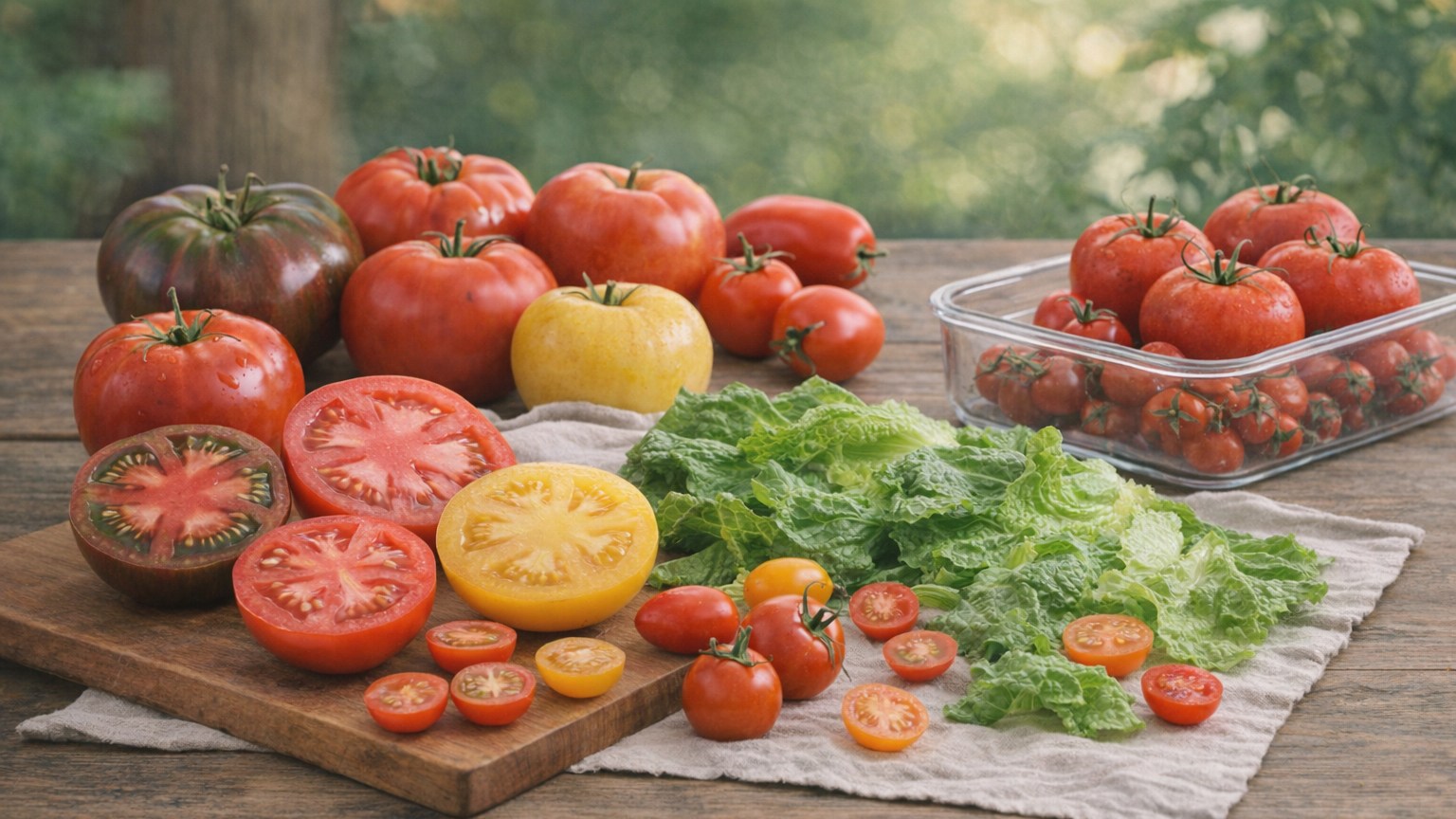 Produce
What do tomatoes taste like? Types explained
Tomatoes can taste sweet, tangy, savory, or deeply rich depending on the type and ripeness. Knowing the basic tomato families makes it easier to buy and cook them well.
-
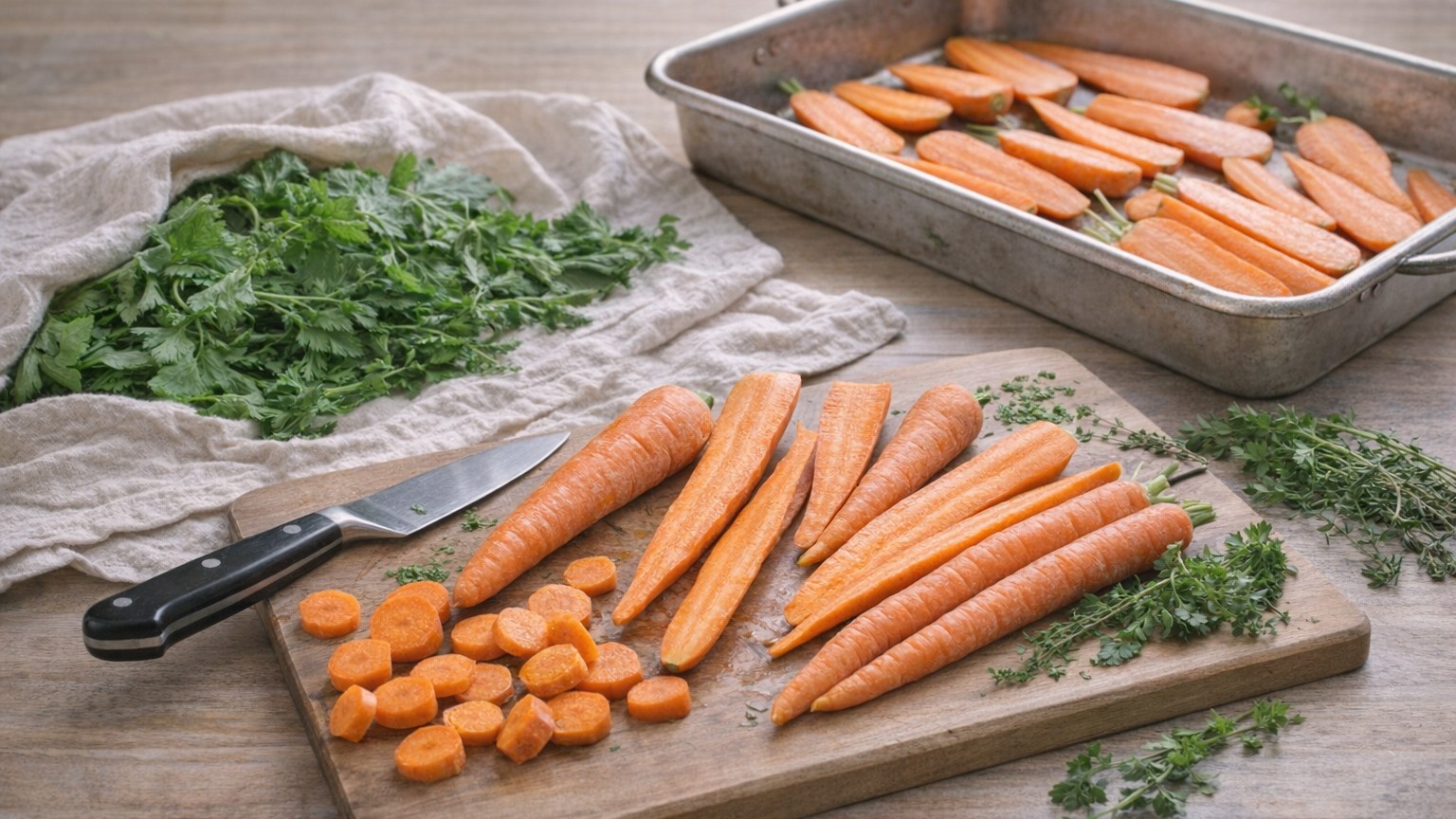 Produce
What is a carrot and how to cook it
Carrots are one of the most flexible root vegetables because they can be eaten raw, roasted, sauteed, simmered, or grated into both savory and sweet dishes.
-
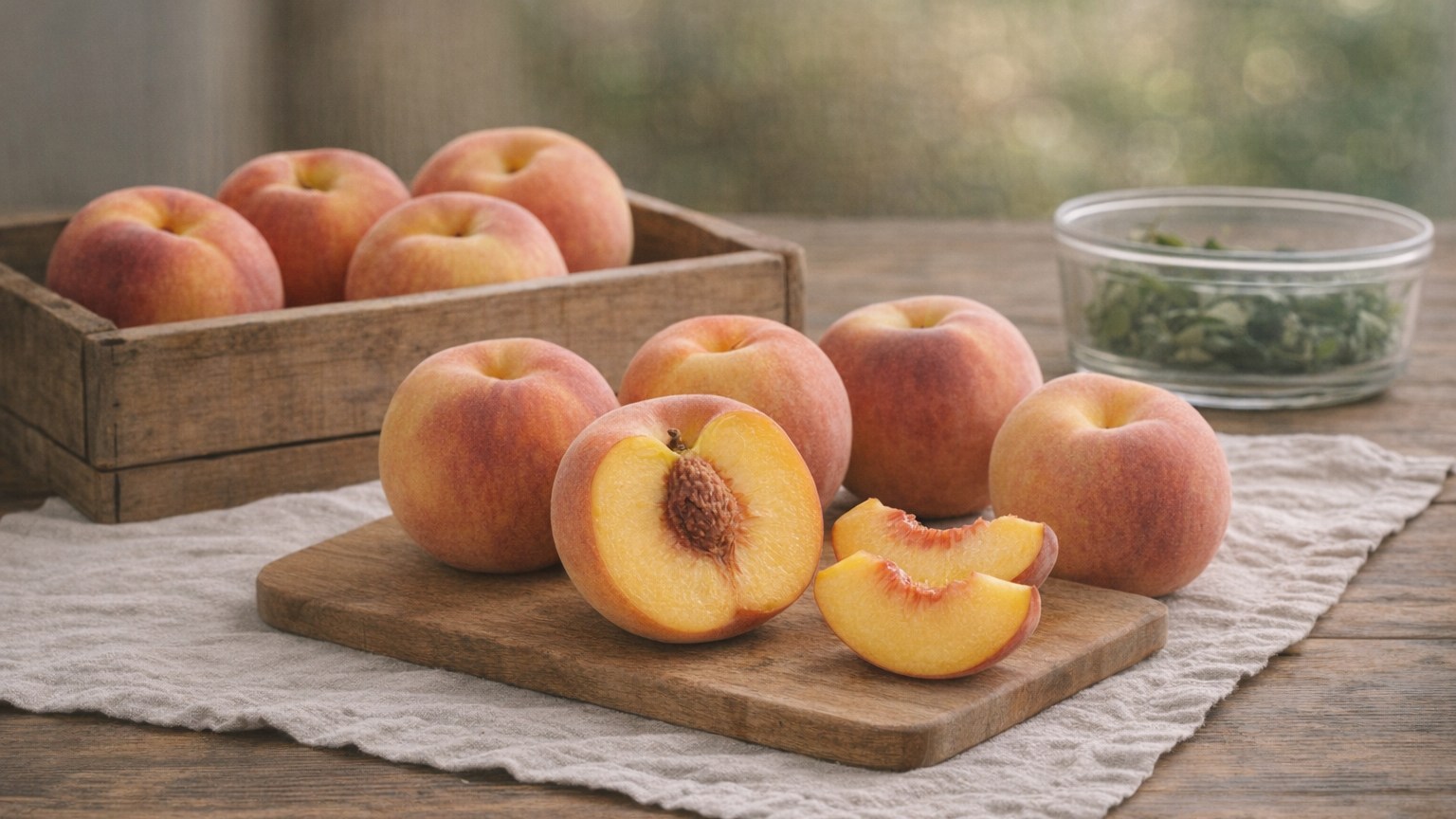 Produce
What is a peach and how to use it
Peaches are juicy summer fruit that can be eaten fresh, baked, grilled, or cooked into simple sauces. Their biggest challenge is timing rather than complexity.
-
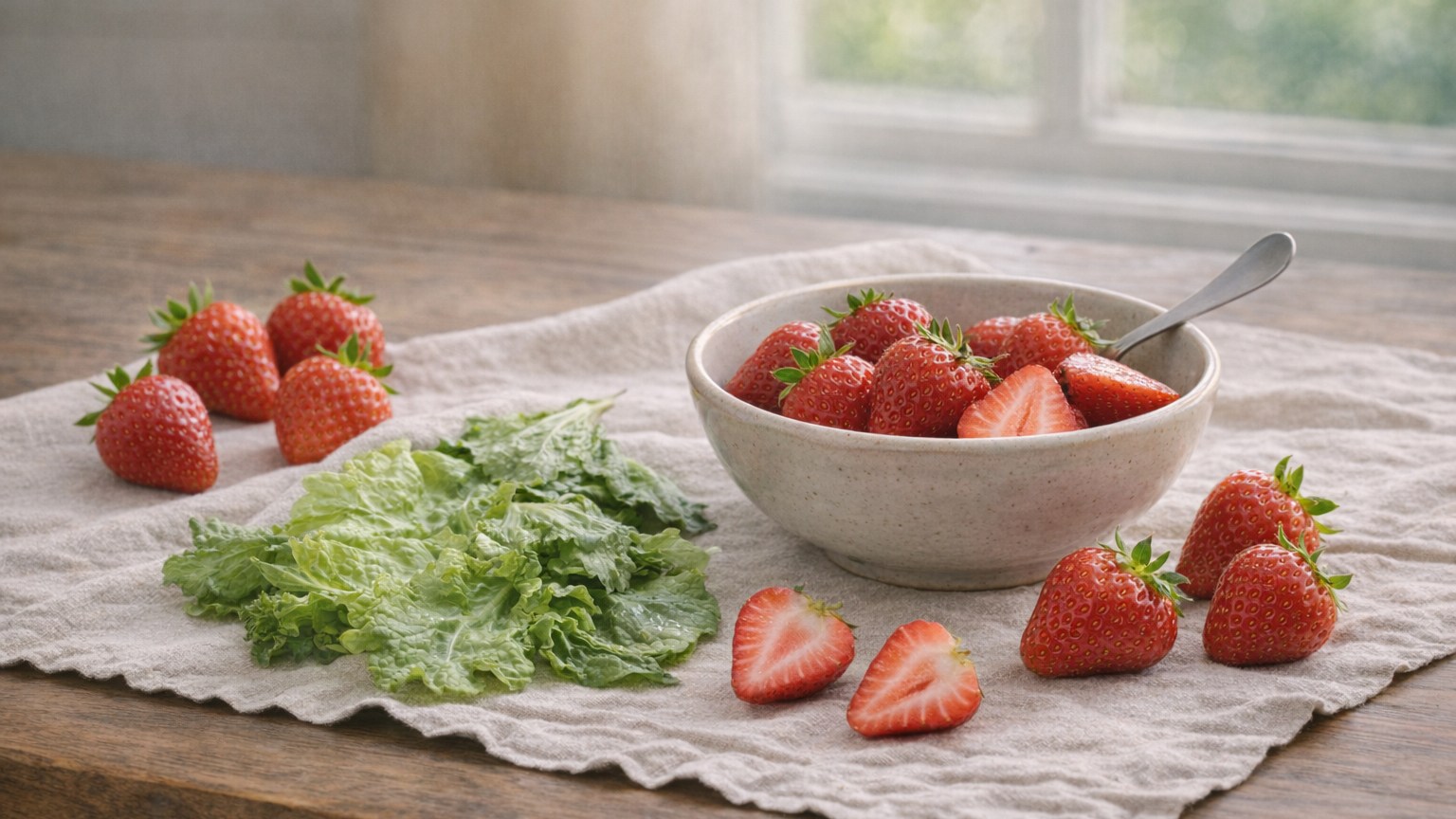 Produce
What is a strawberry and how to use it
Strawberries are sweet, fragrant fruit that work best when you respect how delicate they are. They can be eaten fresh, cooked lightly, or frozen without much trouble.
-
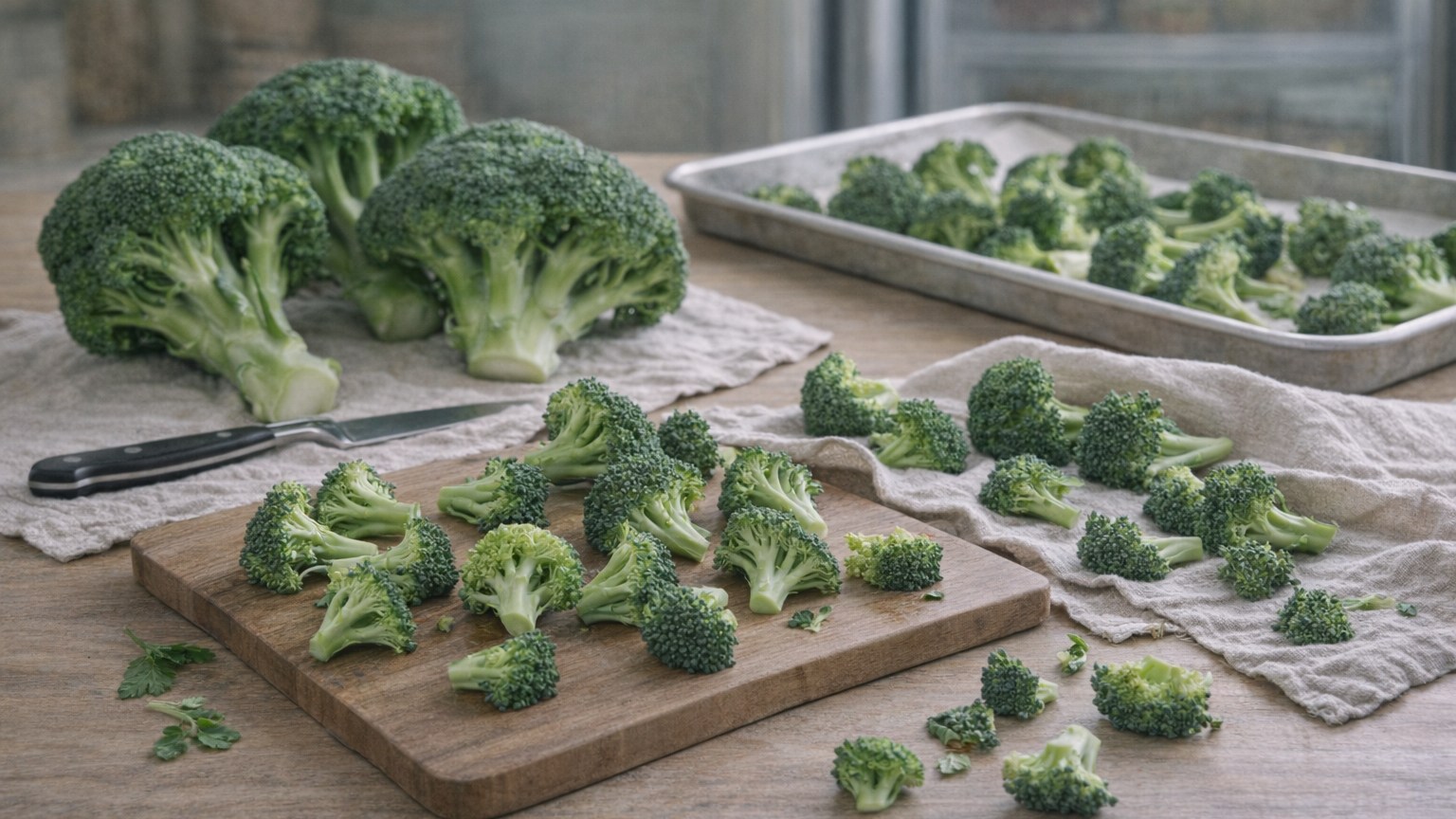 Produce
What is broccoli and how to cook it
Broccoli is one of the most useful vegetables to know because it can be roasted, steamed, sauteed, stir-fried, and eaten raw with very little fuss.
-
 Produce
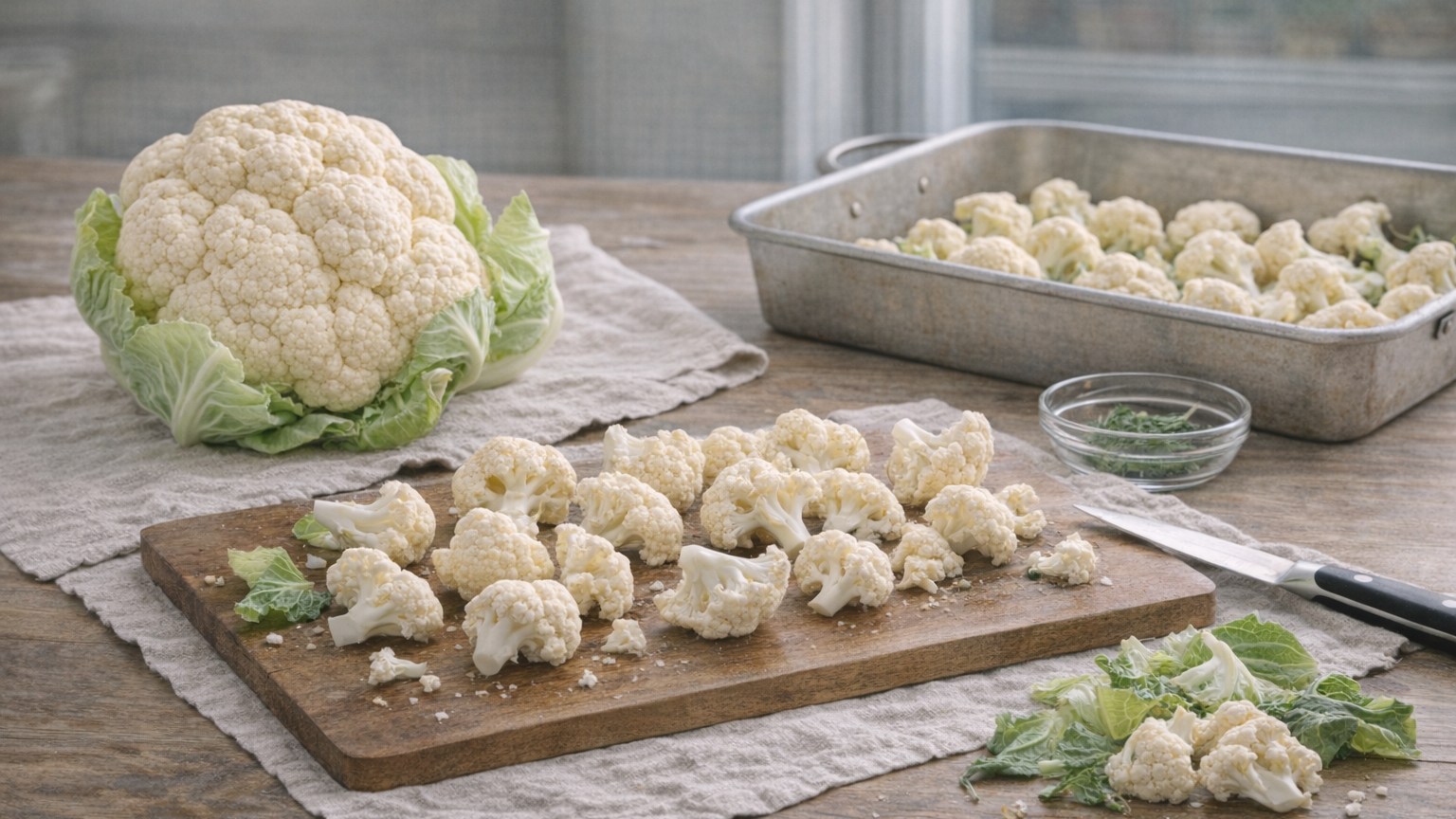
What is cauliflower and how to cook it
Cauliflower is a mild brassica that takes on seasoning well and works in everything from simple roasting to soup and mash. Its strength is flexibility.
-
 Produce
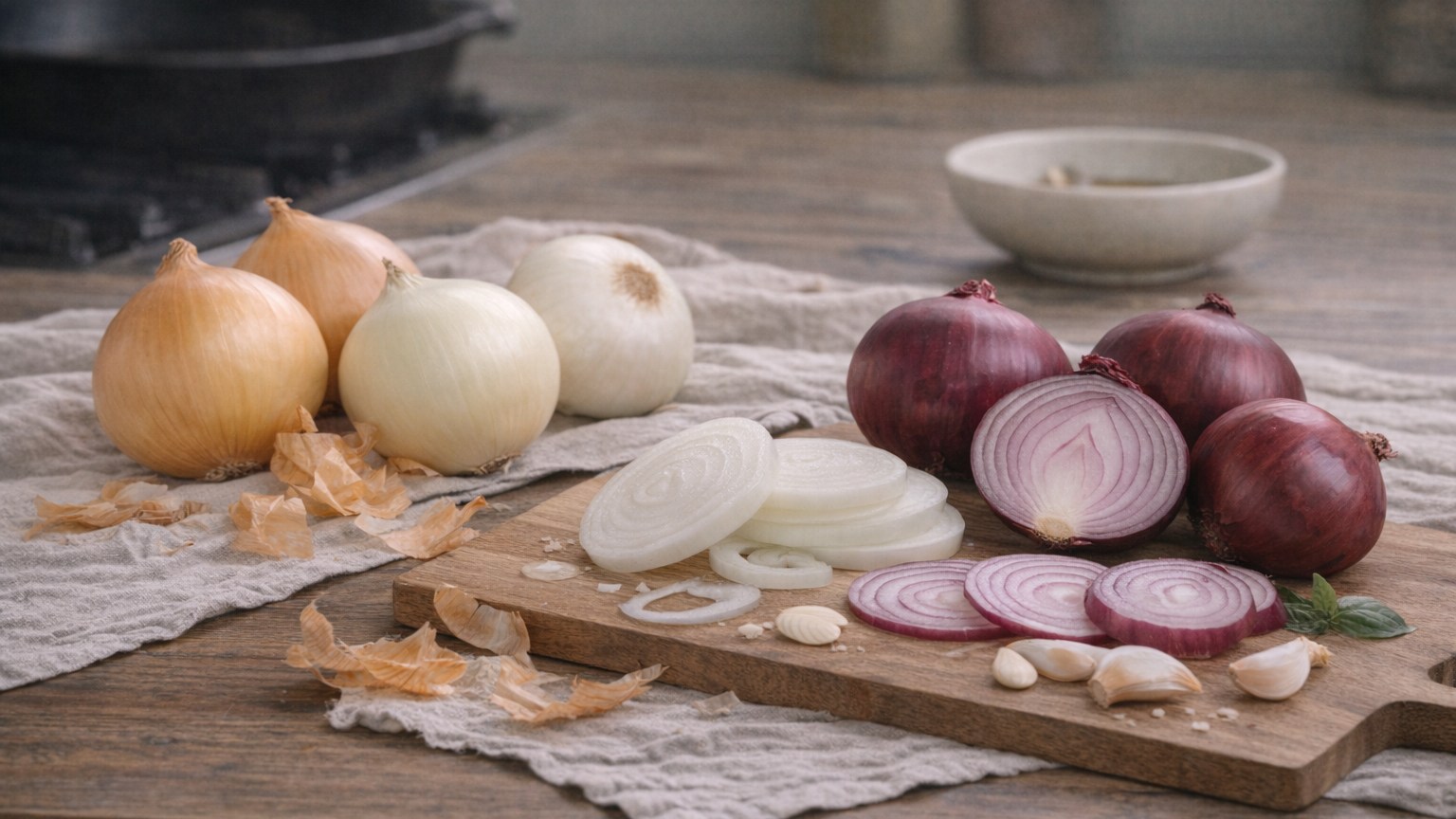
What is onion and how to use it
Onions are one of the most useful vegetables in the kitchen because they work as both a base ingredient and a finished component. Learning a few onion styles makes everyday cooking much easier.
-
 Produce
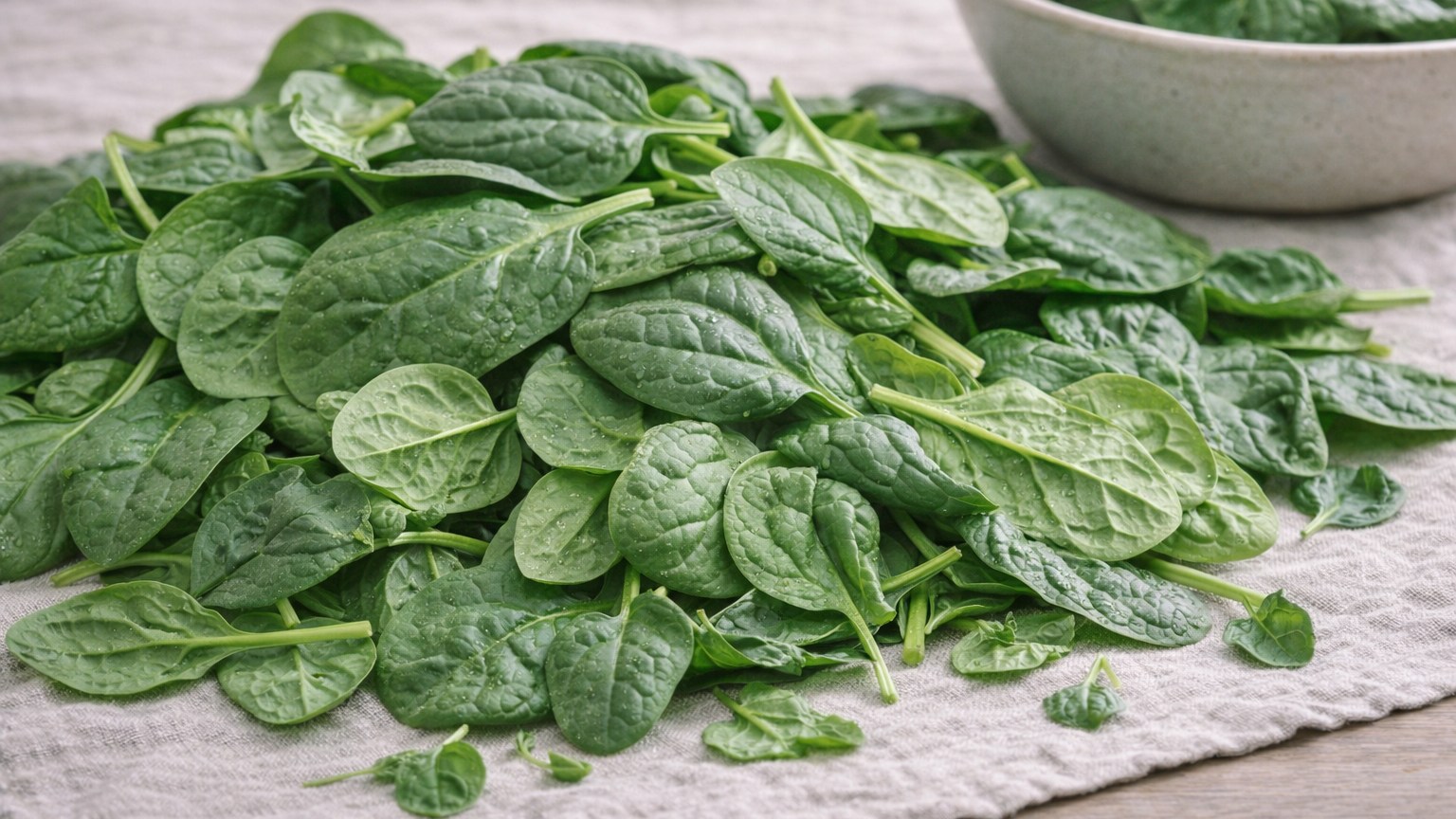
What is spinach and how to use it
Spinach is a tender green that can move from raw salads to quick-cooked meals without much effort. Its mild flavor makes it one of the easiest greens to fold into daily cooking.
-
Guide
What responsible food buying looks like
Responsible food buying does not require perfection or a complete overhaul of your shopping habits. It means being intentional about where your food comes from and making better choices where you can, consistently and…
-
Blog
What rising farm costs mean for local food
USDA and BLS data suggest 2026 is not a story of uniform farm-cost spikes, but borrowing, labor, electricity, and some price pressures still matter. Here is what that may mean for local food buyers, growers, and farmers…
-
Guide
What to do with extra strawberries
Extra strawberries do not give you much time, so the best plan is to sort them quickly and use the most delicate berries first. These ideas help you get through them before mold or softness takes over.
-
Guide
Why fall farm shopping feels different
There is something distinct about buying from local farms in fall — the pace, the products, the sense of the season coming together. Here is what makes fall shopping its own kind of experience.
-
Blog
Why farmers are shifting acreage between soybeans and corn
USDA's March 31, 2026 planting-intentions report showed fewer planned corn acres and more planned soybean acres. Here is what the public data suggests, and what it may mean without pretending every grower is making the…
-
Guide
Why local produce can make healthy eating easier
Healthy eating is easier when the food you bring home is genuinely good. Local produce, because it tends to be fresher and more flavorful, removes some of the friction that makes eating well feel like work.
-
Guide
Why producer stories build buyer confidence
When buyers know who is growing their food and why, they buy with more confidence and more loyalty. Producer stories are not marketing fluff — they are a core part of what makes local food trustworthy.
-
Guide
Why the future of local food needs better technology
Local food systems are strong on values but often weak on infrastructure. Better technology does not compromise what makes local food good — it makes it accessible to more people, more often.
-
Guide
Best spring vegetables to buy locally
Not all spring vegetables are worth seeking out from a local farm — but some are dramatically better when grown nearby and harvested fresh. Here are the ones worth prioritizing this season.
-
Guide
How membership pricing can reward loyal buyers
Membership pricing in local food is not just a discount scheme — it creates a more stable, rewarding experience for buyers who commit to buying regularly from local producers.
-
Guide
Common reasons local producers delay selling online
Most small farms that aren't selling online yet have reasons that feel legitimate — time pressure, technology discomfort, uncertainty about demand. This post looks at those reasons honestly and examines which ones hold…


