
Search
Recipes, produce guides, seasonal articles, and Collective briefings — one place.
60 results for "basil"
-
 Produce
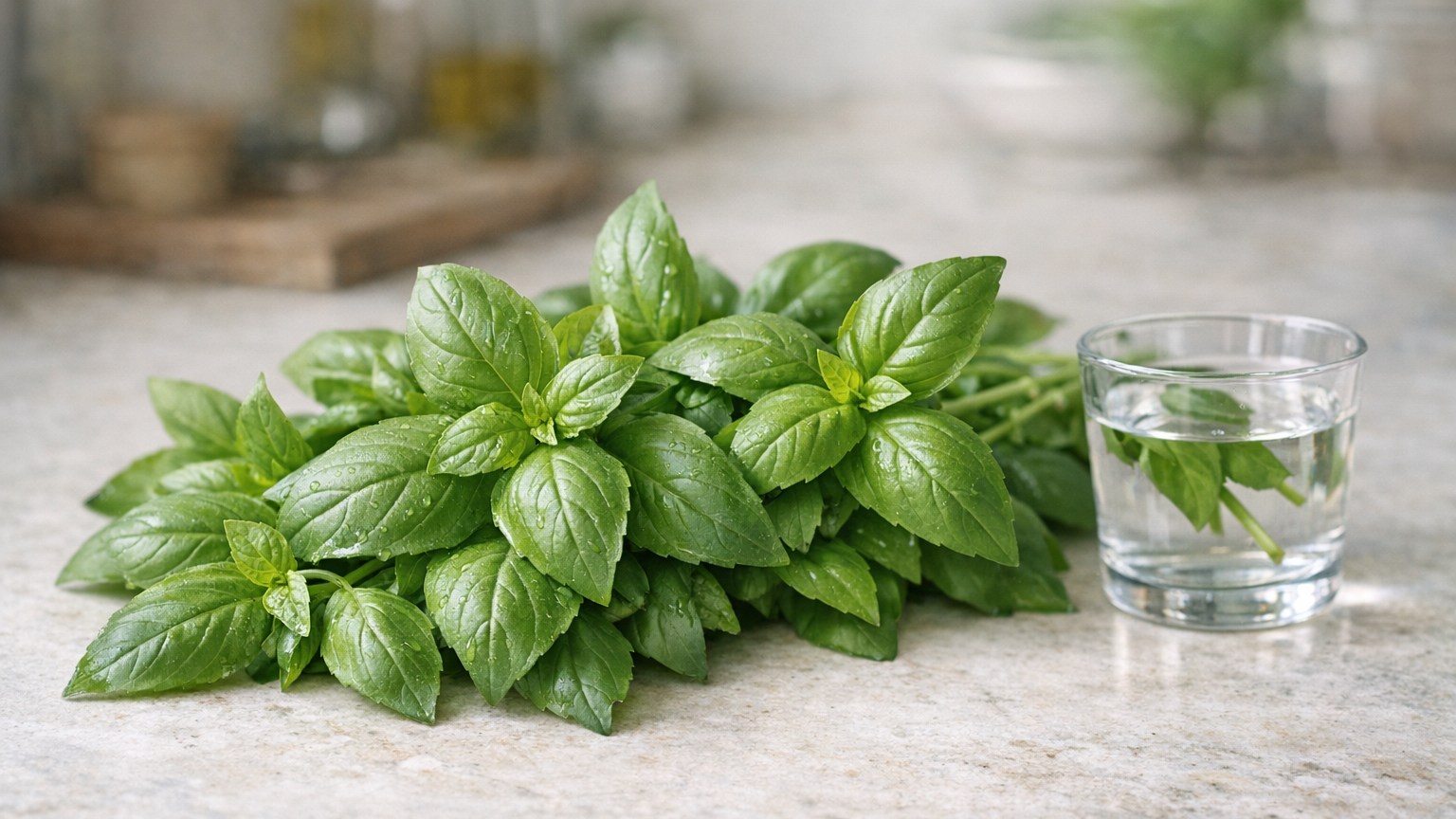
Basil
Basil is the signature summer herb — bright, aromatic, and versatile. Growing it at home is the easiest way to have a good herb on hand, but local farm basil at a farm stand beats supermarket plastic-pack herbs by a…
-
 Produce
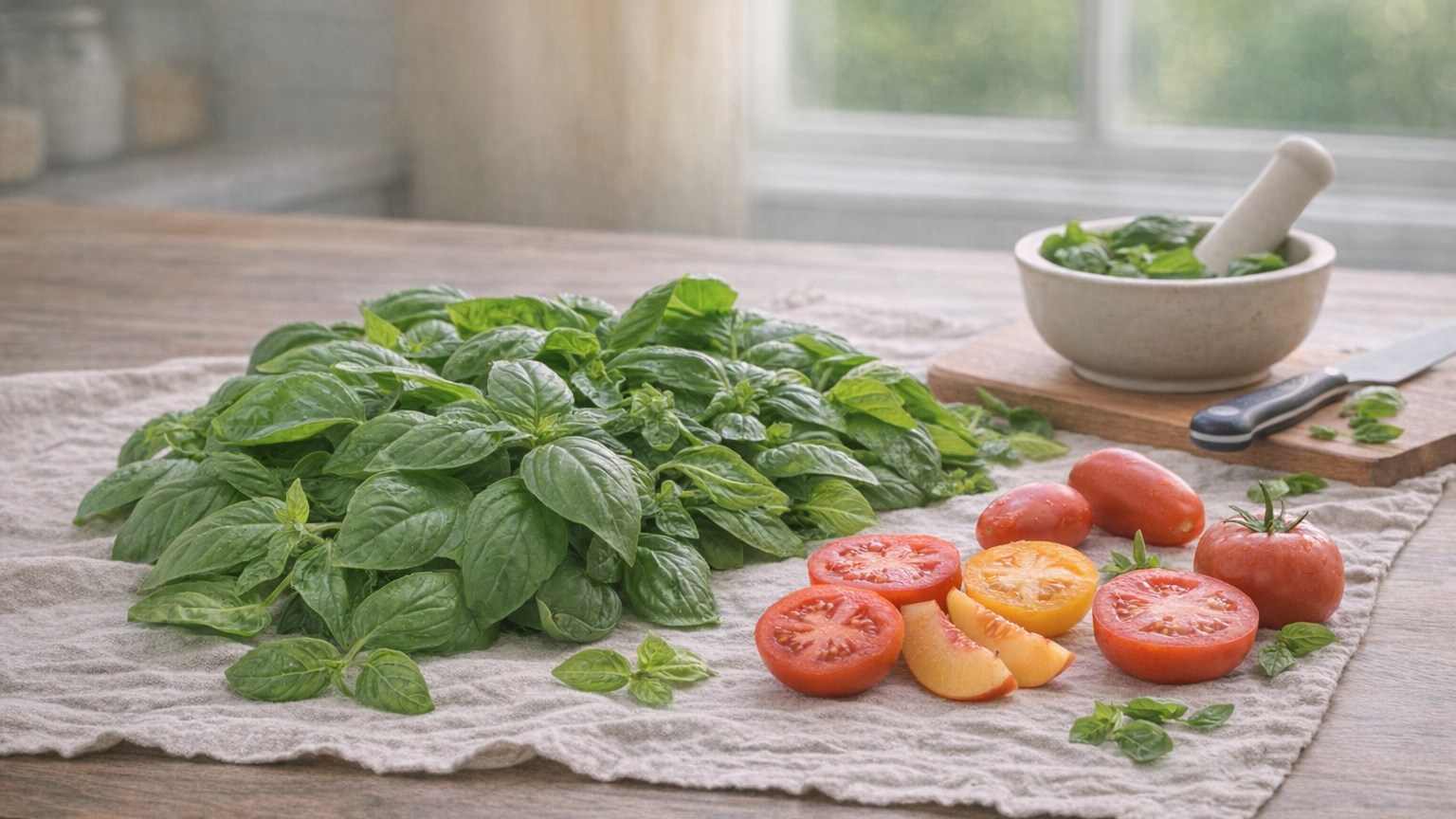
What is basil and how to use it
Basil is a tender herb with a strong fresh aroma and a clear place in simple everyday cooking. A little goes a long way, but a bunch is still easy to use once you know where it fits.
-
Guide
What to do with fresh basil
Fresh basil has huge flavor but not much patience. These are the easiest ways to use a full bunch before the leaves blacken or collapse.
-
 Recipe
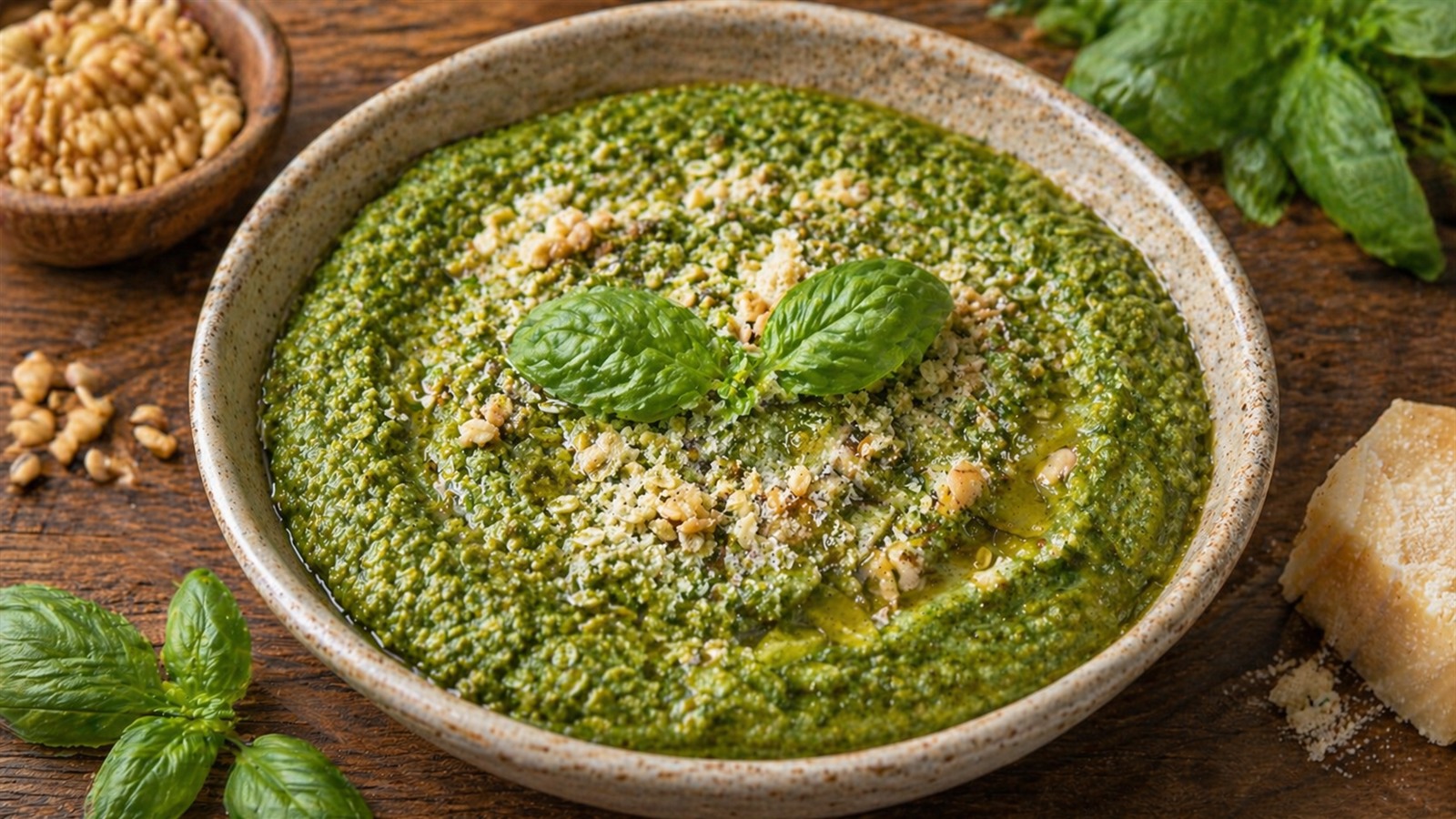
Basil pesto
A quick blender sauce that turns a large bunch of fresh basil into something you can use through the week — on pasta, toast, eggs, vegetables, and more — and freeze for later.
-
 Recipe
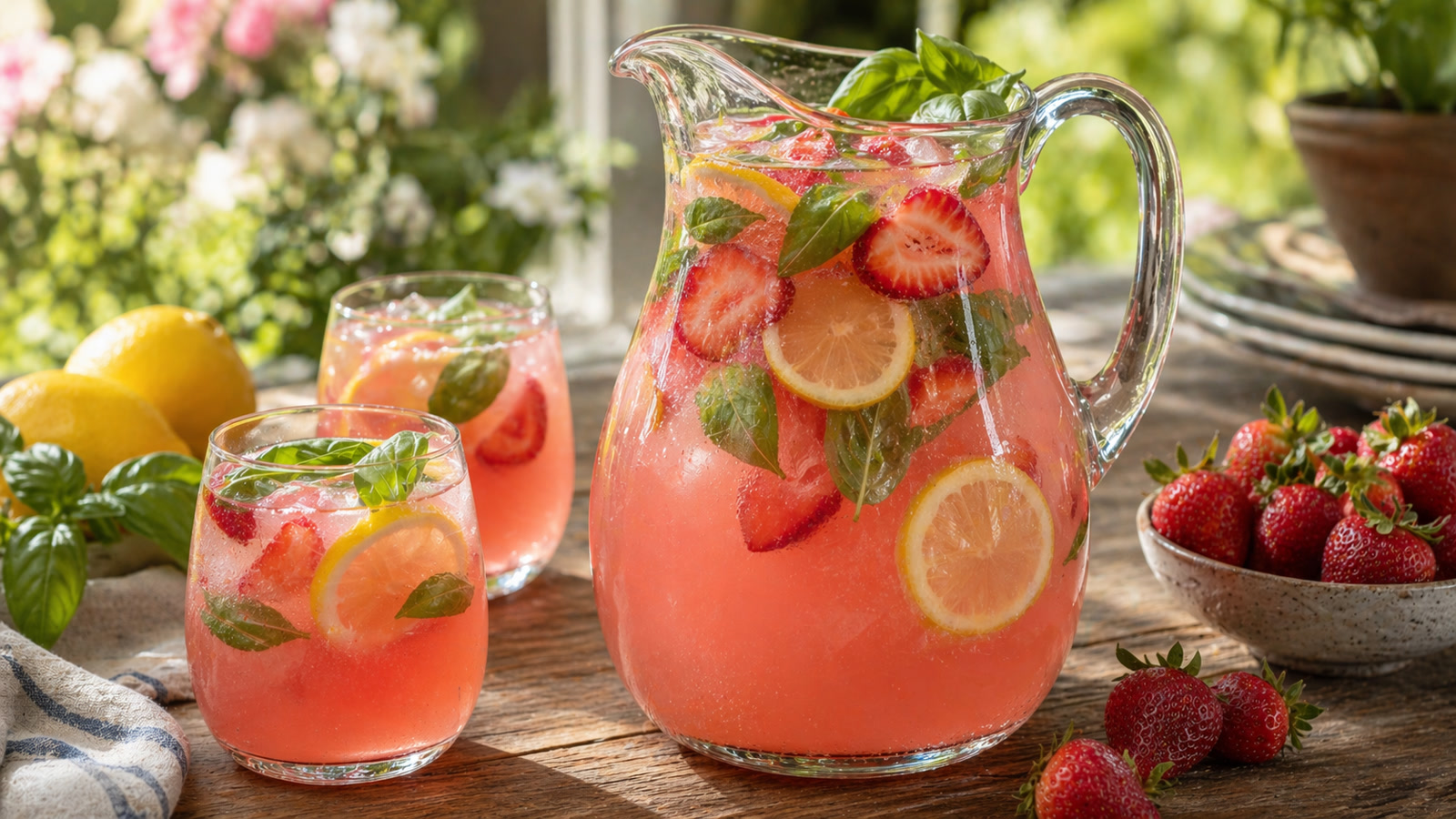
Strawberry basil lemonade
Fresh-squeezed lemonade with muddled strawberries and basil — a vibrant pink pitcher drink that captures peak spring in every glass.
-
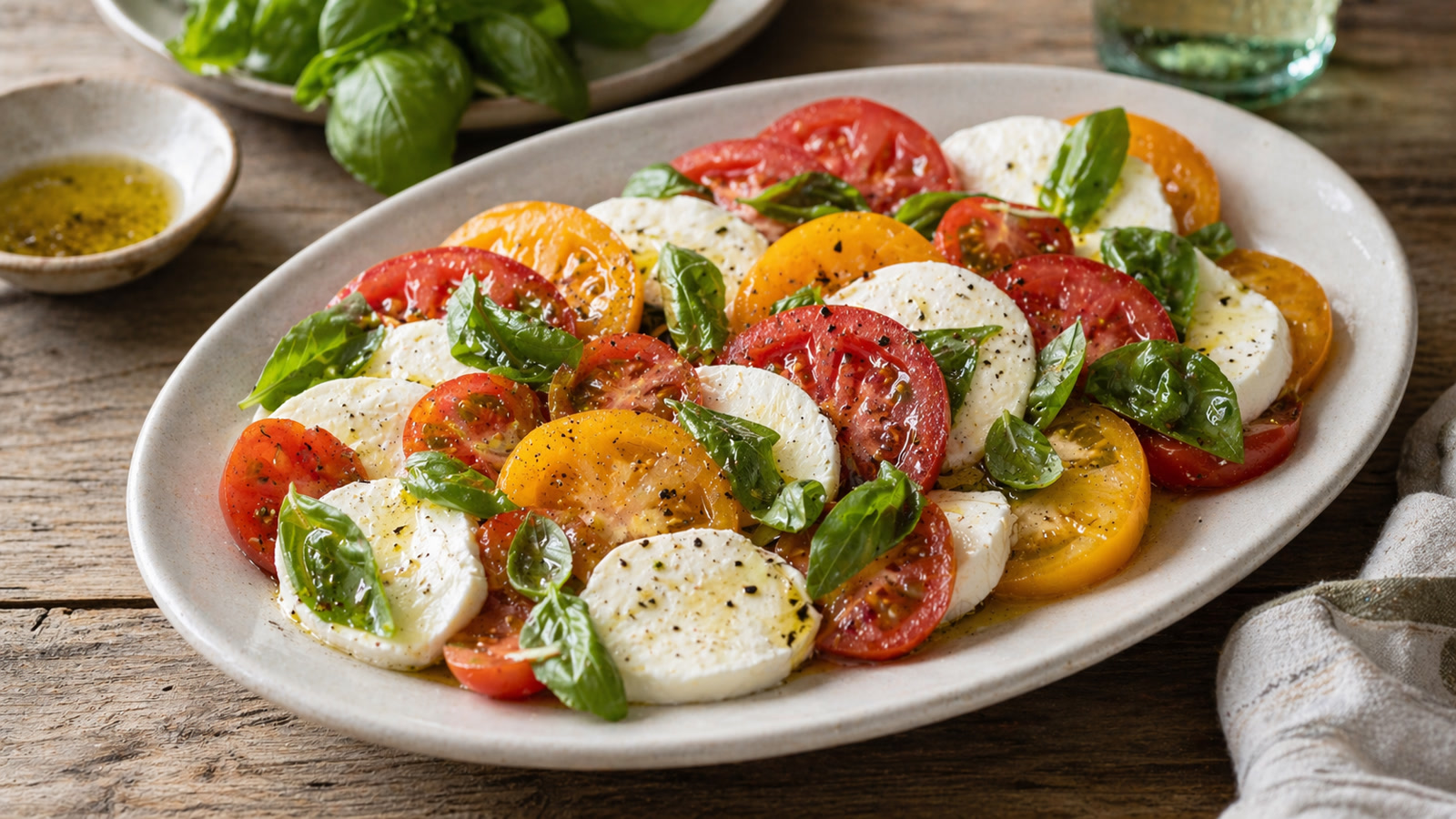 Recipe
Classic caprese salad
Ripe tomatoes, fresh mozzarella, and torn basil dressed with good olive oil and flaky salt — the summer salad that depends entirely on the produce.
-
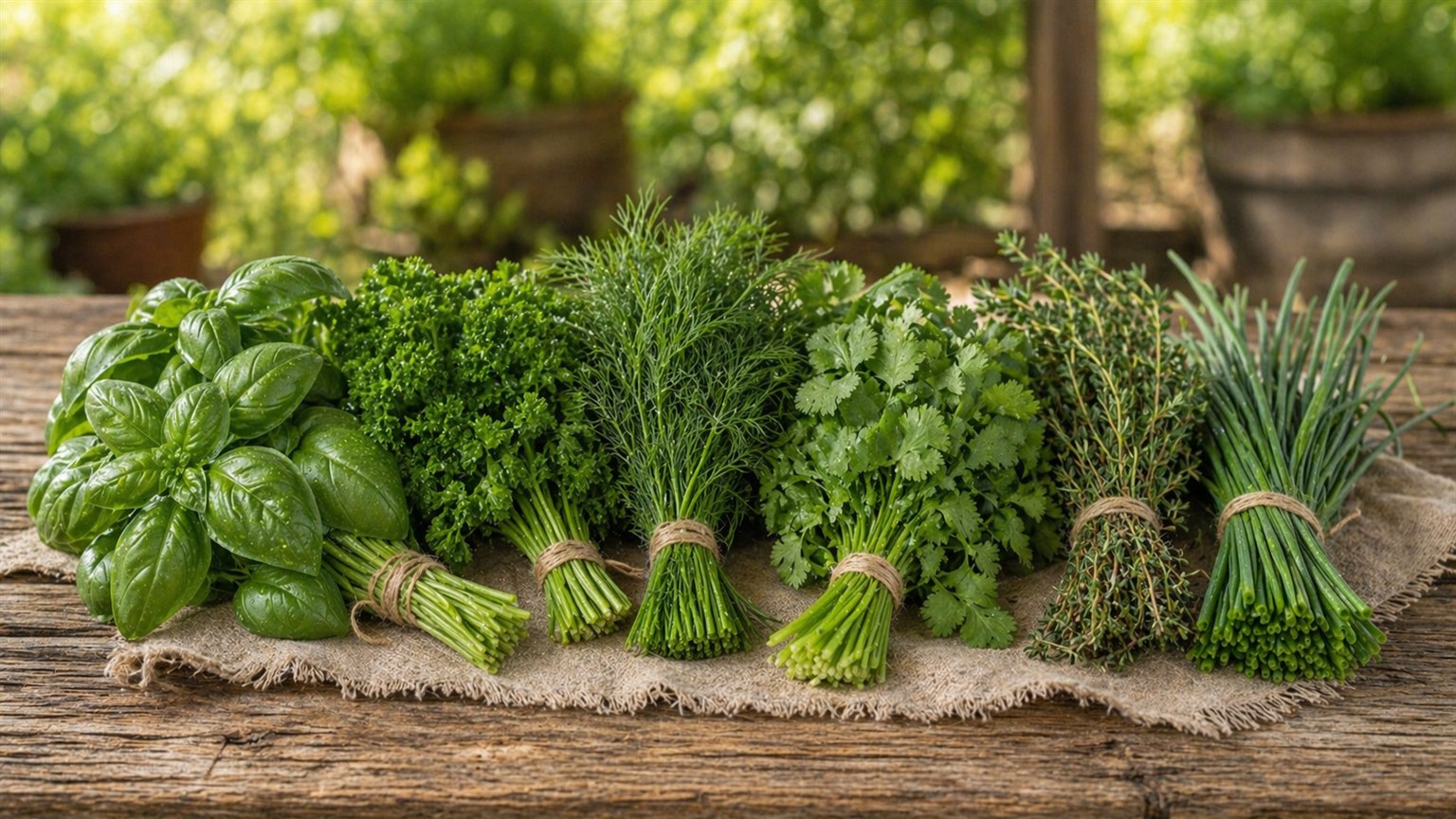 Produce
Fresh Herbs
Fresh herbs are the fastest way to transform a dish. A handful of basil, a few sprigs of thyme, or a tablespoon of chopped parsley changes a plate in a way that dried herbs simply cannot replicate — and local farms grow…
-
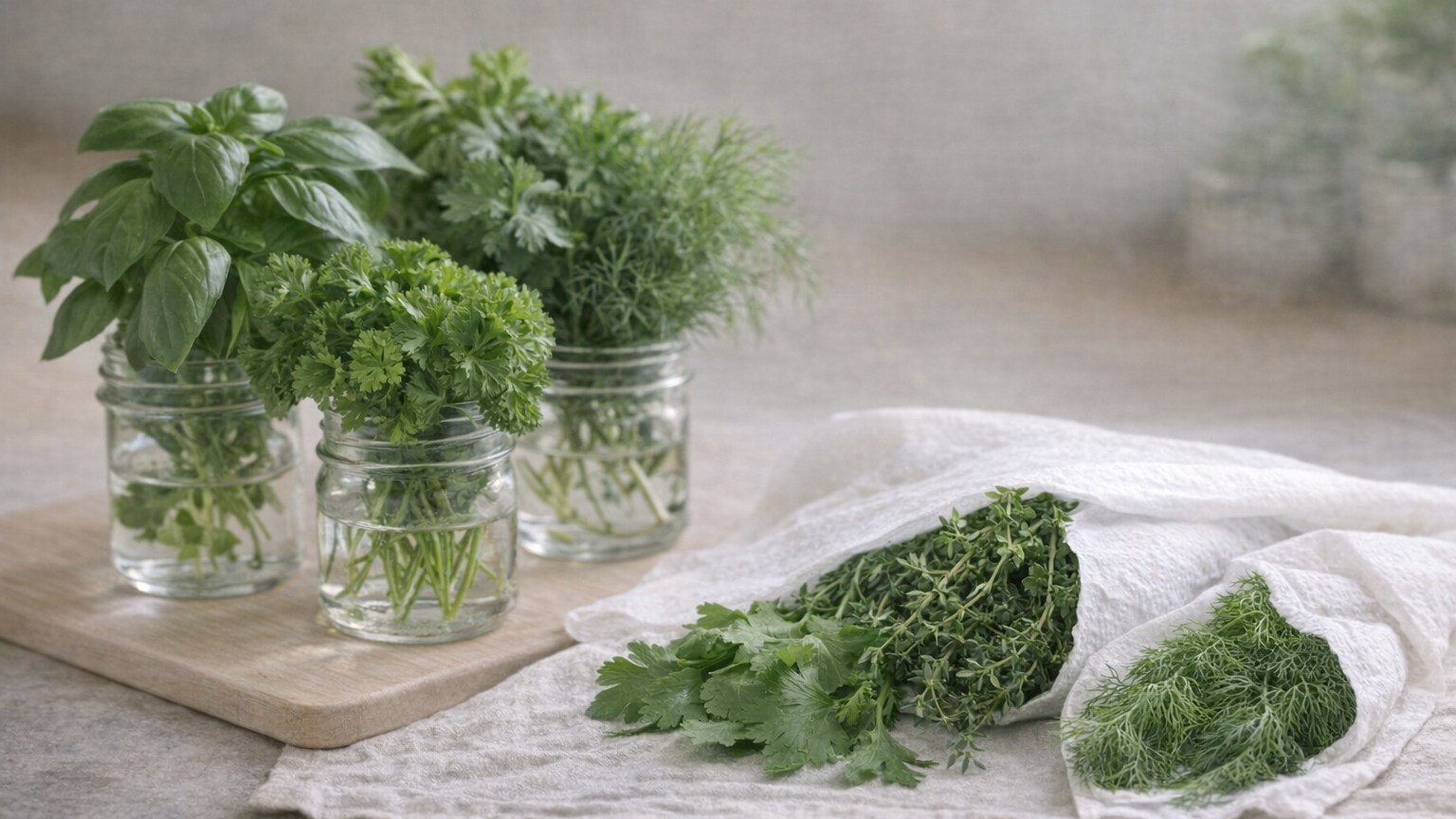 Produce
How to Keep Fresh Herbs From Going Bad Too Fast
Fresh herbs are one of the most wasted items in any kitchen. The right storage method depends on the type of herb — and getting it right means your basil, cilantro, and thyme last days longer than they otherwise would.
-
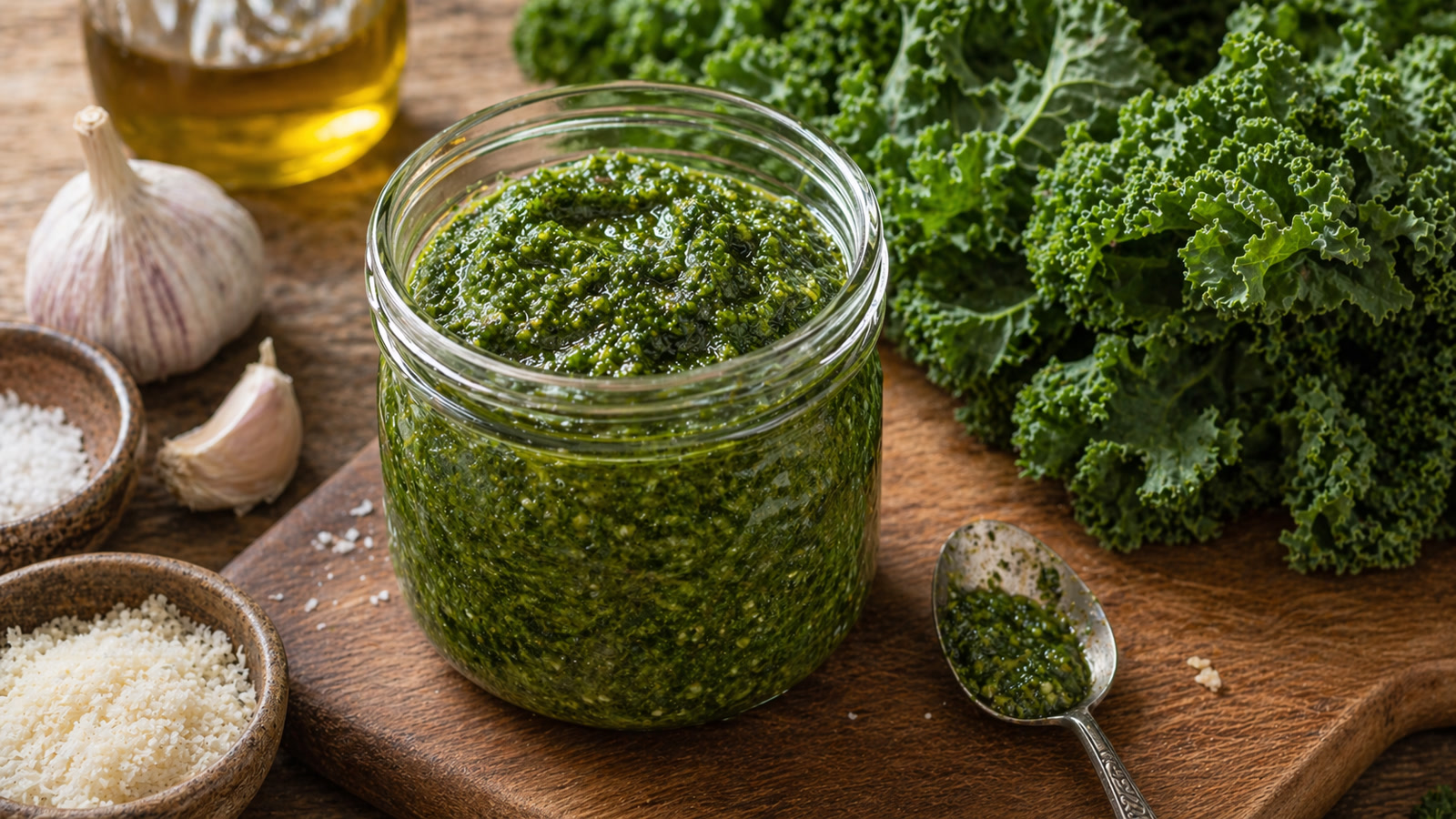 Recipe
Kale pesto
A hearty, year-round twist on basil pesto using kale, almonds, and Parmesan — pourable, freezer-friendly, and deep green.
-
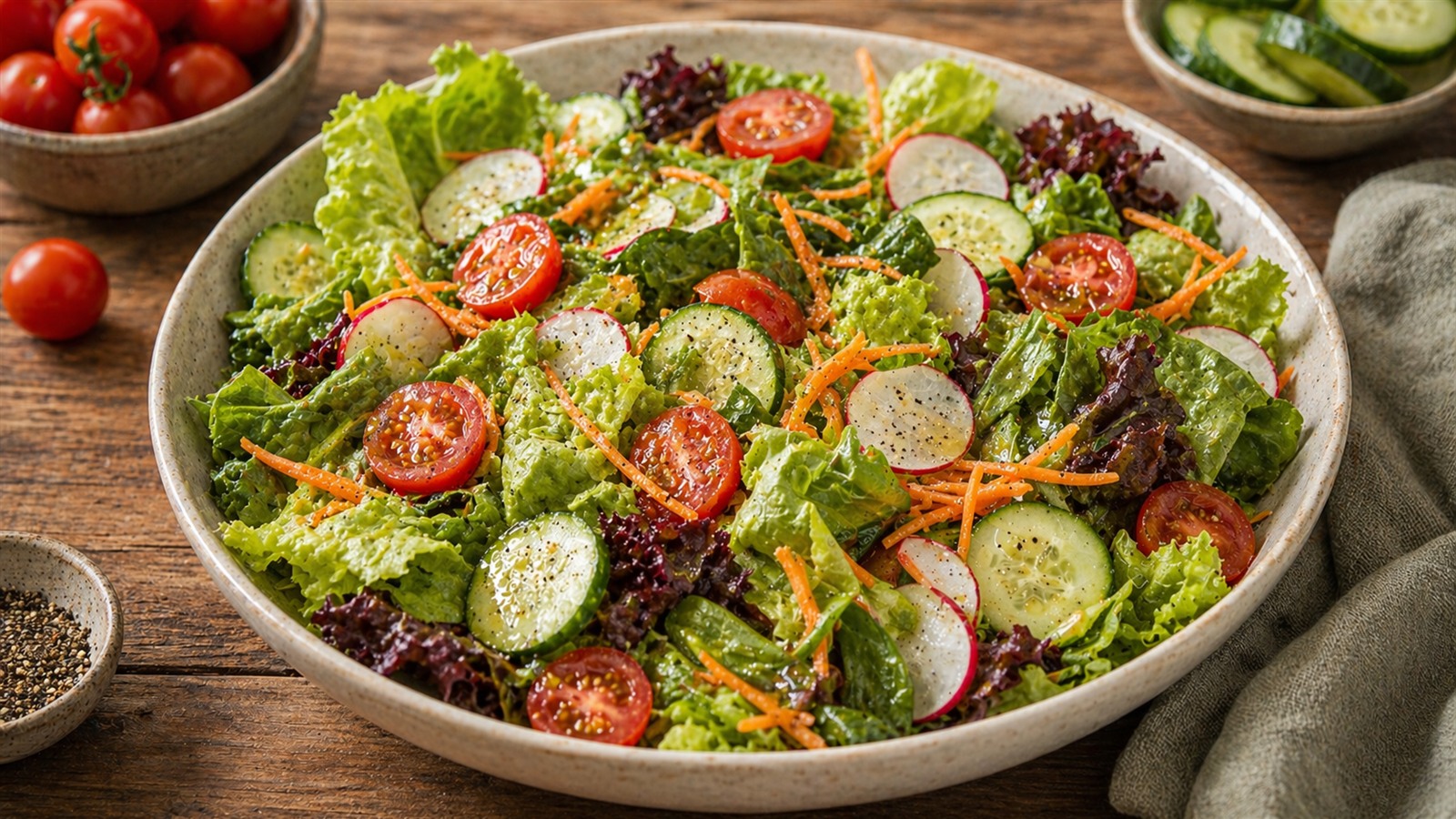 Recipe
Basic garden salad
A reliable way to turn mixed seasonal produce into a meal-ready bowl — structured around contrast: something crisp, something juicy, something flavorful, and a light dressing.
-
Guide
Why community-based commerce is worth rebuilding
Decades of consolidation in retail and food distribution have eroded community-based commerce. Rebuilding it — starting with local food systems — is harder than it sounds, but the case for doing so is more practical…
-
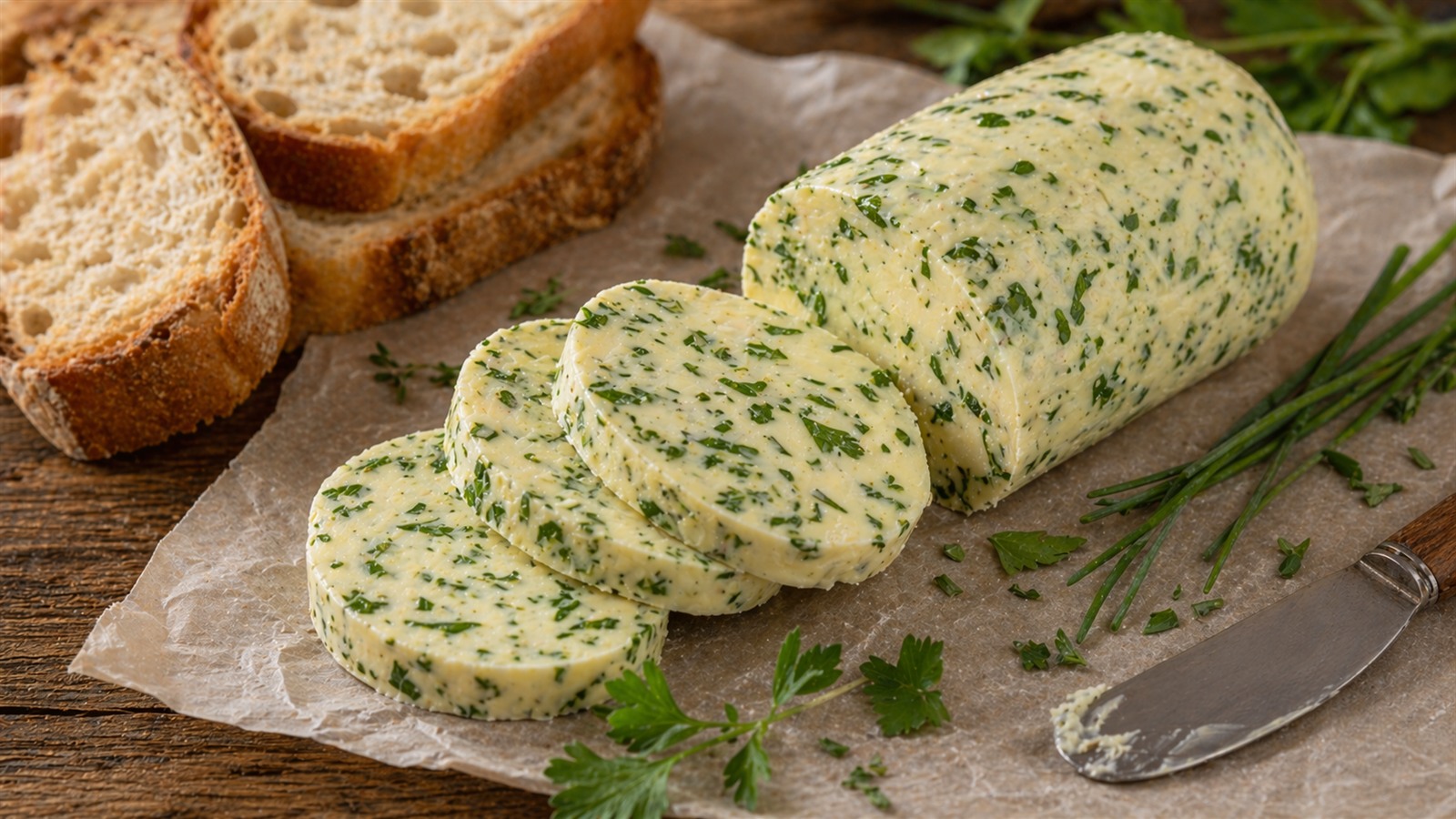 Recipe
Fresh herb butter
A simple compound butter that turns a handful of loose herbs into something you can spread, melt over hot food, and keep in the freezer for weeks — one of the most useful ways to use market herbs.
-
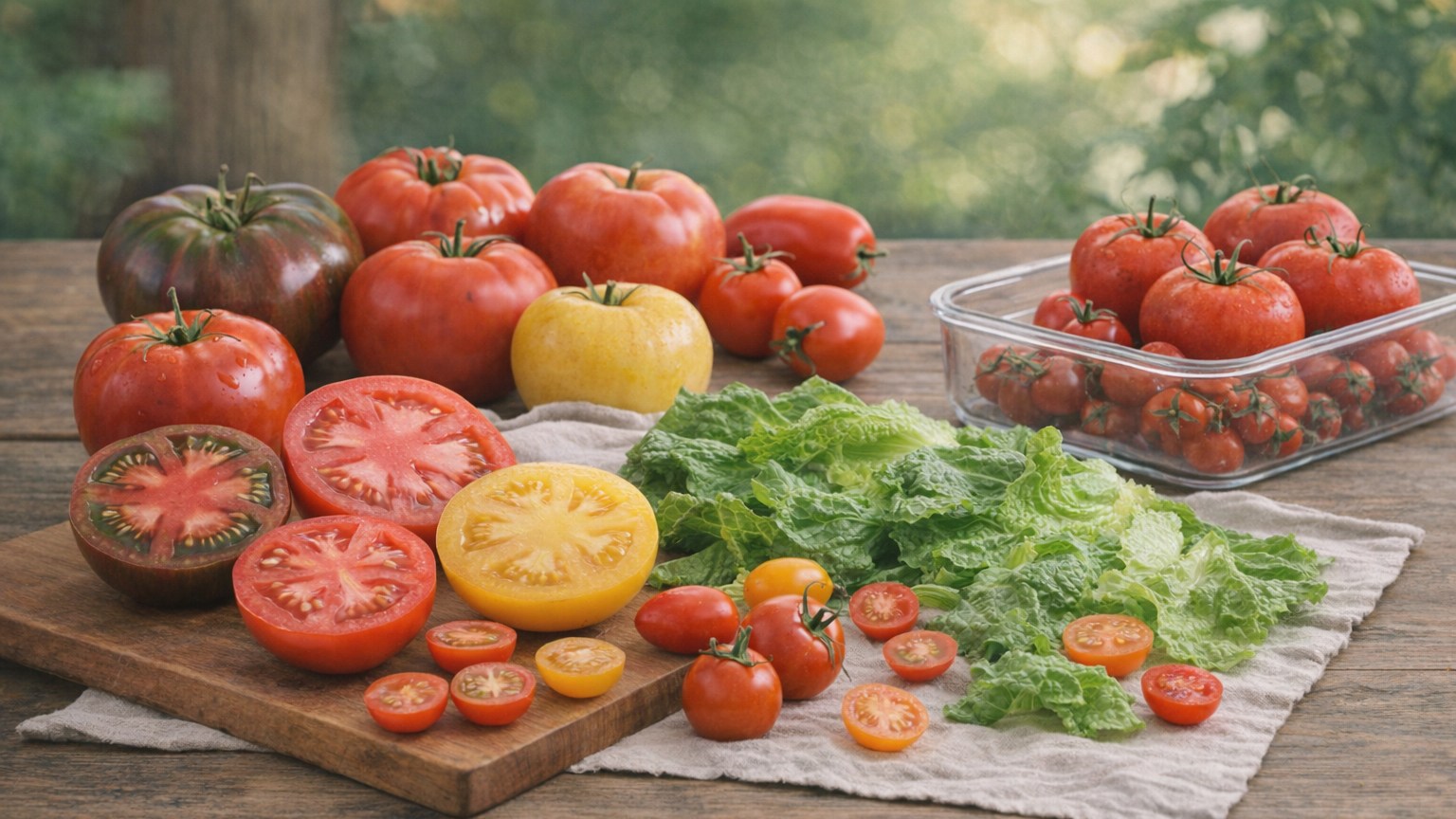 Produce
What do tomatoes taste like? Types explained
Tomatoes can taste sweet, tangy, savory, or deeply rich depending on the type and ripeness. Knowing the basic tomato families makes it easier to buy and cook them well.
-
Guide
How to compare local food prices the right way
Comparing local food prices to grocery store prices on a per-item basis misses most of what matters. A more honest comparison includes quality, shelf life, waste, and what you are actually paying for.
-
Guide
The benefits of reaching more buyers without losing your identity
Expanding your customer base doesn't have to mean becoming anonymous. Small farms can reach more buyers online while keeping the story and values that make buyers choose them in the first place.
-
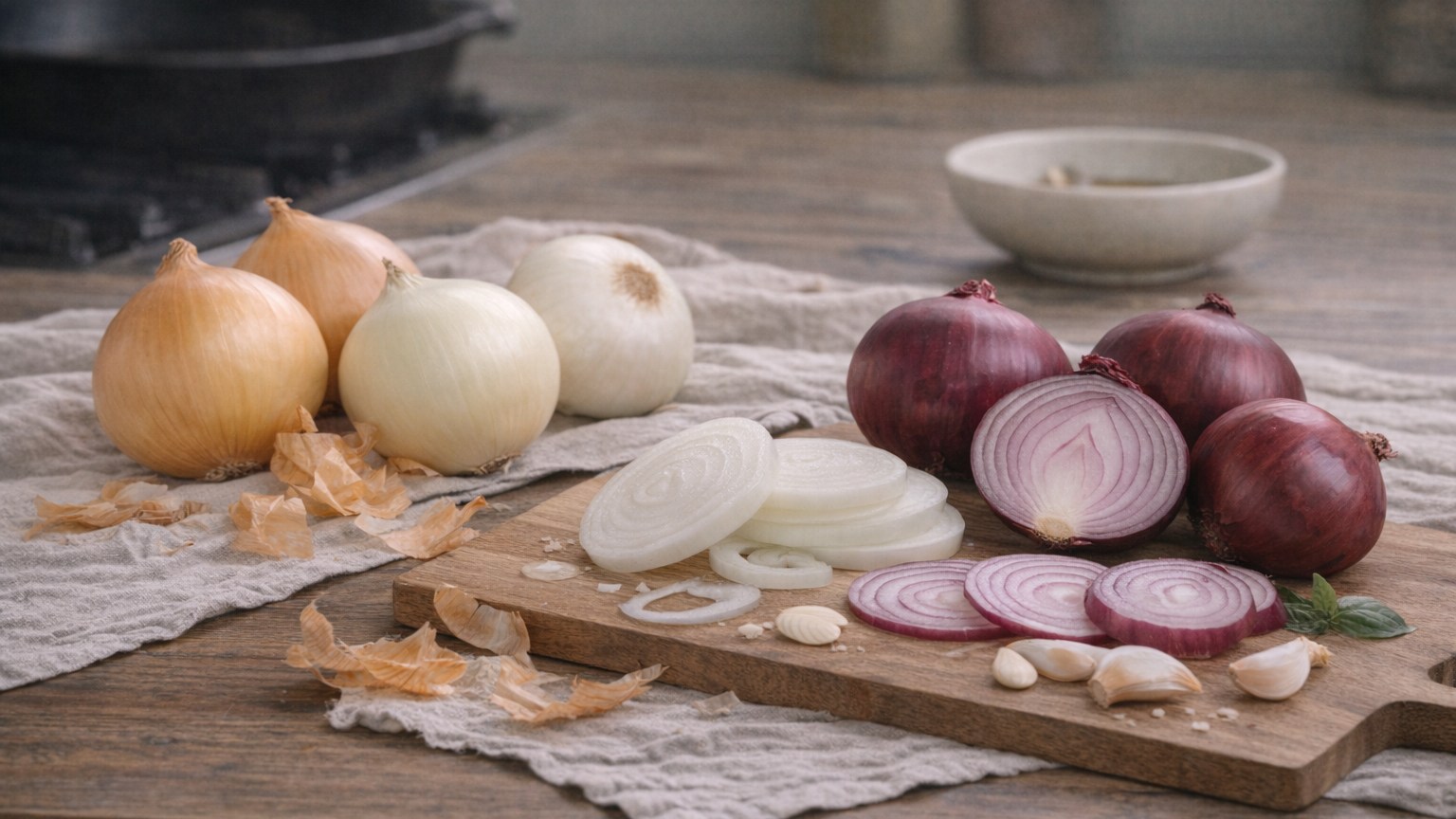 Produce
What is onion and how to use it
Onions are one of the most useful vegetables in the kitchen because they work as both a base ingredient and a finished component. Learning a few onion styles makes everyday cooking much easier.
-
 Produce
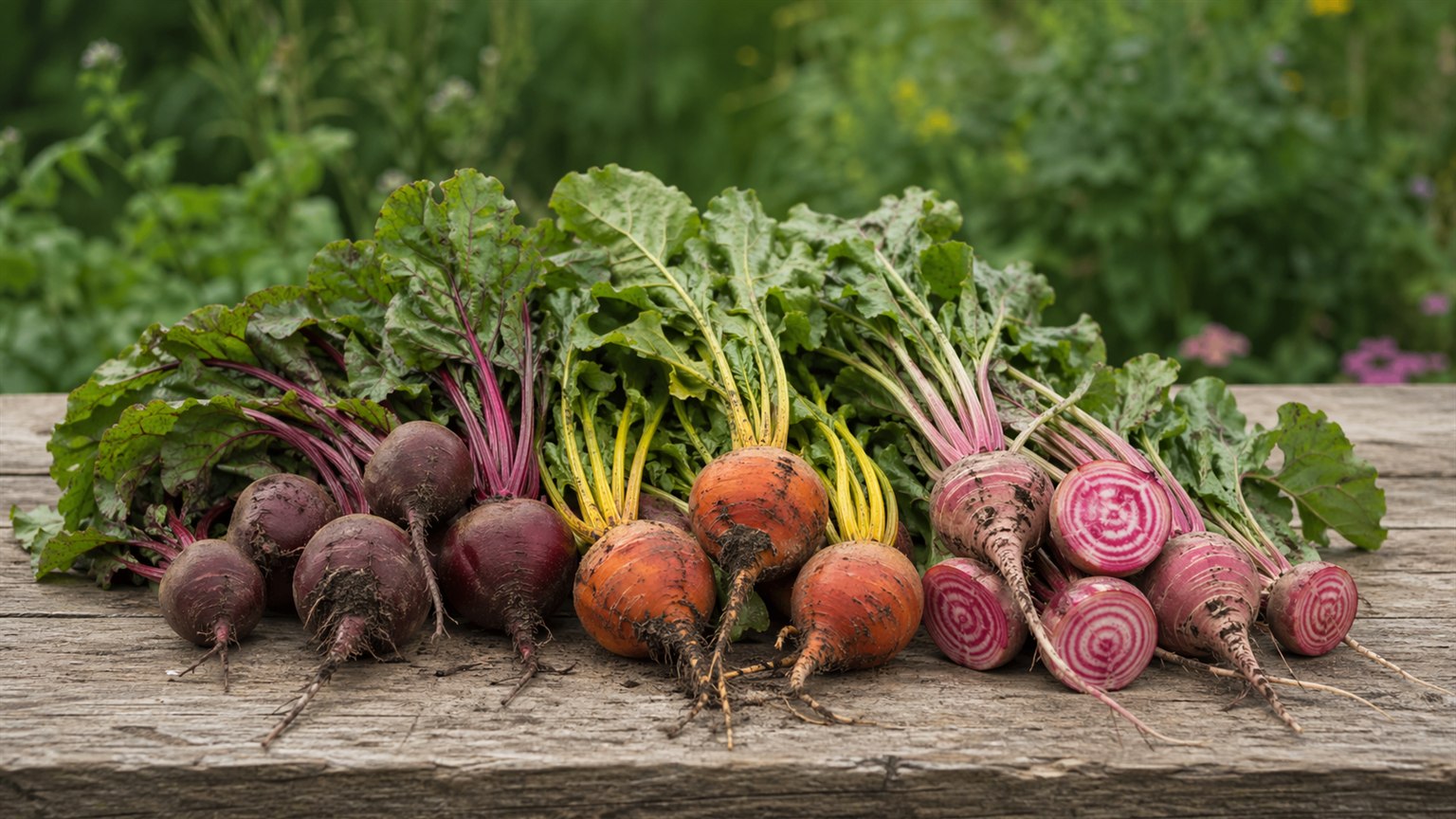
Beets
Beets are sweet, earthy root vegetables that store well and come with edible greens when freshly harvested. They roast beautifully, pickle easily, and add color to salads, grain bowls, and simple sides.
-
 Recipe
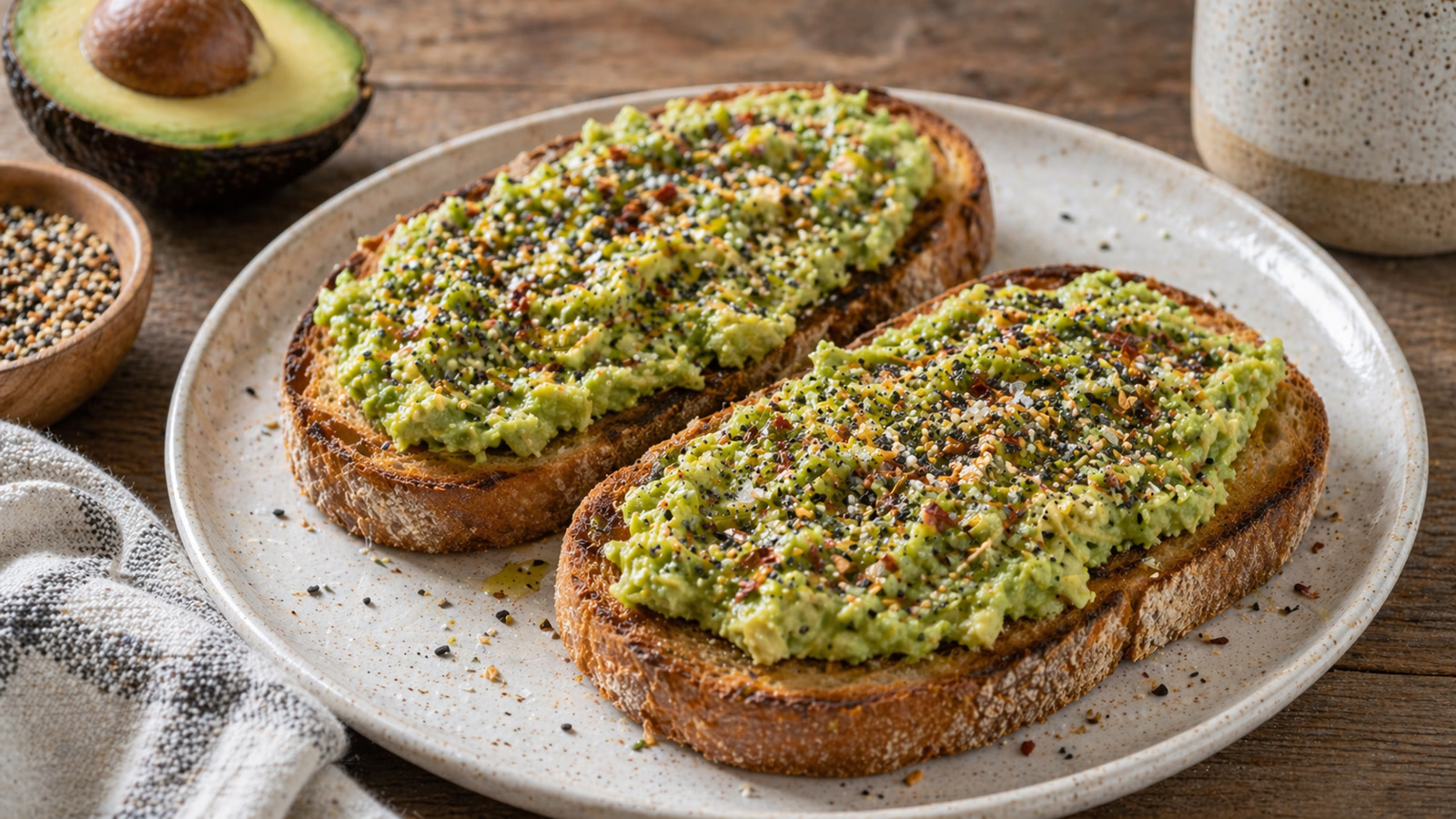
Everything avocado toast
Ripe smashed avocado on crunchy sourdough with everything bagel seasoning, lemon, and flaky salt — the five-minute breakfast that still deserves a recipe.
-
Guide
How local farms help build more resilient communities
Community resilience depends on more than emergency plans — it depends on whether the basics of life, including food, can be sourced nearby when things go wrong.
-
 Produce
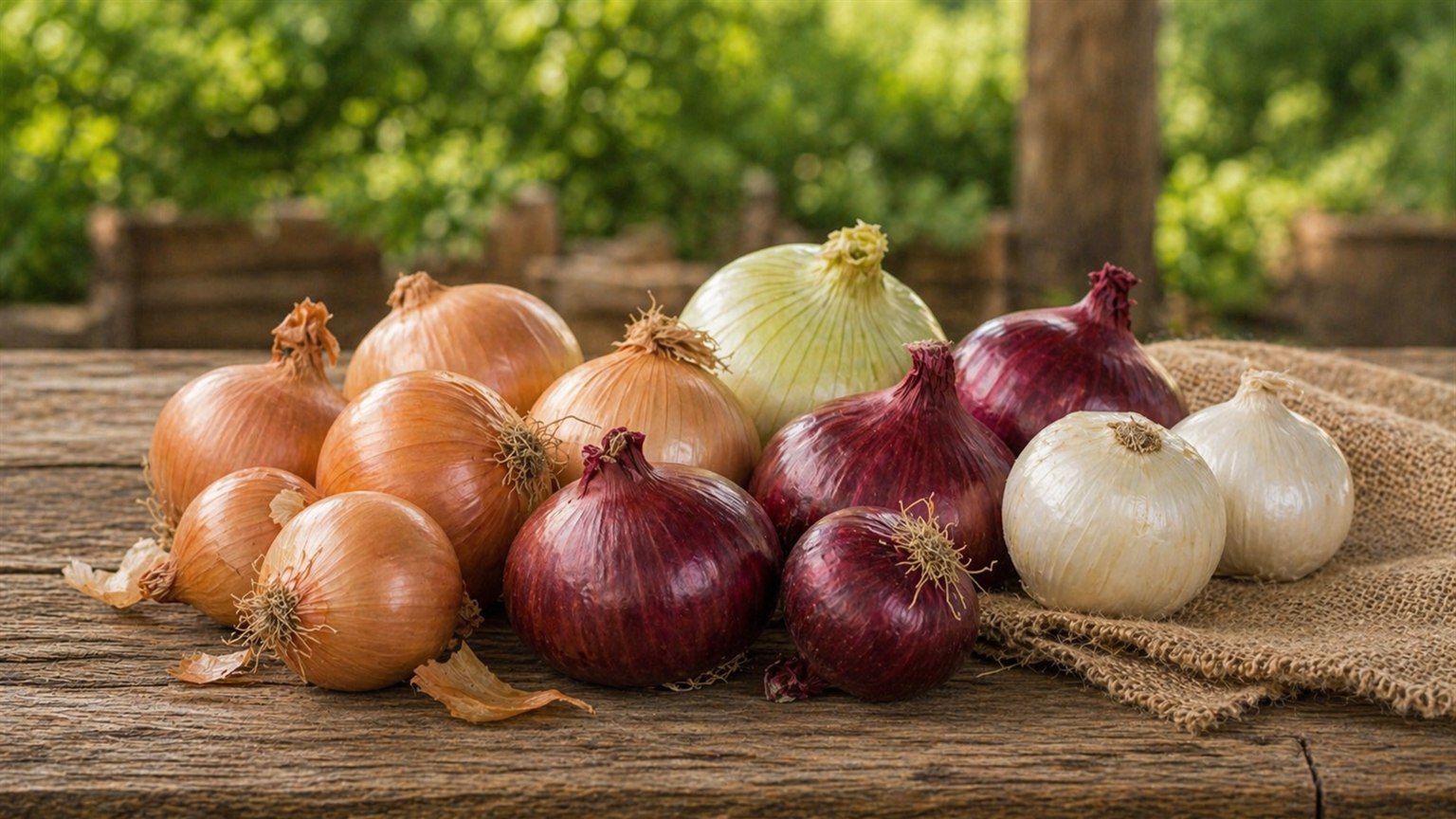
Onions
Onions are both a base ingredient and a vegetable in their own right. Yellow, red, white, sweet, and storage onions each bring a different balance of sharpness, sweetness, and keeping quality.
-
Guide
Getting Started with Backyard Growing
Whether you have a sprawling yard or a small patio, you can start growing your own fresh food today. This beginner's guide walks you through everything you need to know.
-
 Produce
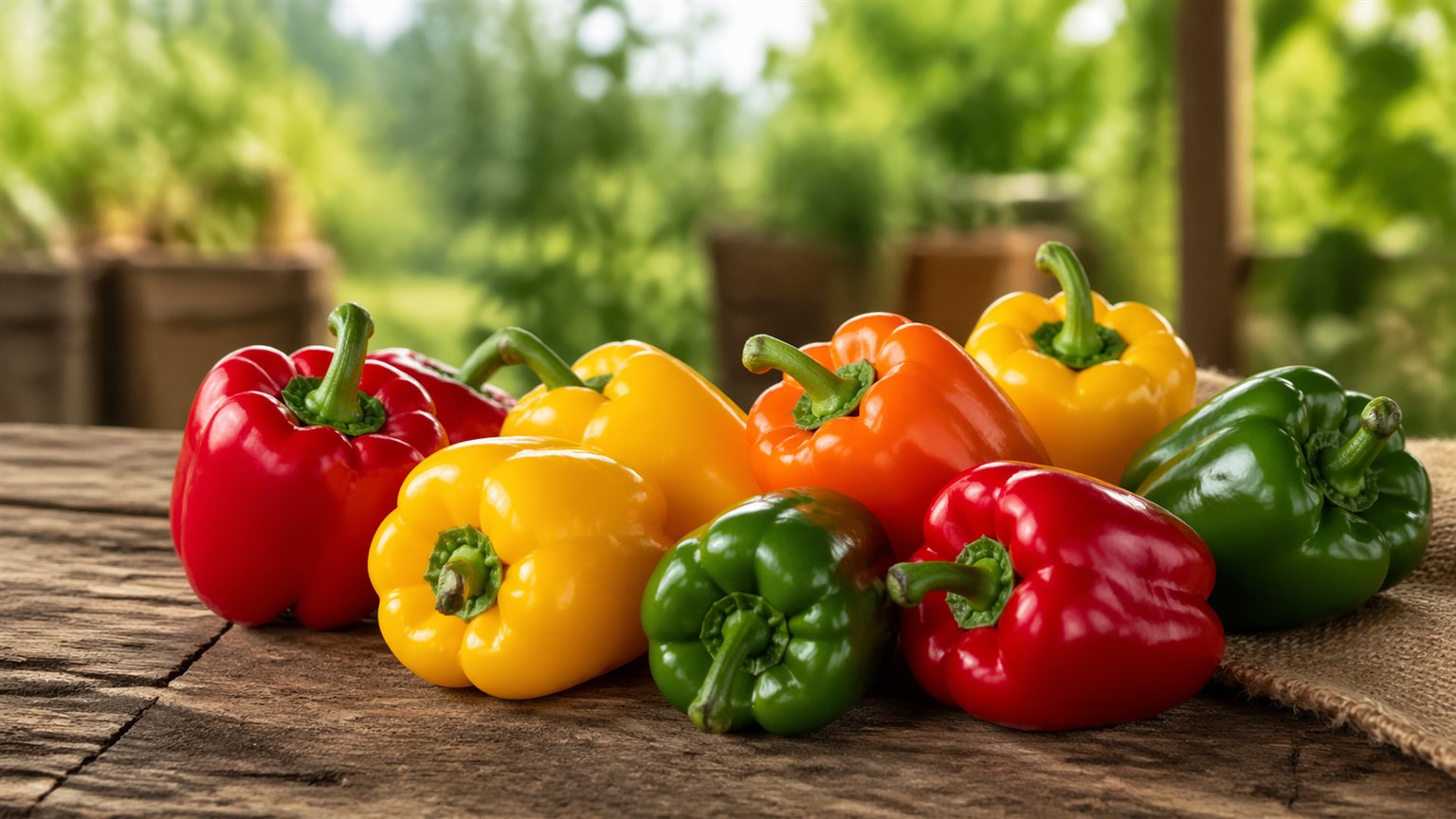
Bell Peppers
Bell peppers are the same fruit at different stages of ripeness — green is unripe, red is fully ripe, and yellow and orange fall in between. That distinction explains nearly everything about how they taste and how to…
-
Guide
Best ways to use extra peaches, corn, cucumbers, and berries
Summer abundance means you will sometimes end up with more than you planned. Here are the best ways to use up extra peaches, corn, cucumbers, and berries before they go to waste.
-
 Produce
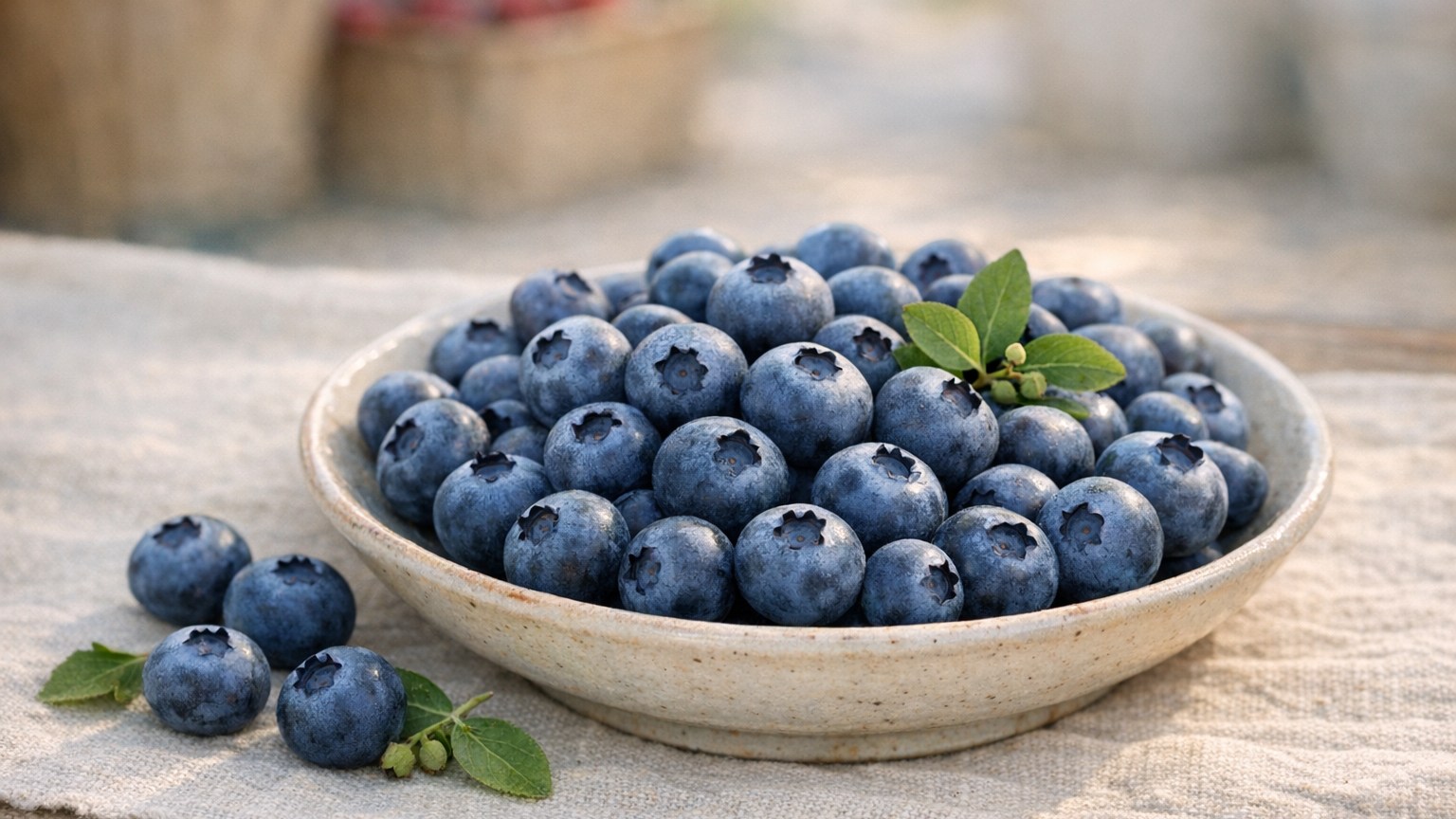
Blueberries
Blueberries are one of the more successful summer fruits — they store well, freeze perfectly, and the local varieties have a depth of flavor supermarket berries rarely match.
-
Guide
Bulk Produce for Canning and Freezing — Is It Economical?
Buying bulk produce from local farms during peak season — for canning, freezing, and preserving — can be one of the best per-pound values in local food. Here's how the math works and where to start.
-
Guide
Buying Local Food for One Person vs a Family of Four
The economics and logistics of buying local food look very different depending on household size. Here's how to approach local food buying whether you're shopping for yourself or feeding a family.
-
Guide
Buying Local Produce vs Growing Your Own — Cost, Time, and Yield
Growing your own food is rewarding and can be cost-effective for specific crops. But for most households, a combination of home growing and buying local delivers the best outcomes on cost, variety, and effort.
-
 Produce
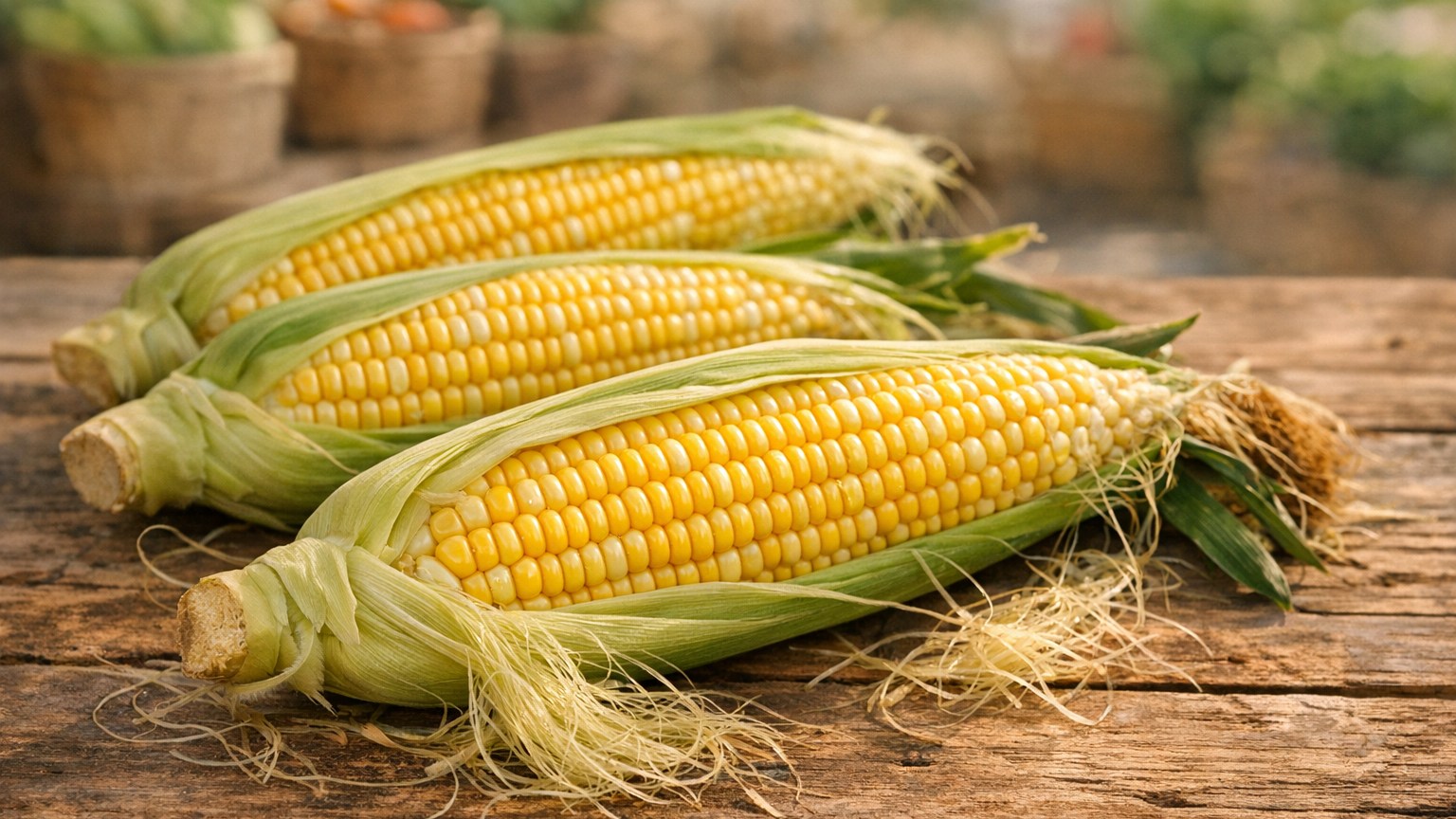
Corn
Sweet corn is a time-sensitive crop — the sugars in the kernels begin converting to starch the moment the ear is picked. Local corn eaten the day of harvest is a different vegetable than supermarket corn shipped from…
-
Guide
Easy summer meals built around farm-fresh ingredients
Farm-fresh summer produce makes cooking easier, not harder. Here are simple, satisfying meal ideas built around what local farms have right now.
-
 Produce
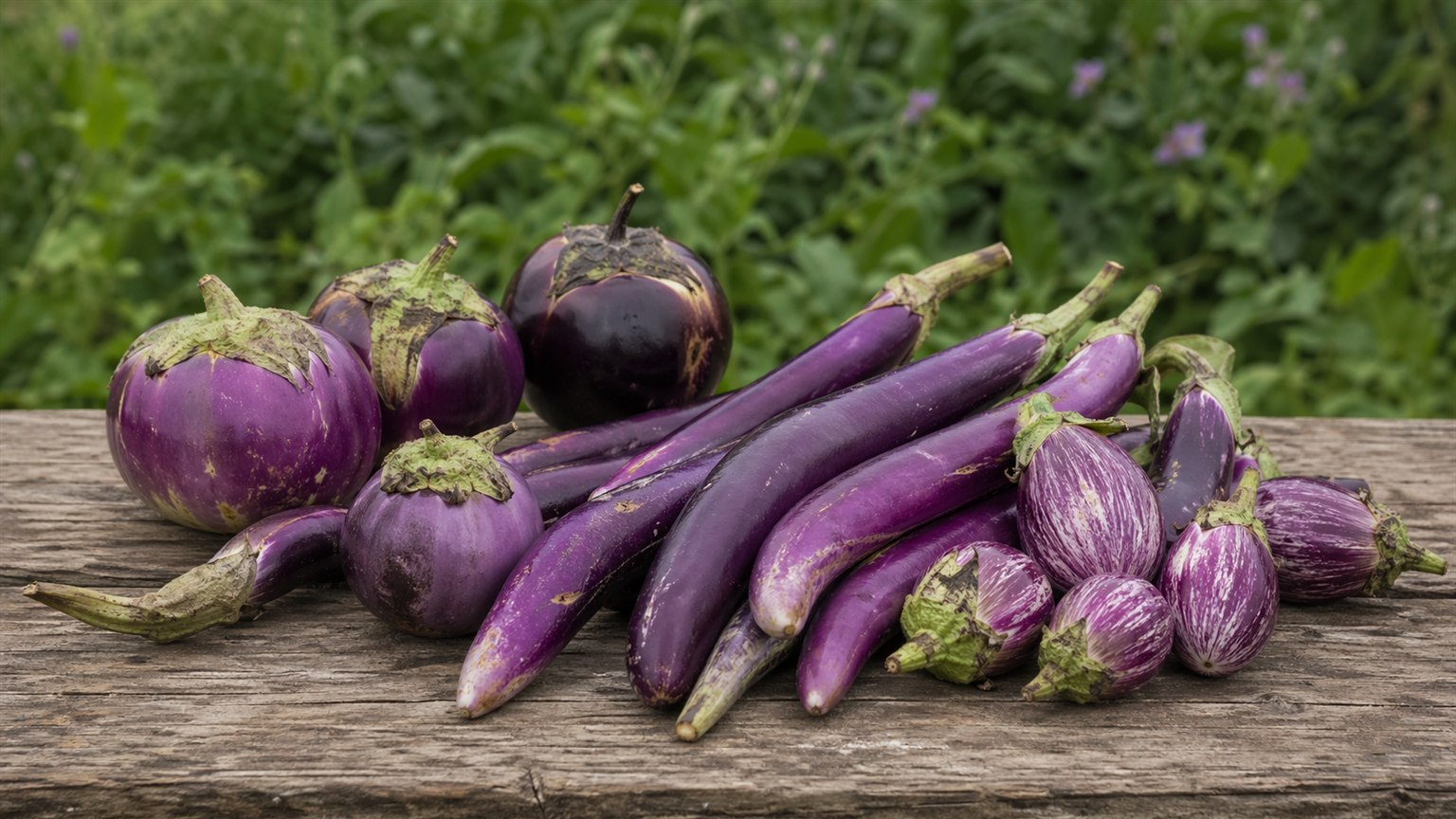
Eggplant
Eggplant is a summer vegetable with tender flesh that becomes silky when cooked well. It loves oil, high heat, garlic, tomatoes, herbs, and smoky flavors.
-
Guide
Email Marketing Strategies for Farm Businesses
Email is one of the highest-return marketing channels for small farms — but only if you build the list and use it well. Here's a practical guide to email for direct-market farmers.
-
Guide
Fresh-Picked vs Supermarket Produce — Does It Really Matter?
Is produce that was picked this morning actually different from what's at the grocery store? Yes — in ways that are measurable, visible, and taste-able. Here's what the evidence shows.
-
 Produce
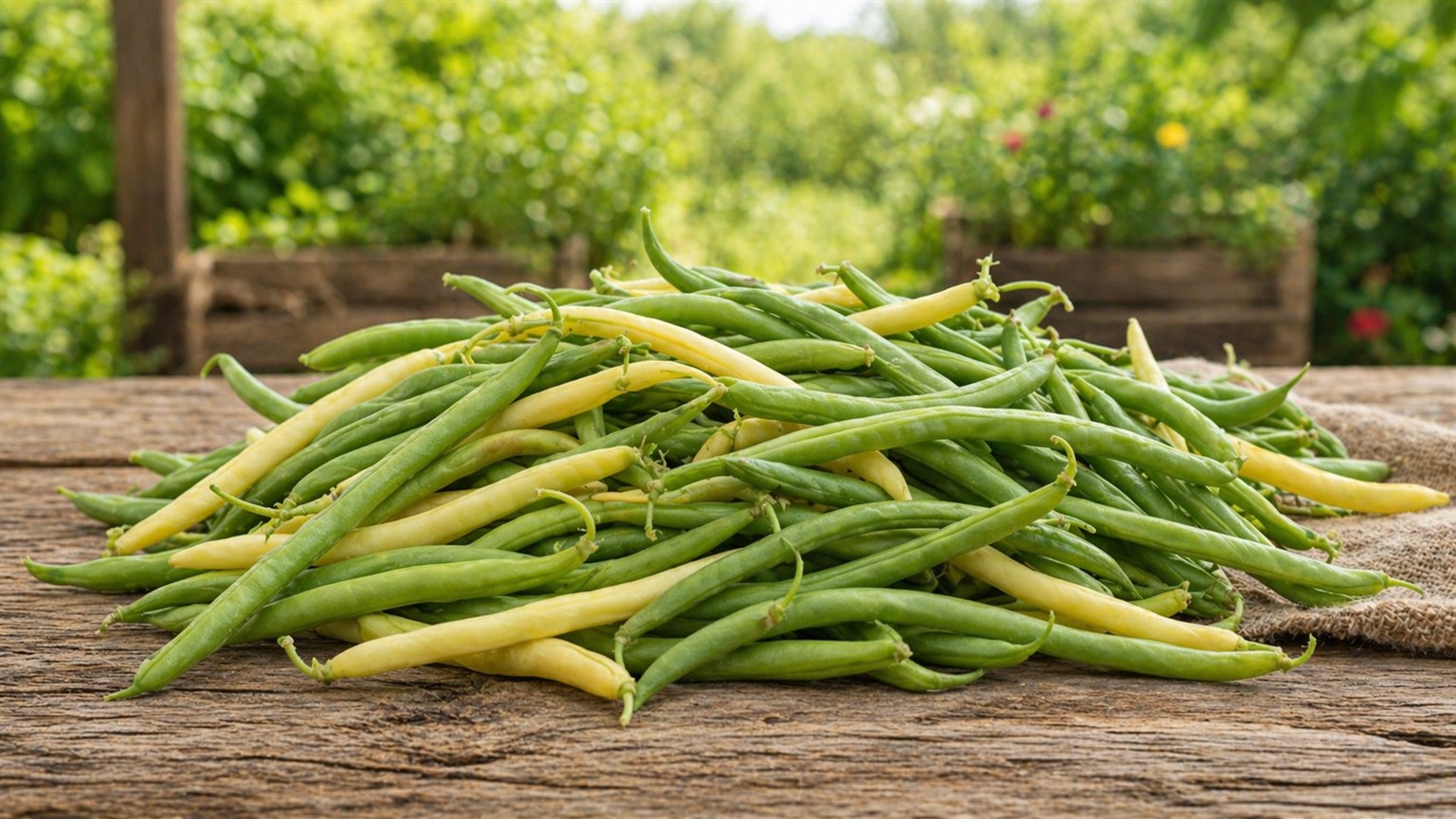
Green Beans
A fresh green bean from a summer farm stand — snapping cleanly, bright and grassy — is a completely different experience from the limp, dull beans at the supermarket. Green beans are one of the most improved by local…
-
Guide
How to grow herbs at home
Growing herbs at home is one of the simplest ways to get more flavor into daily cooking because herbs do not need a huge garden to be worth it.
-
Guide
How to make the most of tomato season
Tomato season is short and spectacular. This guide covers how to buy, store, cook, and preserve local tomatoes so you get the most out of every week of peak season.
-
Guide
How to Meal Plan Around Seasonal Produce
Seasonal eating doesn't have to mean chaos in the kitchen. Learn how to build a flexible meal plan that works with what's fresh, local, and delicious right now.
-
Guide
How to Preserve Summer Produce for Later
Summer gives you more great produce than you can eat right now. Here's how to freeze, pickle, and put up the best of the season so you're eating local food all winter long.
-
 Produce
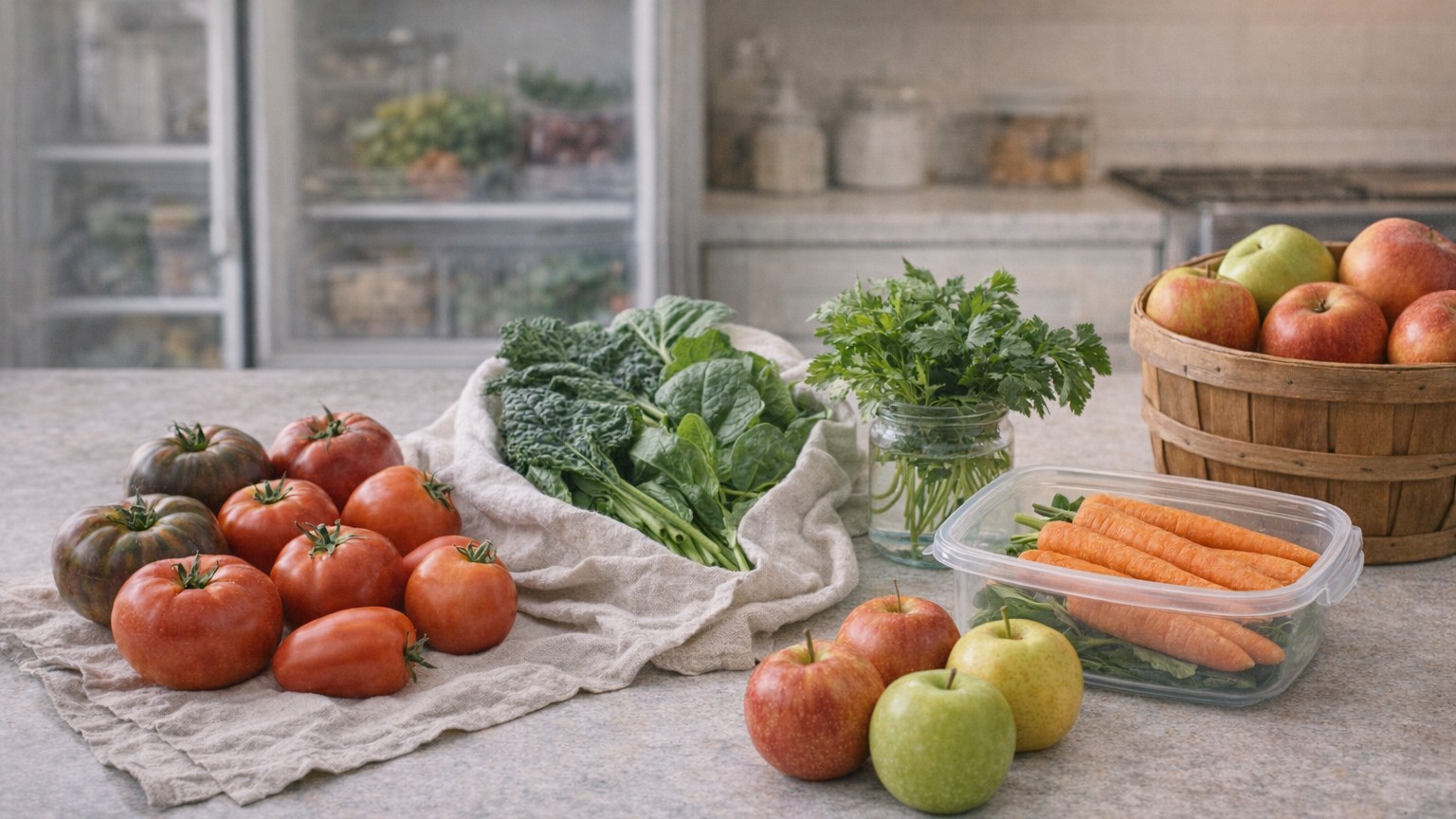
How to Store Farm-Fresh Produce to Reduce Waste
Farm-fresh produce comes with different storage needs than grocery store produce. Knowing what goes in the fridge, what stays on the counter, and how to revive wilted greens can cut your waste in half.
-
Guide
How to stretch a weekly farm order further
Getting the most out of your local farm order is both a cooking skill and a planning habit. Small adjustments to how you store, prep, and use your food can significantly extend the value of every order.
-
Guide
How to Use a Farm Box Without Wasting Anything
A weekly farm box is one of the best ways to eat locally — but only if you actually use everything in it. Here's how to make the most of every leaf, stem, and root.
-
 Produce
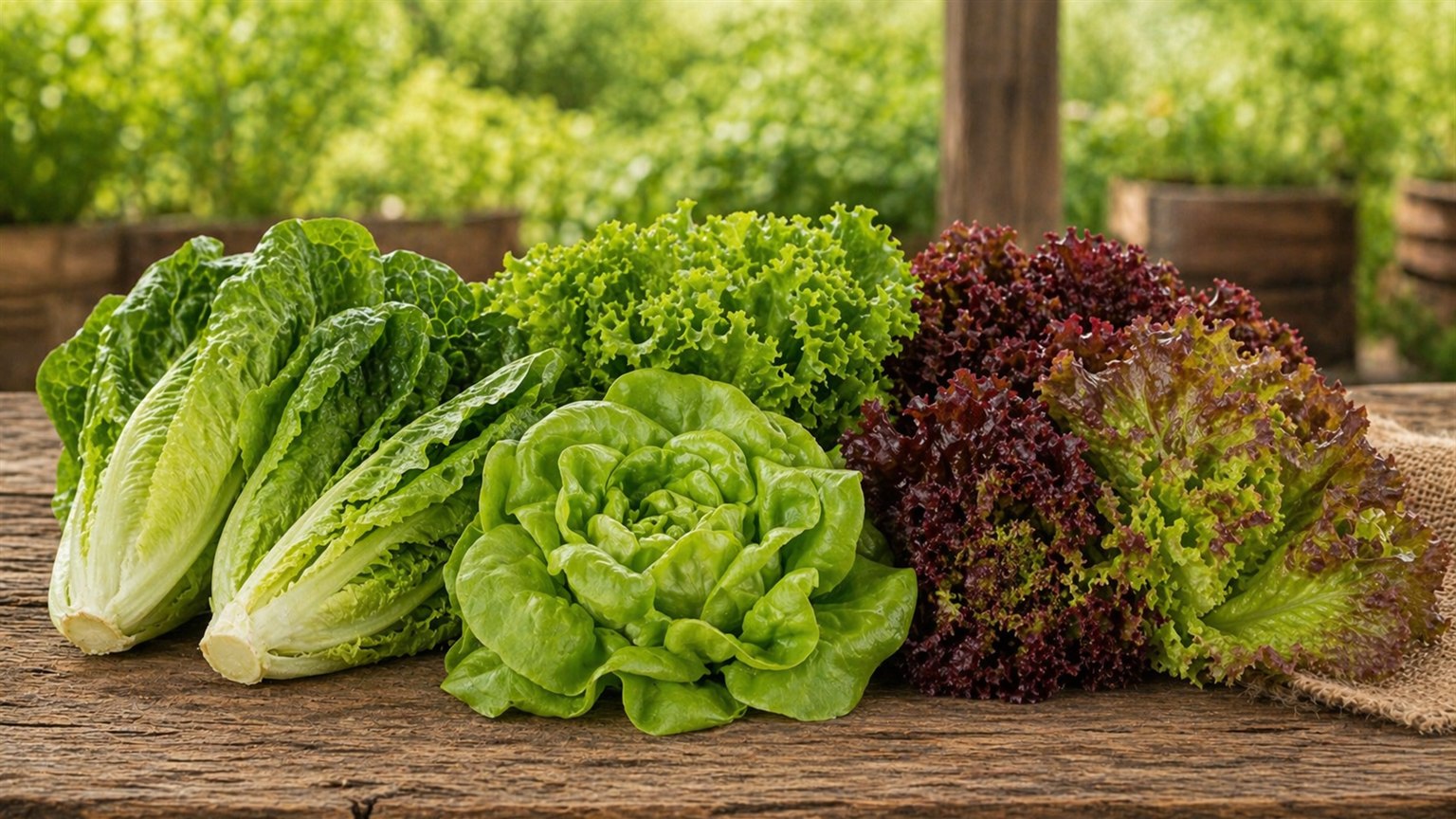
Lettuce
Lettuce changes a lot by type: romaine is crisp, butter lettuce is soft, leaf lettuce is tender, and iceberg is all crunch. Knowing the difference makes salads easier and waste less likely.
-
 Produce
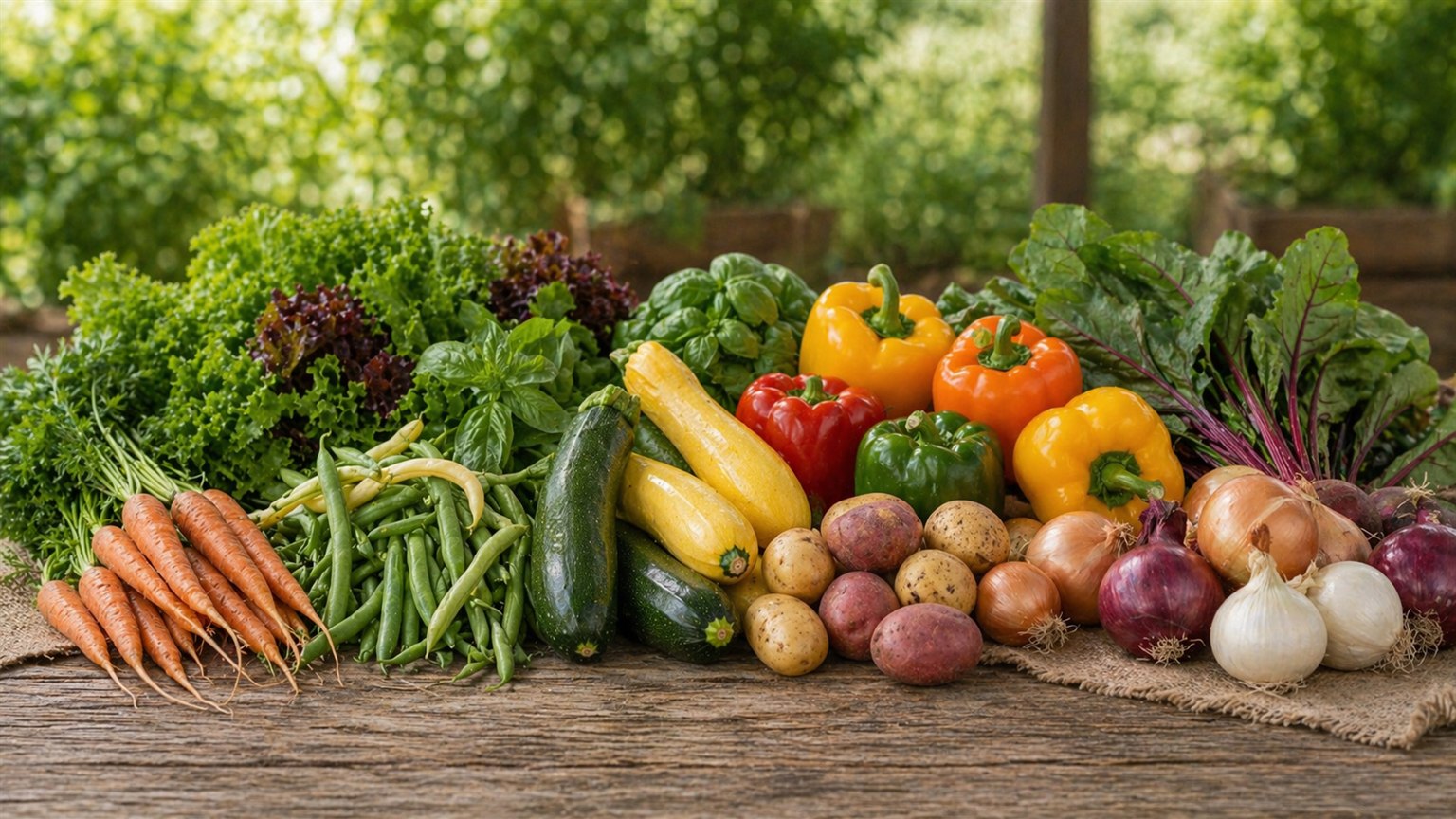
Mixed Seasonal Vegetables
Cooking with whatever is in season locally — rather than building a recipe and then hunting for ingredients — is how home cooks ate for most of human history. It is also how you get the best-tasting food for the least…
-
 Produce
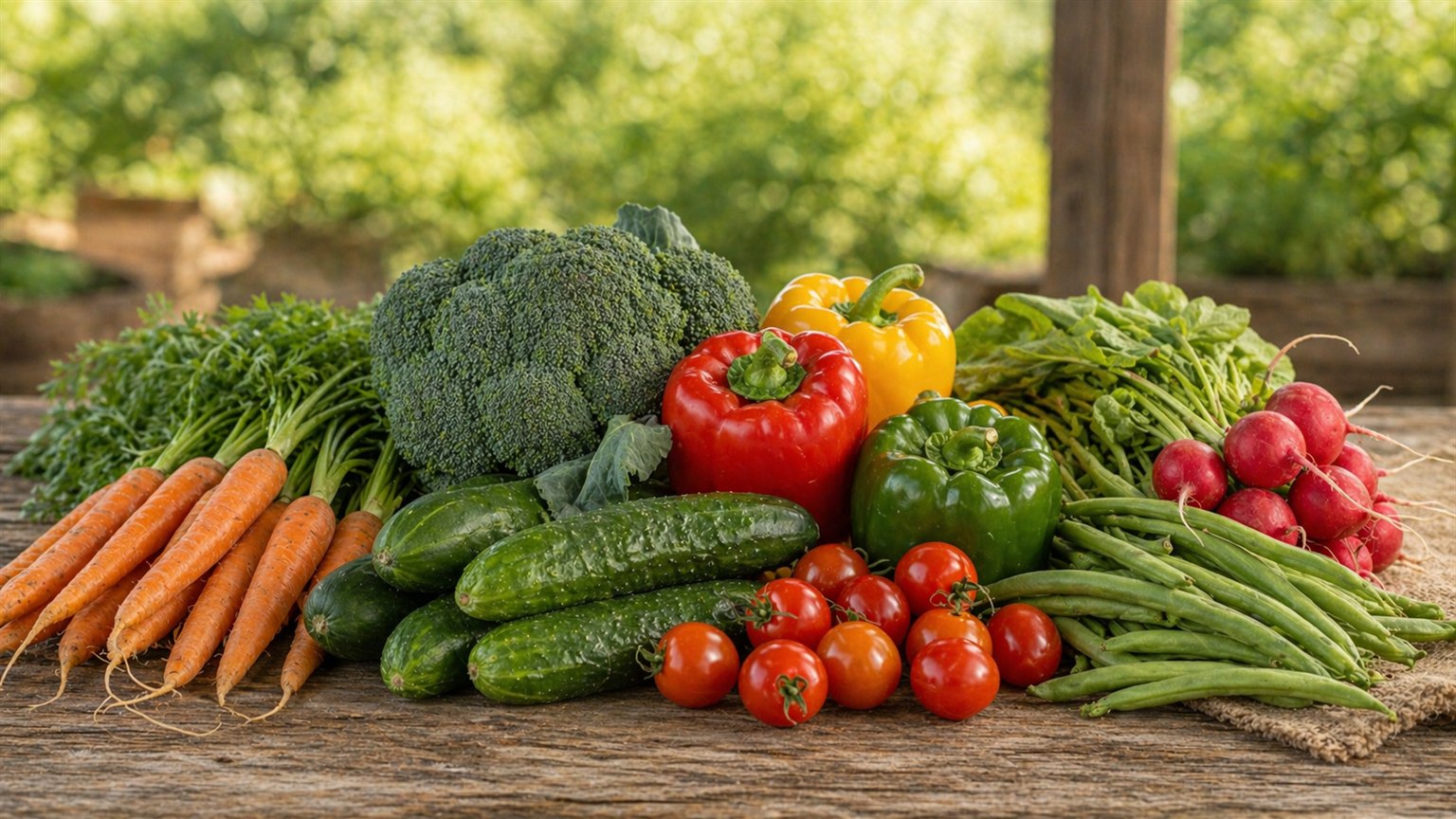
Mixed Vegetables
Knowing how to cook a mix of vegetables well — whatever you have on hand — is one of the most practical skills in the kitchen. The key is understanding density, heat, and timing, not following a specific recipe.
-
 Produce
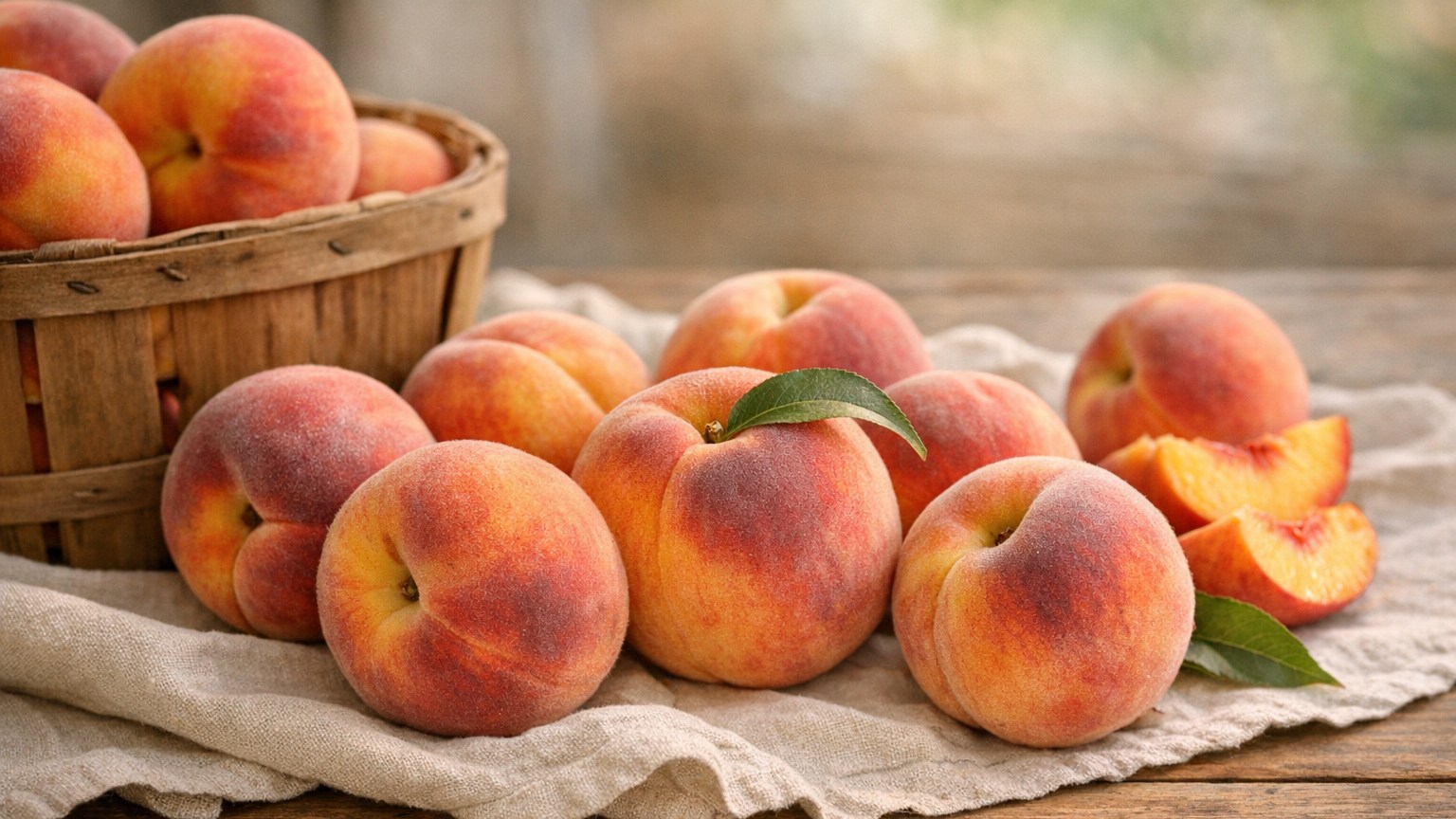
Peaches
Peaches are the most short-windowed fruit of the year — and the one where ripeness matters most. A local peach at peak ripeness is the taste of summer in a way no other fruit quite is.
-
 Collective
Produce Storage & Use Guide
Local produce spoils because people store it like supermarket produce. Four storage rules cover 80% of what you'll buy. Here they are.
-
Guide
Spring farmers market favorites you can also buy online
Many of the best things you find at a spring farmers market are also available through local farm online shops — without the early-morning trip or weather uncertainty.
-
Guide
Spring herbs to start cooking with right now
Fresh herbs are one of the best purchases you can make in spring — and local farms often offer them earlier and in better condition than grocery stores. Here is what to look for and how to use it all.
-
 Produce
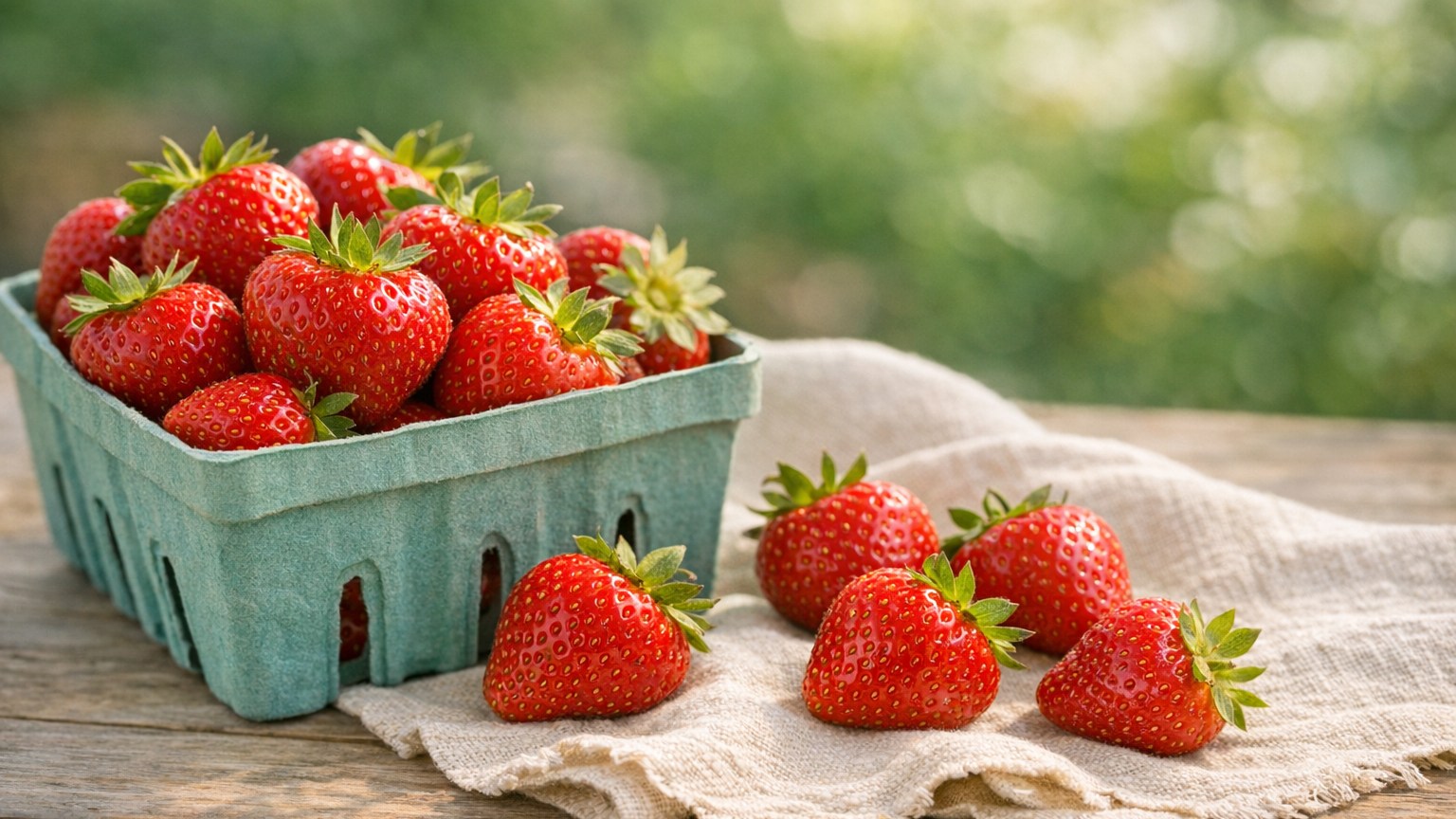
Strawberries
Strawberries are the first real fruit of summer — and the produce where the gap between local and shipped is widest. A ripe local strawberry tastes of strawberry. A shipped one tastes of pink water.
-
 Produce
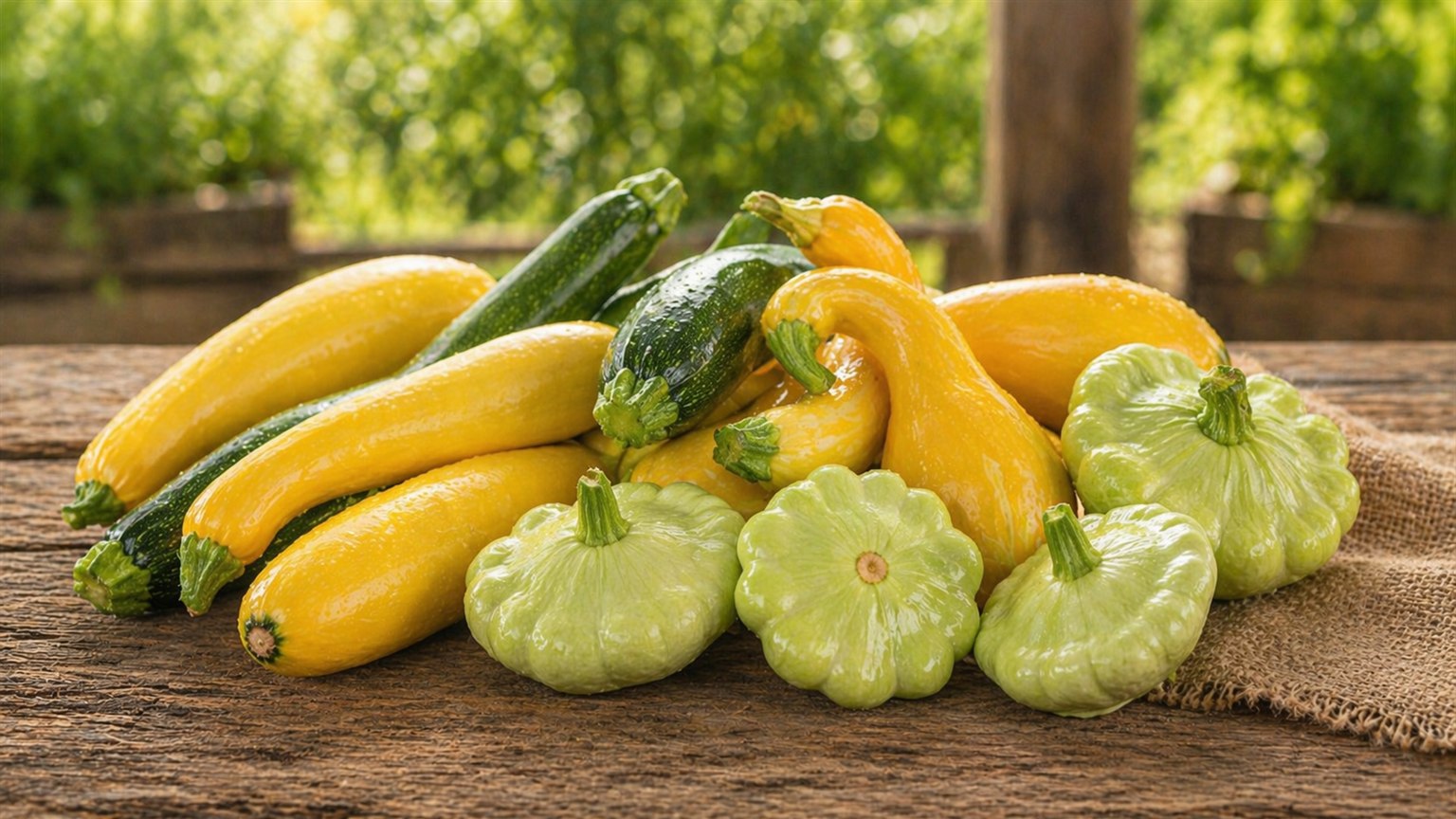
Summer Squash
Summer squash includes yellow squash, crookneck, straightneck, pattypan, and related tender-skinned squashes. It cooks quickly, spoils faster than winter squash, and is best when picked young.
-
 Produce
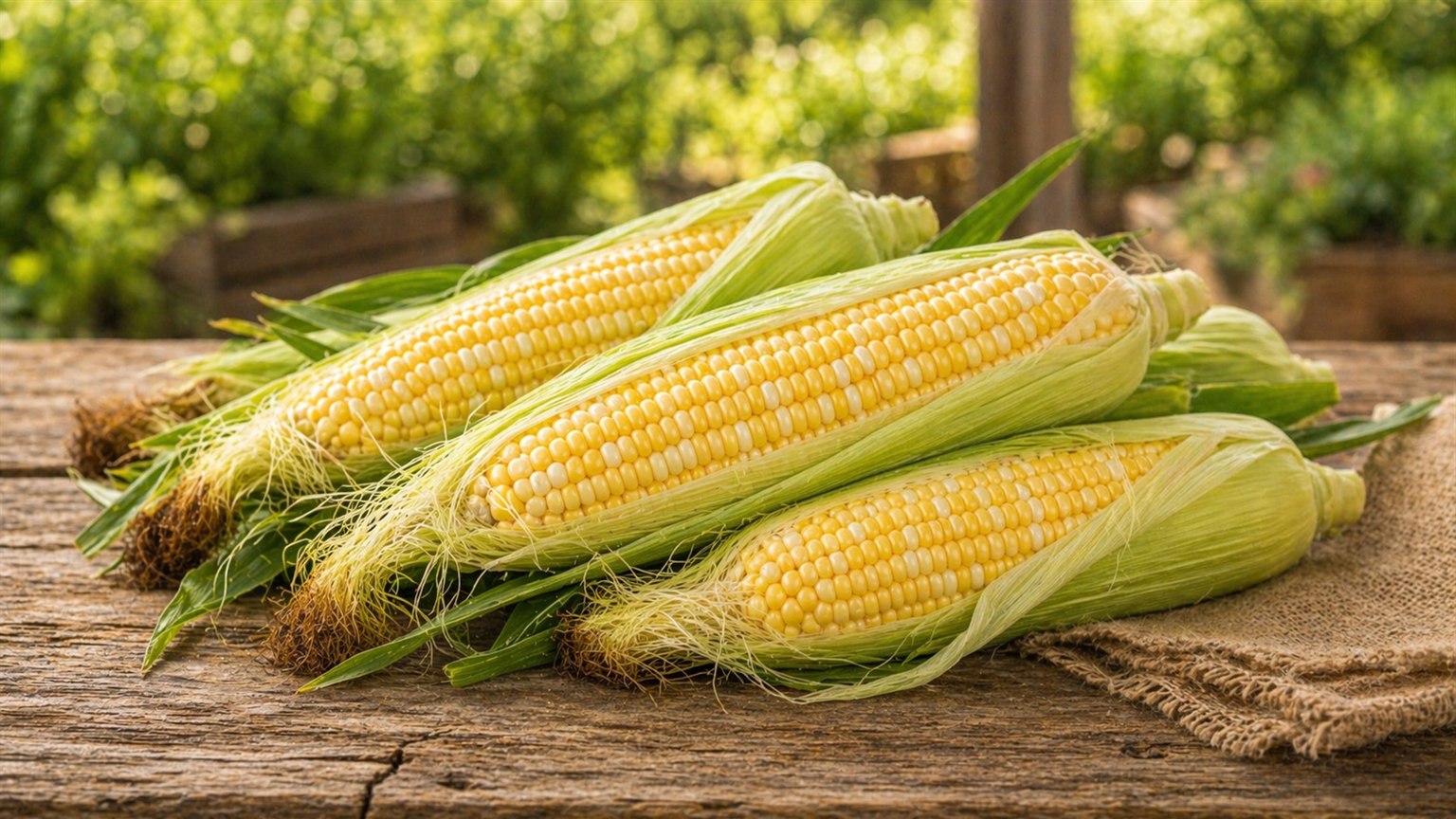
Sweet Corn
Sweet corn loses its sugar to starch conversion the moment it is picked — sometimes measured in hours, not days. Local corn bought the day it is harvested is a different vegetable from supermarket corn. No other produce…
-
Guide
The best local foods to stock up on in summer
Summer is the best time of year to buy in bulk, freeze, and preserve local food. Here are the items worth stocking up on and how to make them last.
-
 Produce
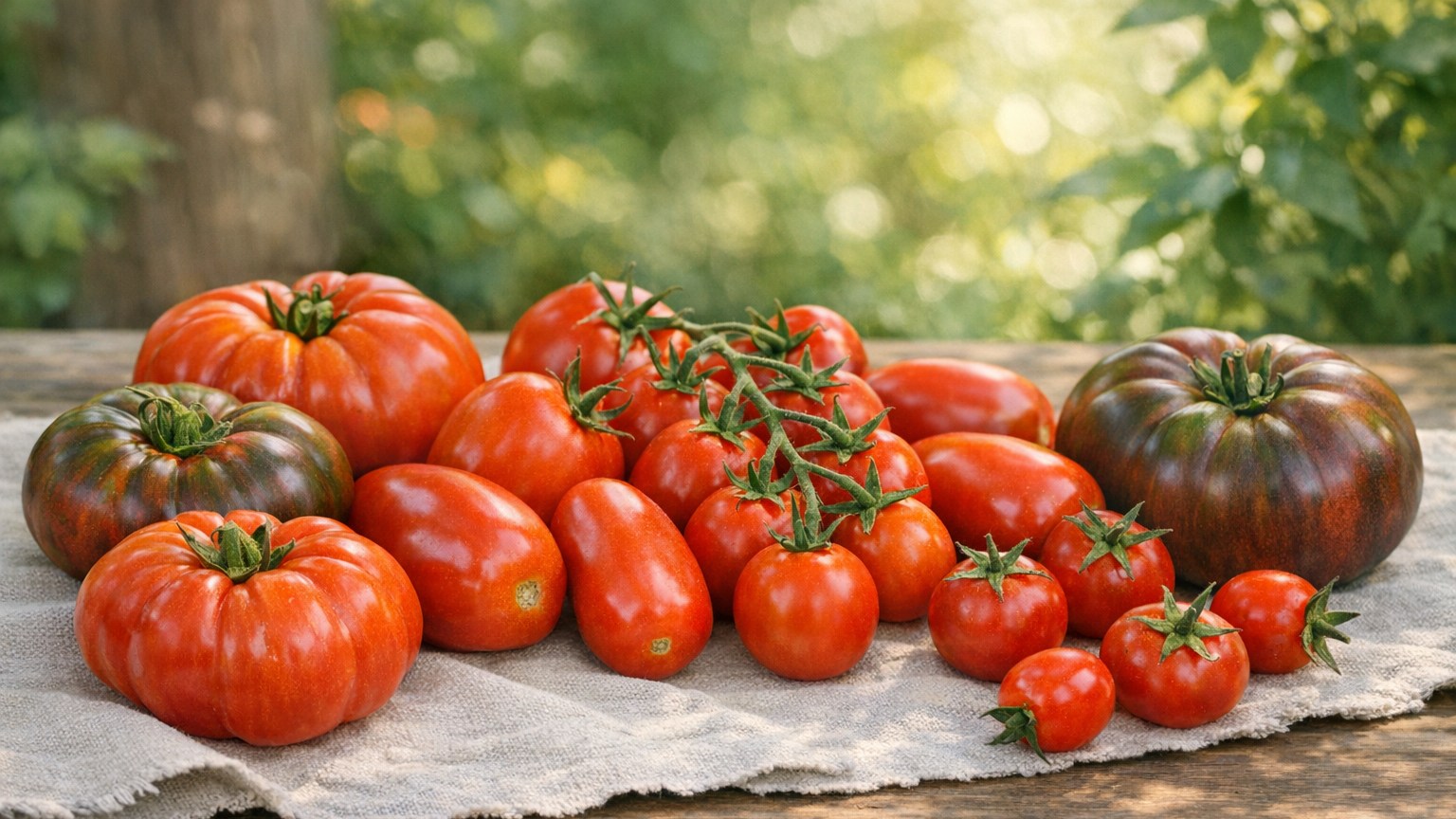
Tomatoes
Tomatoes are the defining taste of summer — and the produce where supermarket shortcomings are most obvious. A local tomato in August is a different fruit entirely from a supermarket one.
-
Guide
Top Products to Sell Locally — High Margin and High Demand
Not all farm products sell equally well through direct channels. Some categories consistently command strong prices and high buyer interest at farmers markets and through CSAs.
-
 Produce
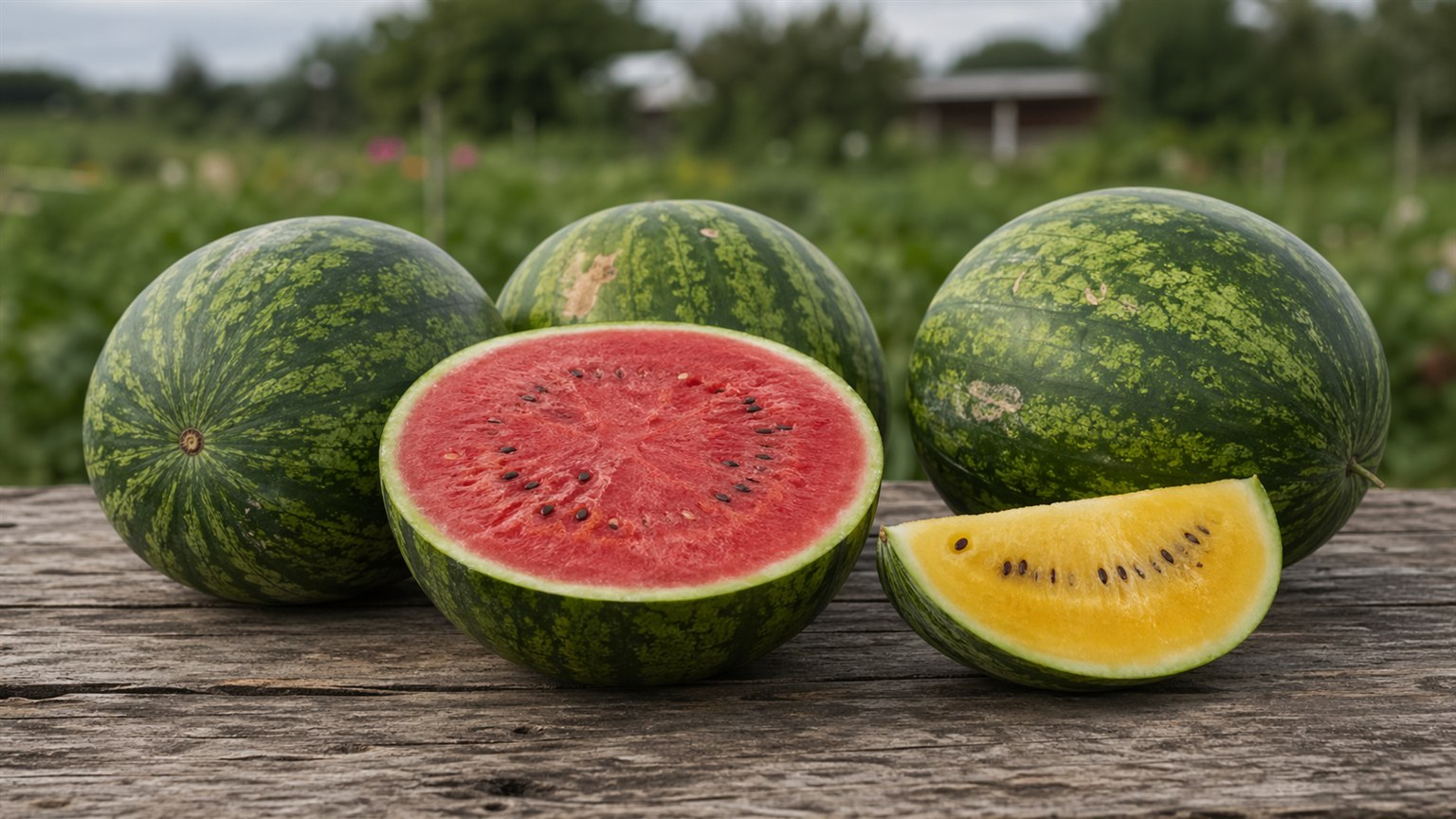
Watermelon
Watermelon is peak-summer fruit with a short window for the best local flavor. A good melon feels heavy, sounds full, and has a creamy field spot where it rested on the ground.
-
Guide
What to buy first when shopping local
Not sure what to order on your first local food shop? Some products deliver a much more noticeable improvement over the grocery store version than others. Start with these.
-
Guide
What to Buy From Local Farms in Summer
Summer is peak season for local farms — tomatoes, corn, peppers, berries, and more are at their absolute best right now. Here's what to prioritize and why buying direct from a grower makes all the difference.
-
Guide
What to do with backyard tomatoes
Backyard tomatoes are usually more delicate and more abundant than store-bought ones, so the best use plan is the one that respects both. These ideas help you handle the rush without wasting your nicest fruit.
-
Guide
What to do with too many tomatoes
Too many ripe tomatoes is a good problem until the counter starts filling up. These are the easiest ways to use, cook, and preserve them before they split or soften.
-
 Produce
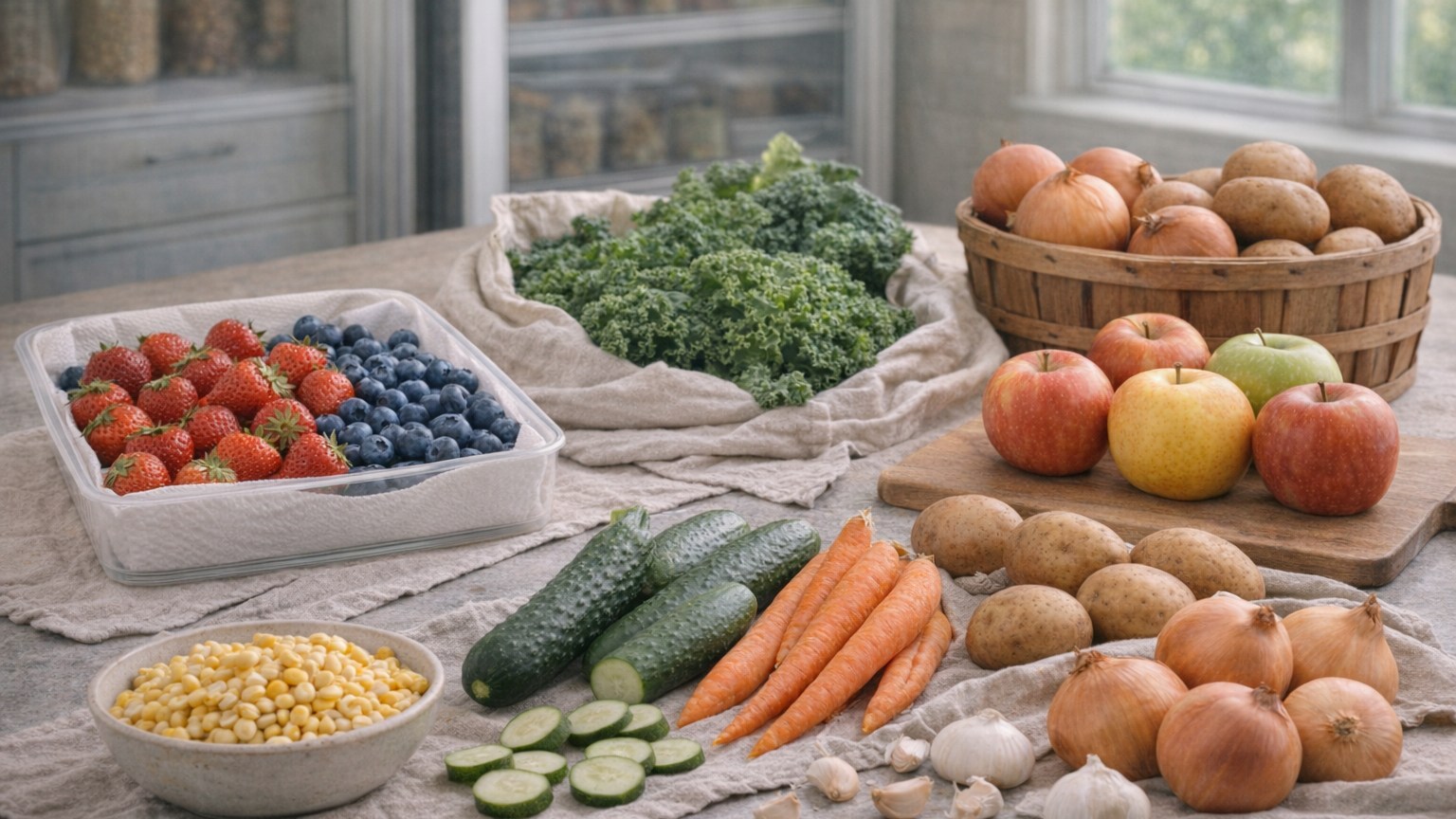
What's the Shelf Life of Farm-Fresh Produce?
Farm-fresh produce and grocery store produce have different shelf lives — sometimes longer, sometimes shorter. Here's what to expect for common crops and how to extend it.
-
Guide
Why freshness matters more than perfect appearance
A perfectly shaped tomato picked two weeks ago beats a lumpy one picked yesterday in appearance — but not in any way that matters at the table. Here's why freshness is the quality indicator worth prioritizing.


