
Search
Recipes, produce guides, seasonal articles, and Collective briefings — one place.
60 results for "sweet corn"
-
 Produce
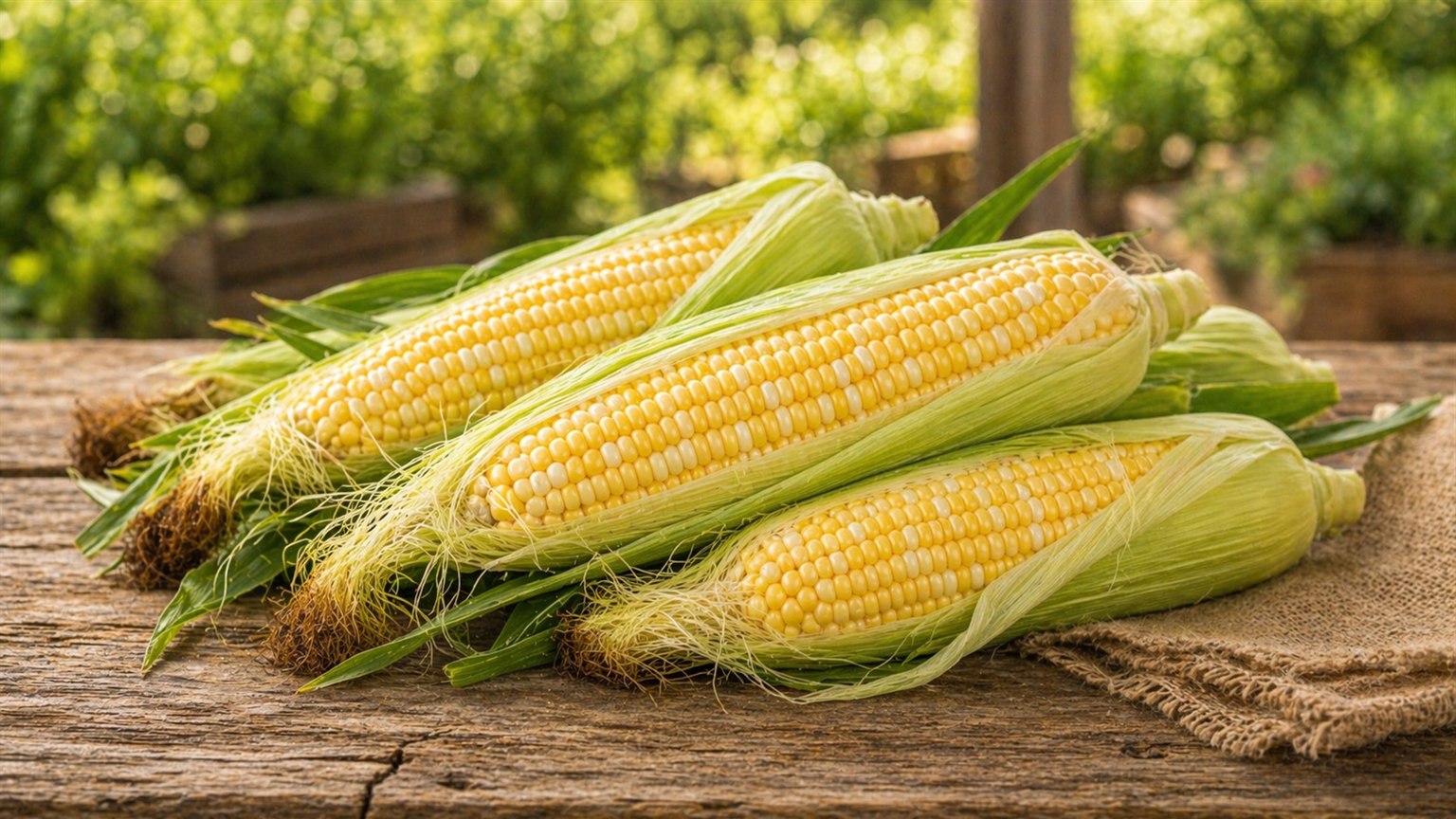
Sweet Corn
Sweet corn loses its sugar to starch conversion the moment it is picked — sometimes measured in hours, not days. Local corn bought the day it is harvested is a different vegetable from supermarket corn. No other produce…
-
 Produce
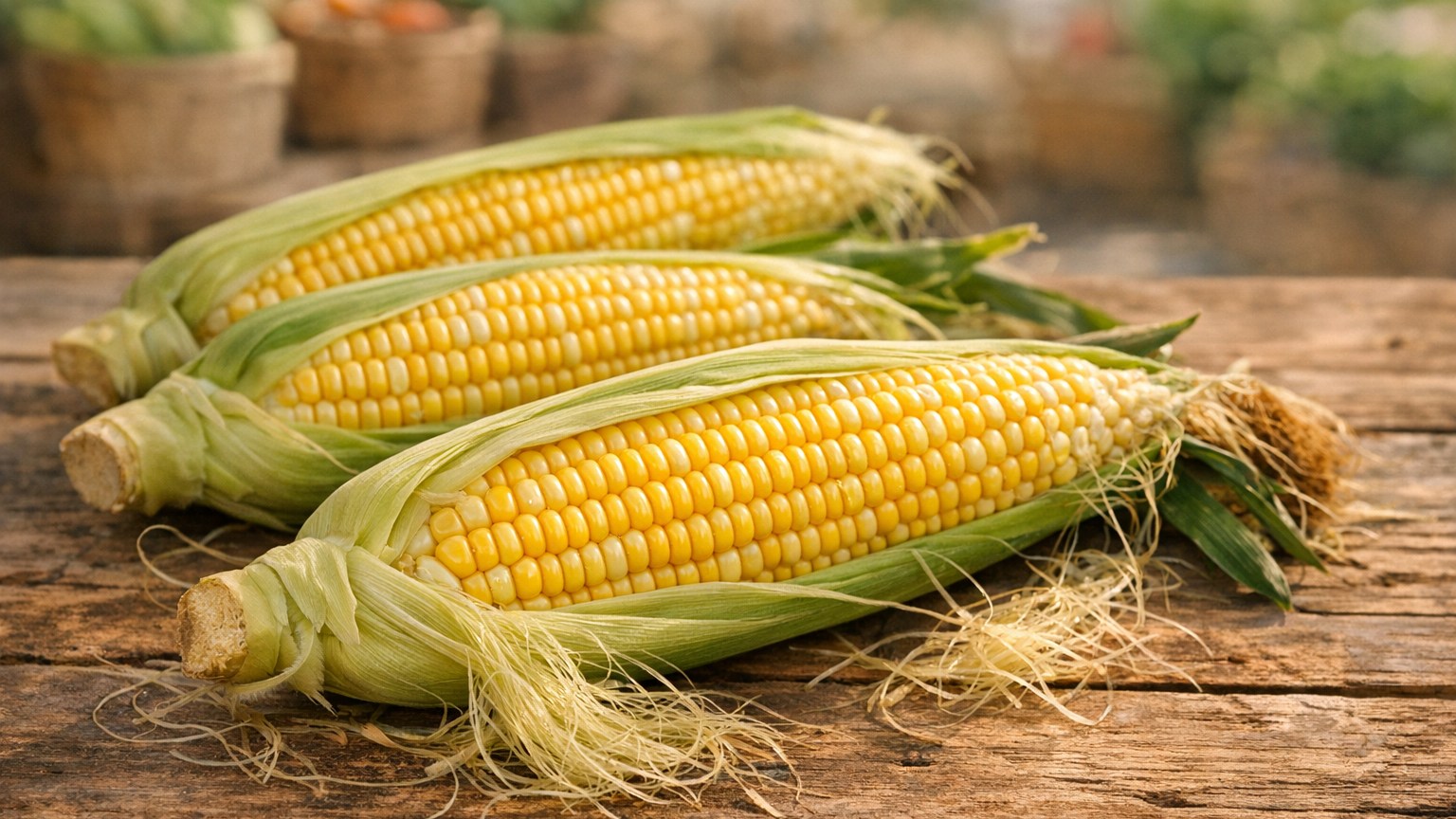
Corn
Sweet corn is a time-sensitive crop — the sugars in the kernels begin converting to starch the moment the ear is picked. Local corn eaten the day of harvest is a different vegetable than supermarket corn shipped from…
-
 Produce
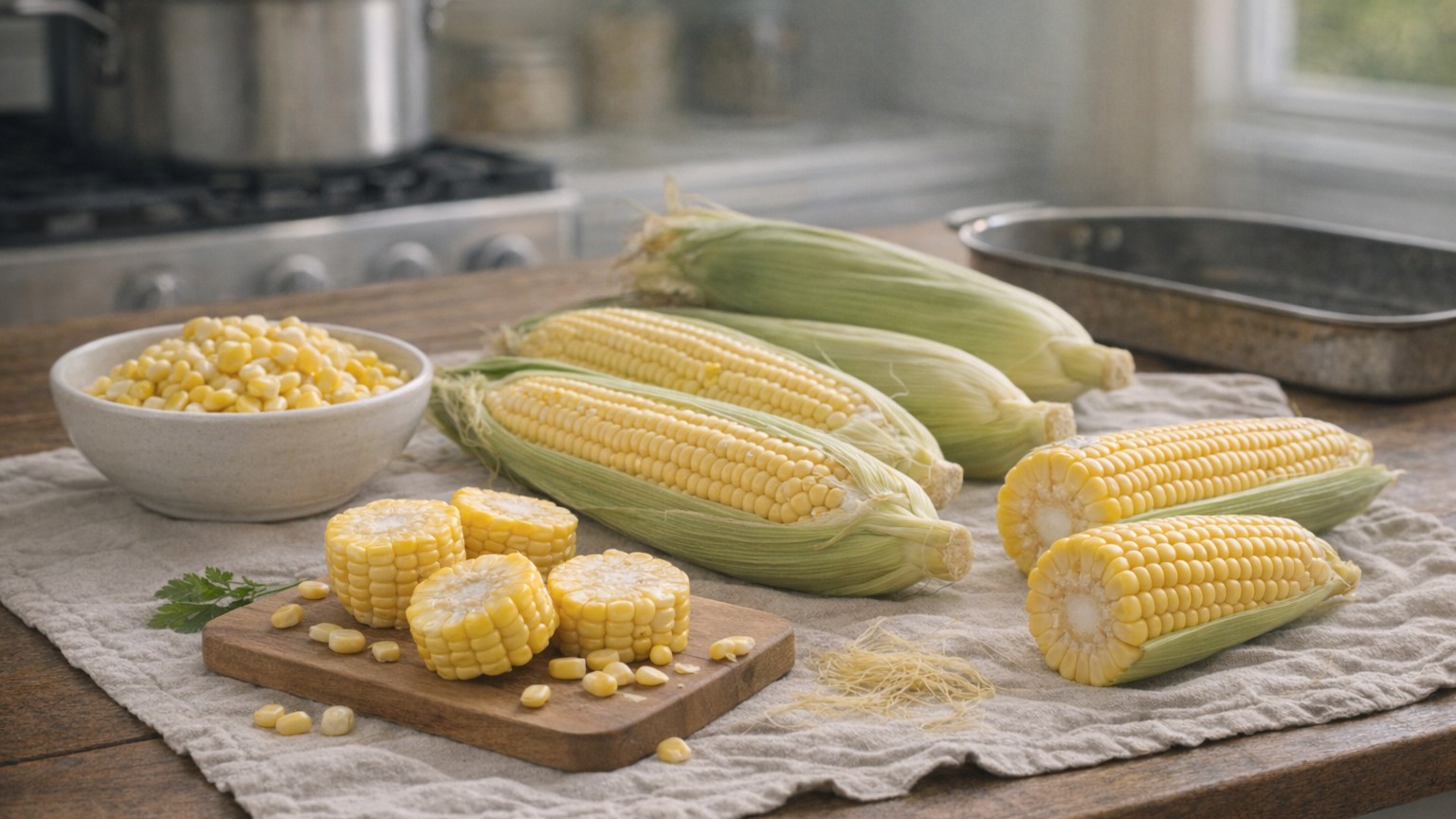
What is corn and how to cook it
Fresh corn is sweet, juicy, and easy to cook when you stop treating it like a special-event vegetable. It works on the cob, off the cob, and in a range of simple summer meals.
-
Guide
How to cook with squash, apples, sweet potatoes, and greens
Squash, apples, sweet potatoes, and fall greens are the backbone of autumn cooking — but knowing how to handle each one makes the difference between a good meal and a forgettable one.
-
 Recipe
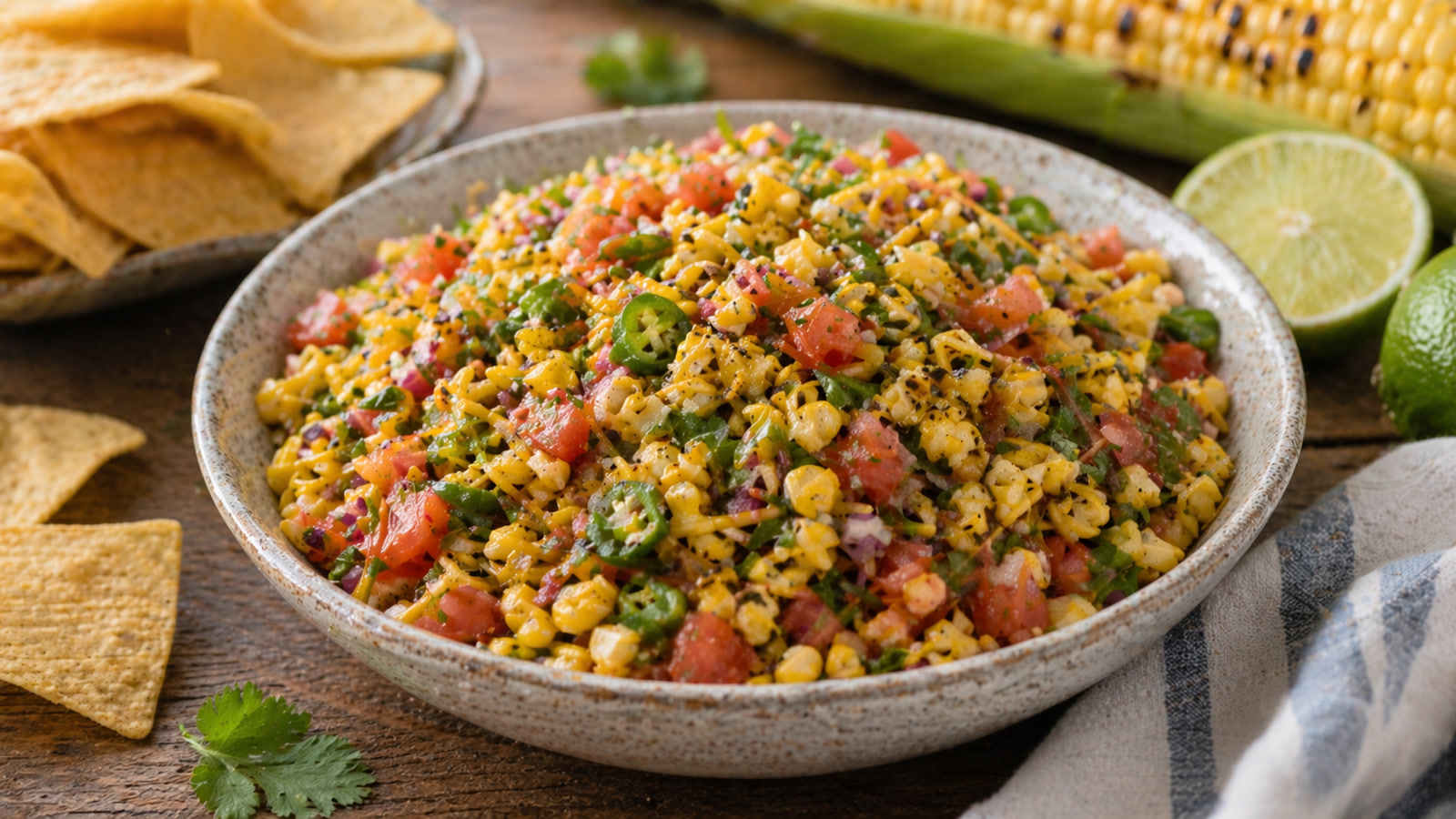
Grilled corn salsa
Charred sweet corn tossed with tomatoes, jalapeño, lime, and cilantro — a smoky summer salsa that goes with everything off the grill.
-
Guide
What to do with fresh corn
Fresh corn is easiest to enjoy when you use it quickly and keep the prep simple. These ideas help you get through a market bag before the kernels lose their best texture and sweetness.
-
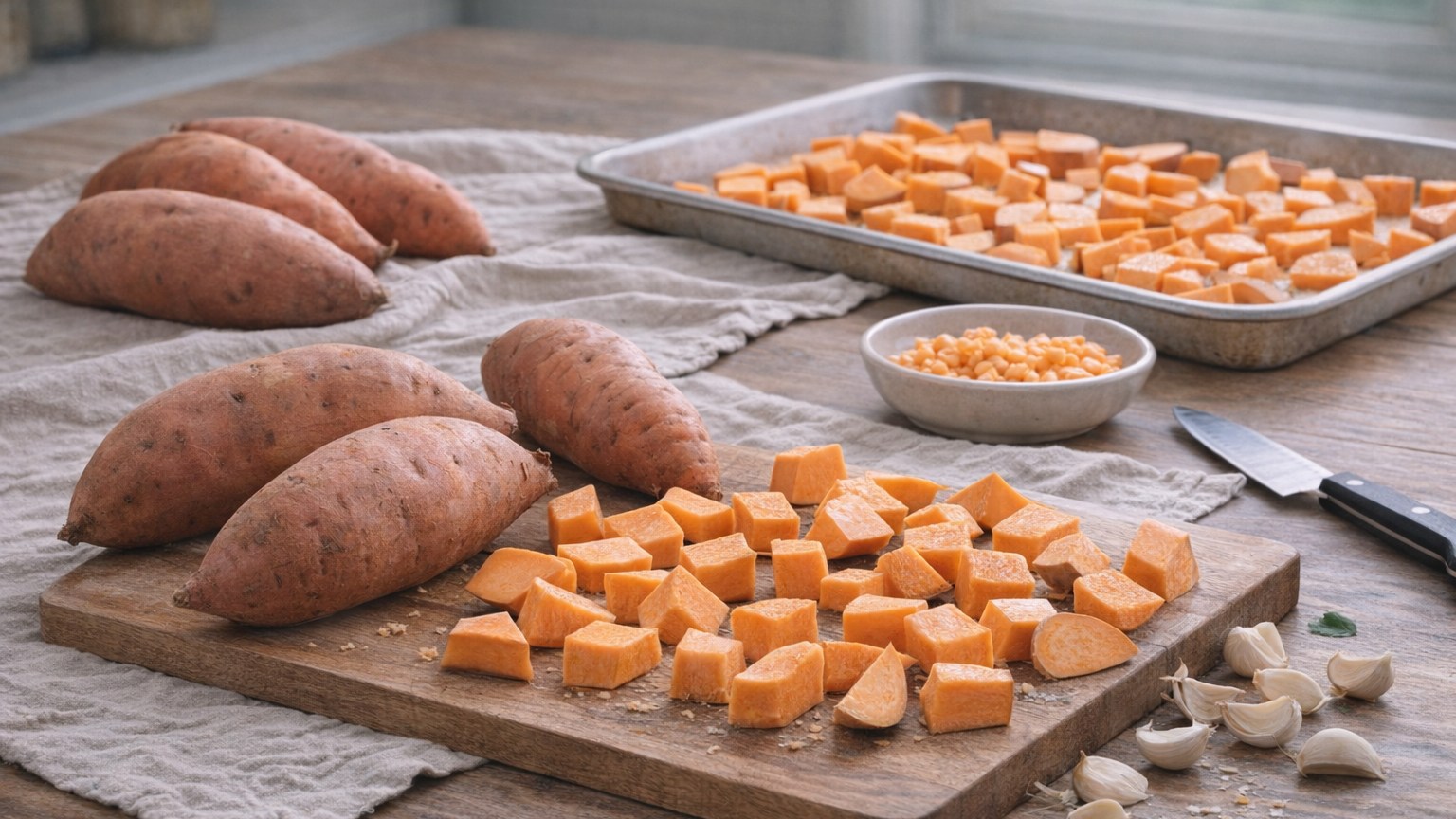 Produce
What is sweet potato and how to use it
Sweet potatoes are starchy, naturally sweet roots that work in both savory and sweet cooking. They are one of the easiest ingredients to meal-prep because they roast and reheat well.
-
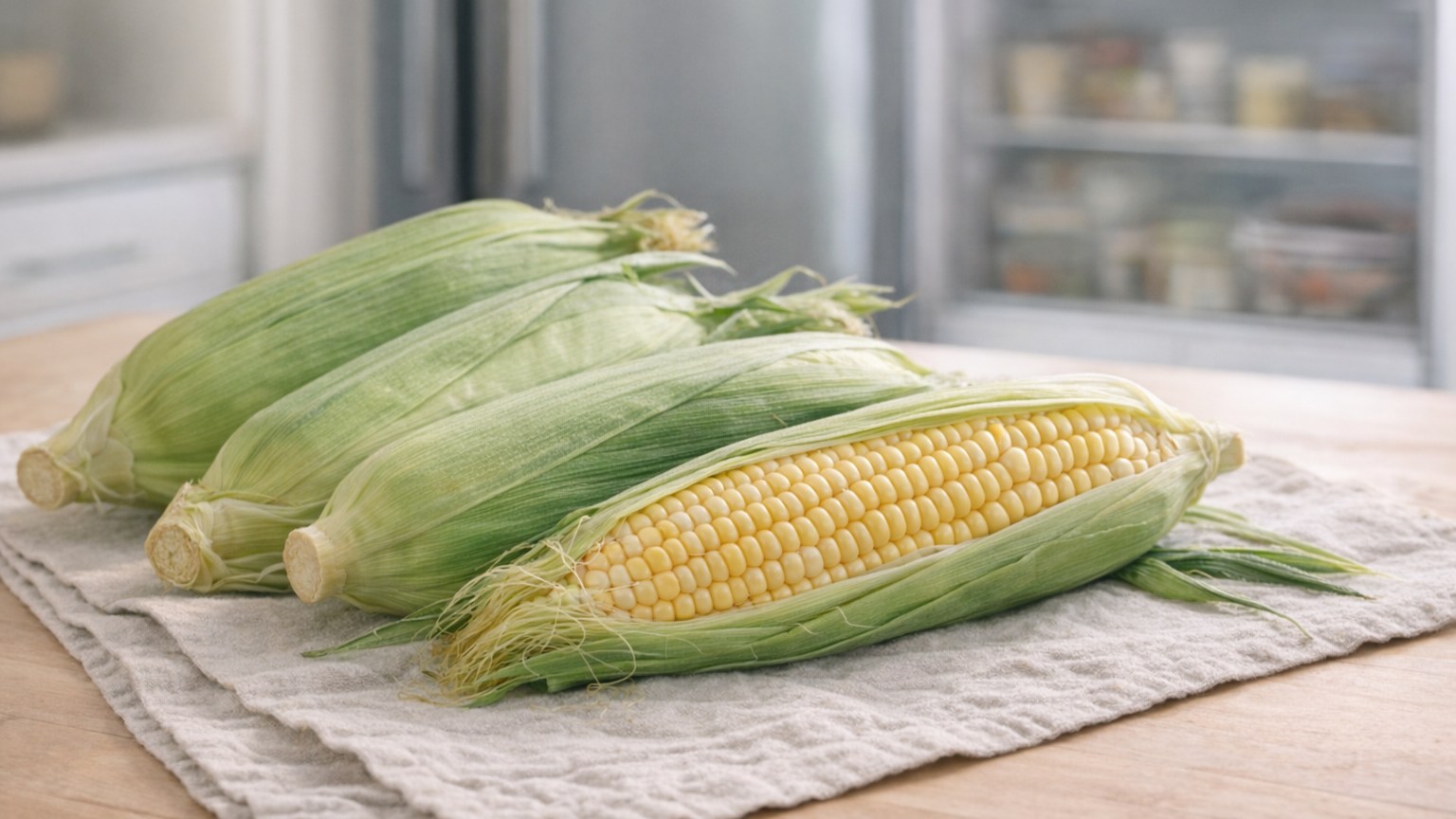 Produce
How to store fresh corn
Fresh corn is best when you treat it as a use-soon vegetable. Refrigeration helps, but the real secret is simply not waiting too long.
-
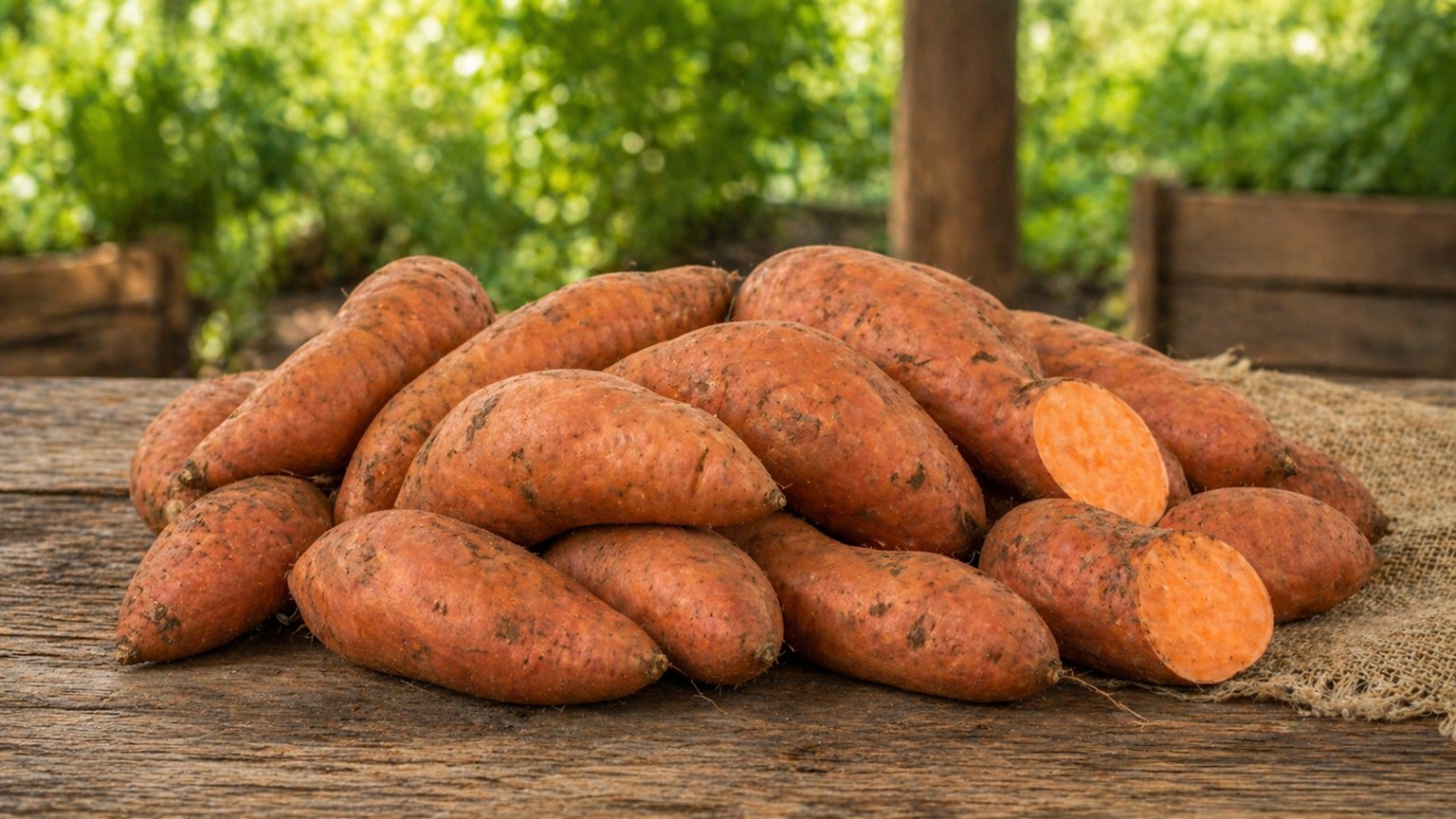 Produce
Sweet Potatoes
Sweet potatoes are a fall and winter staple with genuine variety differences that most cooks never discover. From the familiar Beauregard orange-fleshed type to Japanese purple varieties, the range in flavor and texture…
-
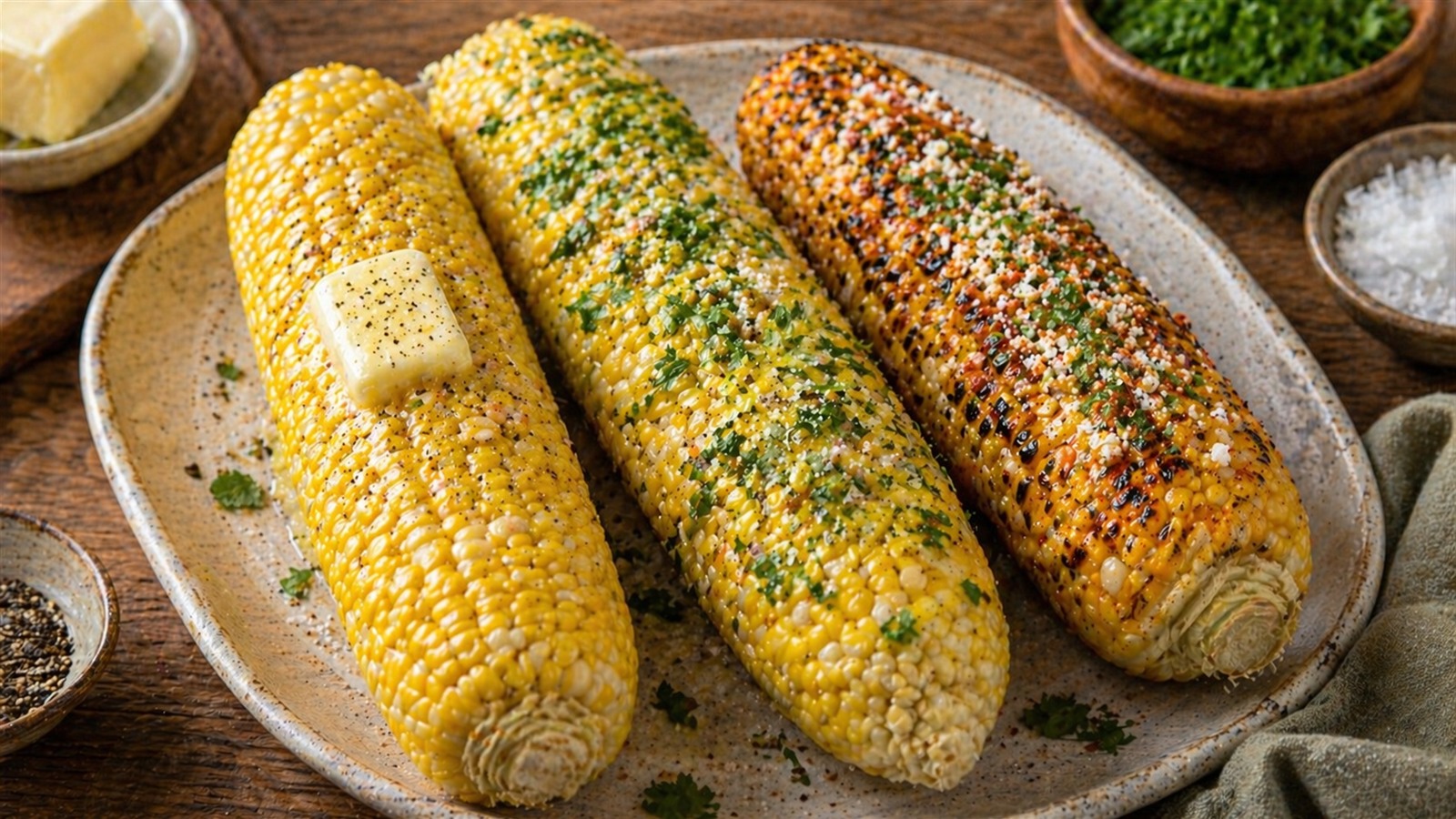 Recipe
Corn on the cob (3 ways)
Three reliable methods — boiling, steaming, and grilling — for cooking fresh corn, each giving a slightly different result without requiring special equipment.
-
Blog
Why farmers are shifting acreage between soybeans and corn
USDA's March 31, 2026 planting-intentions report showed fewer planned corn acres and more planned soybean acres. Here is what the public data suggests, and what it may mean without pretending every grower is making the…
-
Guide
Best ways to use extra peaches, corn, cucumbers, and berries
Summer abundance means you will sometimes end up with more than you planned. Here are the best ways to use up extra peaches, corn, cucumbers, and berries before they go to waste.
-
 Recipe
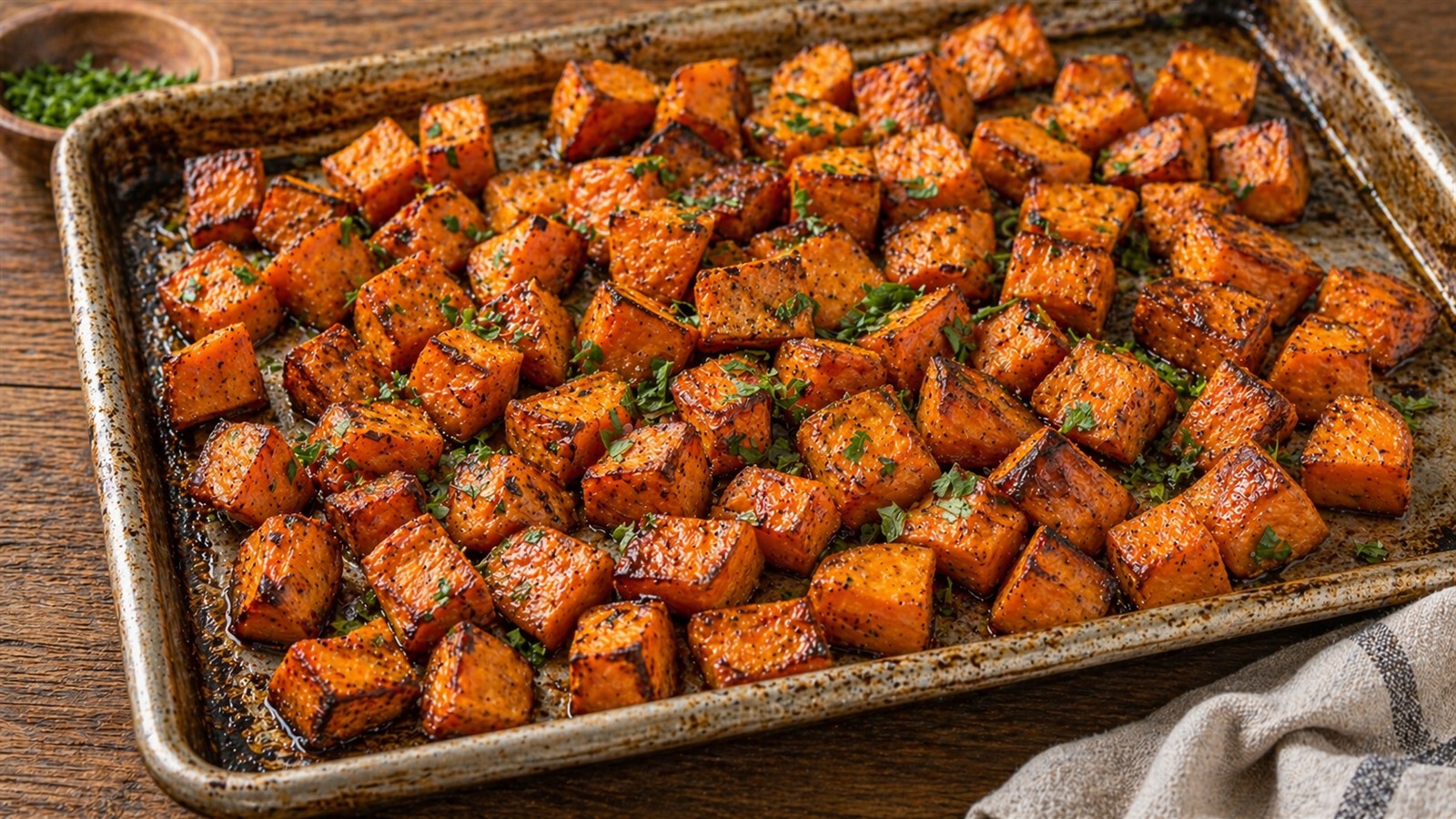
Roasted sweet potatoes
A simple high-heat roasting method that caramelizes the edges and softens the center — one of the most useful building-block recipes for bowls, breakfasts, and meal prep.
-
Guide
Cow-Share vs Goat-Share vs Sheep-Share Dairy — What's the Difference?
Herd-share programs let you access fresh milk from dairy animals directly from a local farm. Cow, goat, and sheep shares each offer different flavor profiles, nutritional properties, and seasonal availability. Here's…
-
 Produce
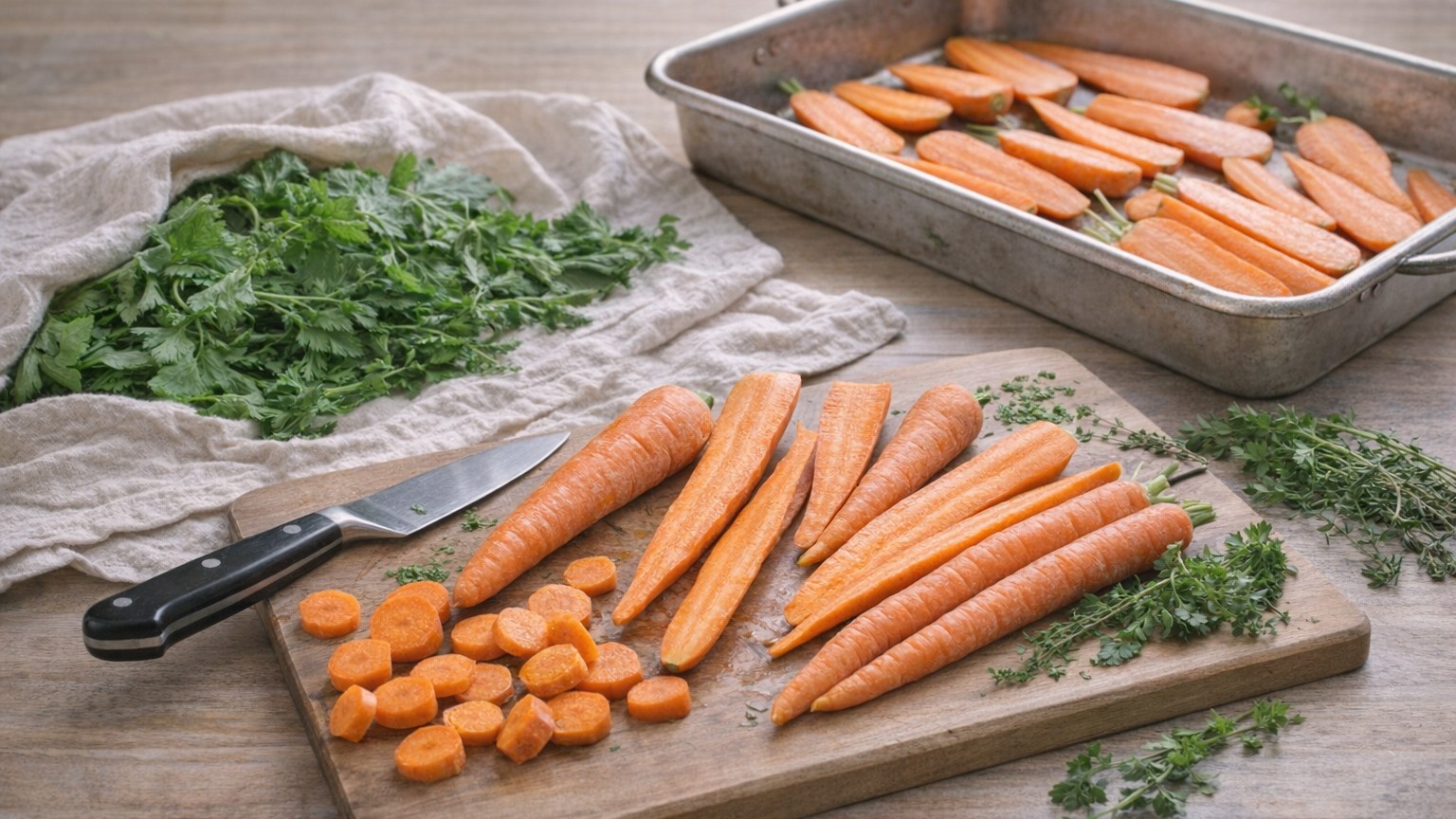
What is a carrot and how to cook it
Carrots are one of the most flexible root vegetables because they can be eaten raw, roasted, sauteed, simmered, or grated into both savory and sweet dishes.
-
 Recipe
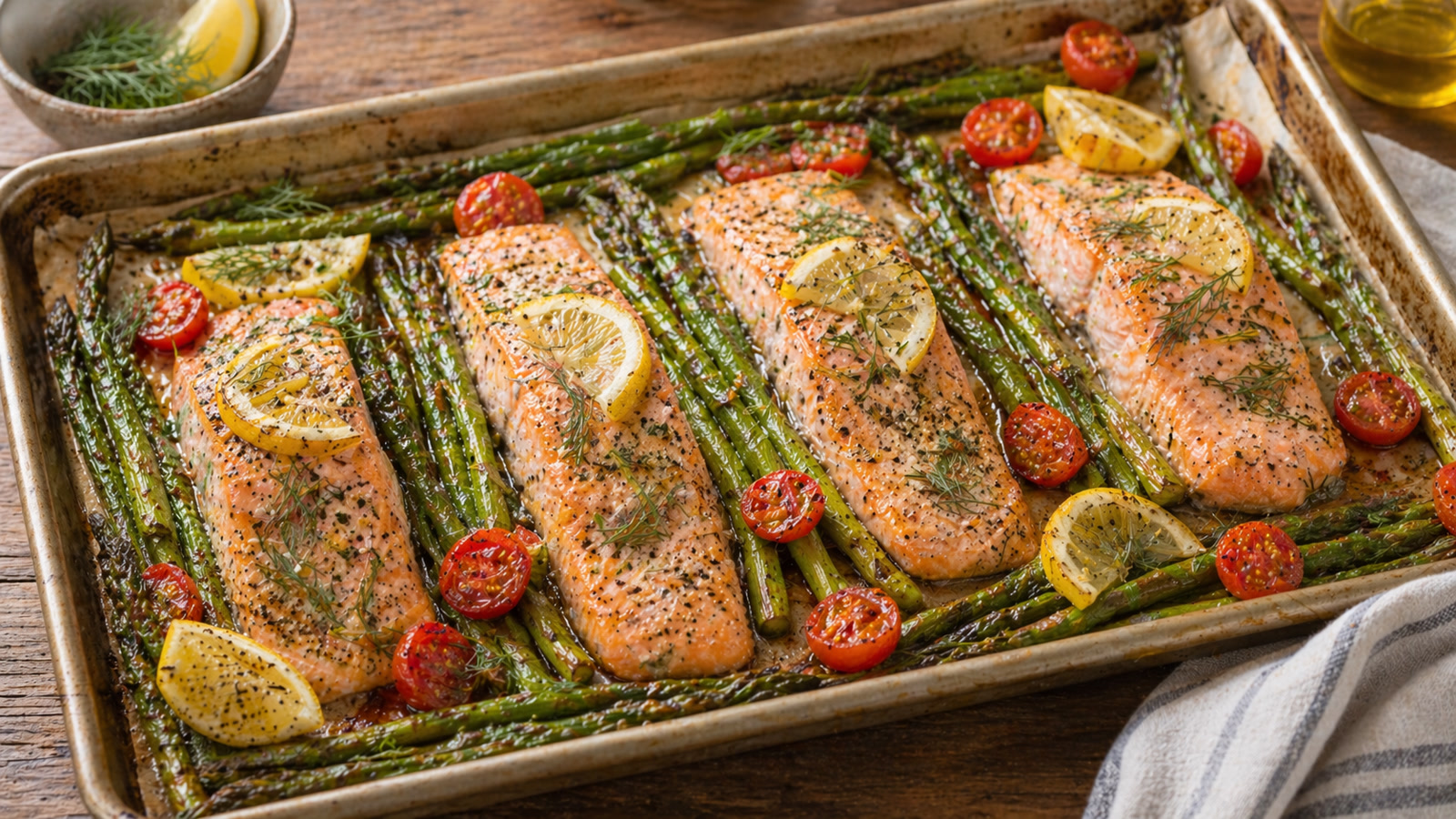
Sheet pan salmon with asparagus
Flaky lemon-garlic salmon roasted with asparagus and cherry tomatoes on one pan — 20 minutes, one dish, a complete spring dinner.
-
Guide
How to turn a local food order into a week of meals
A single local food order can cover most of your meals for the week with a little planning. This guide walks through how to make the most of what you receive without wasting anything.
-
Guide
How to build a more balanced week with better ingredients
A more balanced week of eating rarely comes from stricter rules — it usually comes from better starting materials and a few practical habits that make good choices easier to follow through on.
-
 Recipe
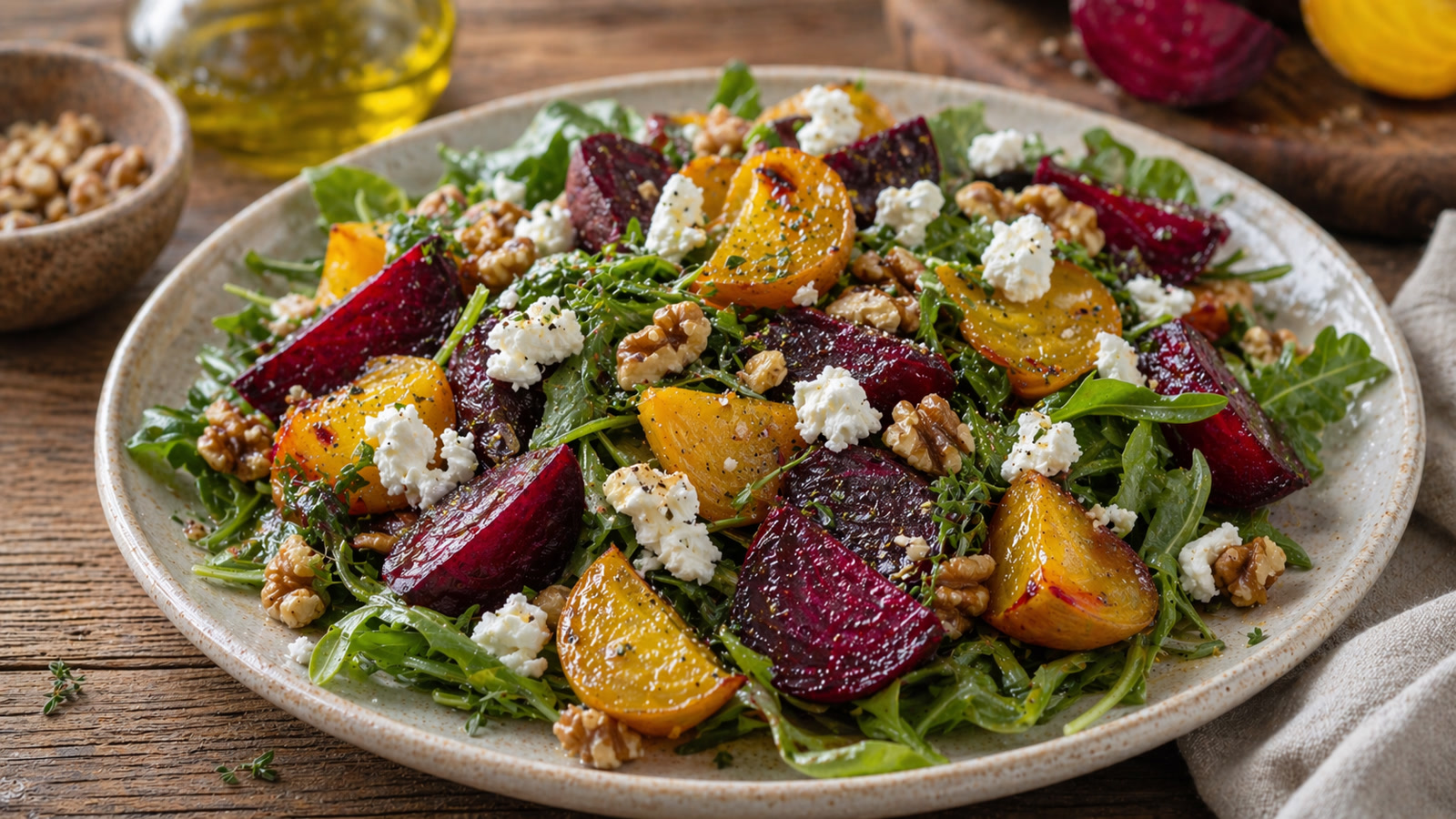
Roasted beet salad with goat cheese
Sweet roasted beets over peppery greens with goat cheese, walnuts, and a honey-dijon vinaigrette — a salad that eats like a small meal.
-
 Recipe
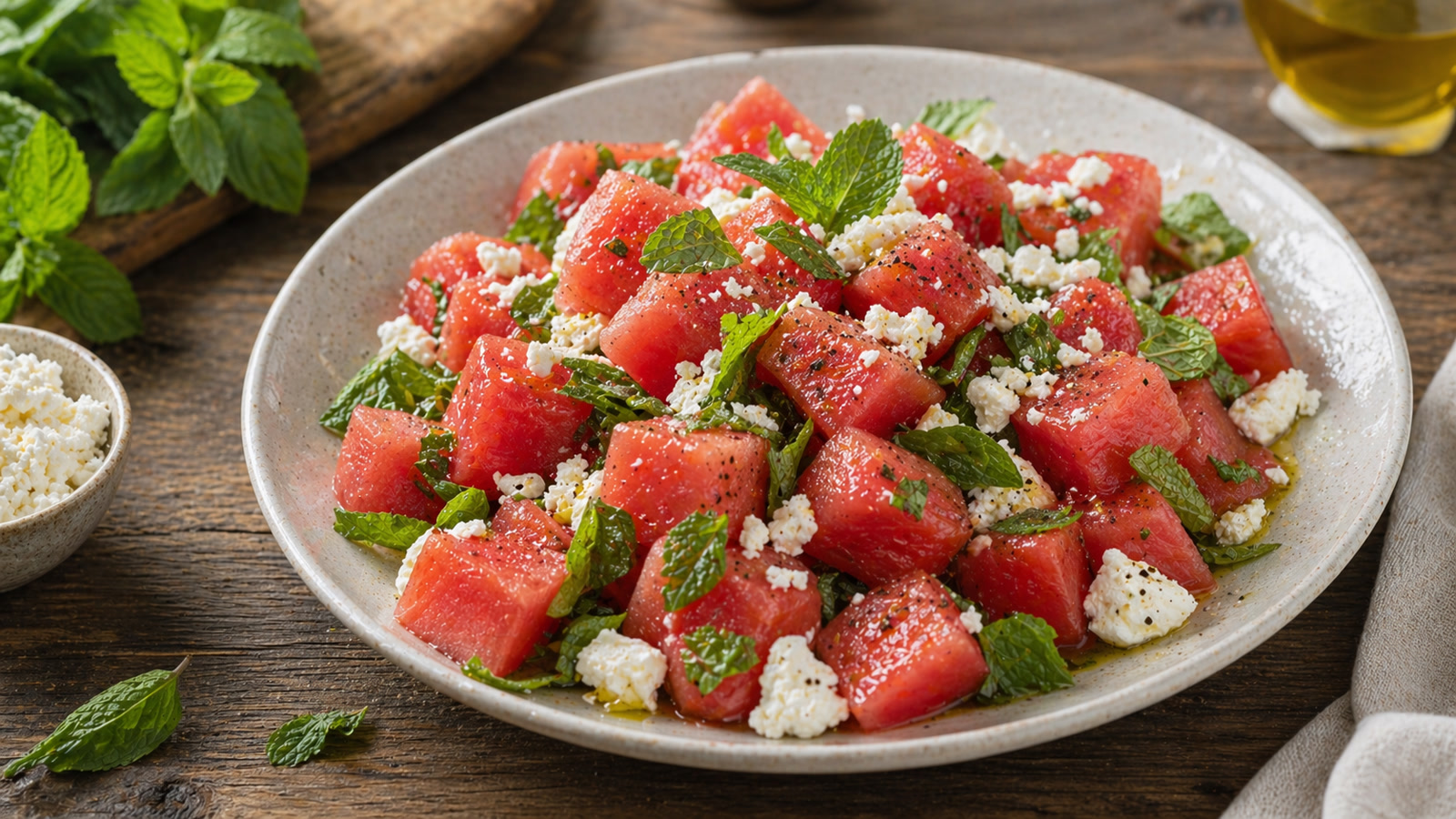
Watermelon feta mint salad
Sweet watermelon, salty feta, and fresh mint in a lime-olive oil dressing — the 10-minute summer salad that belongs on every hot-weather table.
-
 Produce
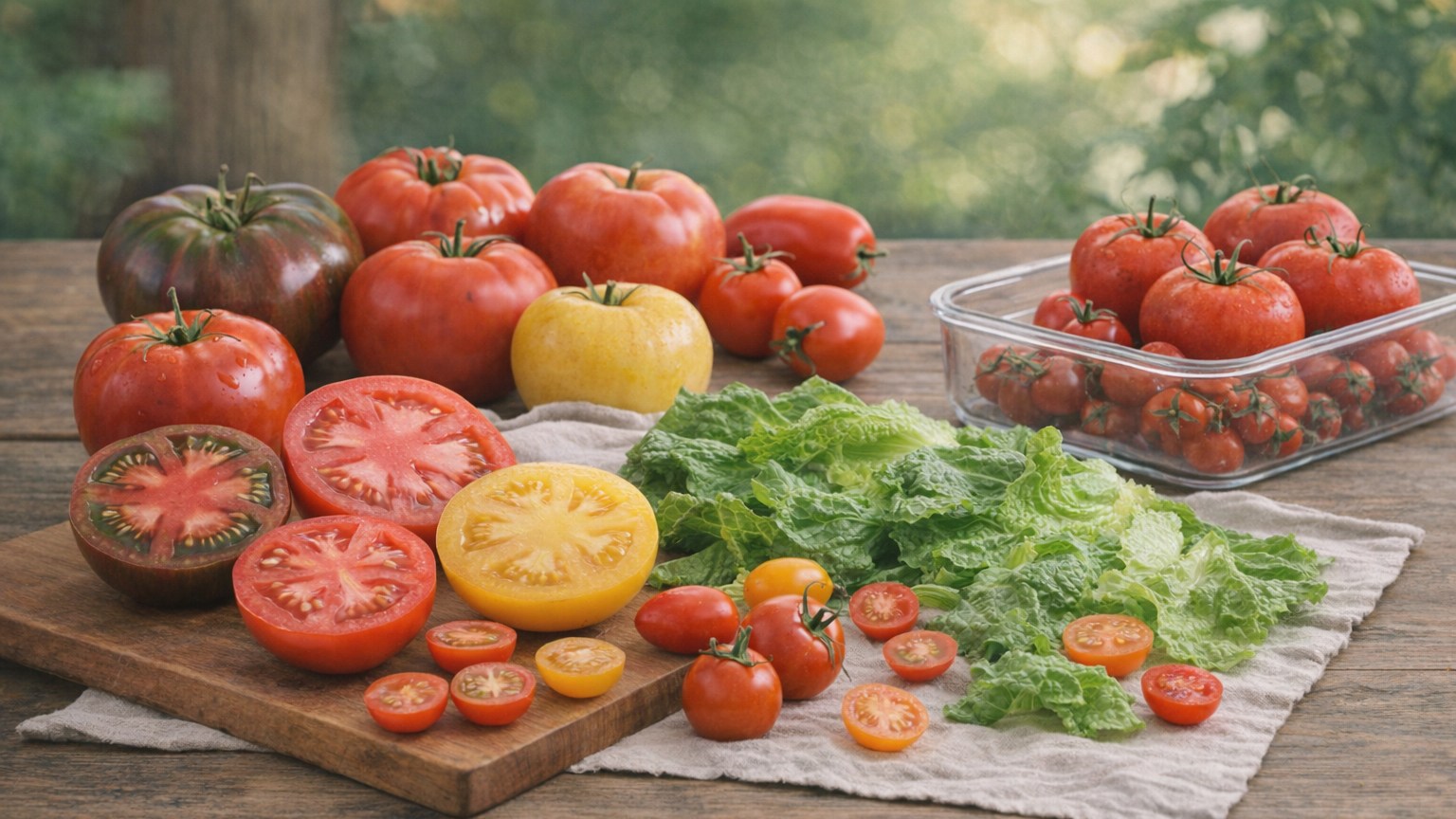
What do tomatoes taste like? Types explained
Tomatoes can taste sweet, tangy, savory, or deeply rich depending on the type and ripeness. Knowing the basic tomato families makes it easier to buy and cook them well.
-
 Produce
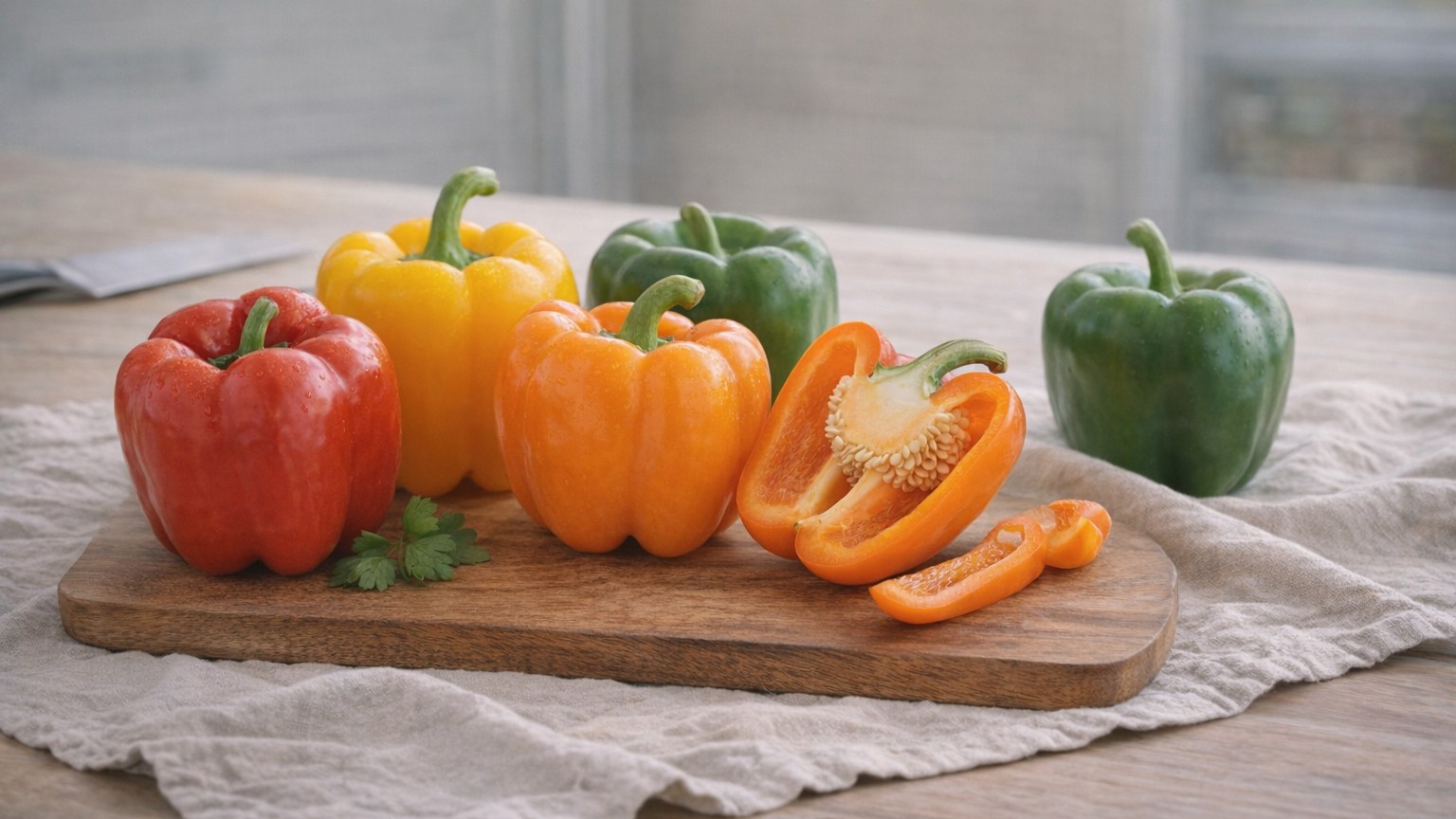
What is a bell pepper and how to use it
Bell peppers are crisp, sweet, and versatile enough for both raw snacking and cooked meals. They are one of the easiest vegetables to keep in regular rotation.
-
 Produce
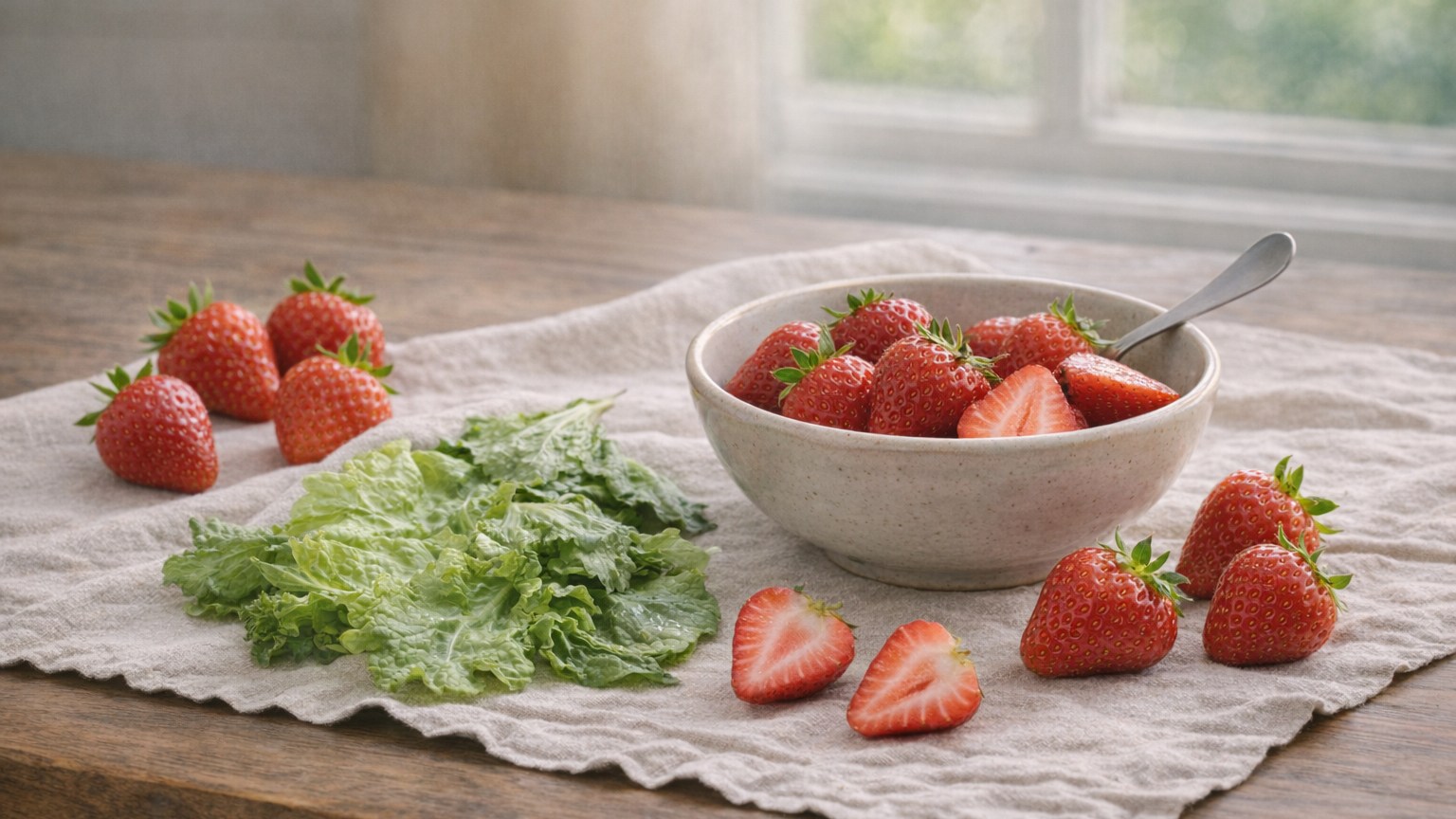
What is a strawberry and how to use it
Strawberries are sweet, fragrant fruit that work best when you respect how delicate they are. They can be eaten fresh, cooked lightly, or frozen without much trouble.
-
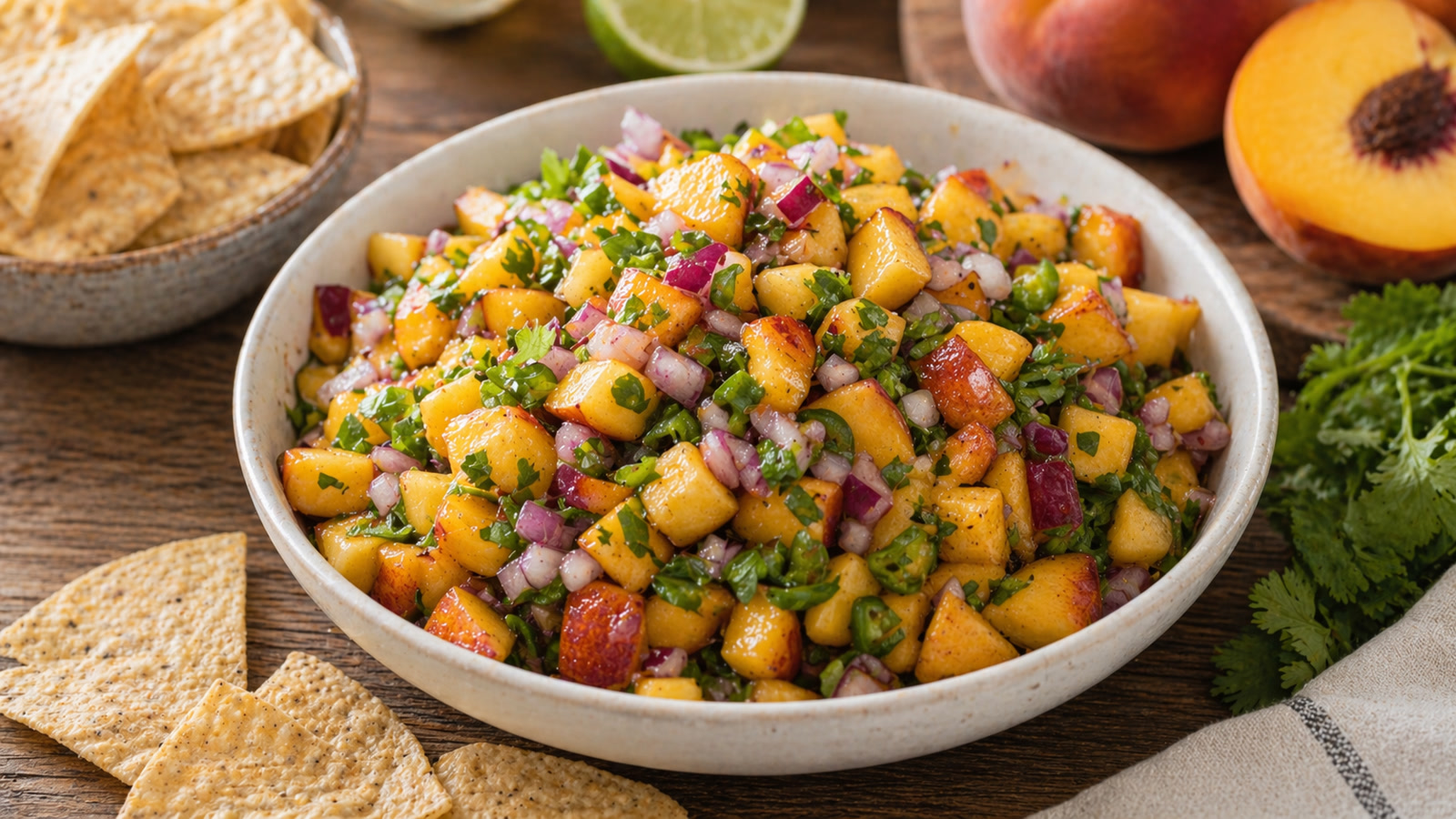 Recipe
Fresh peach salsa
Ripe peaches, jalapeño, red onion, and lime tossed into a bright sweet-savory salsa — the summer condiment that belongs on fish tacos and grilled chicken.
-
Guide
How Much Should You Budget for Local Food Each Month?
There's no fixed premium for buying local — it depends entirely on what you buy and how you buy it. Here's a practical framework for building a local food budget that works for your household.
-
Guide
Is Local Food More Expensive? The Honest Answer
Local food has a reputation for costing more. Sometimes it does. But the real picture is more complicated — and for many everyday purchases, local food is competitive or outright cheaper than the grocery store.
-
Guide
Easy meal ideas for a mixed farm box
A mixed farm box full of varied produce and proteins does not have to feel like a puzzle. These practical meal ideas help you turn an assortment of local ingredients into a week of dinners without overcomplicating…
-
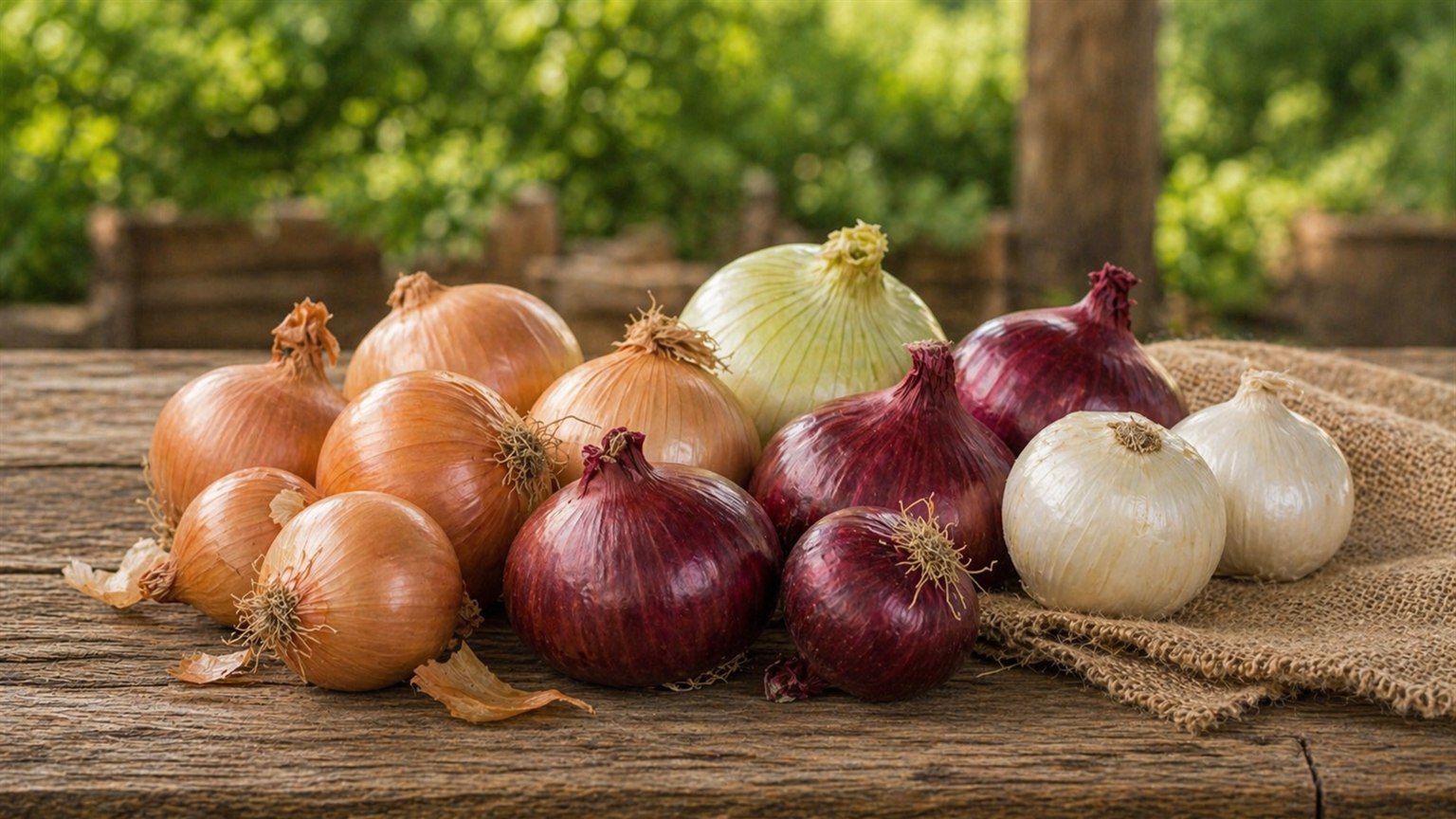 Produce
Onions
Onions are both a base ingredient and a vegetable in their own right. Yellow, red, white, sweet, and storage onions each bring a different balance of sharpness, sweetness, and keeping quality.
-
Blog
This week in food and farming: April 18, 2026
As of April 18, 2026, the most useful food-and-farming updates are about mixed cost pressure, planting intentions, and specialty-crop reporting deadlines. Here is what changed and what to do with it this week.
-
Guide
What to Buy From Local Farms in Summer
Summer is peak season for local farms — tomatoes, corn, peppers, berries, and more are at their absolute best right now. Here's what to prioritize and why buying direct from a grower makes all the difference.
-
Guide
How to support small farms even on a budget
You do not need to overhaul your entire grocery budget to support local food. A few smart, consistent choices can make a real difference for small farms without straining your wallet.
-
Guide
Best fall vegetables for roasting, soups, and meal prep
Fall vegetables are built for the way most people actually cook — roasting, simmering in soups, and prepping ahead. Here's which ones work best for each method and why.
-
Guide
Best foods to freeze, store, or preserve in fall
Fall is the best window to build a winter food supply from local farms. Some crops need nothing more than a cool shelf; others freeze or ferment beautifully with minimal effort.
-
Guide
Best local foods for Thanksgiving
Thanksgiving is one of the best occasions of the year to lean into local food. Here is what to look for from nearby farms and producers to make your table feel genuinely special.
-
Guide
Bulk Produce for Canning and Freezing — Is It Economical?
Buying bulk produce from local farms during peak season — for canning, freezing, and preserving — can be one of the best per-pound values in local food. Here's how the math works and where to start.
-
Guide
Buying Local Food for One Person vs a Family of Four
The economics and logistics of buying local food look very different depending on household size. Here's how to approach local food buying whether you're shopping for yourself or feeding a family.
-
Guide
Email Marketing Strategies for Farm Businesses
Email is one of the highest-return marketing channels for small farms — but only if you build the list and use it well. Here's a practical guide to email for direct-market farmers.
-
Guide
How buying local can simplify family meals
When your ingredients come from nearby farms, meal planning gets easier and dinnertime decisions feel less stressful. Here is how buying local can actually simplify what happens in your kitchen.
-
Guide
How Restaurants Can Start Sourcing From Local Farms (Step by Step)
Farm-to-table sourcing builds brand value and menu differentiation, but it requires a different approach than ordering from a broadline distributor. Here's a practical guide to making it work.
-
Guide
How to Preserve Summer Produce for Later
Summer gives you more great produce than you can eat right now. Here's how to freeze, pickle, and put up the best of the season so you're eating local food all winter long.
-
Guide
Local Food Guide for Thanksgiving — Turkey, Sides, and Pies
Thanksgiving is one of the most food-focused holidays of the year. Here's how to source a local heritage turkey, find the best fall produce for your sides, and make a better pie from local ingredients.
-
Guide
The best local foods to stock up on in summer
Summer is the best time of year to buy in bulk, freeze, and preserve local food. Here are the items worth stocking up on and how to make them last.
-
Guide
Buying Local Produce vs Growing Your Own — Cost, Time, and Yield
Growing your own food is rewarding and can be cost-effective for specific crops. But for most households, a combination of home growing and buying local delivers the best outcomes on cost, variety, and effort.
-
Guide
Can You Save Money Buying a Whole Chicken From a Farm?
A whole pastured chicken from a local farm costs more per bird than a store-bought one — but the comparison isn't straightforward. Here's how the value actually breaks down when you look at the whole picture.
-
Guide
How better product listings can increase farm sales
A product listing is often the first impression a buyer has of your farm. Small improvements to photos, descriptions, and pricing presentation can meaningfully increase the number of buyers who follow through to…
-
Guide
How to buy local food on a budget
Buying local does not have to mean spending more. With a few practical shifts in what you buy, when you buy it, and how much you order at once, you can make local food work for almost any grocery budget.
-
Guide
Meet the Grower: What to Look for in a Farm Profile
A strong farm profile is one of the most powerful tools a small producer has. Learn what makes grower profiles compelling, trustworthy, and worth reading.
-
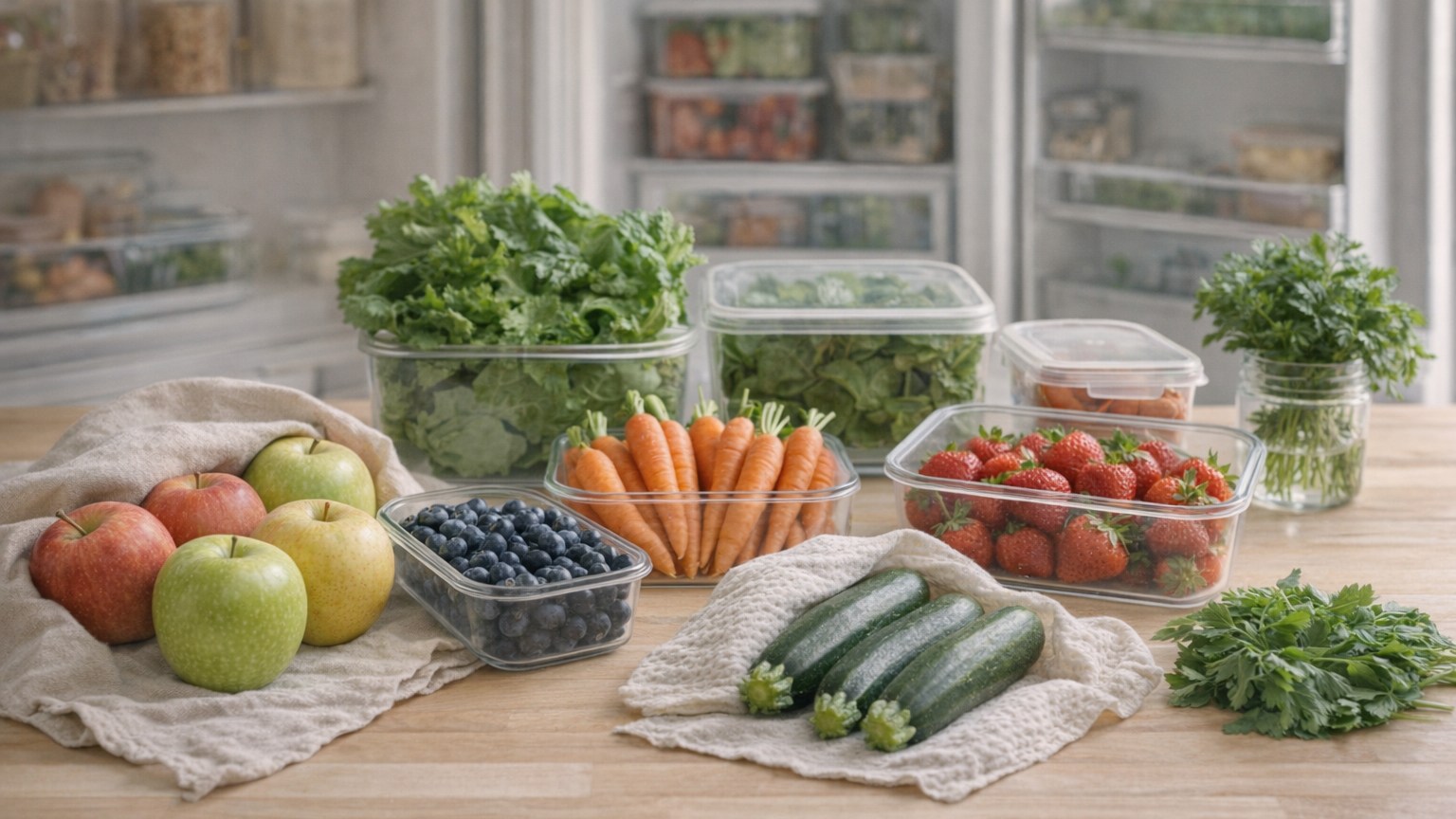 Produce
How to make fresh produce last all week
Most produce spoilage comes down to a handful of avoidable mistakes. These storage habits will get you through a full week of fresh vegetables and fruit with far less waste.
-
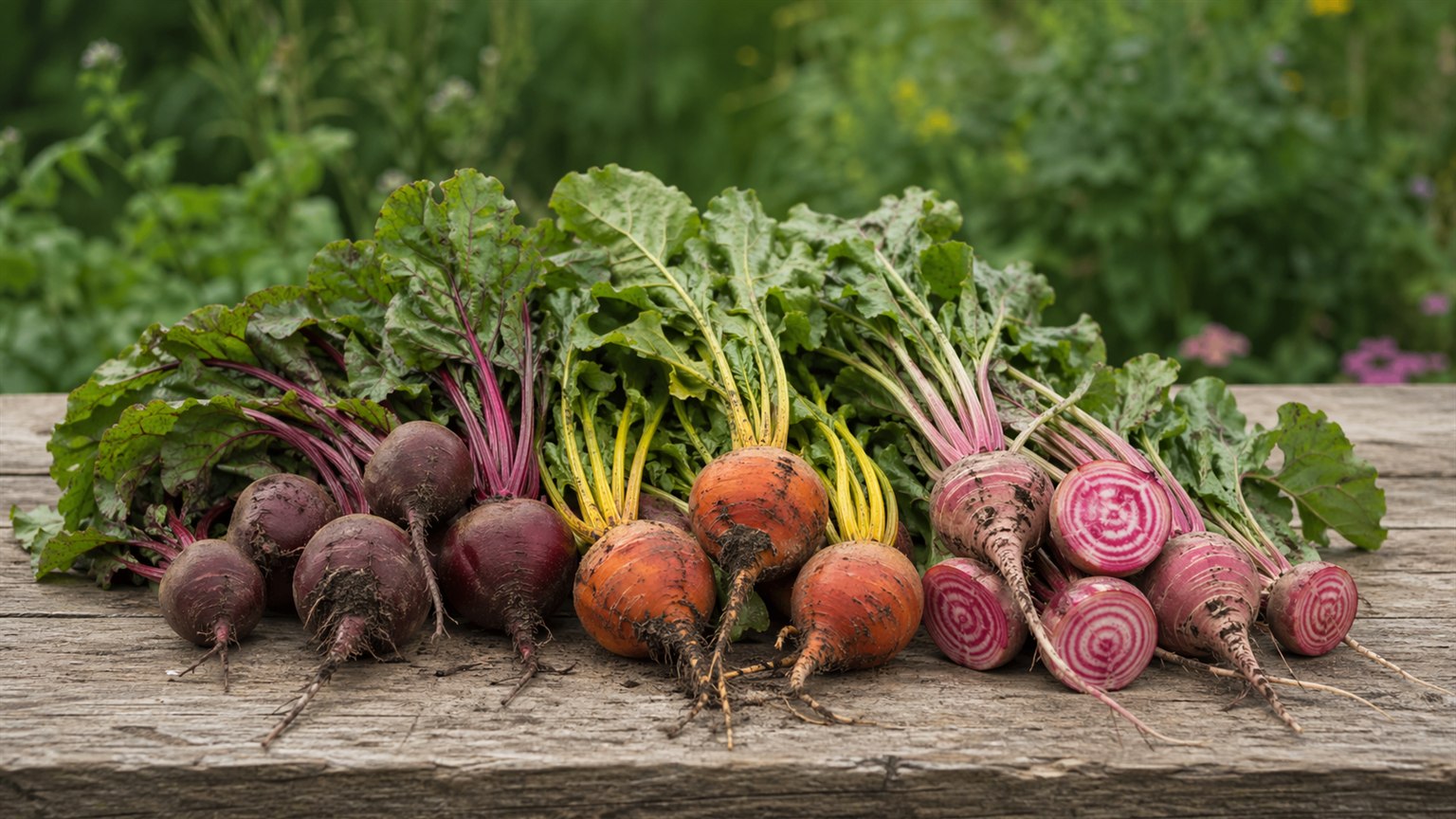 Produce
Beets
Beets are sweet, earthy root vegetables that store well and come with edible greens when freshly harvested. They roast beautifully, pickle easily, and add color to salads, grain bowls, and simple sides.
-
Guide
Local Food vs Organic Food — Which Matters More?
Local and organic are not the same thing, and choosing between them depends on what you're buying. Here's how to think about both labels and when each one actually matters.
-
Guide
What to cook when your farm order arrives
The moment your farm order arrives is the best time to think through the week ahead. A little planning right at pickup or delivery sets you up to use everything well and waste almost nothing.
-
Guide
How to shop small for holiday meals
Shopping from local farms and small producers for holiday meals takes a little more planning but results in food that is more meaningful, more flavorful, and more connected to your community.
-
 Produce
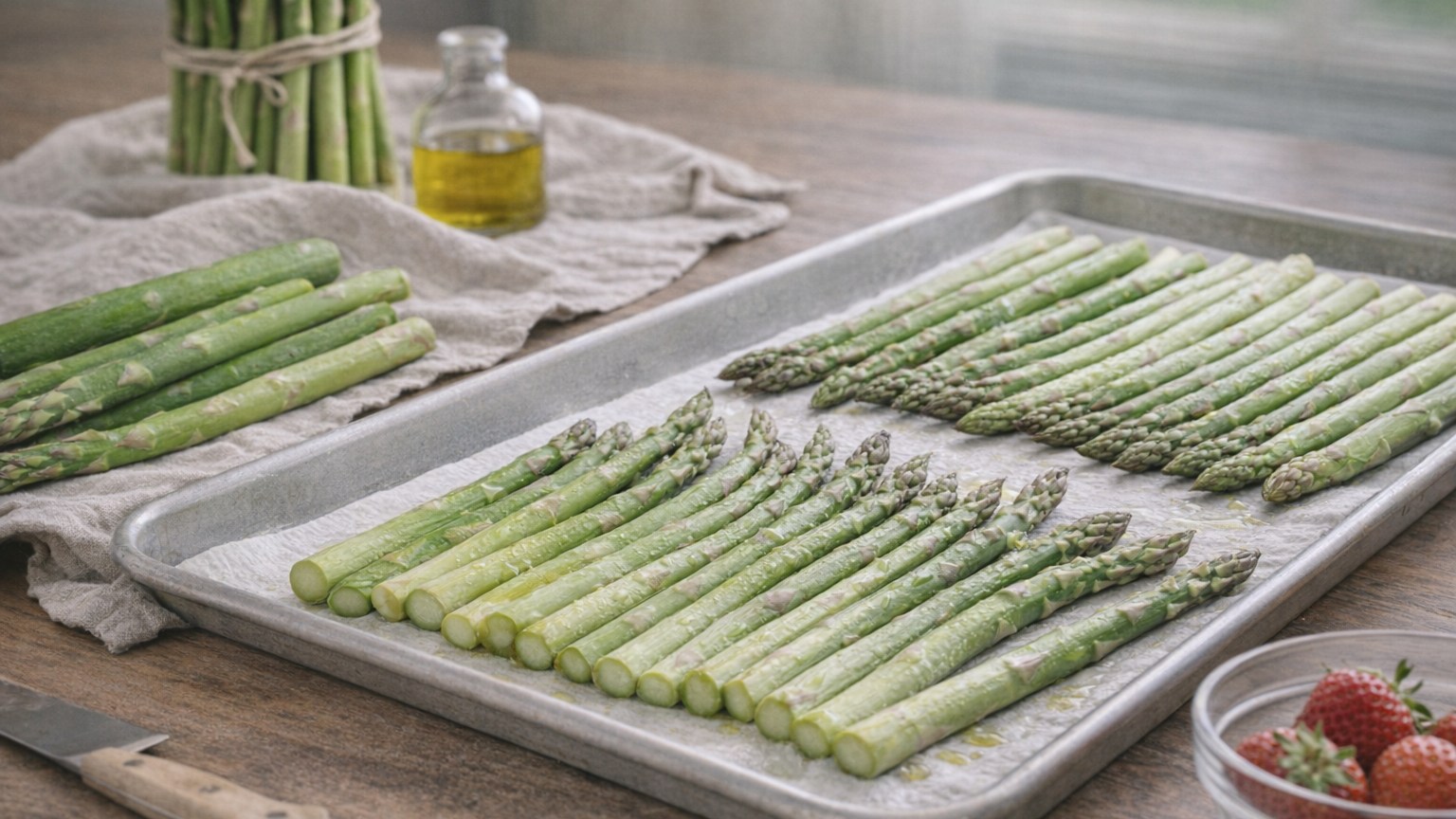
What is asparagus and how to cook it
Asparagus is one of the clearest signs of spring because it is tender, quick-cooking, and best when treated simply. The trick is to stop cooking it as soon as it is just done.
-
 Produce
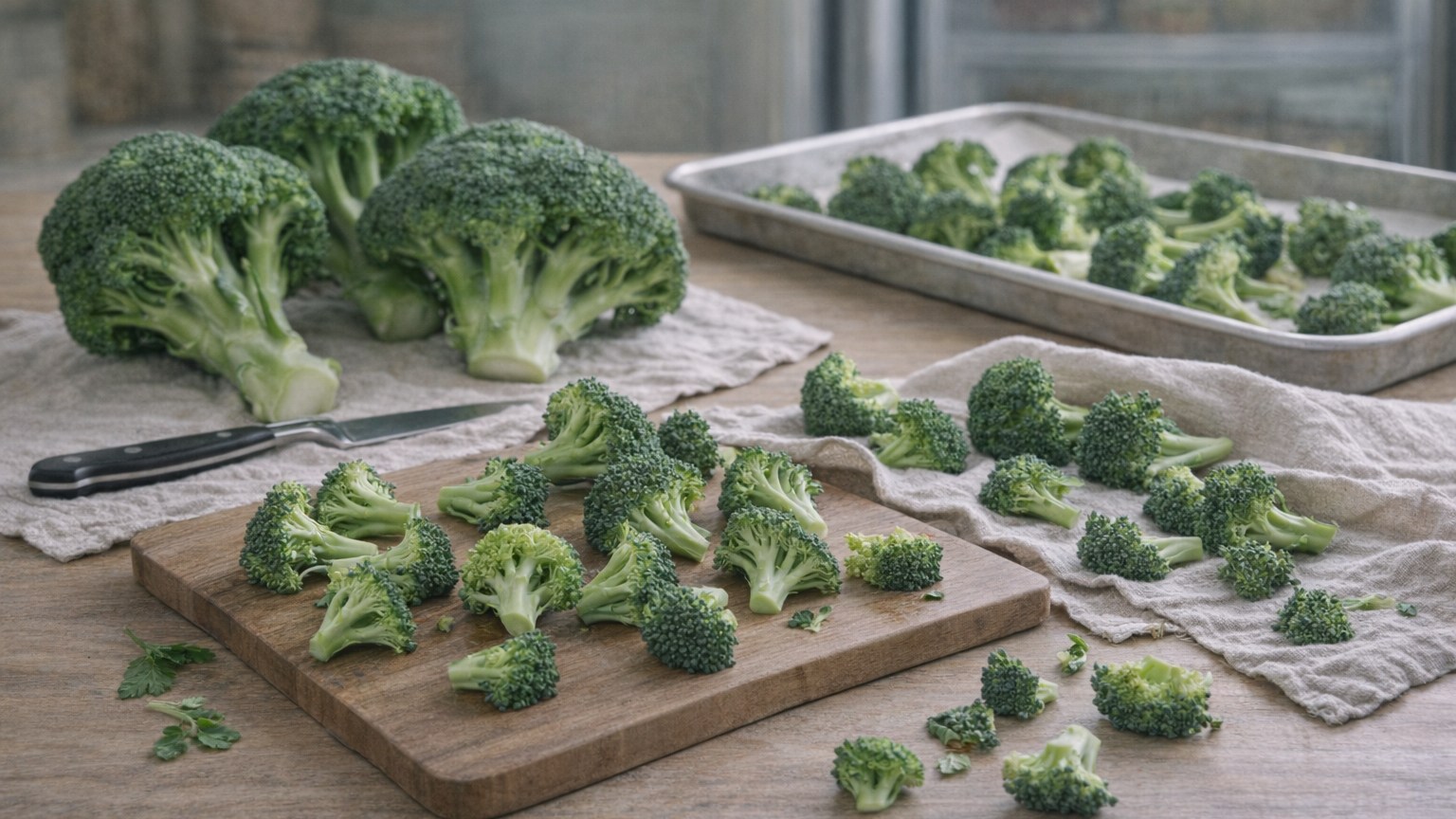
What is broccoli and how to cook it
Broccoli is one of the most useful vegetables to know because it can be roasted, steamed, sauteed, stir-fried, and eaten raw with very little fuss.
-
 Produce
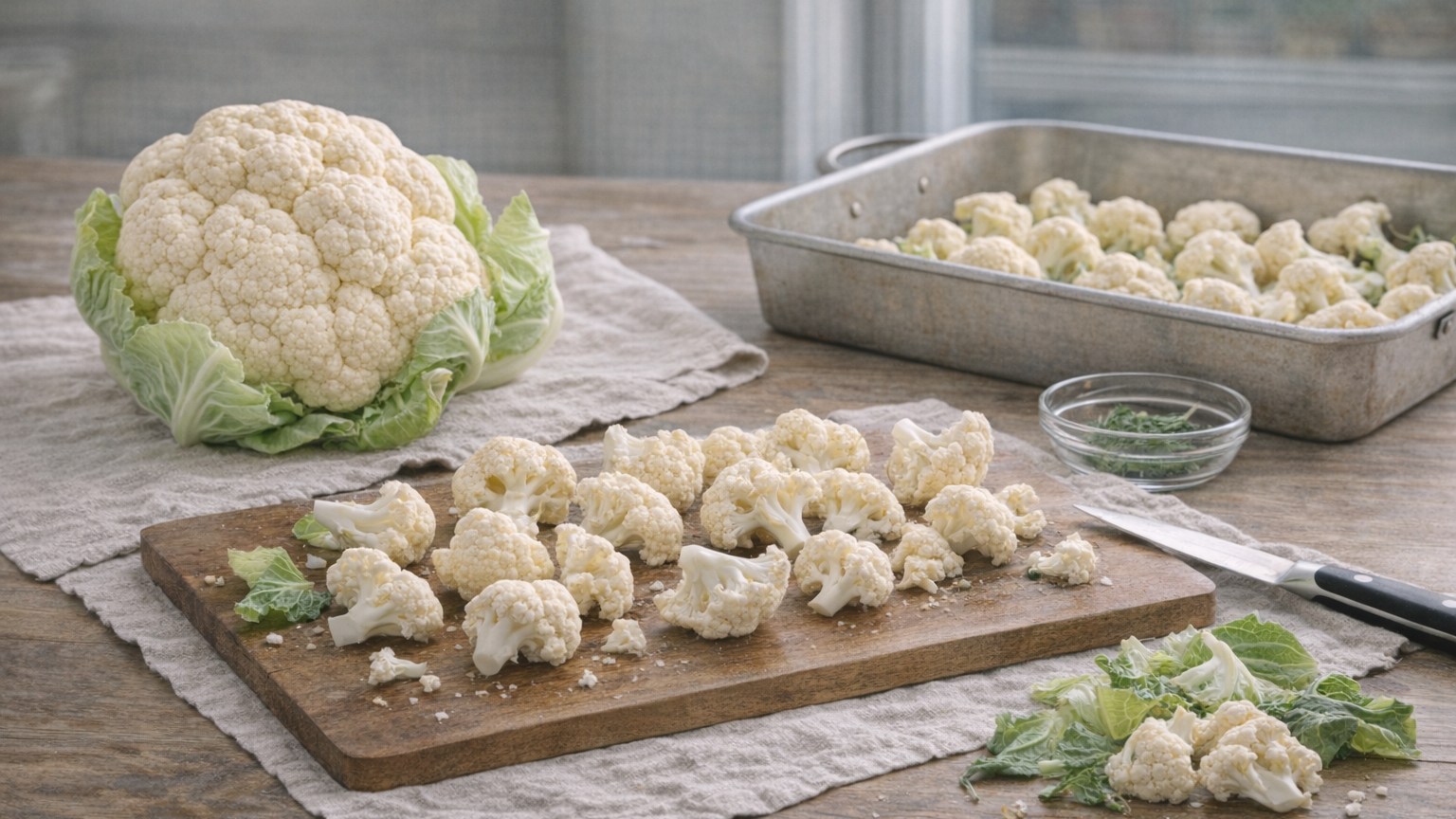
What is cauliflower and how to cook it
Cauliflower is a mild brassica that takes on seasoning well and works in everything from simple roasting to soup and mash. Its strength is flexibility.
-
Guide
Why local food shopping feels more connected
Shopping for local food feels different from a standard grocery run — and it is not just nostalgia. There are real reasons why buying closer to home creates a sense of connection that impersonal shopping cannot…
-
Guide
Why More Families Are Choosing Local Food
Something has shifted in how families think about food. More households than ever are turning to local farms and backyard growers — and the reasons go far deeper than trend.
-
Guide
Buying a Half Cow — Costs, Cuts, and Freezer Space
Buying a half cow from a local farm can significantly reduce your per-pound cost on quality beef — but it requires understanding how pricing works, what cuts you'll receive, and how much freezer space you actually need.
-
Guide
Delivery vs On-Farm Pickup — Which Is Better for Buying Local?
Both delivery and on-farm pickup get local food to your table, but they involve different trade-offs in cost, freshness, relationship-building, and convenience. Here's how to choose.
-
Guide
How offices, schools, and community groups can buy local food
Local food purchasing is not just for restaurants. Offices, schools, and community organizations have real options for sourcing directly from nearby farms — even without a professional kitchen team.


