
Search
Recipes, produce guides, seasonal articles, and Collective briefings — one place.
60 results for "root vegetables"
-
Guide
Root vegetables, storage crops, and winter farm shopping
Root vegetables and storage crops are what make winter local farm shopping possible. This guide explains what to look for, how to store it, and why local versions are worth seeking out.
-
 Produce
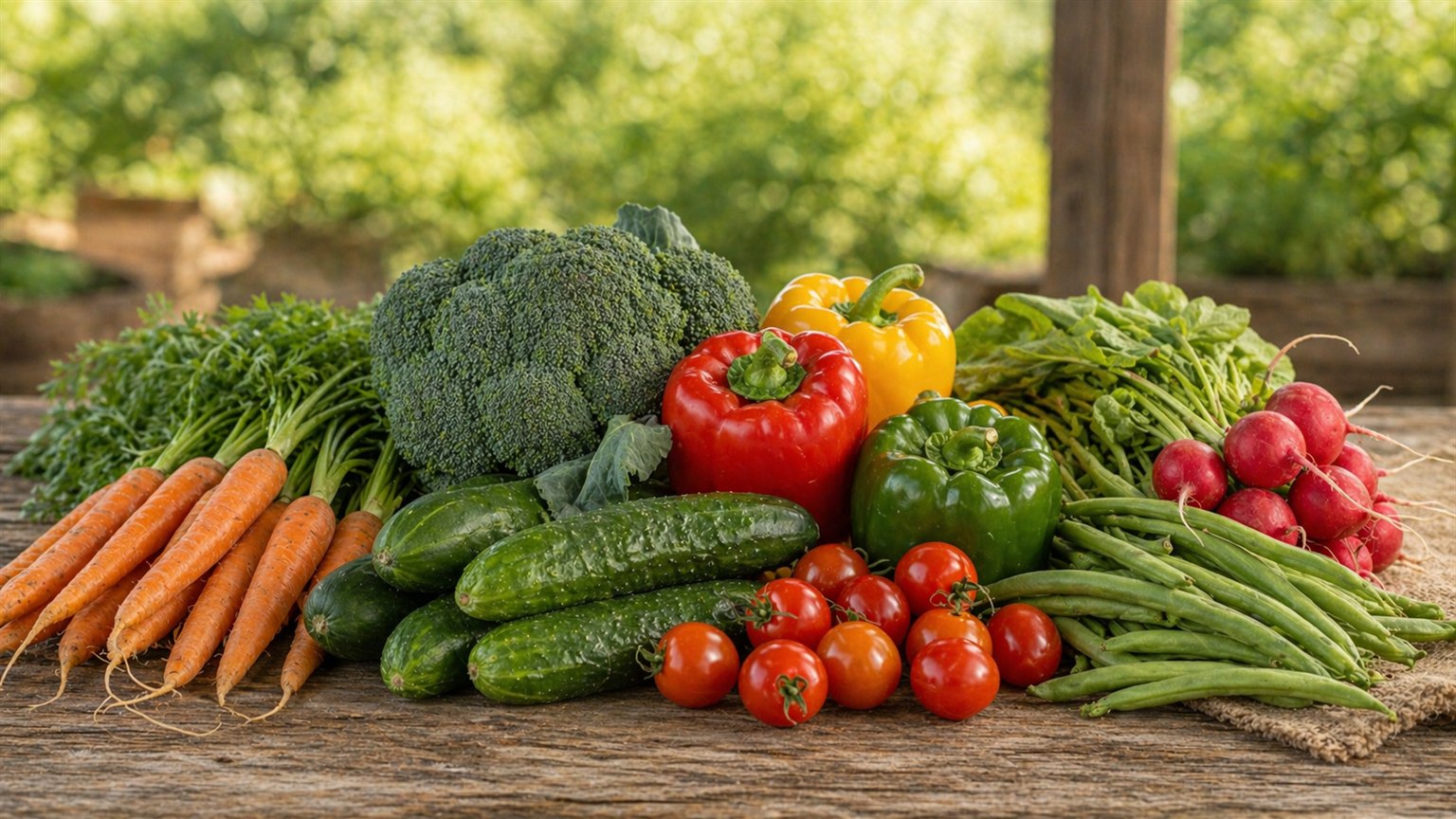
Mixed Vegetables
Knowing how to cook a mix of vegetables well — whatever you have on hand — is one of the most practical skills in the kitchen. The key is understanding density, heat, and timing, not following a specific recipe.
-
Guide
Best fall vegetables for roasting, soups, and meal prep
Fall vegetables are built for the way most people actually cook — roasting, simmering in soups, and prepping ahead. Here's which ones work best for each method and why.
-
 Recipe
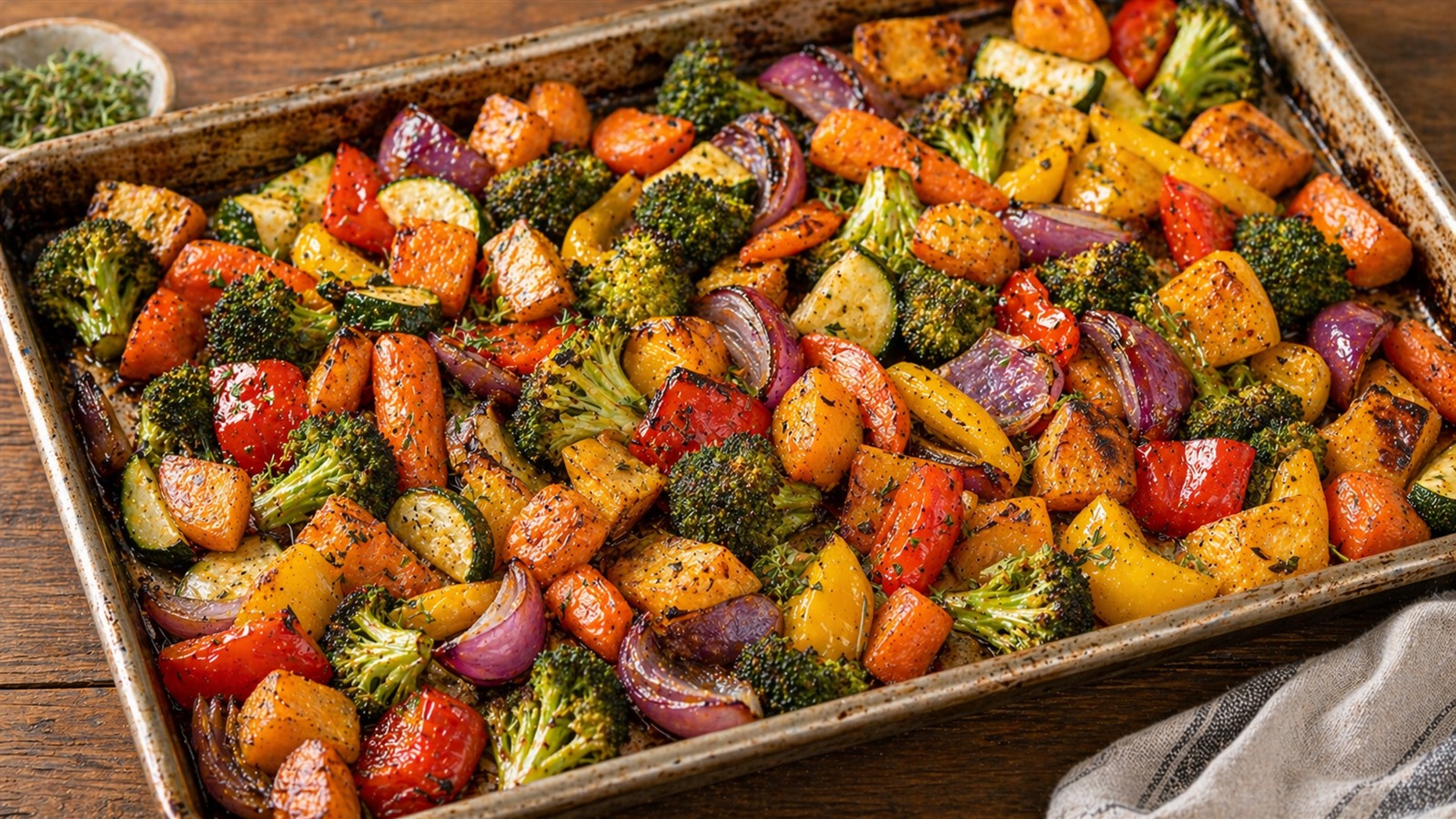
Easy roasted vegetables
A high-heat sheet pan method that clears the crisper, works with the season, and turns mixed vegetables into a browned, caramelized side that still tastes like an actual dinner.
-
 Produce
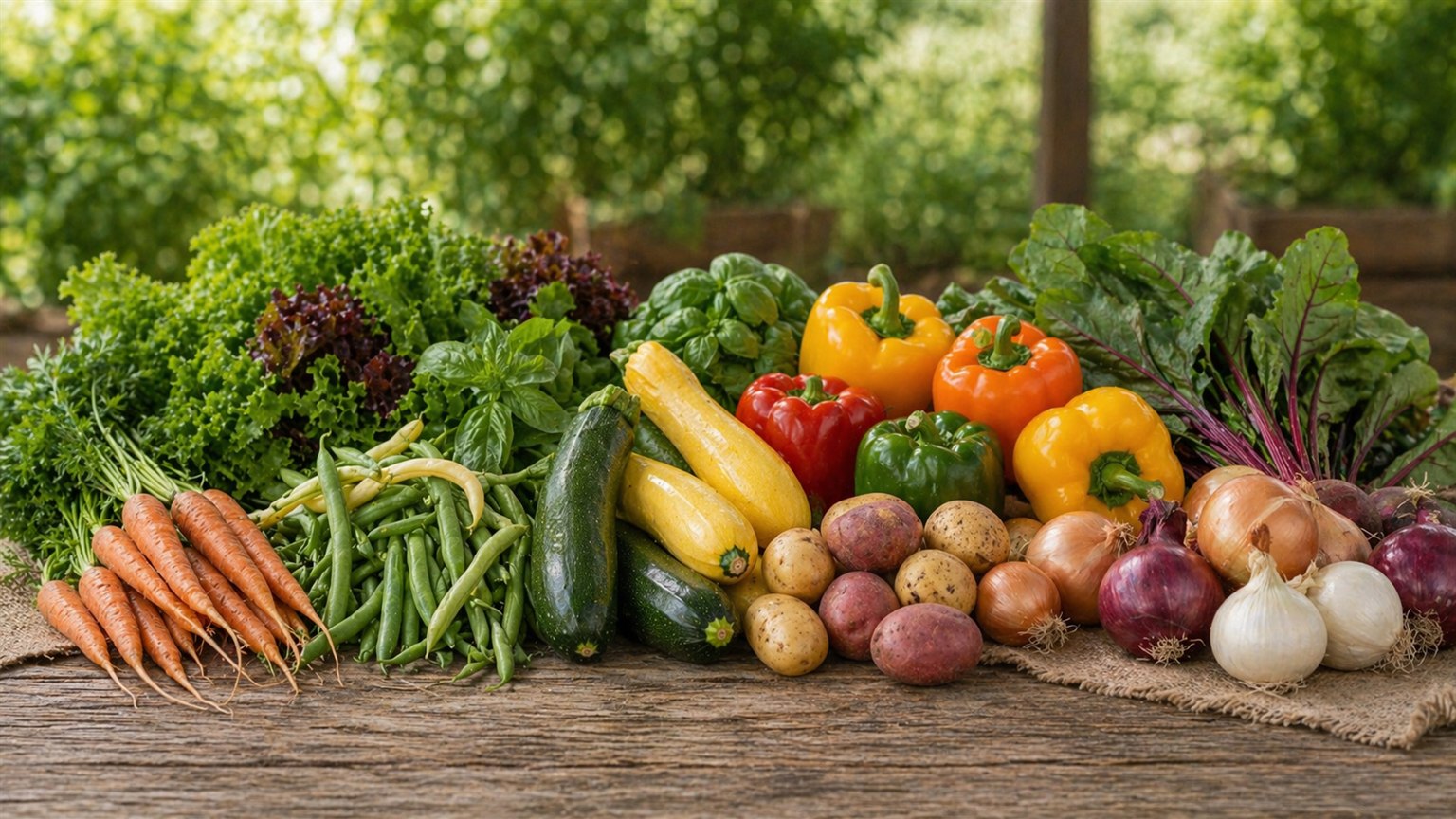
Mixed Seasonal Vegetables
Cooking with whatever is in season locally — rather than building a recipe and then hunting for ingredients — is how home cooks ate for most of human history. It is also how you get the best-tasting food for the least…
-
Guide
How to harvest vegetables properly
Harvesting vegetables properly is mostly about timing, gentleness, and keeping the plant productive for what comes next. A calmer harvest usually means better eating and less damage.
-
Guide
Best spring vegetables to buy locally
Not all spring vegetables are worth seeking out from a local farm — but some are dramatically better when grown nearby and harvested fresh. Here are the ones worth prioritizing this season.
-
 Produce
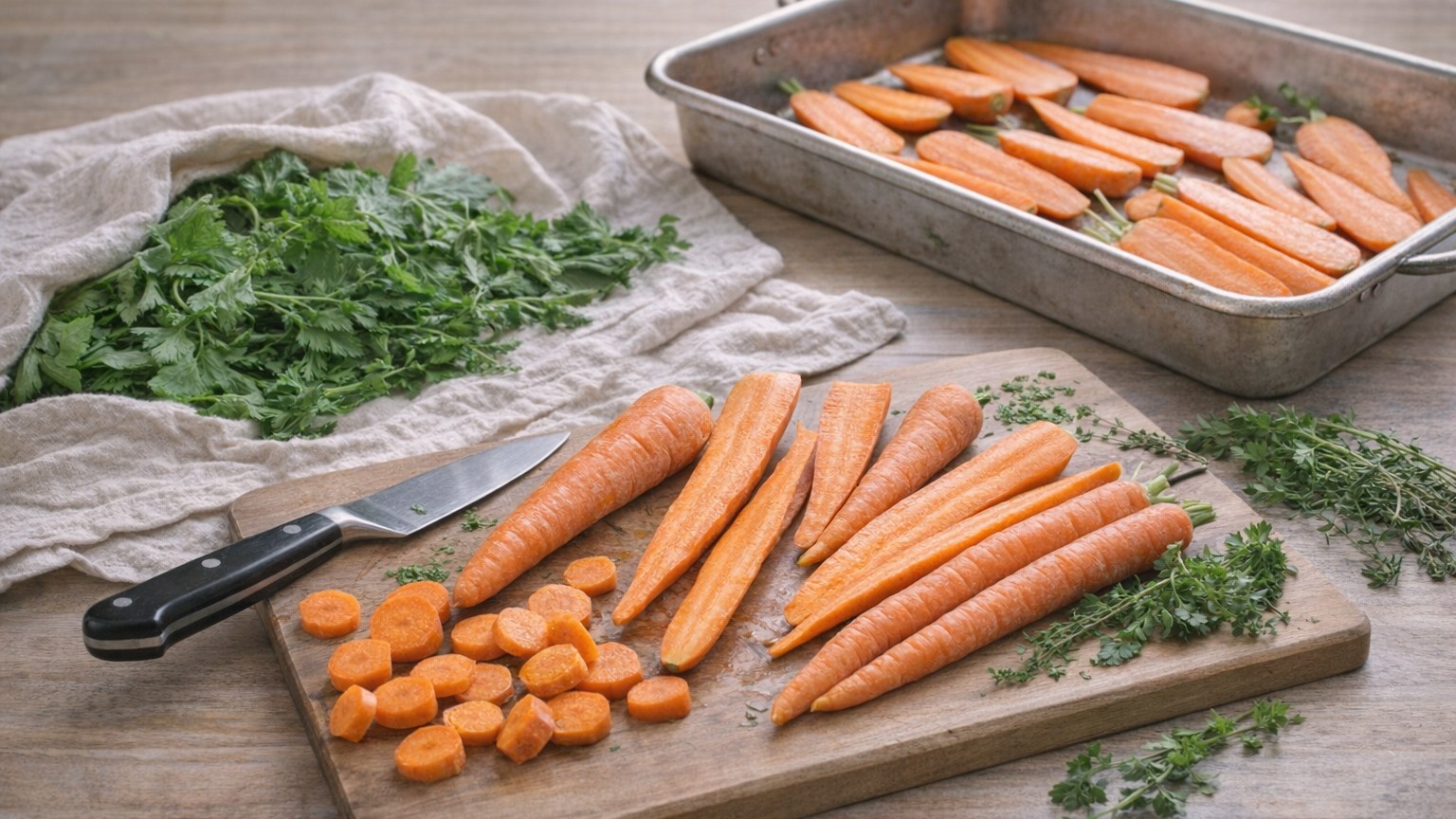
What is a carrot and how to cook it
Carrots are one of the most flexible root vegetables because they can be eaten raw, roasted, sauteed, simmered, or grated into both savory and sweet dishes.
-
Guide
How to get kids interested in local fruits and vegetables
Getting kids excited about fresh, local produce is more about small moments than big strategies. These practical approaches actually work for real families with busy lives.
-
 Recipe
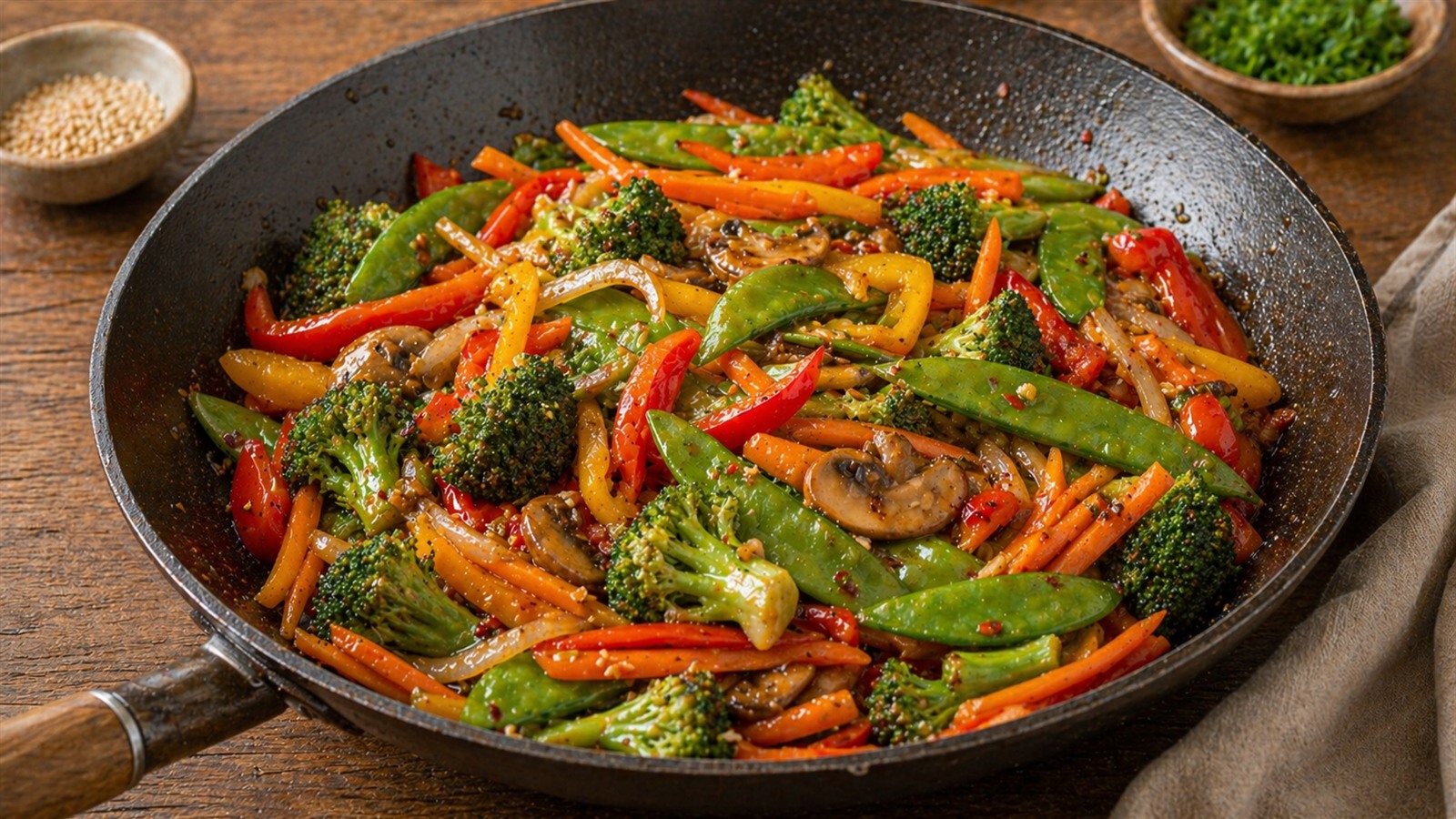
Quick vegetable stir fry
A high-heat skillet method for cooking whatever vegetables you have — dense ones first, tender ones last, sauced at the end and on the table in under 20 minutes.
-
Guide
Summer produce guide: the best fruits and vegetables in season
Summer is the most abundant time of year for local produce. Here is a practical guide to what is in season, what to prioritize, and how to make the most of it.
-
 Produce
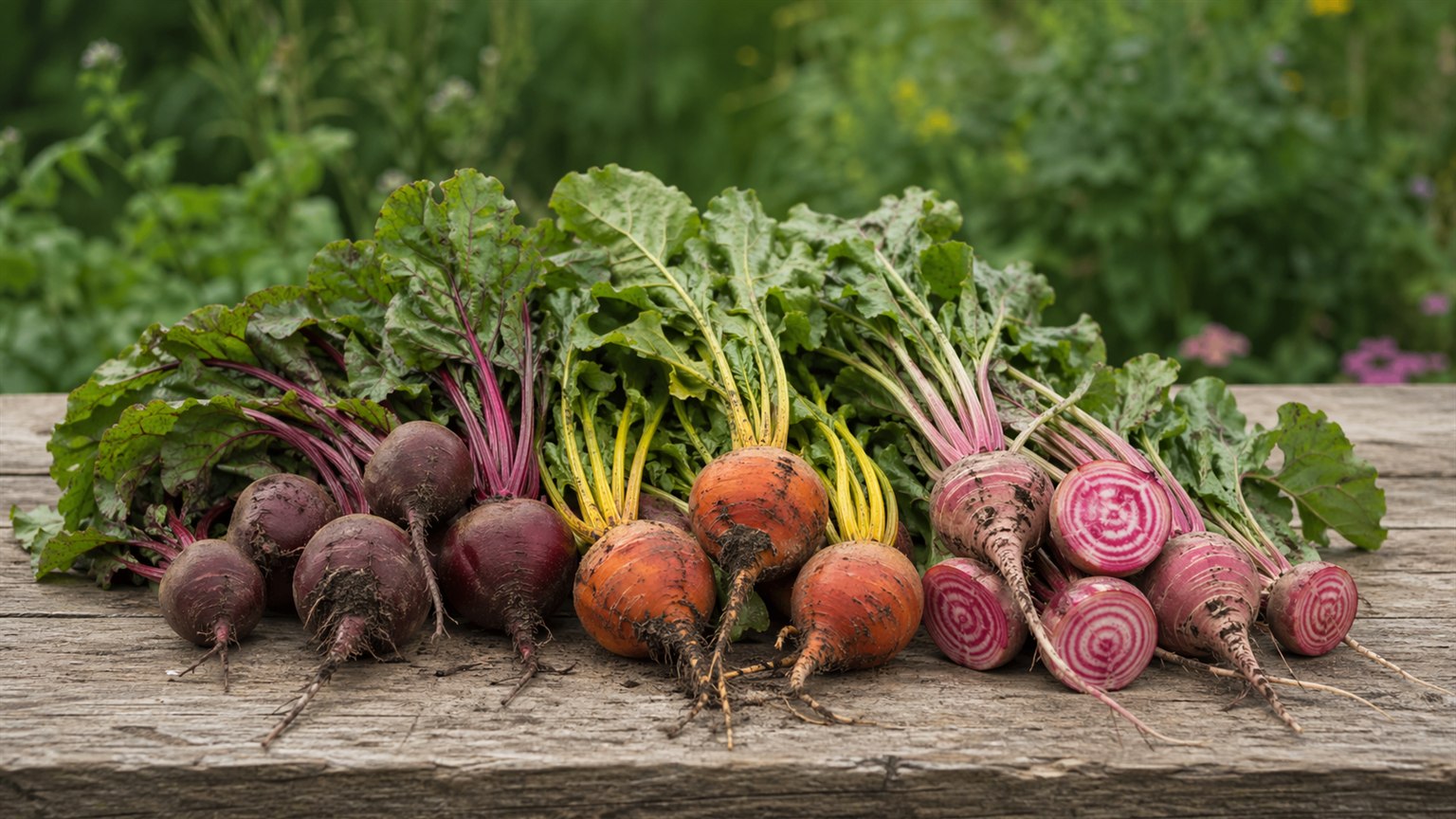
Beets
Beets are sweet, earthy root vegetables that store well and come with edible greens when freshly harvested. They roast beautifully, pickle easily, and add color to salads, grain bowls, and simple sides.
-
Guide
Comfort meals built around local winter ingredients
Winter farm ingredients — root vegetables, dried beans, cured meats, and storage squash — are exactly what you need for the kind of slow, satisfying cooking the season calls for.
-
 Produce
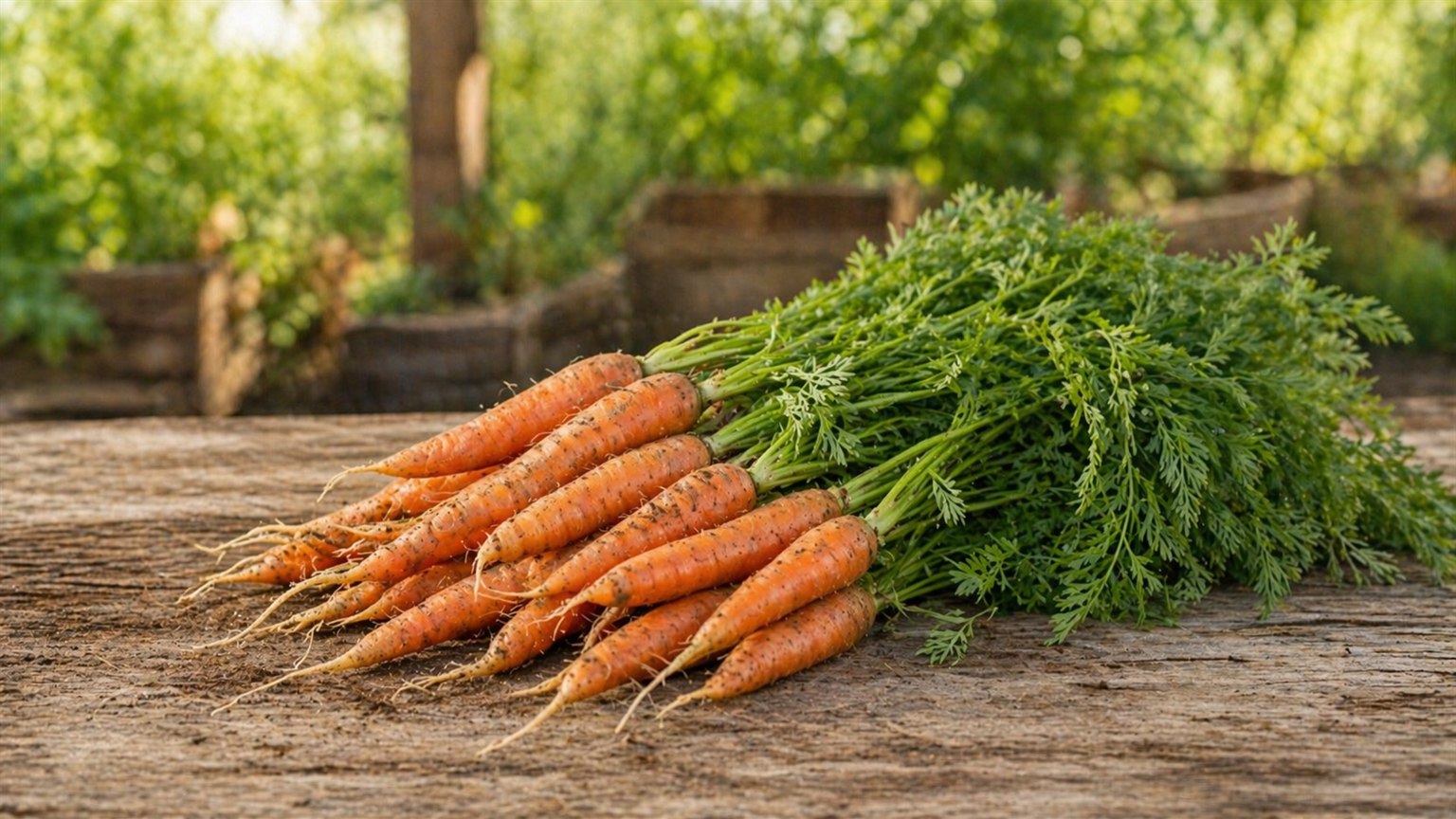
Carrots
Carrots are one of the most reliable local-farm vegetables year-round — harvested in fall and stored through winter. A fresh-pulled carrot from a farm stand tastes nothing like a supermarket bag carrot.
-
Guide
What to buy from local farms in fall
Fall is one of the most rewarding seasons to shop from local farms — winter squash, root vegetables, apples, brassicas, and storage crops are all at peak quality and worth stocking up on before winter.
-
 Recipe
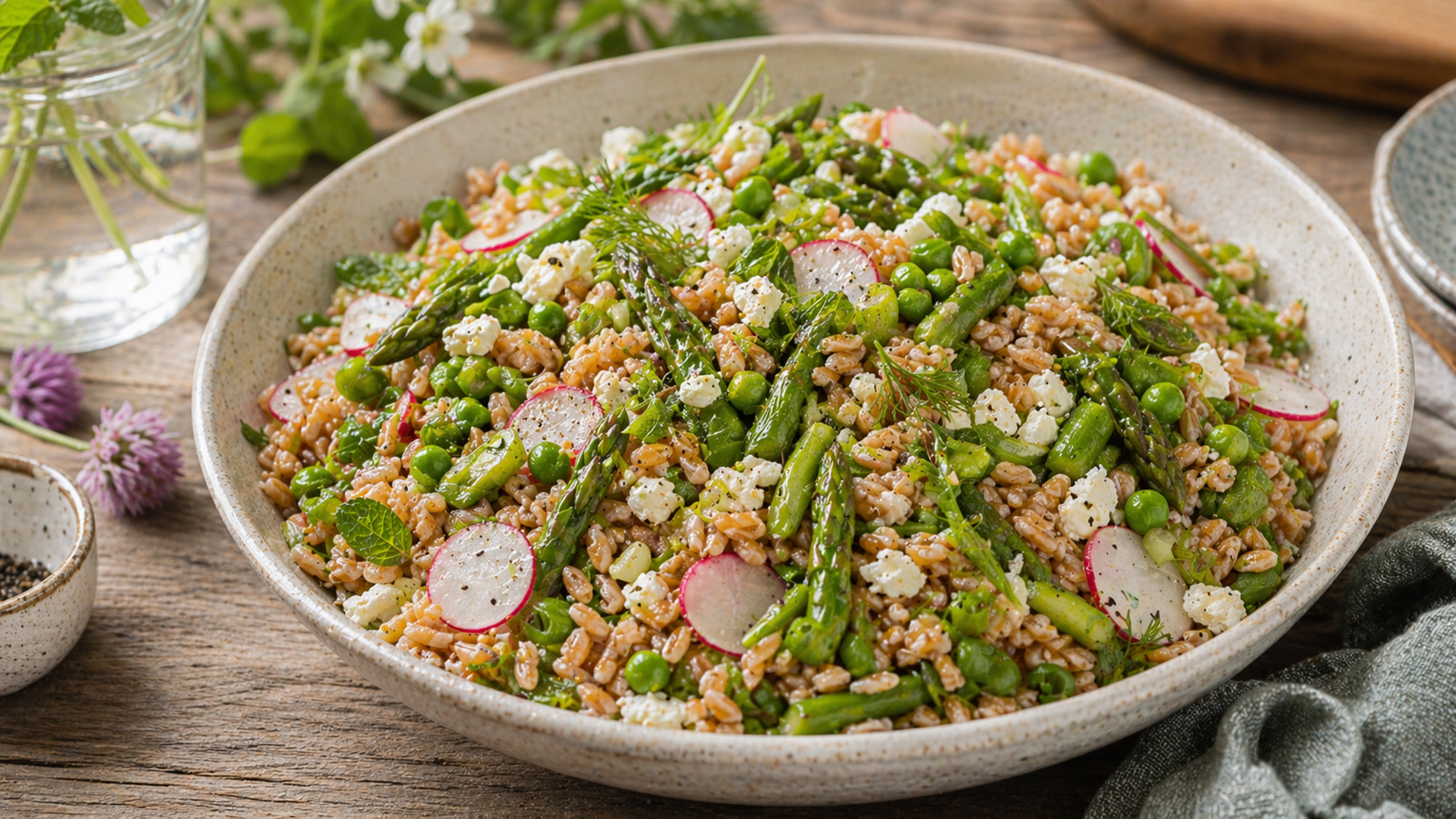
Farro salad with spring vegetables
A chewy, nutty farro salad with blanched asparagus, sweet peas, radishes, herbs, and a lemon-Dijon vinaigrette — the hearty grain bowl that celebrates peak spring.
-
 Produce
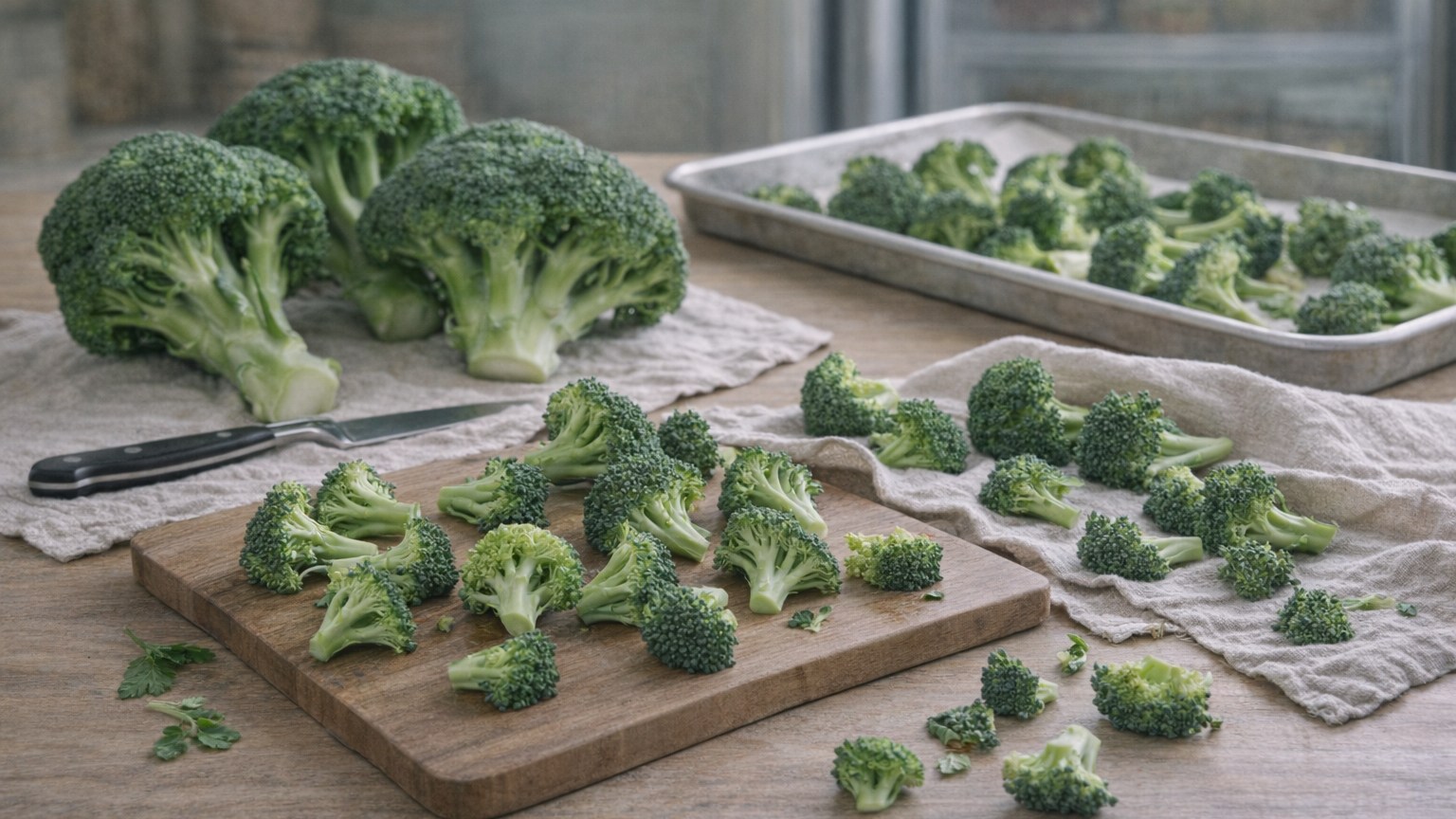
What is broccoli and how to cook it
Broccoli is one of the most useful vegetables to know because it can be roasted, steamed, sauteed, stir-fried, and eaten raw with very little fuss.
-
Guide
Mythbusting — Local Food Is Not Just for the Wealthy
Local food has a reputation as something for people with high incomes and lots of free time. Some of that reputation is deserved — but a lot of it is outdated, incomplete, or simply wrong.
-
Guide
Local food is not a trend — it is a better system
The case for local food isn't built on lifestyle preferences or nostalgia. It rests on real advantages in freshness, economics, community resilience, and accountability that the conventional food system structurally…
-
 Produce
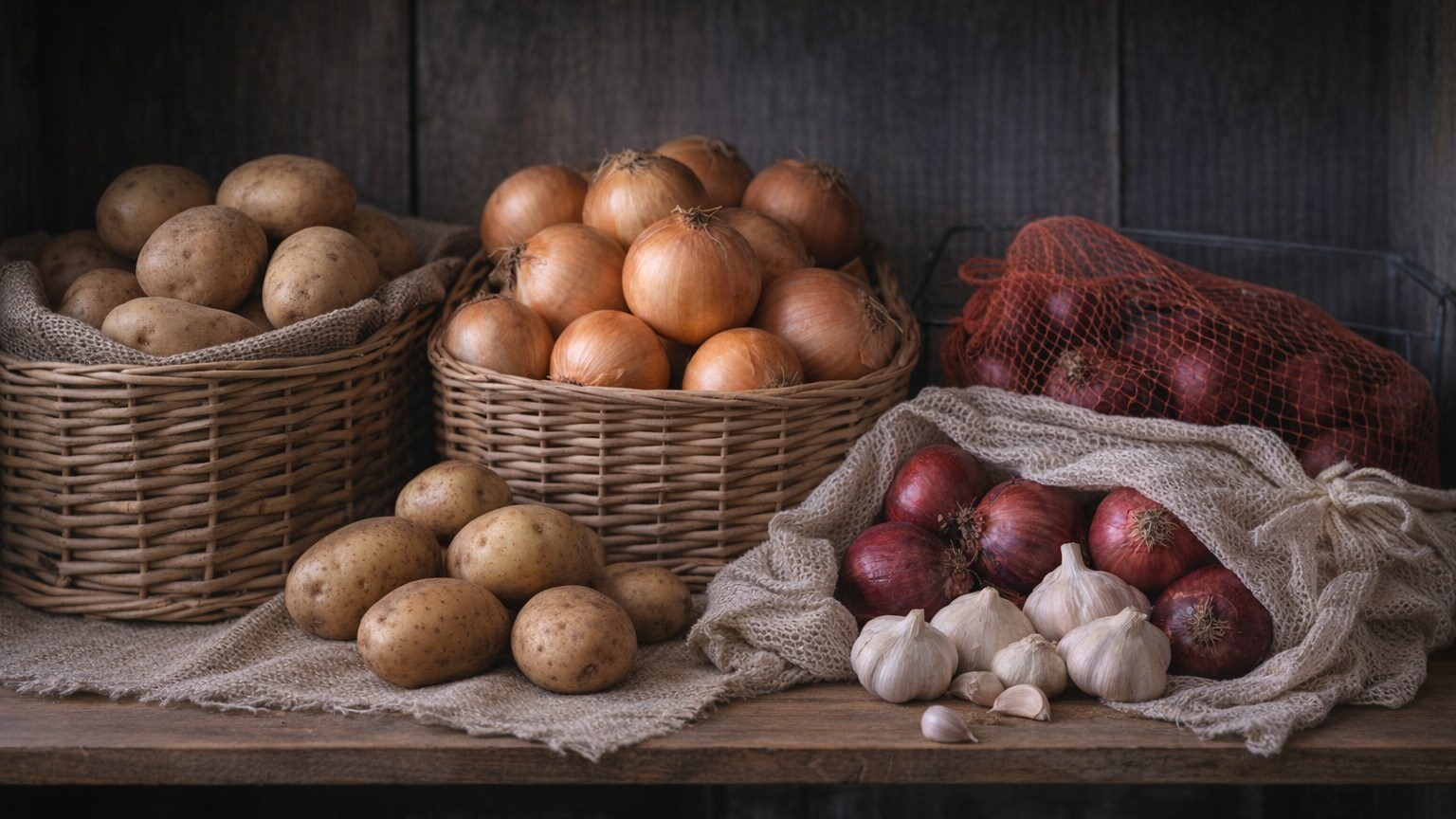
The best way to store potatoes, onions, and garlic
Potatoes, onions, and garlic all need cool, dark, and dry conditions — but keeping them together or in the wrong spot cuts their storage life dramatically. Here is what actually works.
-
Guide
The Hidden Cost of Long Food Supply Chains
The price on the grocery store shelf doesn't tell the whole story. Long food supply chains carry real costs — to nutrition, the environment, local economies, and resilience — that simply don't show up at checkout.
-
Guide
Why knowing where your food comes from changes everything
When you know who grew your food and how, you make better choices — not because you're told to, but because the information itself changes what seems reasonable.
-
 Produce
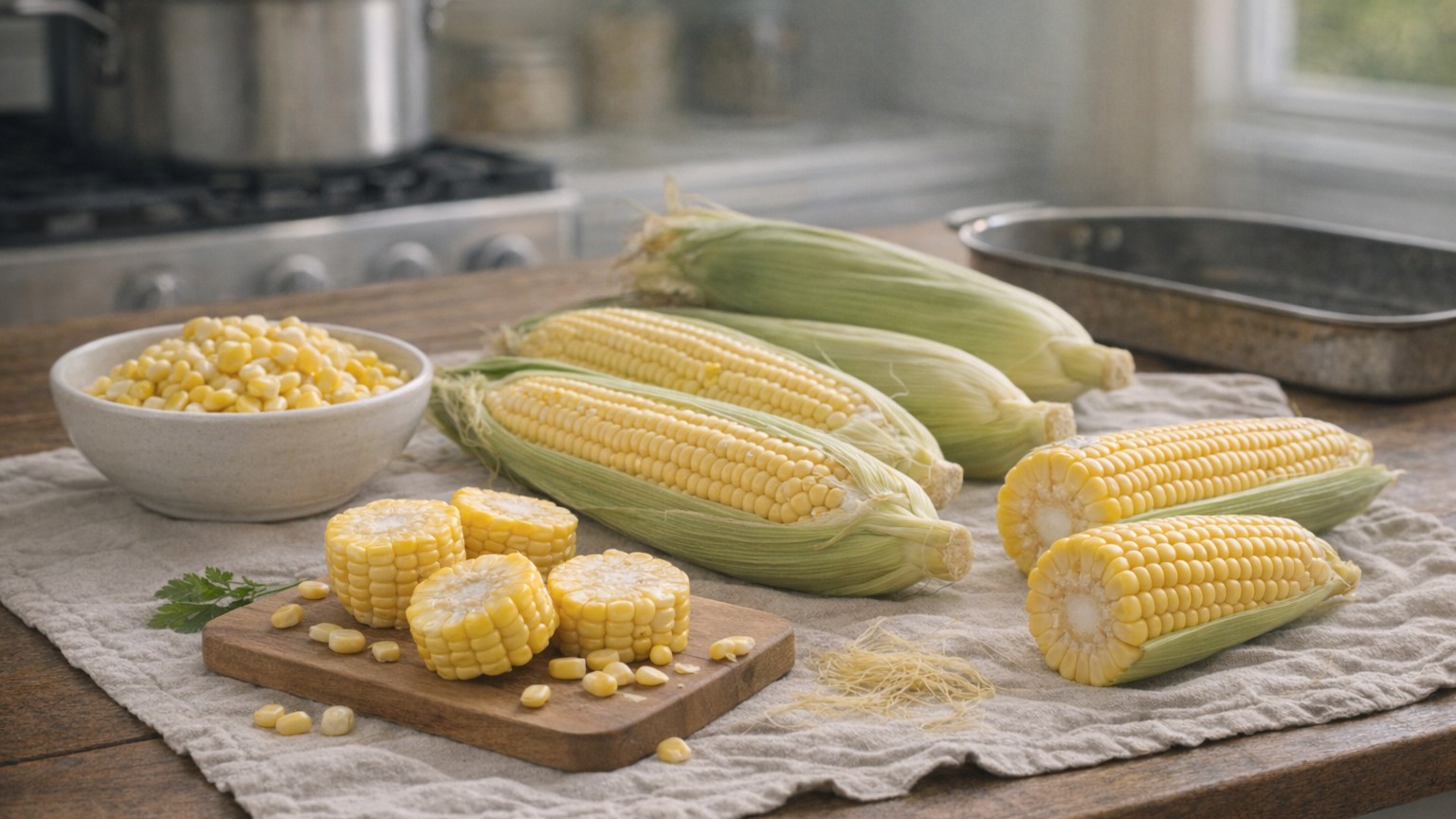
What is corn and how to cook it
Fresh corn is sweet, juicy, and easy to cook when you stop treating it like a special-event vegetable. It works on the cob, off the cob, and in a range of simple summer meals.
-
 Recipe
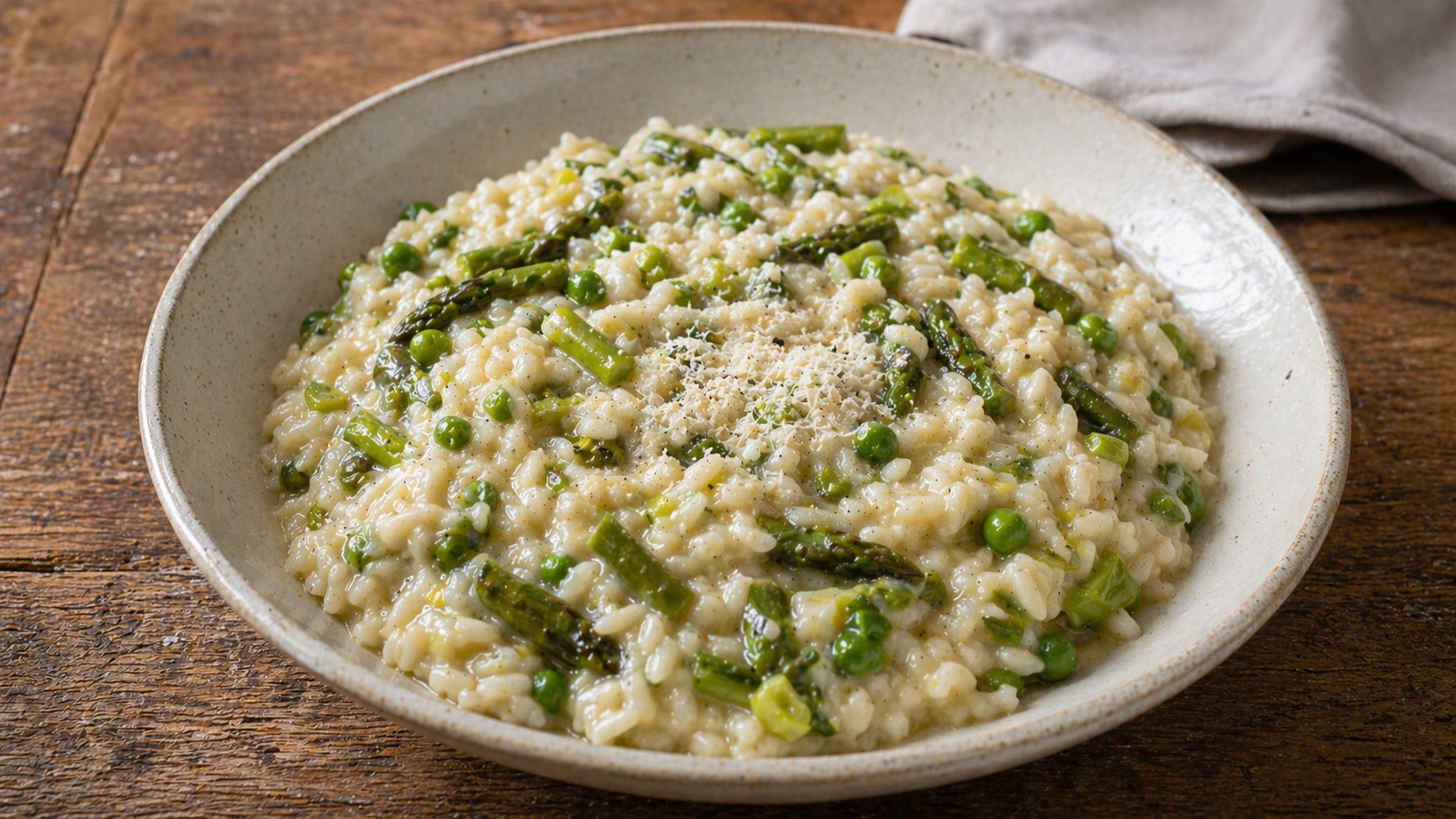
Spring vegetable risotto
A creamy, lemon-kissed risotto studded with asparagus, peas, and spring onions — the one-pot dinner that celebrates everything green at once.
-
Guide
Buying Local Produce vs Growing Your Own — Cost, Time, and Yield
Growing your own food is rewarding and can be cost-effective for specific crops. But for most households, a combination of home growing and buying local delivers the best outcomes on cost, variety, and effort.
-
Guide
The Real Difference Between Local Food and Grocery Store Food
Beyond the marketing, there are genuine and measurable differences between food bought locally and food from a chain grocery store. Here's what they actually are.
-
Guide
Why food access and local commerce belong in the same conversation
Food access and local food commerce are often discussed in separate conversations, but they are deeply connected. Building stronger local food economies is one of the more durable paths toward making good food available…
-
 Produce
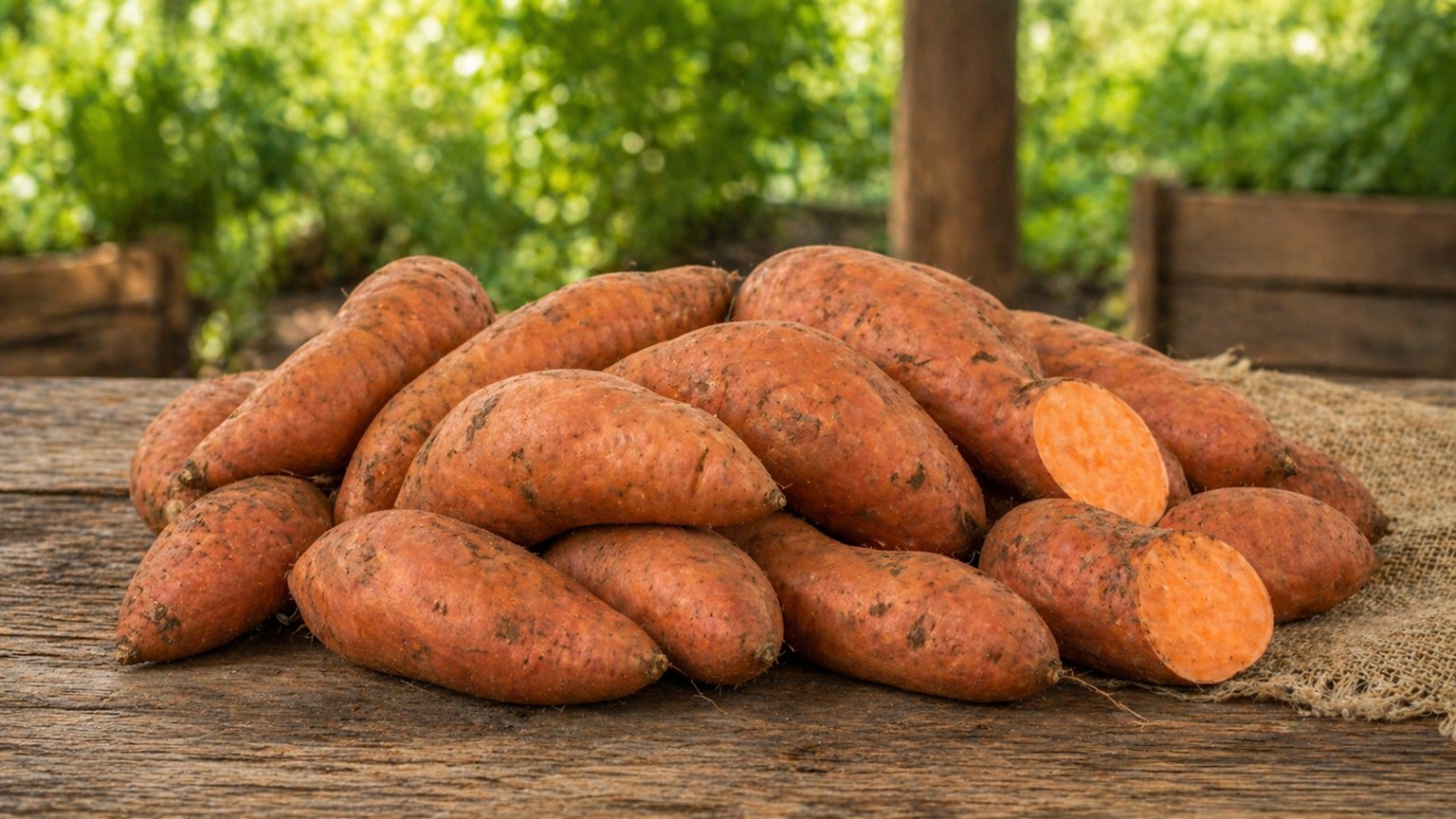
Sweet Potatoes
Sweet potatoes are a fall and winter staple with genuine variety differences that most cooks never discover. From the familiar Beauregard orange-fleshed type to Japanese purple varieties, the range in flavor and texture…
-
 Produce
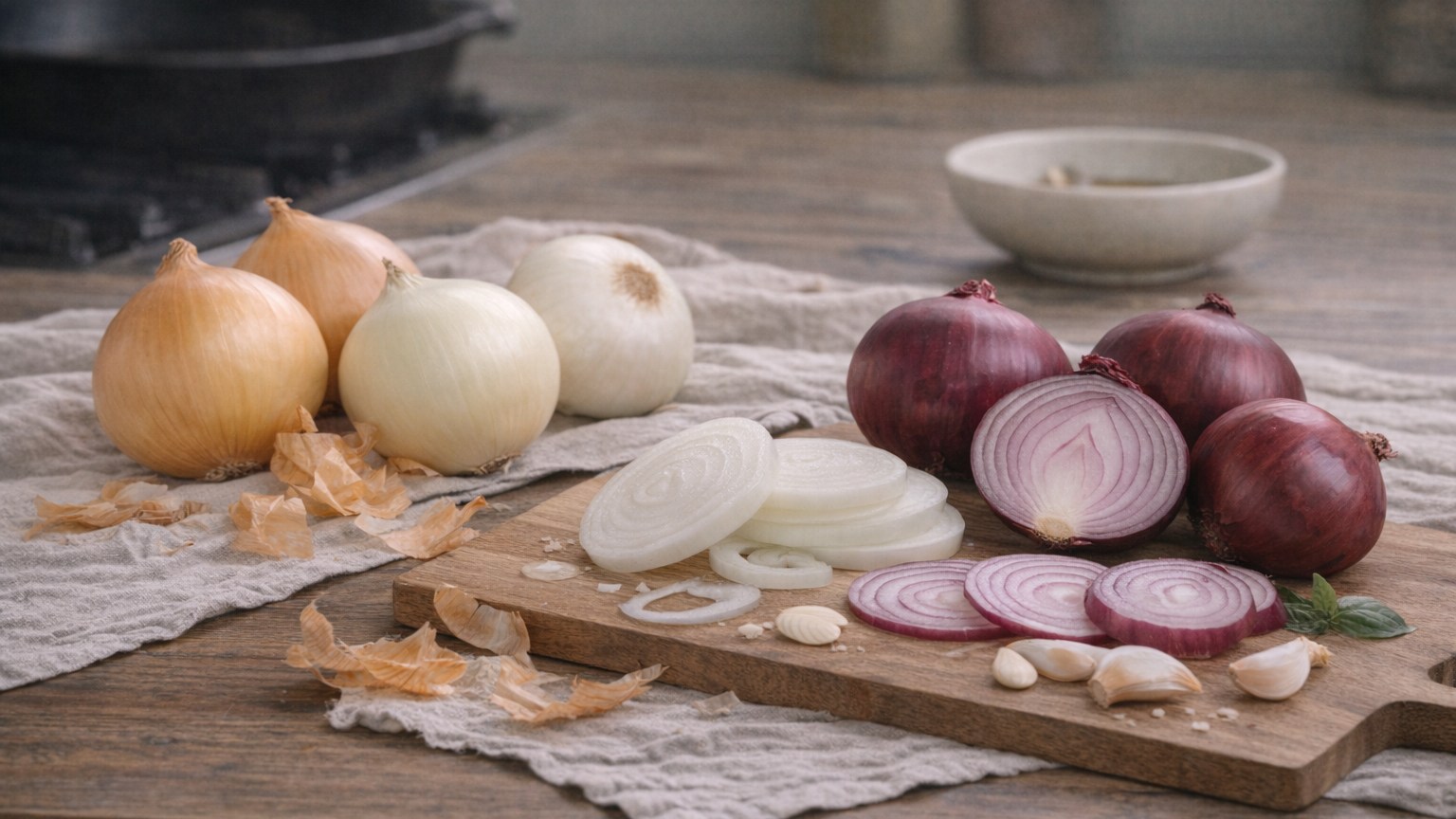
What is onion and how to use it
Onions are one of the most useful vegetables in the kitchen because they work as both a base ingredient and a finished component. Learning a few onion styles makes everyday cooking much easier.
-
 Produce
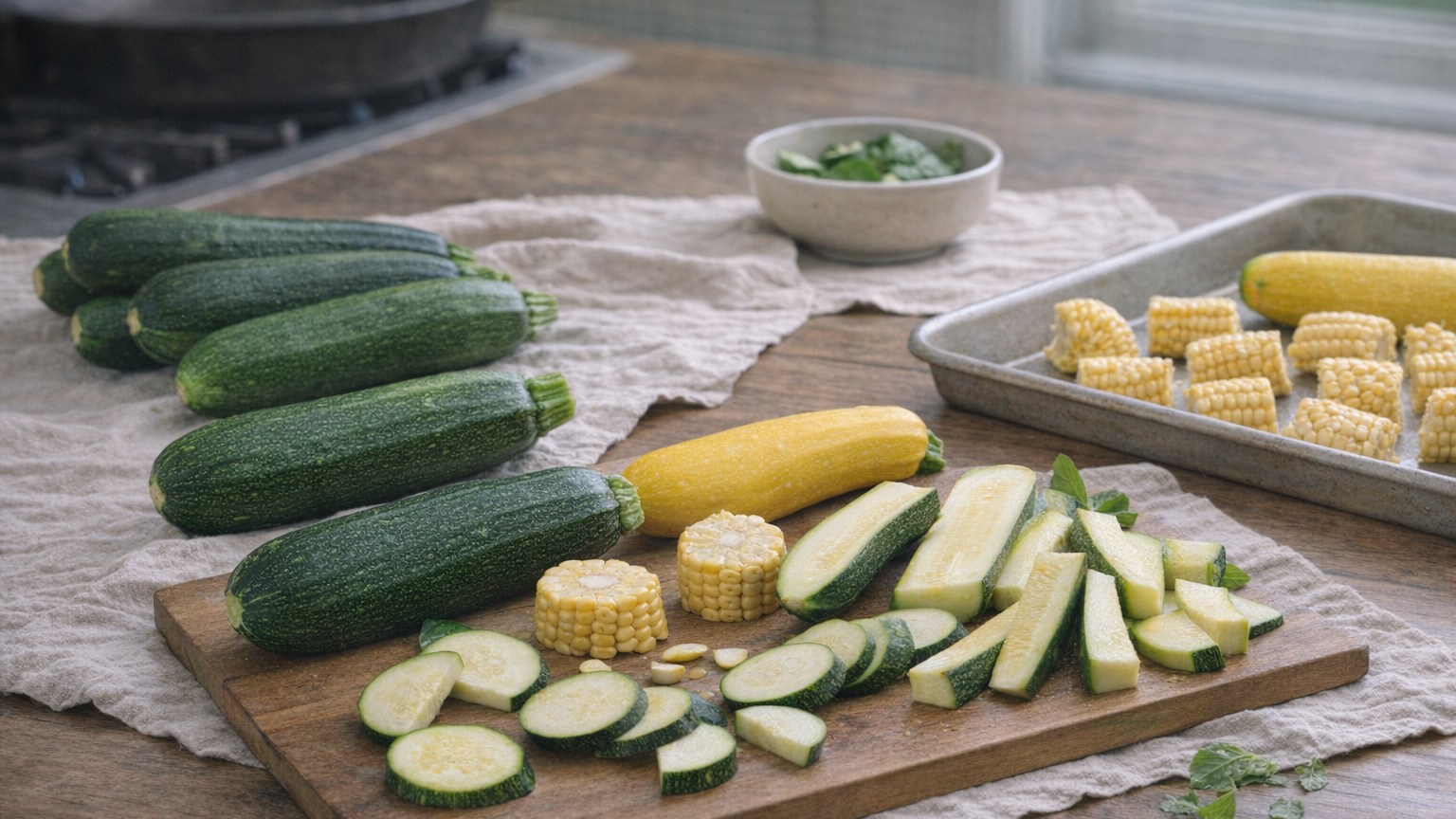
What is zucchini and how to use it
Zucchini is one of the most flexible vegetables of summer because it cooks quickly, works with many flavors, and fits both simple sides and full meals.
-
Guide
What to do with bell peppers
Bell peppers are one of the easiest vegetables to work through because they are good raw, cooked, and frozen for later. These ideas help you use a full bag without boredom.
-
 Produce
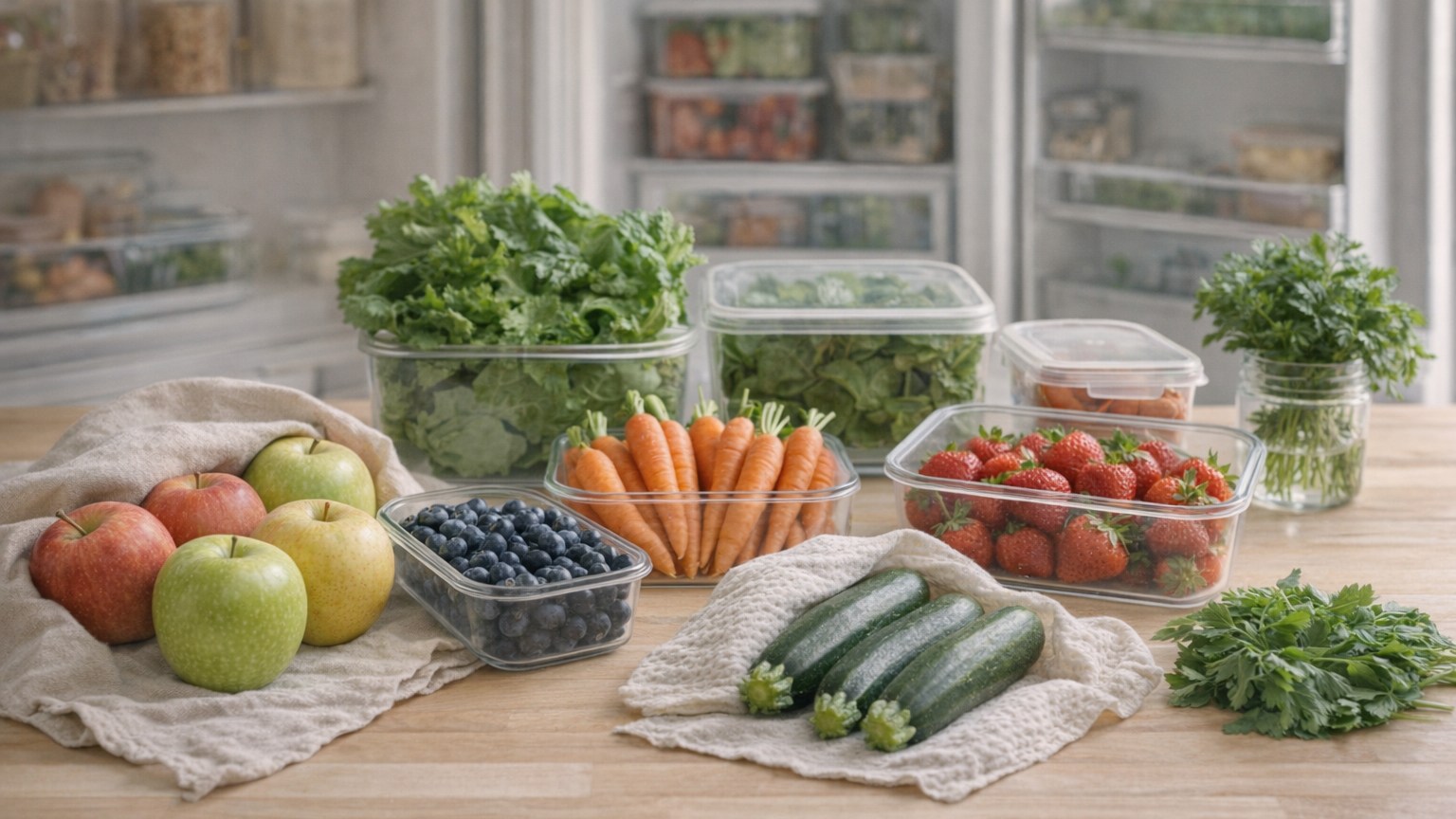
How to make fresh produce last all week
Most produce spoilage comes down to a handful of avoidable mistakes. These storage habits will get you through a full week of fresh vegetables and fruit with far less waste.
-
Guide
Local food on a budget: start with these five items
You do not need to buy all your food locally to benefit from it. These five categories offer the best combination of quality, value, and affordability when starting out with local food on a limited budget.
-
Guide
Local Food vs Organic Food — Which Matters More?
Local and organic are not the same thing, and choosing between them depends on what you're buying. Here's how to think about both labels and when each one actually matters.
-
Guide
How Much Should You Budget for Local Food Each Month?
There's no fixed premium for buying local — it depends entirely on what you buy and how you buy it. Here's a practical framework for building a local food budget that works for your household.
-
Guide
How to buy local food on a budget
Buying local does not have to mean spending more. With a few practical shifts in what you buy, when you buy it, and how much you order at once, you can make local food work for almost any grocery budget.
-
Guide
What eating better can look like without being extreme
Improving how you eat does not require eliminating food groups, following a named protocol, or overhauling your life. It often starts with simply using better ingredients more consistently.
-
Guide
Why local food feels more personal
There is something different about buying food from a person you could actually meet. That sense of connection changes how you relate to what you eat and who you buy from.
-
Guide
Why real food routines matter more than food trends
Food trends come and go, but the eating habits that actually change how people feel are built on steady routines, not the latest nutrition cycle. Here is why consistency with real ingredients matters more.
-
Guide
How buying local can help reduce food system fragility
Modern food supply chains are efficient but fragile. Buying more food from local and regional producers is one practical way to build redundancy and resilience into a food system that has become dangerously concentrated.
-
Guide
How Local Food Increases Resilience Against Supply Chain Disruptions
The COVID-19 pandemic exposed how fragile centralized food supply chains can be. Local and regional food systems offer real resilience benefits — here's what the data shows.
-
Guide
How Local Food Systems Help Combat Food Deserts and Improve Community Health
Food deserts affect tens of millions of Americans — limiting access to fresh, nutritious food and contributing to diet-related chronic disease. Local food systems, when designed with access in mind, are one of the most…
-
Guide
How local food systems strengthen small towns and cities
Local food systems do more than feed people — they circulate money, create jobs, and give communities a degree of self-sufficiency that long supply chains cannot provide.
-
Guide
How small businesses can buy better food locally
Small businesses — from offices to catering operations to food-adjacent retail — can benefit from local food sourcing even without the scale of a full restaurant kitchen. Here is how to approach it practically.
-
Guide
How stronger local food networks benefit everyone
Strong local food networks create value that extends well beyond the individual transactions they support. From economic resilience to community cohesion, here is how robust regional food systems benefit all members of…
-
Guide
Is Local Food Actually Cheaper Than Grocery Stores?
Local food has a reputation for being expensive, but the real comparison is more complicated. When you factor in waste, nutrition, and what you're actually buying, the math often shifts.
-
Guide
Is Local Food More Expensive? The Honest Answer
Local food has a reputation for costing more. Sometimes it does. But the real picture is more complicated — and for many everyday purchases, local food is competitive or outright cheaper than the grocery store.
-
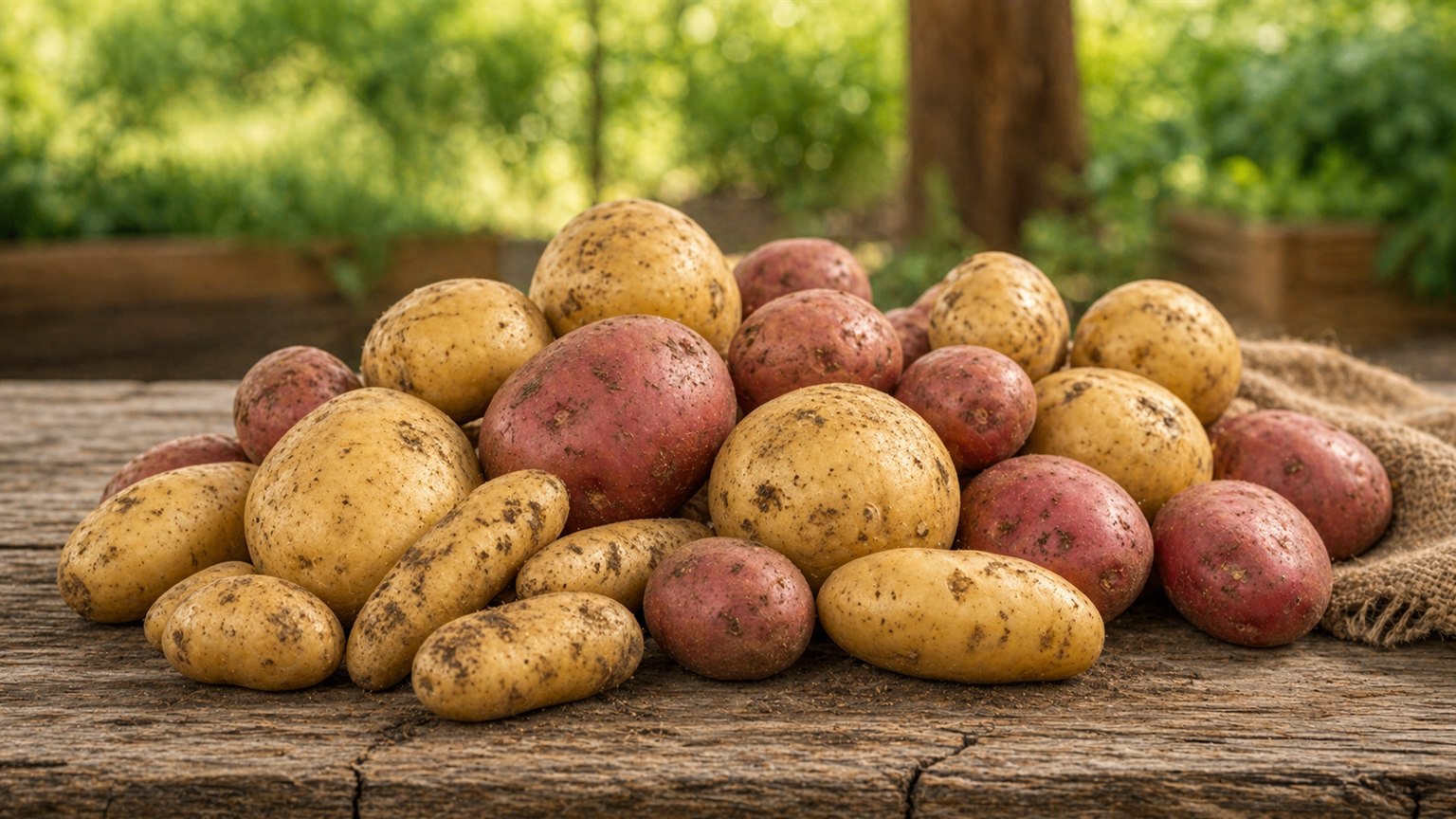 Produce
Potatoes
The variety of potato you choose matters far more than most recipes acknowledge. A Russet, a Yukon Gold, and a waxy red potato behave completely differently in the same preparation — and a freshly dug new potato from a…
-
Blog
This week in food and farming: April 18, 2026
As of April 18, 2026, the most useful food-and-farming updates are about mixed cost pressure, planting intentions, and specialty-crop reporting deadlines. Here is what changed and what to do with it this week.
-
Guide
Why Better Local Food Systems Need Both Trust and Technology
Trust and technology are not opposites in local food commerce — they are partners. Understanding how they work together reveals what it actually takes to build local food systems that last.
-
Guide
Why Buying Local Food Matters More Than Ever
Local food isn't just a trend — it's a practical choice with real benefits for your health, your community, and the farmers who grow your food.
-
Guide
Why local food shopping feels more connected
Shopping for local food feels different from a standard grocery run — and it is not just nostalgia. There are real reasons why buying closer to home creates a sense of connection that impersonal shopping cannot…
-
Guide
How better ordering tools support better food habits
The tools we use to buy food shape what we end up buying. When ordering local food is easy, people do it more often — and over time, that convenience compounds into lasting habits.
-
Guide
How to compare local food prices the right way
Comparing local food prices to grocery store prices on a per-item basis misses most of what matters. A more honest comparison includes quality, shelf life, waste, and what you are actually paying for.
-
Guide
How to compare local food to grocery prices fairly
A fair price comparison between local food and grocery store food requires more than glancing at shelf tags. Here is a practical framework for making an honest assessment.
-
Guide
What to buy from local farms in winter
Winter is quieter on the farm, but local buying doesn't have to stop. Here's what's genuinely available from small producers during the cold months and how to make the most of it.
-
Guide
Why price per item is not the whole story
Comparing local food prices to grocery store prices item by item misses most of what actually determines value. Here is how to think about what you are really getting for your money.
-
Guide
Preserving Local Food — Canning, Fermenting, Drying, and Freezing
The best way to eat well year-round from local farms is to preserve the harvest at peak season. Here's a practical guide to the four main preservation methods with safety guidance from USDA.
-
 Collective
The Local Food Budget Planner
Local food isn't more expensive — if you plan around categories instead of items. The planner that makes the math actually work for a household.
-
Guide
How buying locally can help you cook more at home
People who buy from local farms tend to cook more at home — not because they are more disciplined, but because the ingredients are better and the motivation to use them is higher.


