
Search
Recipes, produce guides, seasonal articles, and Collective briefings — one place.
60 results for "halibut (frozen)"
-
 Produce
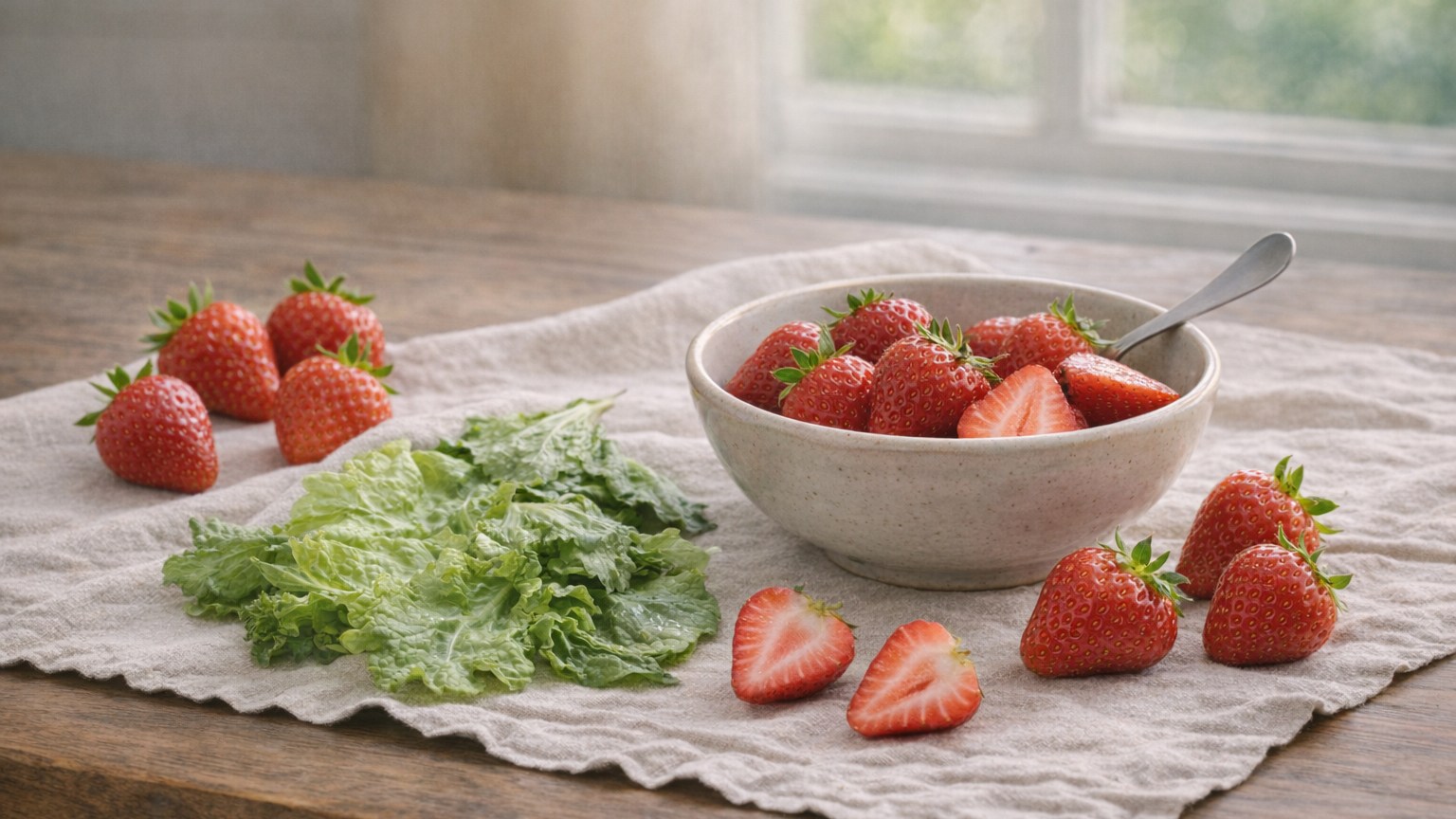
What is a strawberry and how to use it
Strawberries are sweet, fragrant fruit that work best when you respect how delicate they are. They can be eaten fresh, cooked lightly, or frozen without much trouble.
-
Guide
What to do with bell peppers
Bell peppers are one of the easiest vegetables to work through because they are good raw, cooked, and frozen for later. These ideas help you use a full bag without boredom.
-
 Recipe
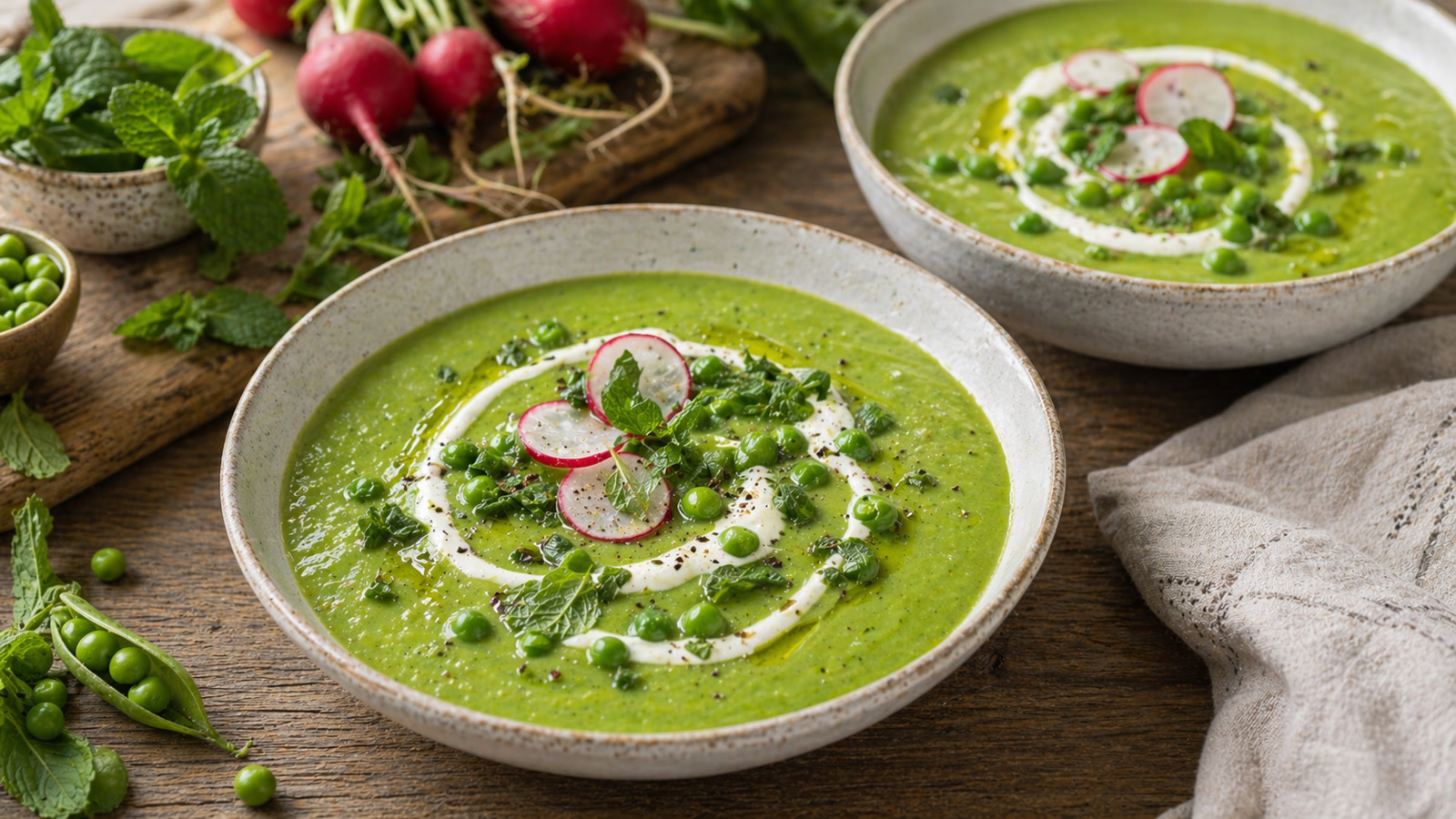
Spring pea soup with mint
A bright, silky green pea soup with fresh mint, shallots, and a swirl of crème fraîche — 25 minutes start to finish, using fresh or frozen peas.
-
 Recipe
Simple blueberry muffins
A straightforward muffin batter with visible fruit and a tender crumb — one of the most useful ways to turn extra berries into breakfast or snack food that actually gets eaten.
-
 Recipe
Strawberry rhubarb crisp
Sweet-tart strawberry and rhubarb baked under a buttery oat crumble — the quintessential spring dessert, done right in under an hour.
-
Guide
The problem Collective Crop is trying to solve
The local food system has real strengths, but it also has a structural problem — the tools connecting producers and buyers have not kept pace with what both groups actually need. This is our honest assessment of what is…
-
 Produce
Cauliflower
Cauliflower is mild, sturdy, and better than its reputation when it is browned properly. It works roasted, mashed, pureed, pickled, or broken into florets for everyday vegetable sides.
-
Guide
A beginner's guide to buying local meat online
Buying meat directly from local farms online is easier than most people expect — but it helps to understand how it works before your first order. This guide covers what to expect from browsing to delivery.
-
 Produce
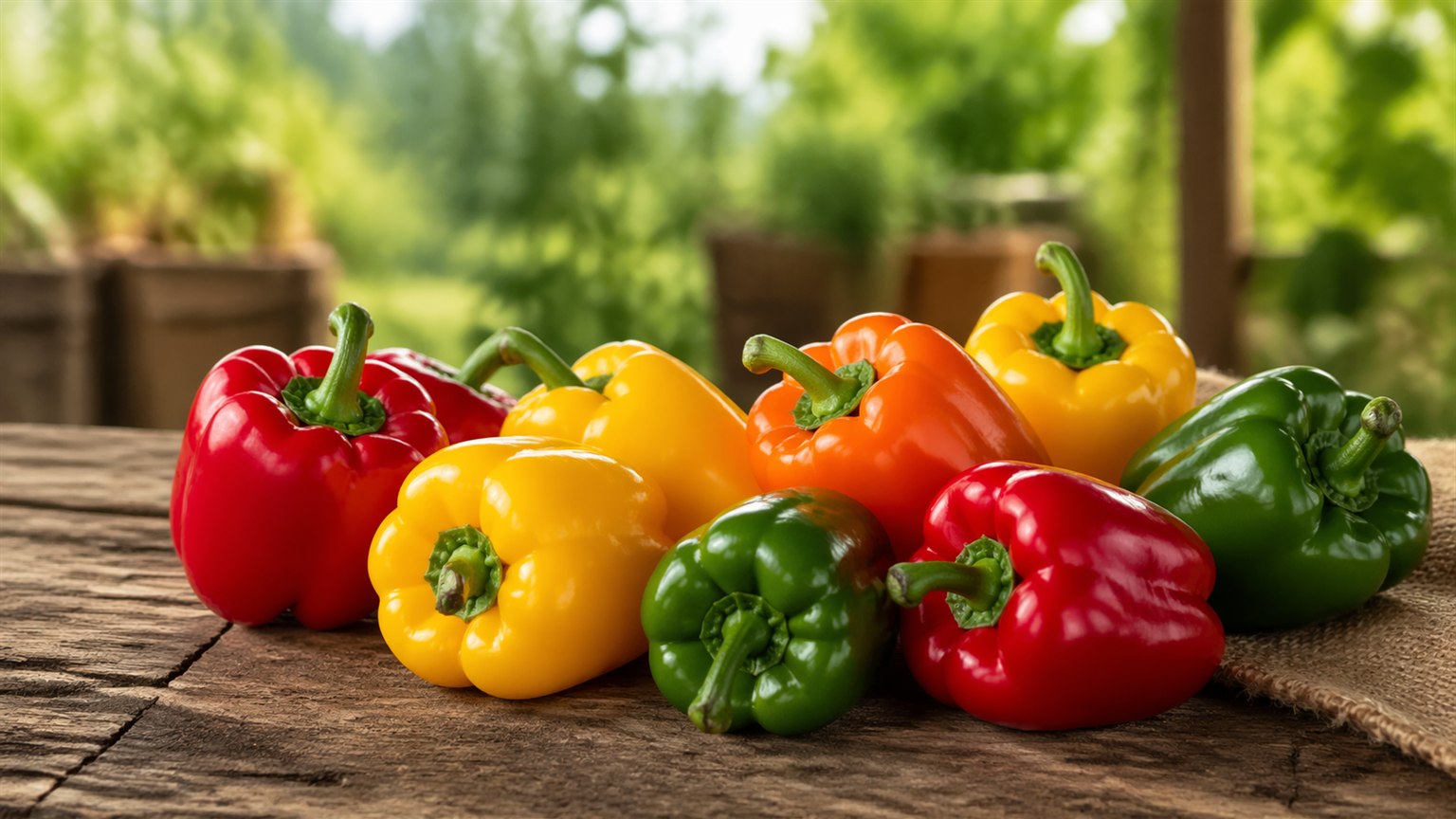
Bell Peppers
Bell peppers are the same fruit at different stages of ripeness — green is unripe, red is fully ripe, and yellow and orange fall in between. That distinction explains nearly everything about how they taste and how to…
-
Guide
Best foods to freeze, store, or preserve in fall
Fall is the best window to build a winter food supply from local farms. Some crops need nothing more than a cool shelf; others freeze or ferment beautifully with minimal effort.
-
Guide
Best local foods for Thanksgiving
Thanksgiving is one of the best occasions of the year to lean into local food. Here is what to look for from nearby farms and producers to make your table feel genuinely special.
-
Guide
Best spring vegetables to buy locally
Not all spring vegetables are worth seeking out from a local farm — but some are dramatically better when grown nearby and harvested fresh. Here are the ones worth prioritizing this season.
-
Guide
Best ways to use extra peaches, corn, cucumbers, and berries
Summer abundance means you will sometimes end up with more than you planned. Here are the best ways to use up extra peaches, corn, cucumbers, and berries before they go to waste.
-
 Produce
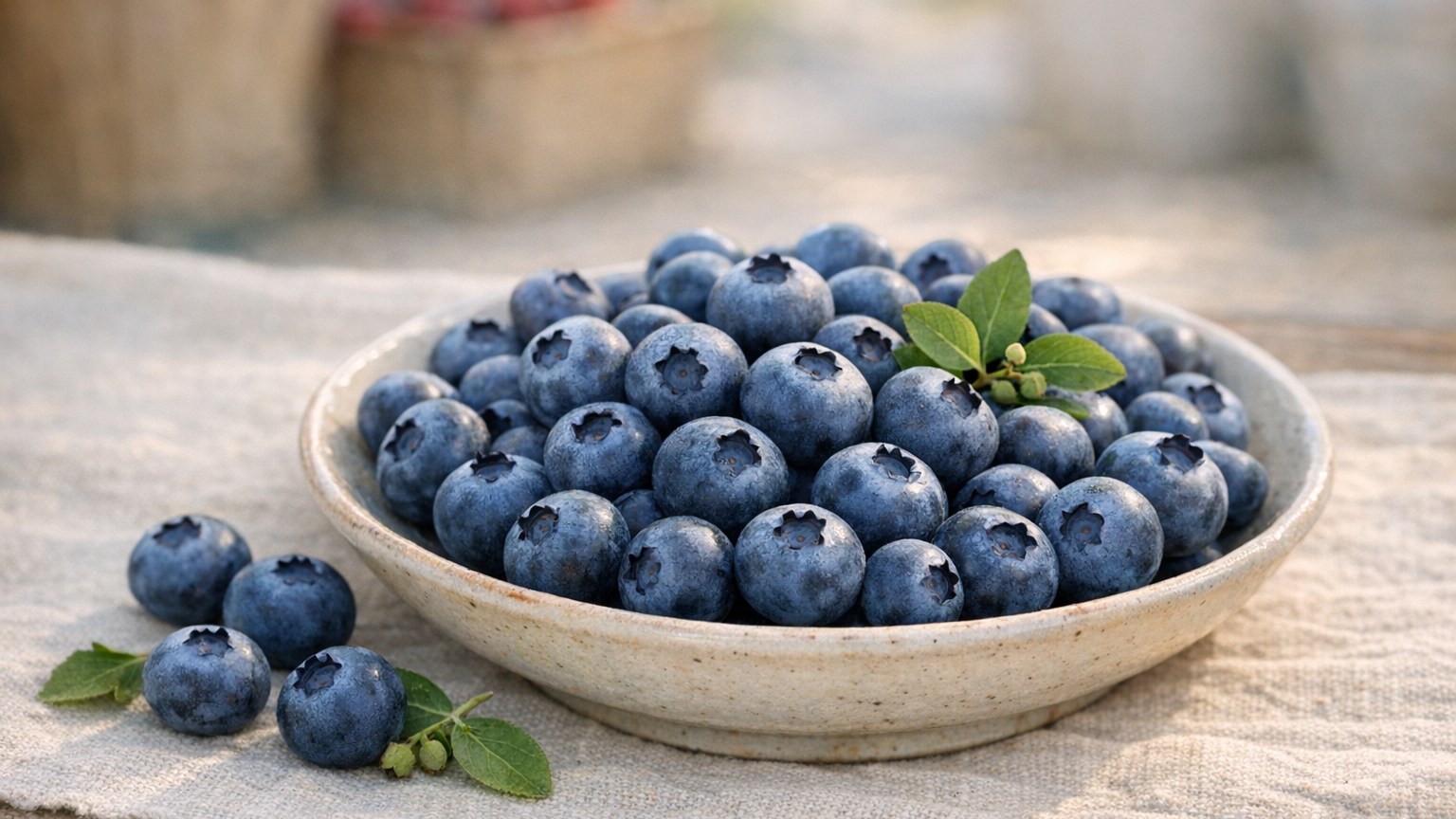
Blueberries
Blueberries are one of the more successful summer fruits — they store well, freeze perfectly, and the local varieties have a depth of flavor supermarket berries rarely match.
-
Guide
Bulk Produce for Canning and Freezing — Is It Economical?
Buying bulk produce from local farms during peak season — for canning, freezing, and preserving — can be one of the best per-pound values in local food. Here's how the math works and where to start.
-
Guide
Buying a Half Cow — Costs, Cuts, and Freezer Space
Buying a half cow from a local farm can significantly reduce your per-pound cost on quality beef — but it requires understanding how pricing works, what cuts you'll receive, and how much freezer space you actually need.
-
Guide
Buying Local Food for One Person vs a Family of Four
The economics and logistics of buying local food look very different depending on household size. Here's how to approach local food buying whether you're shopping for yourself or feeding a family.
-
Guide
Buying meat in bulk vs shopping weekly
Buying a large quantity of meat from a local farm at once and buying smaller amounts each week are two very different approaches. Each has real advantages depending on how you cook and store food.
-
 Produce
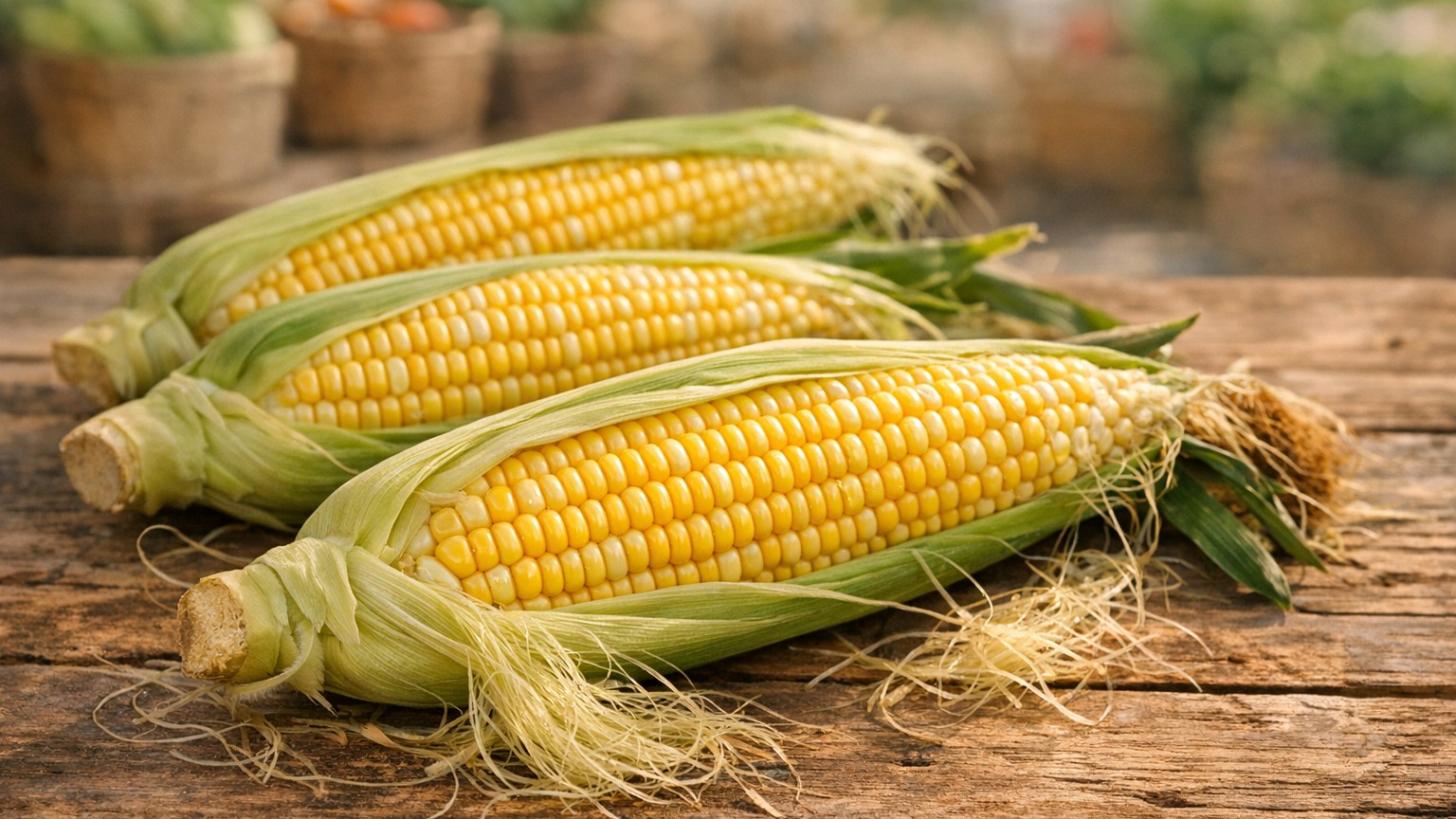
Corn
Sweet corn is a time-sensitive crop — the sugars in the kernels begin converting to starch the moment the ear is picked. Local corn eaten the day of harvest is a different vegetable than supermarket corn shipped from…
-
Guide
Fall meal planning with local ingredients
Meal planning in fall is easier than other seasons because the produce is sturdy, versatile, and cheap to buy in bulk. Here's how to build a practical weekly plan around what local farms actually have.
-
Guide
Five simple ways to improve your farm shop experience
Small improvements to how your online farm shop looks and functions can make a real difference in how often buyers complete a purchase. Here are five practical changes worth making.
-
 Produce
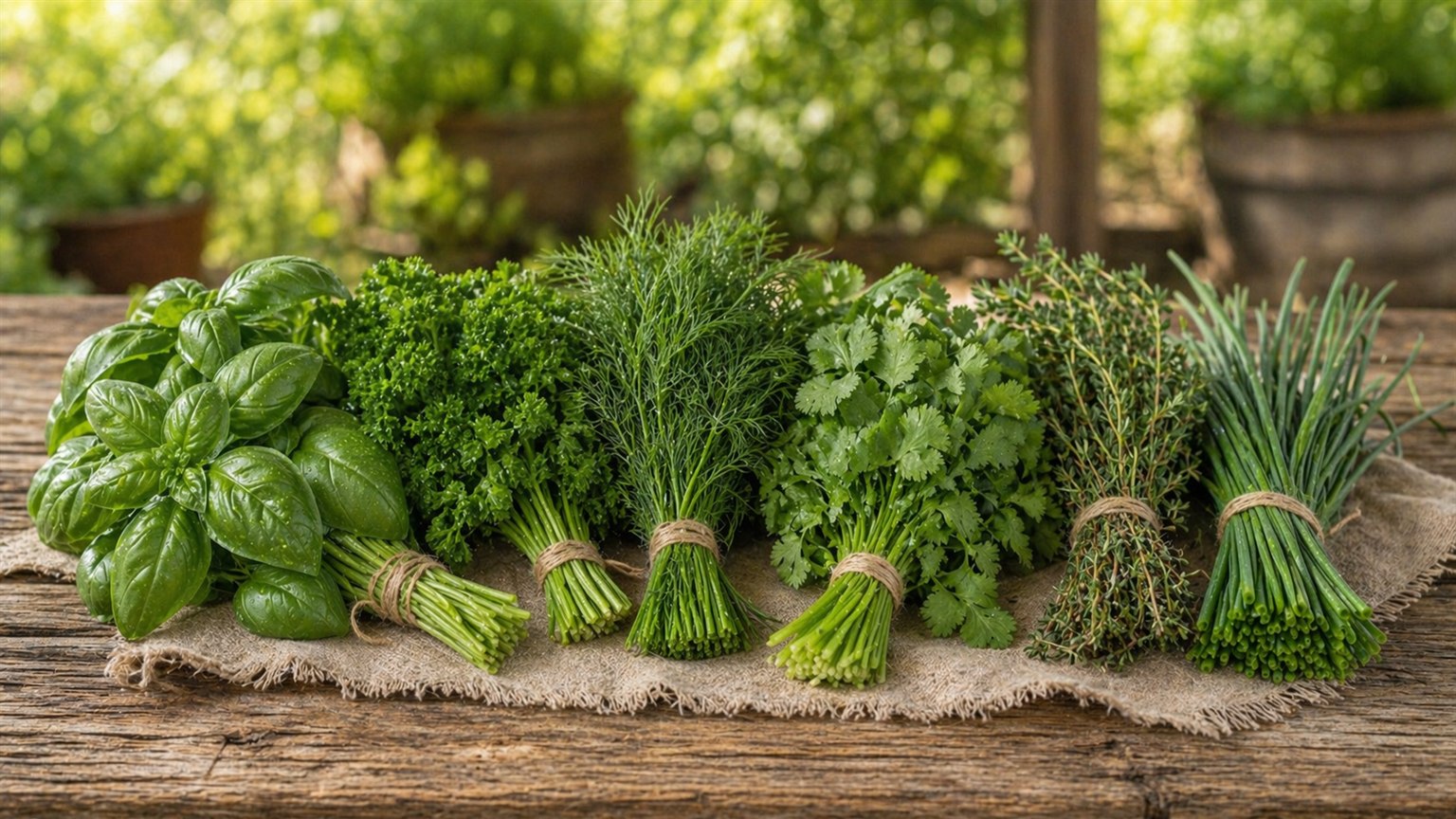
Fresh Herbs
Fresh herbs are the fastest way to transform a dish. A handful of basil, a few sprigs of thyme, or a tablespoon of chopped parsley changes a plate in a way that dried herbs simply cannot replicate — and local farms grow…
-
Guide
Fresh-Picked vs Supermarket Produce — Does It Really Matter?
Is produce that was picked this morning actually different from what's at the grocery store? Yes — in ways that are measurable, visible, and taste-able. Here's what the evidence shows.
-
 Produce
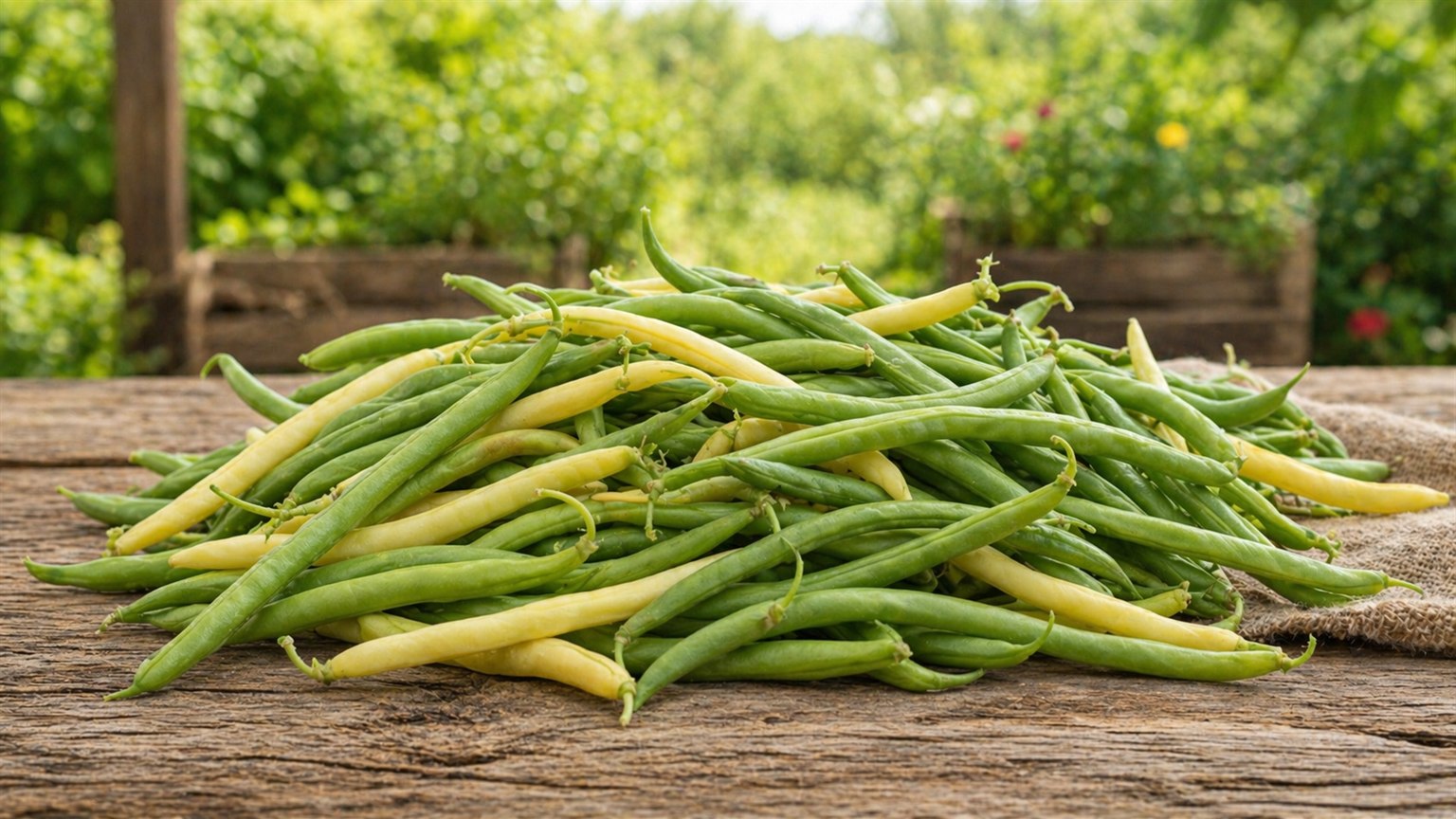
Green Beans
A fresh green bean from a summer farm stand — snapping cleanly, bright and grassy — is a completely different experience from the limp, dull beans at the supermarket. Green beans are one of the most improved by local…
-
Guide
How Local Food Increases Resilience Against Supply Chain Disruptions
The COVID-19 pandemic exposed how fragile centralized food supply chains can be. Local and regional food systems offer real resilience benefits — here's what the data shows.
-
Guide
How Much Should You Budget for Local Food Each Month?
There's no fixed premium for buying local — it depends entirely on what you buy and how you buy it. Here's a practical framework for building a local food budget that works for your household.
-
Guide
How to build a more balanced week with better ingredients
A more balanced week of eating rarely comes from stricter rules — it usually comes from better starting materials and a few practical habits that make good choices easier to follow through on.
-
Guide
How to buy local food on a budget
Buying local does not have to mean spending more. With a few practical shifts in what you buy, when you buy it, and how much you order at once, you can make local food work for almost any grocery budget.
-
Guide
How to Buy Meat From Local Farms With Confidence
Buying meat directly from a local farm is one of the best food decisions you can make — but it works differently than picking up a package at the grocery store. Here's how to navigate it without second-guessing yourself.
-
 Produce
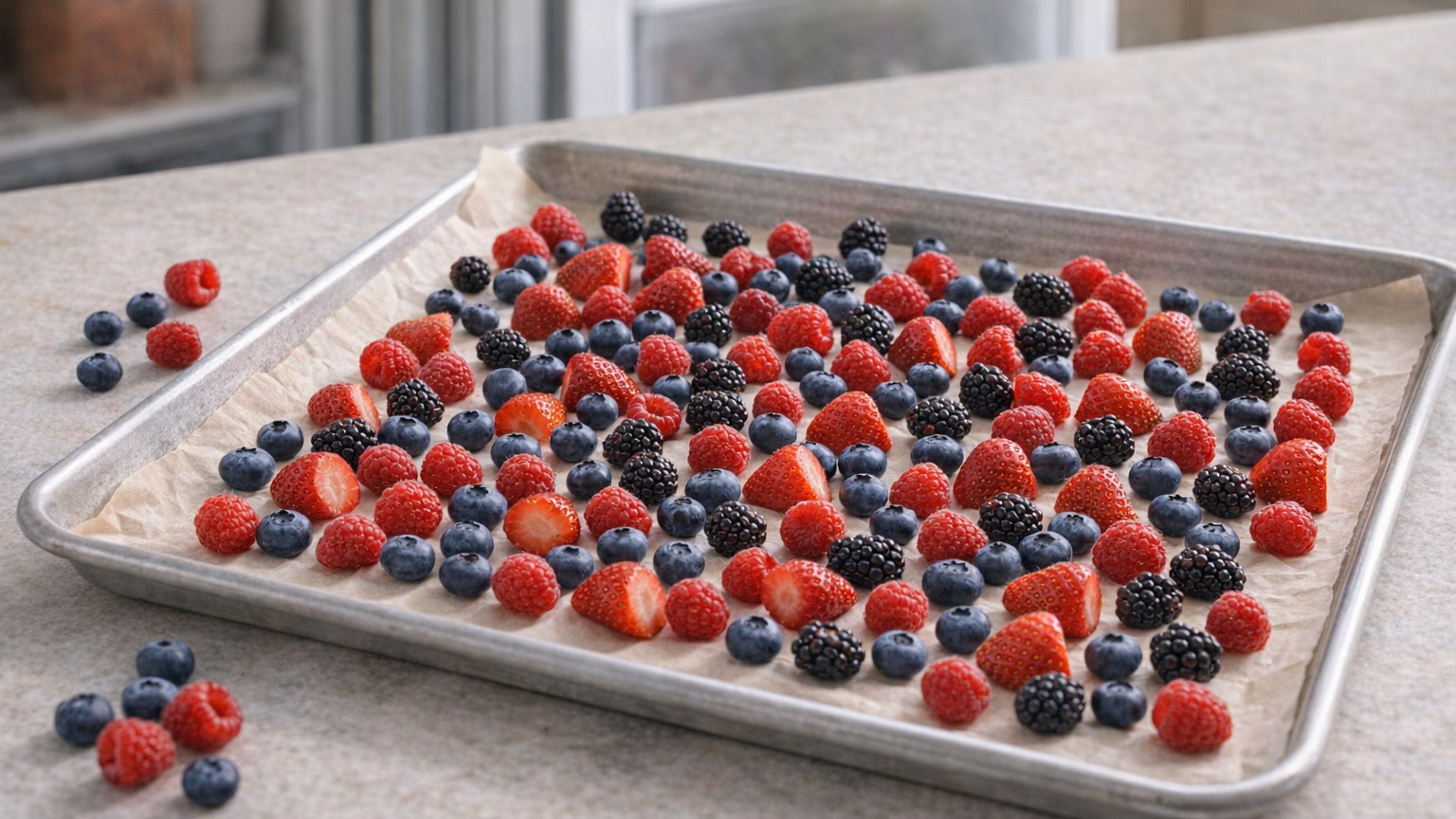
How to freeze fresh berries
Freezing berries at home takes less than 30 minutes and keeps them usable for up to a year. Here is how to do it without ending up with a solid, unusable clump.
-
 Produce
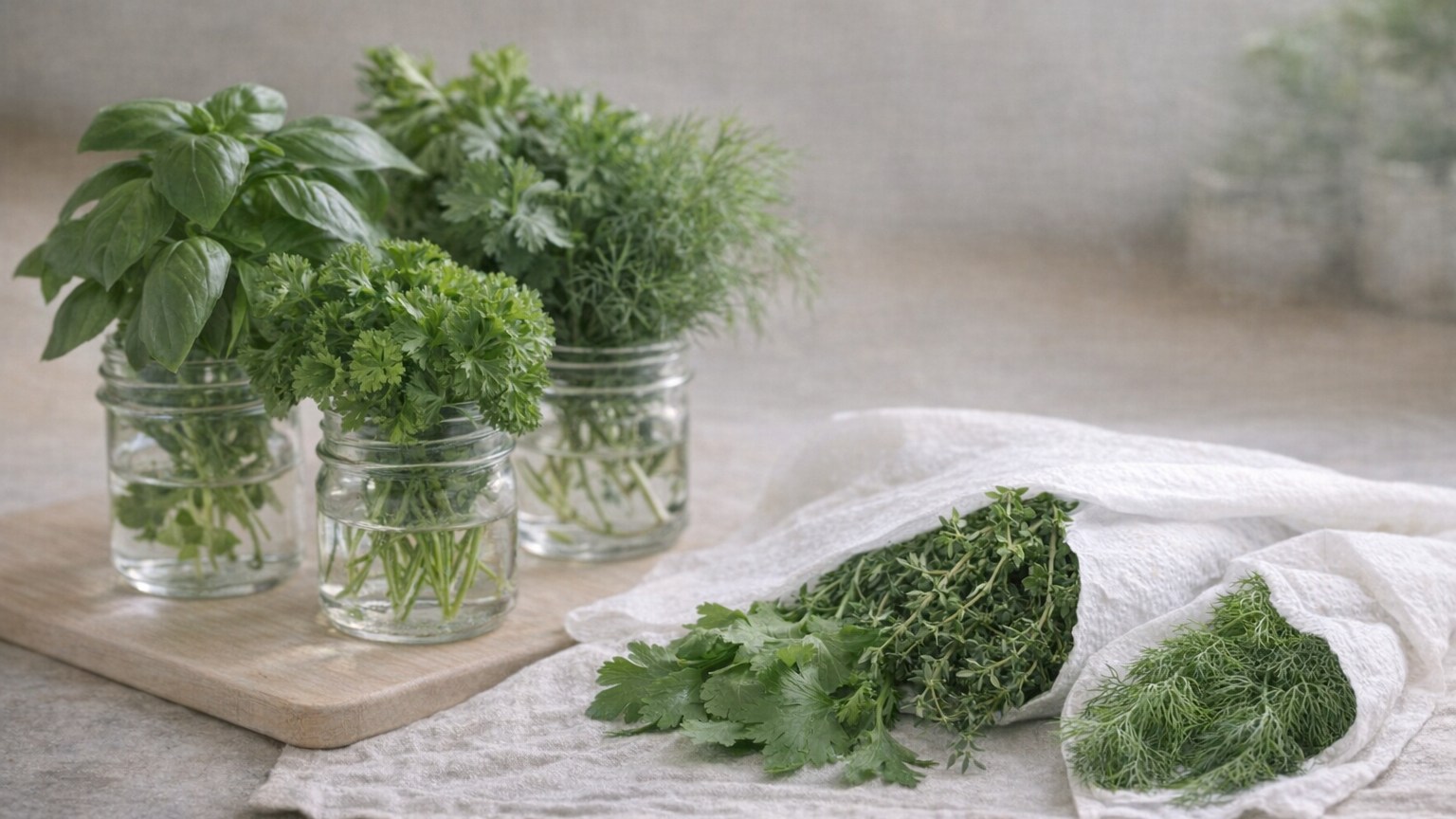
How to Keep Fresh Herbs From Going Bad Too Fast
Fresh herbs are one of the most wasted items in any kitchen. The right storage method depends on the type of herb — and getting it right means your basil, cilantro, and thyme last days longer than they otherwise would.
-
Guide
How to keep supporting local producers year-round
Many buyers are active in summer and fall but drift away in winter. Here is how to maintain that connection to local farms through every season, not just the abundant ones.
-
Guide
How to Meal Plan Around Seasonal Produce
Seasonal eating doesn't have to mean chaos in the kitchen. Learn how to build a flexible meal plan that works with what's fresh, local, and delicious right now.
-
Guide
How to Preserve Summer Produce for Later
Summer gives you more great produce than you can eat right now. Here's how to freeze, pickle, and put up the best of the season so you're eating local food all winter long.
-
 Produce
How to ripen peaches without ruining them
Peaches ripen quickly, and the gap between underripe and overripe can be a matter of hours. These techniques let you control the process so you eat them at peak flavour.
-
Guide
How to shop local even when it is cold outside
Winter doesn't have to mean the end of local food buying. With a few simple adjustments, you can keep supporting small farms and eating well from local sources all through the cold months.
-
Guide
How to Store and Freeze Farm-Fresh Meat
Farm-fresh meat is often sold in bulk or in packaging that's different from what you'd find at a grocery store. Knowing how to store, freeze, and thaw it properly means nothing goes to waste and every cut comes out as…
-
 Produce
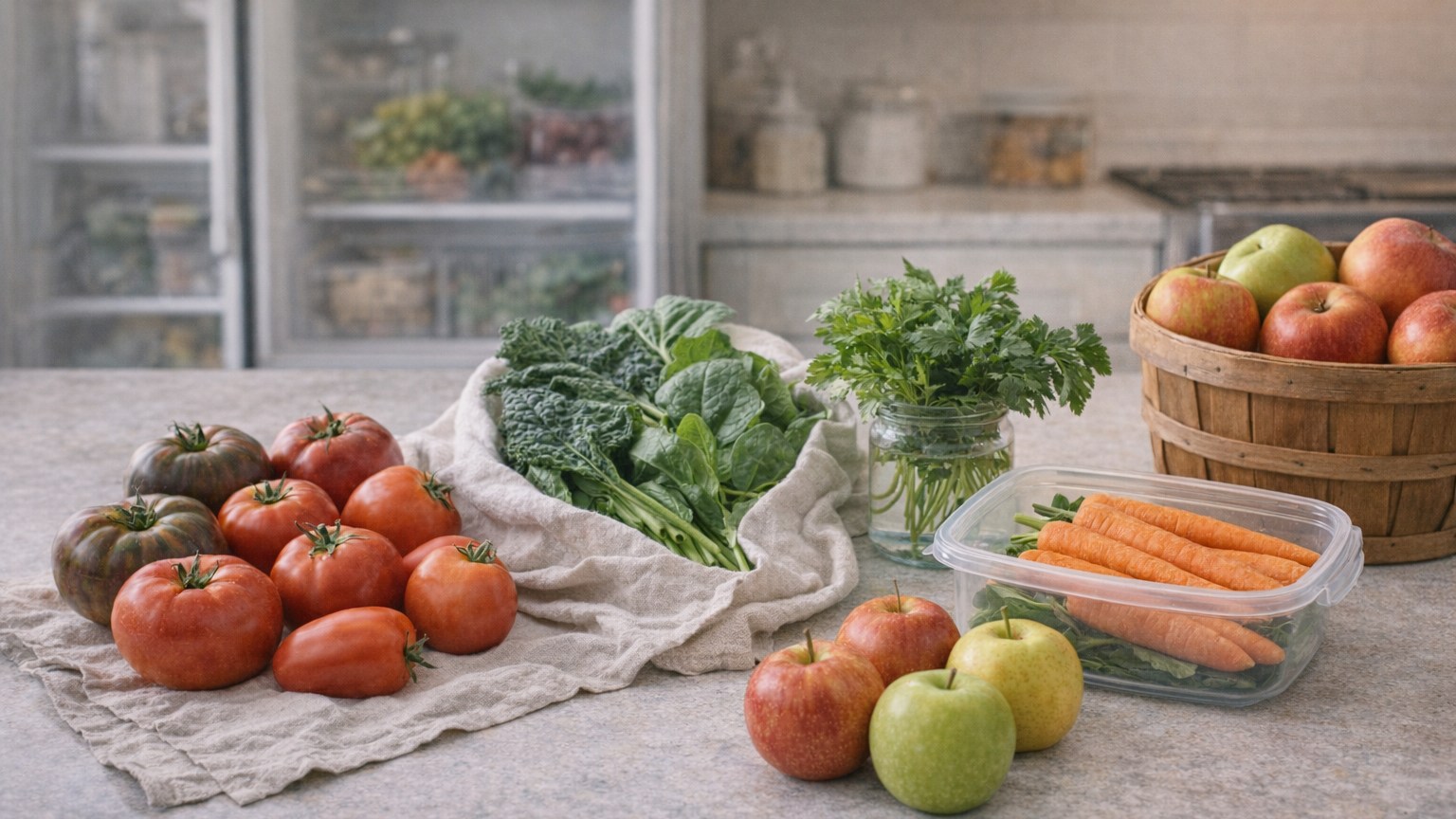
How to Store Farm-Fresh Produce to Reduce Waste
Farm-fresh produce comes with different storage needs than grocery store produce. Knowing what goes in the fridge, what stays on the counter, and how to revive wilted greens can cut your waste in half.
-
Guide
How to stretch a weekly farm order further
Getting the most out of your local farm order is both a cooking skill and a planning habit. Small adjustments to how you store, prep, and use your food can significantly extend the value of every order.
-
 Produce
How to use up too much zucchini
Zucchini grows fast and piles up quickly. These practical cooking and preserving strategies will get you through a surplus without eating zucchini bread at every meal.
-
Guide
Is Local Meat Safe?
Local meat from small farms is subject to federal and state inspection requirements — and often has a shorter, more transparent supply chain than commodity meat. Here's how the system works and what to ask before you…
-
Guide
Local food shopping for busy people
You don't need a lot of time to buy local food regularly. With the right setup, local food shopping can be faster and less effort than a weekly grocery run.
-
Guide
Local Food vs Organic Food — Which Matters More?
Local and organic are not the same thing, and choosing between them depends on what you're buying. Here's how to think about both labels and when each one actually matters.
-
 Produce
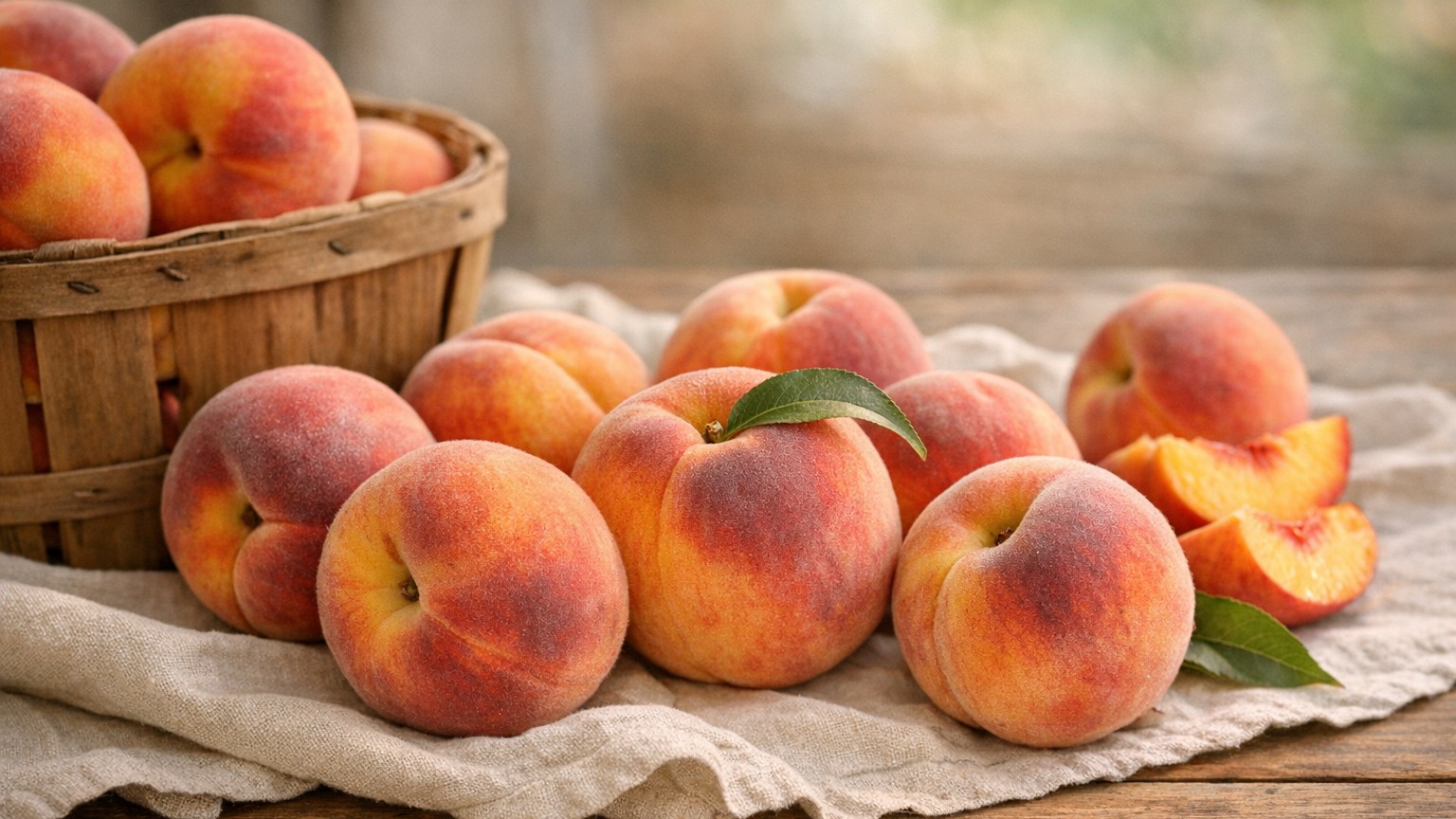
Peaches
Peaches are the most short-windowed fruit of the year — and the one where ripeness matters most. A local peach at peak ripeness is the taste of summer in a way no other fruit quite is.
-
Guide
Preserving Local Food — Canning, Fermenting, Drying, and Freezing
The best way to eat well year-round from local farms is to preserve the harvest at peak season. Here's a practical guide to the four main preservation methods with safety guidance from USDA.
-
 Produce
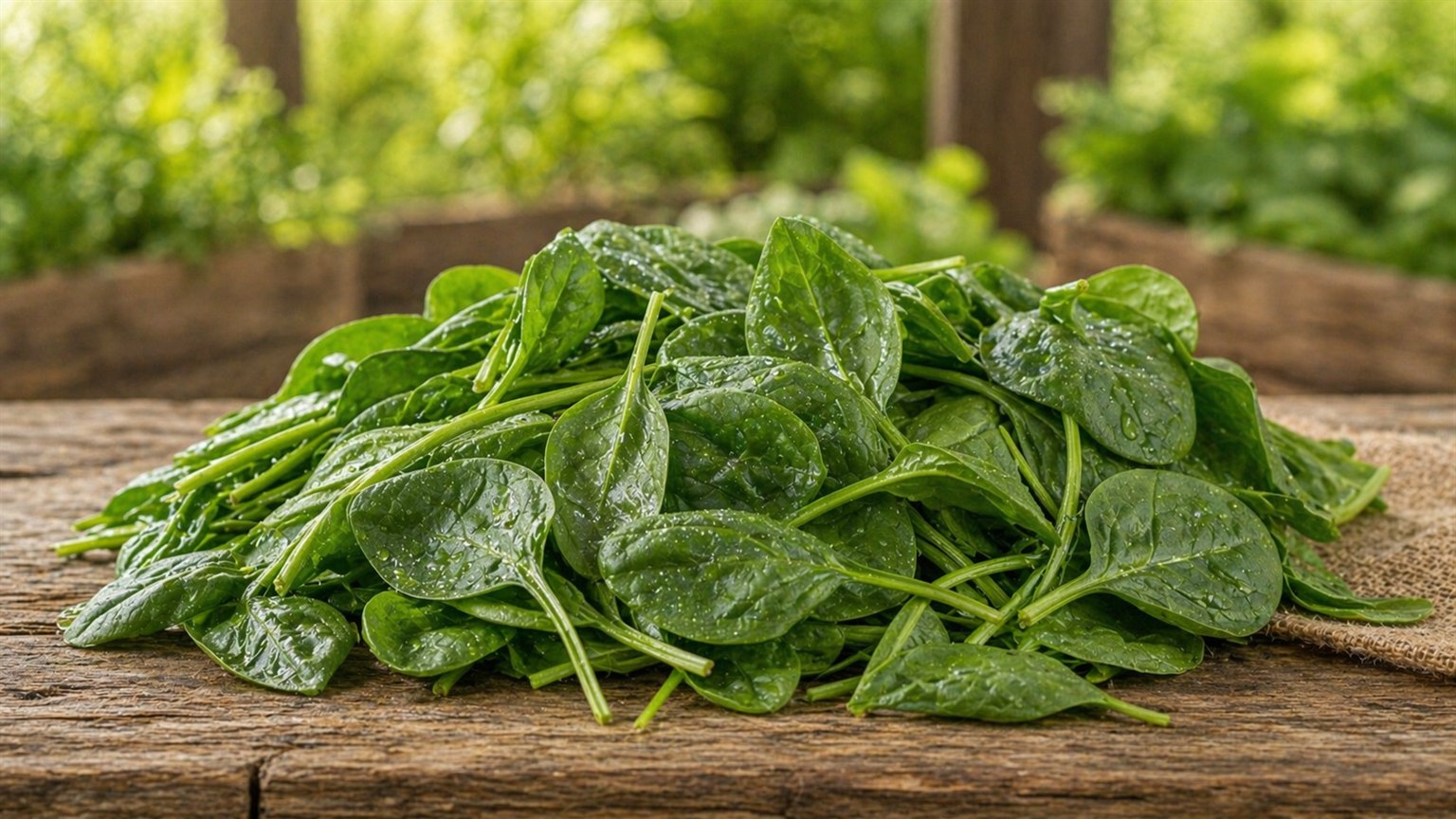
Spinach
Spinach is one of the most nutritionally dense vegetables at any farm stand, and one of the most season-dependent — spring and fall spinach is sweet and tender, while summer heat pushes it to bolt and turn bitter.…
-
Guide
Spring produce guide: what is in season and how to use it
Spring brings some of the most exciting produce of the year — tender greens, early alliums, fresh herbs, and the first sweet strawberries. This guide covers what is actually in season and how to make the most of it.
-
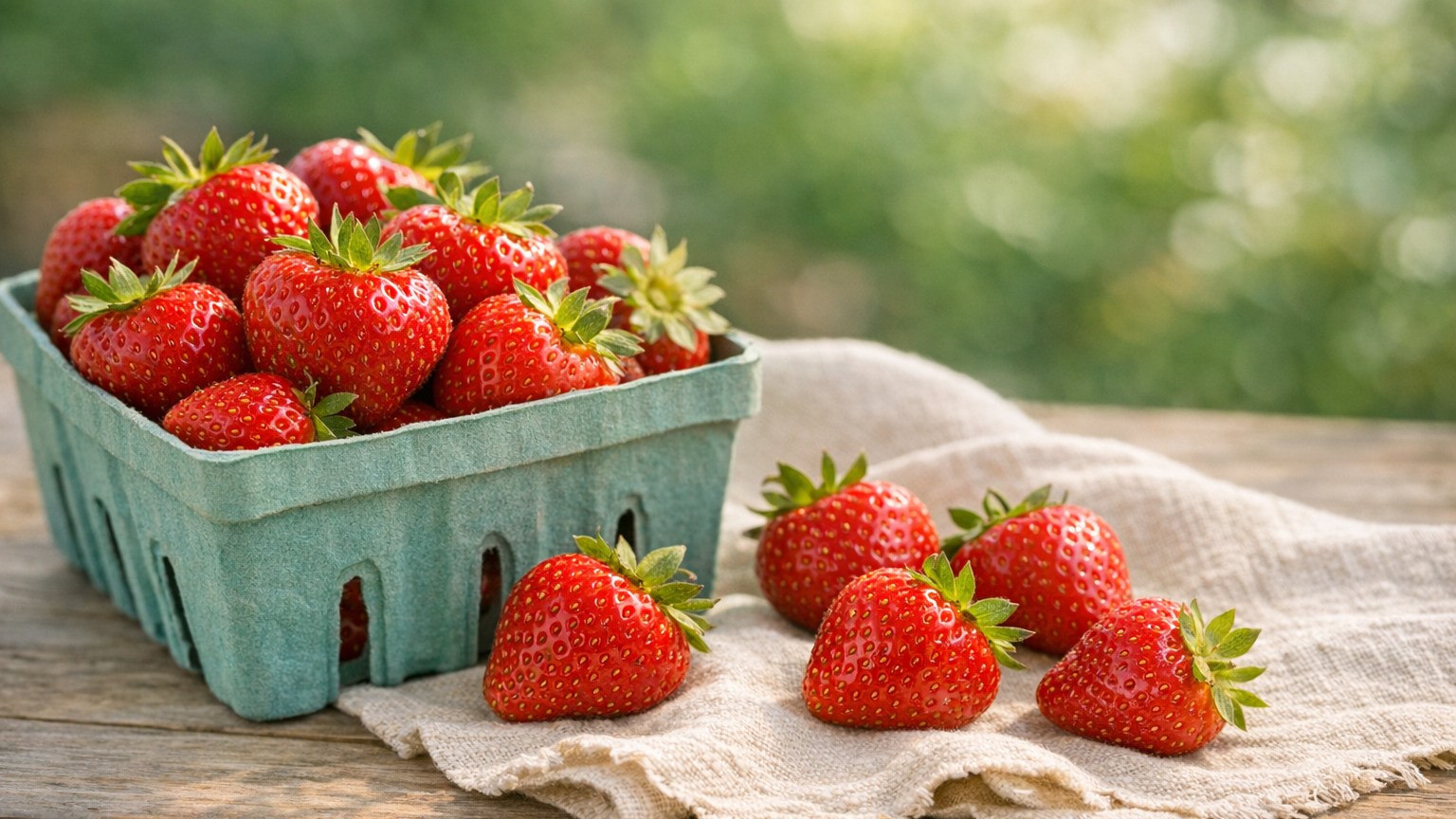 Produce
Strawberries
Strawberries are the first real fruit of summer — and the produce where the gap between local and shipped is widest. A ripe local strawberry tastes of strawberry. A shipped one tastes of pink water.
-
Guide
Summer Grilling With Local Meats — A Practical Guide
Sourcing locally raised beef, pork, lamb, and chicken for the grill changes the experience. Here's what to look for, how farm-raised meats differ, and how to get the best results on the grill.
-
Guide
Summer produce guide: the best fruits and vegetables in season
Summer is the most abundant time of year for local produce. Here is a practical guide to what is in season, what to prioritize, and how to make the most of it.
-
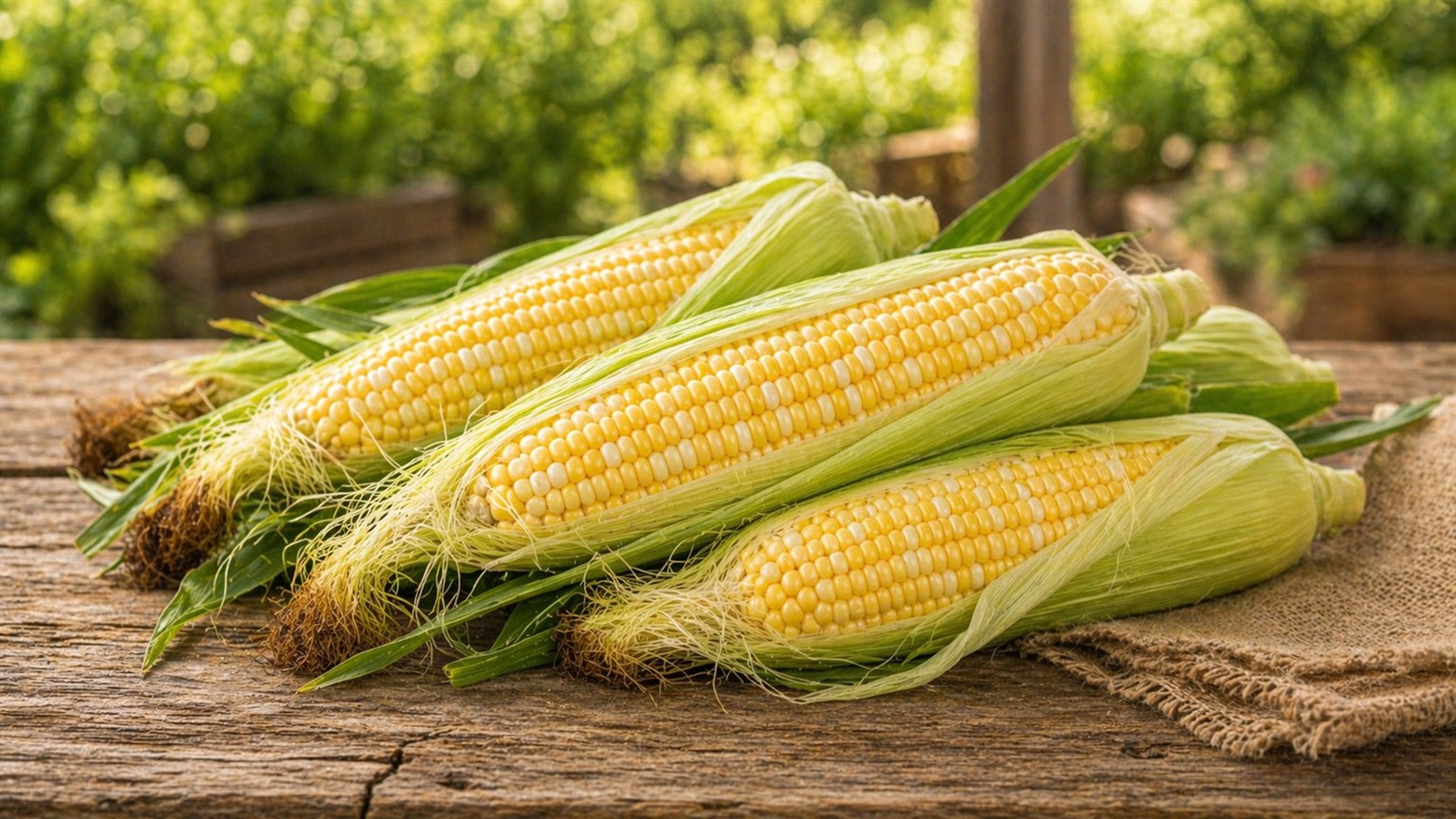 Produce
Sweet Corn
Sweet corn loses its sugar to starch conversion the moment it is picked — sometimes measured in hours, not days. Local corn bought the day it is harvested is a different vegetable from supermarket corn. No other produce…
-
Guide
The best local foods to stock up on in summer
Summer is the best time of year to buy in bulk, freeze, and preserve local food. Here are the items worth stocking up on and how to make them last.
-
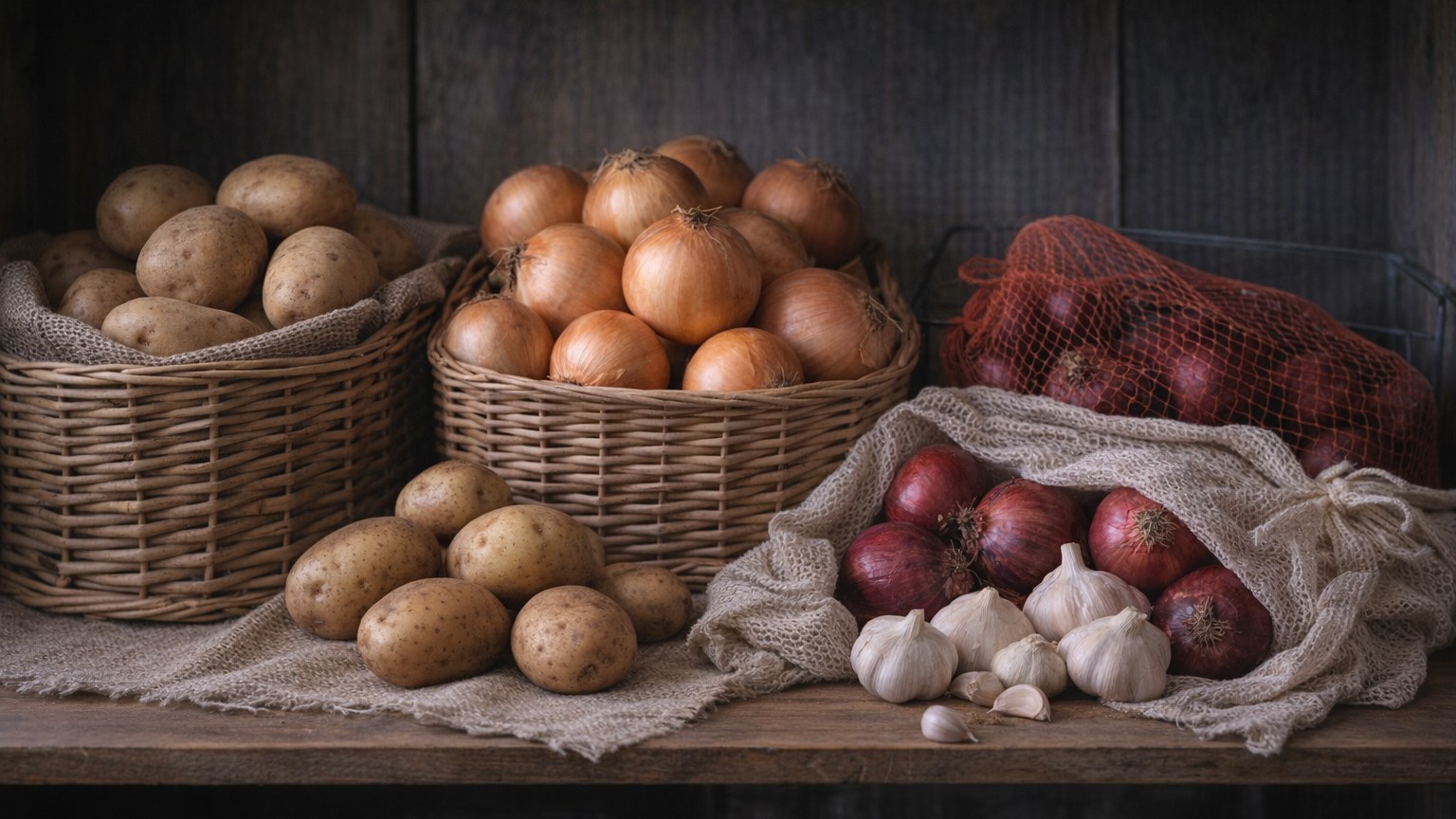 Produce
The best way to store potatoes, onions, and garlic
Potatoes, onions, and garlic all need cool, dark, and dry conditions — but keeping them together or in the wrong spot cuts their storage life dramatically. Here is what actually works.
-
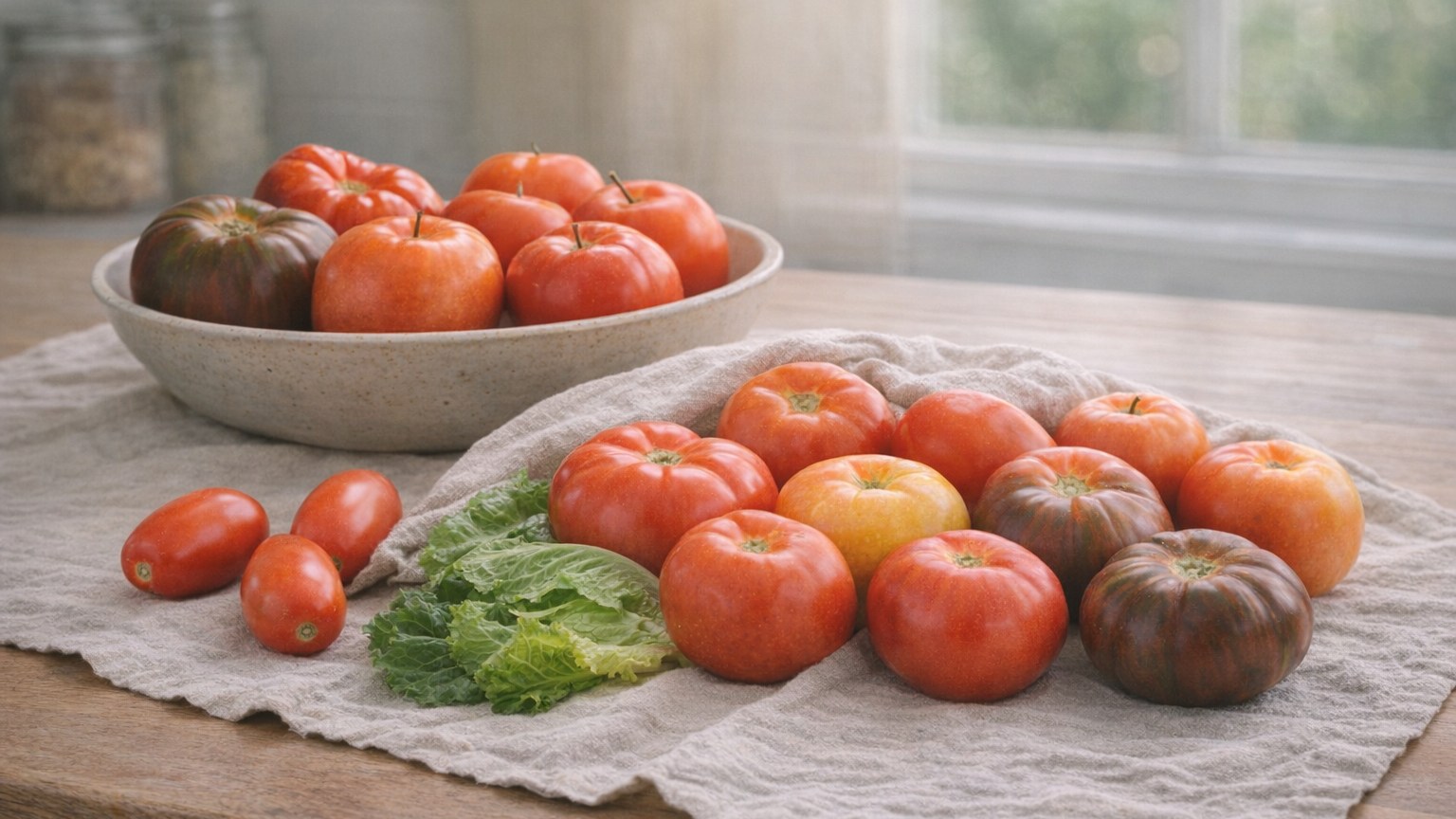 Produce
The Best Way to Store Tomatoes
Putting tomatoes in the fridge is one of the most common kitchen mistakes. Learn the right way to store them — whether they're ripe, unripe, or cut — so they stay flavorful and last longer.
-
Guide
What "Farm to Table" Actually Means
"Farm to table" has become one of the most overused phrases in food marketing. Here's what it originally meant, what it's come to mean, and how to tell the difference between the real thing and the label.
-
Guide
What fresh eggs, greens, and early harvests say about spring
Spring's first farm offerings — eggs, leafy greens, and early root crops — tell you a lot about what the season is and why it is worth paying attention to.
-
 Produce
What is a blueberry and how to use it
Blueberries are easy fruit to use because they work for fresh eating, baking, and freezing with almost no prep. Their strength is simplicity.
-
Guide
What questions to ask before buying meat, eggs, or produce locally
Buying from a local farm is different from grocery shopping — you can actually ask questions. Here's what's worth asking and why the answers matter.
-
Guide
What seasonal eating looks like in winter
Winter seasonal eating is not about deprivation — it is a distinct approach to food built around storage crops, proteins, preserved goods, and the slow cooking that cold weather suits.
-
Guide
What to buy from local farms in winter
Winter is quieter on the farm, but local buying doesn't have to stop. Here's what's genuinely available from small producers during the cold months and how to make the most of it.


