
Search
Recipes, produce guides, seasonal articles, and Collective briefings — one place.
60 results for "greenhouse greens"
-
 Produce
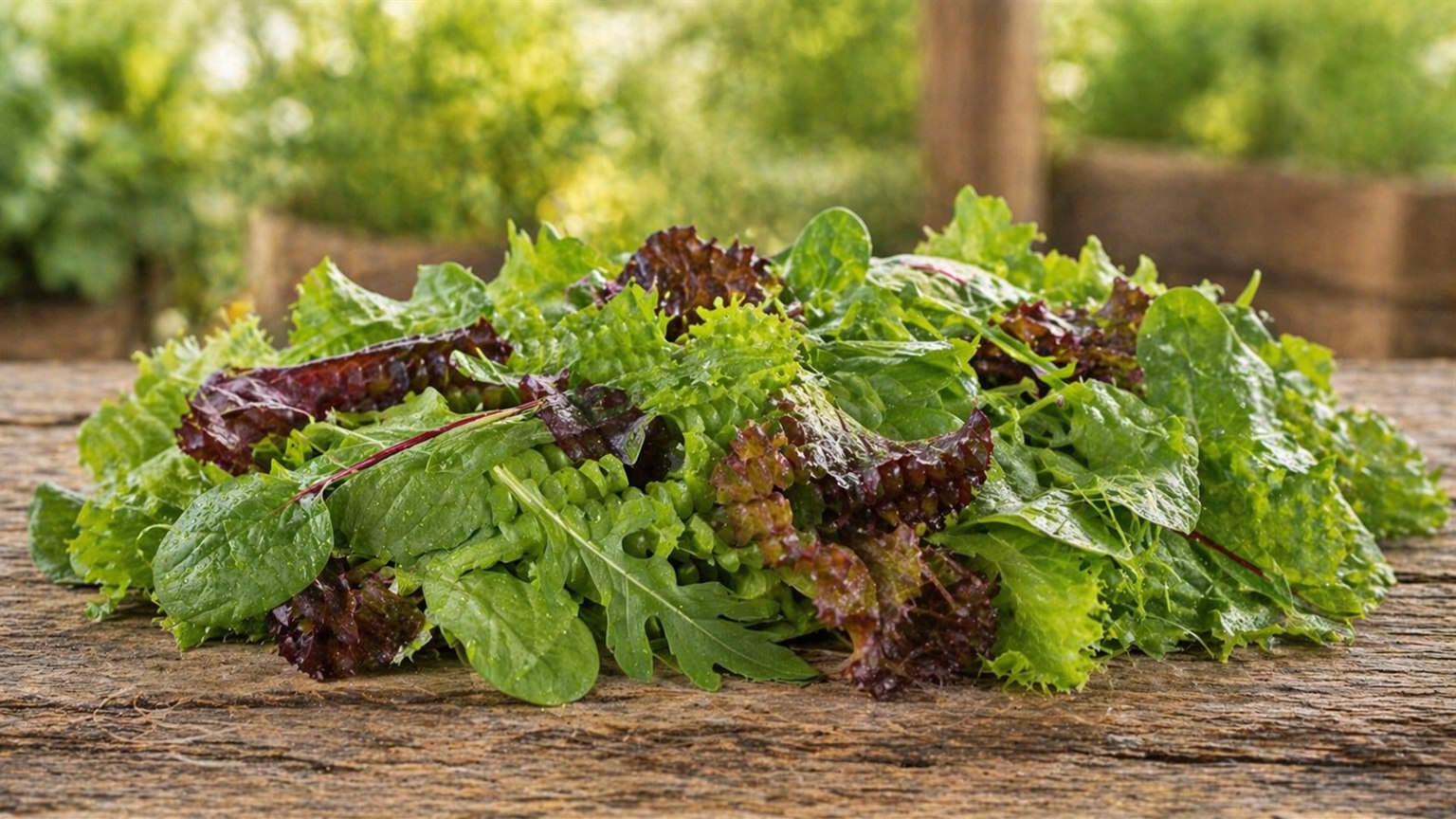
Mixed Salad Greens
Mixed salad greens from a farm stand — loose-leaf lettuces, arugula, spinach, and more, harvested that morning — bear no resemblance to the washed and bagged mixes that have been sitting in a bag for a week. This is the…
-
Guide
Greenhouse-Grown vs Field-Grown Local Produce
Both greenhouse and field-grown produce can be local and high-quality, but they differ in taste, nutrition, season, and environmental footprint. Here's what to know before you choose.
-
 Produce
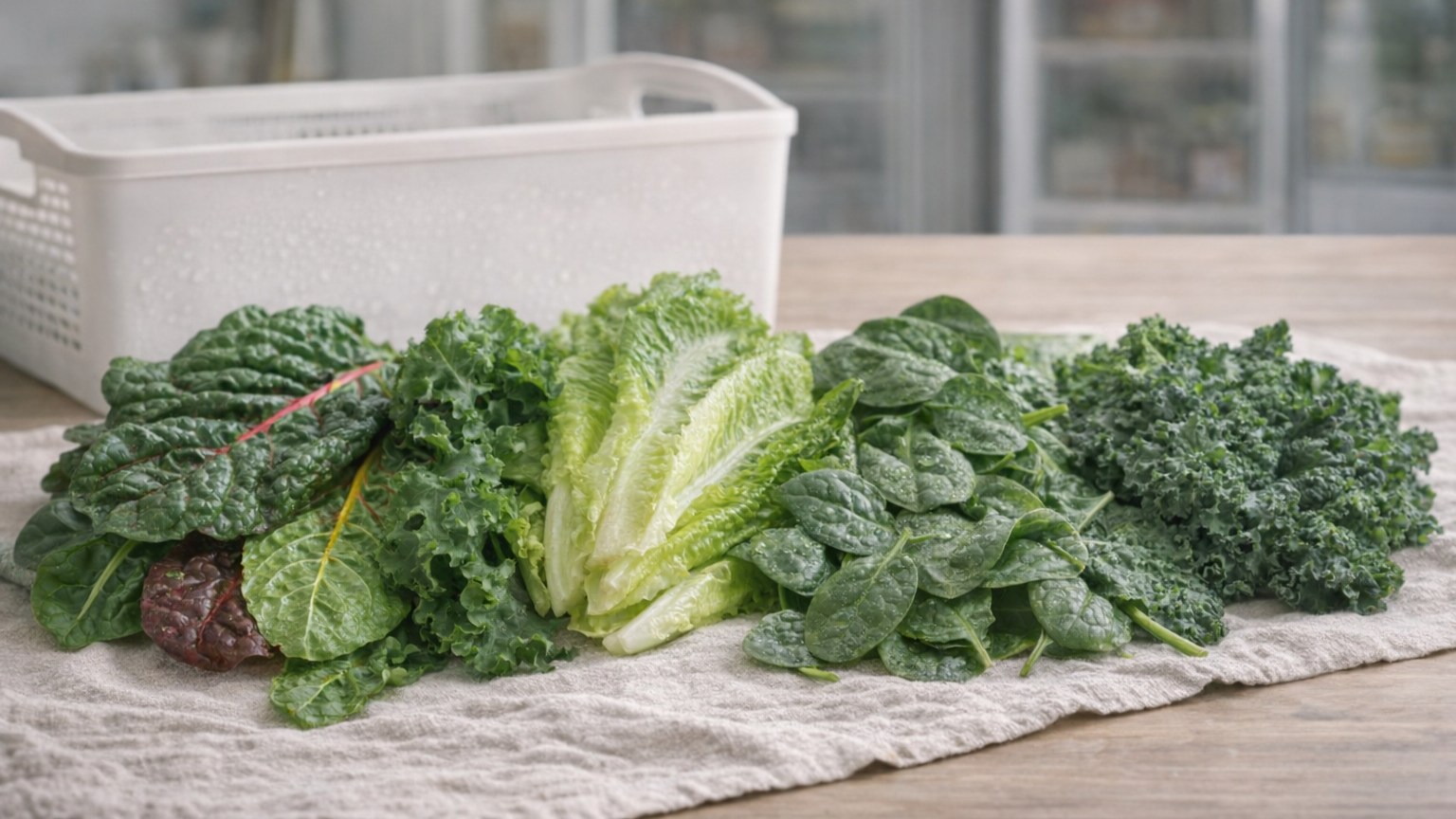
Best way to store leafy greens
Leafy greens last longer when they stay cold, dry, and protected from excess moisture. The exact green changes the timeline a little, but the core method stays the same.
-
Guide
How to cook with squash, apples, sweet potatoes, and greens
Squash, apples, sweet potatoes, and fall greens are the backbone of autumn cooking — but knowing how to handle each one makes the difference between a good meal and a forgettable one.
-
Guide
What fresh eggs, greens, and early harvests say about spring
Spring's first farm offerings — eggs, leafy greens, and early root crops — tell you a lot about what the season is and why it is worth paying attention to.
-
 Produce
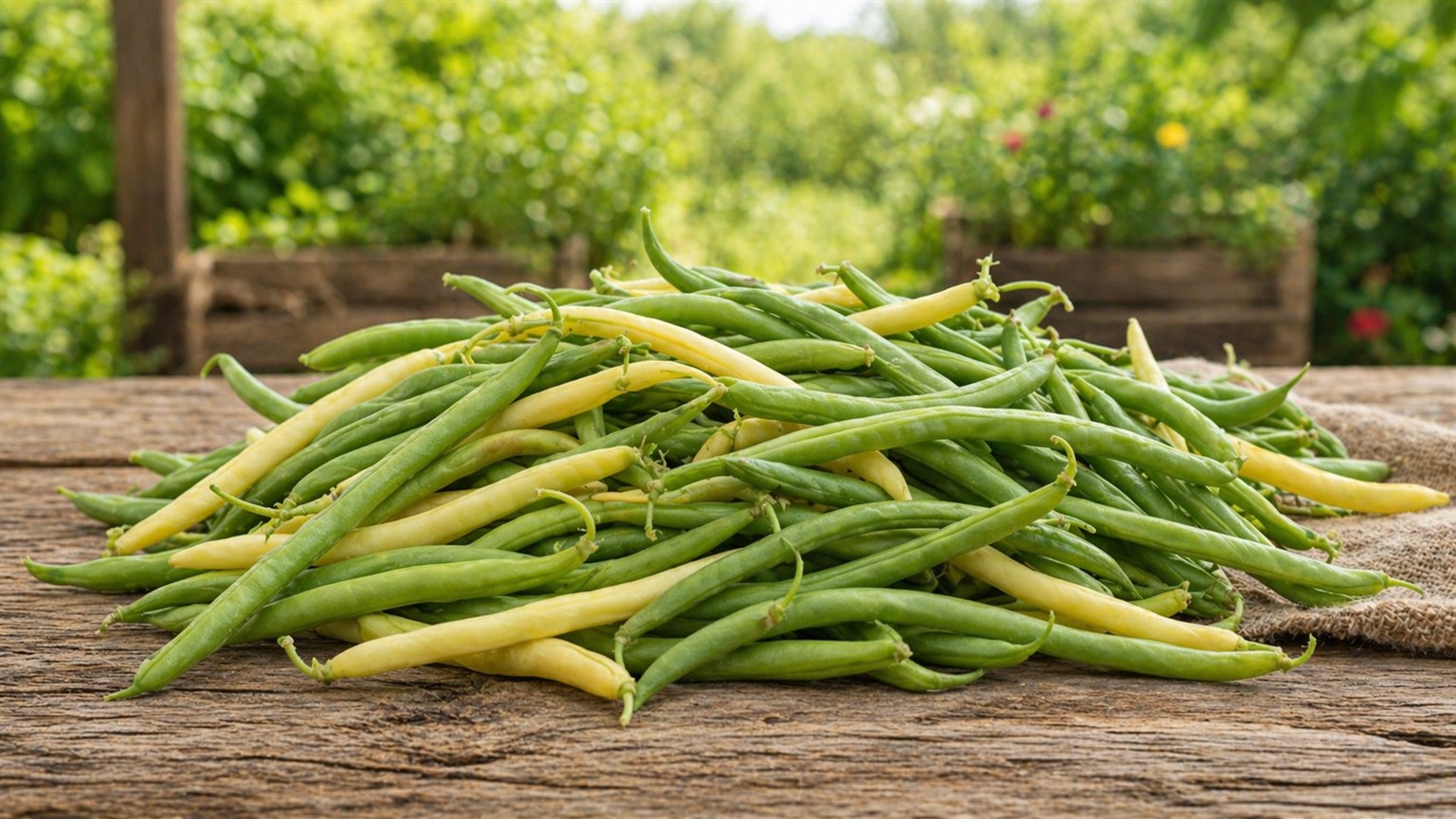
Green Beans
A fresh green bean from a summer farm stand — snapping cleanly, bright and grassy — is a completely different experience from the limp, dull beans at the supermarket. Green beans are one of the most improved by local…
-
Recipe
Garlic green beans skillet
A quick skillet side that makes fresh green beans weeknight-friendly — blistered in olive oil, finished with garlic, and on the table in under 15 minutes.
-
Guide
What to do with green beans
Green beans are easy to use up when you keep the cooking simple. These ideas help you move through a surplus without ending up with limp beans in the crisper.
-
 Produce
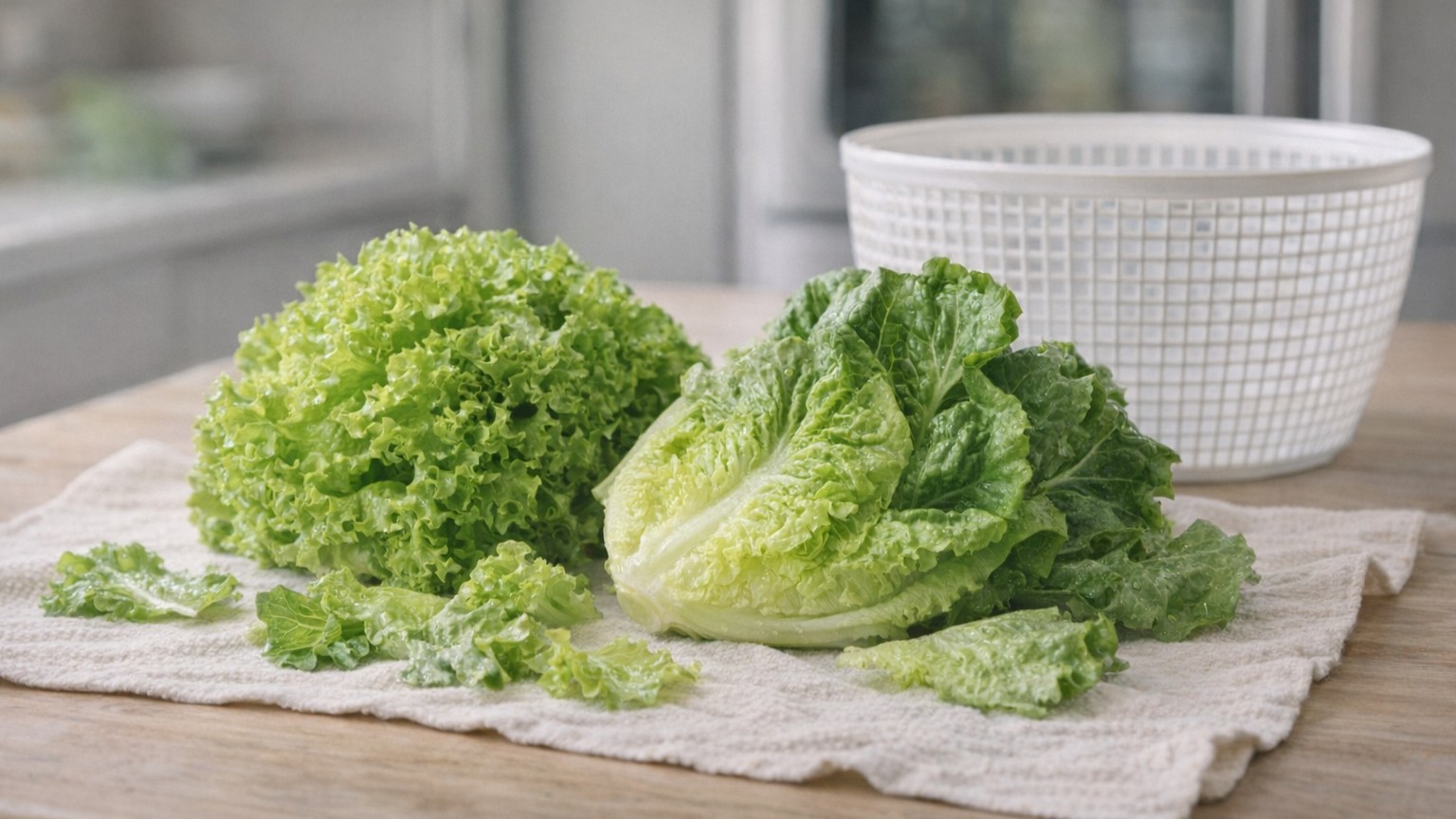
How to Store Fresh Lettuce So It Lasts Longer
Fresh lettuce from a local farm can wilt within days if stored carelessly. A few simple techniques can keep it crisp, green, and ready to eat for up to two weeks.
-
 Produce
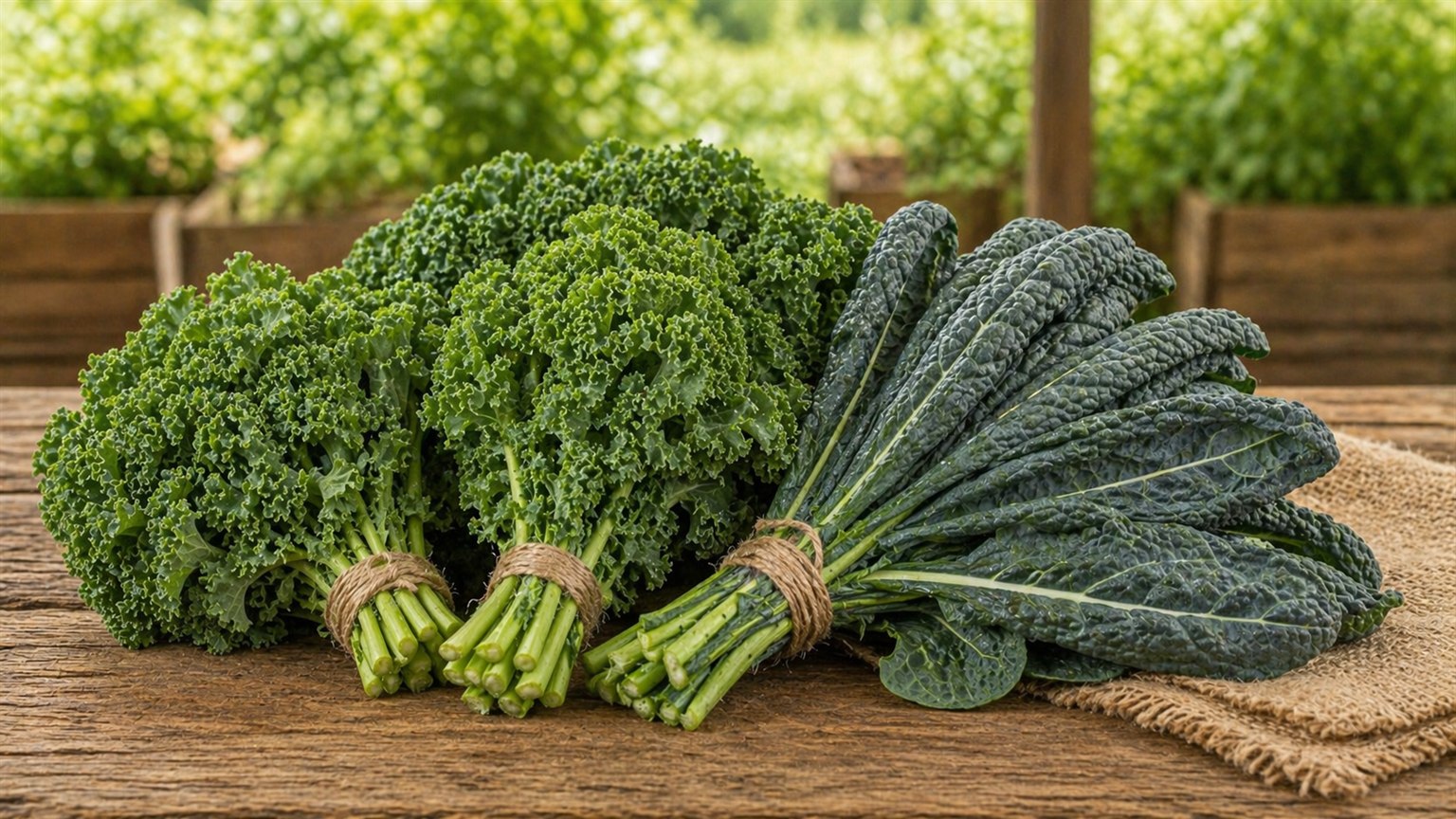
Kale
Kale is a sturdy leafy green that holds up to salads, soups, sautes, and roasting. The key is choosing the right variety and treating the stems and leaves differently when needed.
-
 Produce
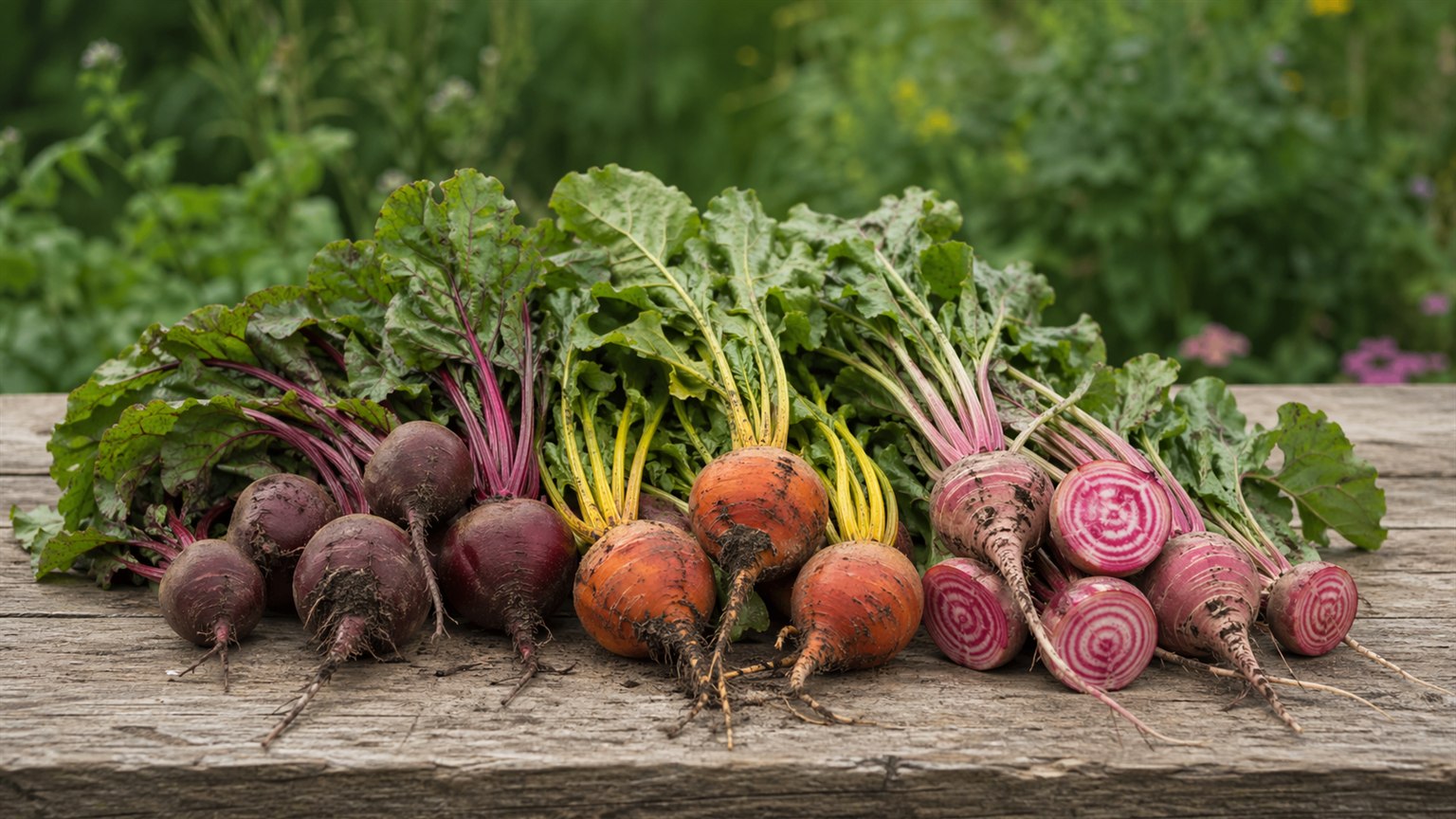
Beets
Beets are sweet, earthy root vegetables that store well and come with edible greens when freshly harvested. They roast beautifully, pickle easily, and add color to salads, grain bowls, and simple sides.
-
 Produce
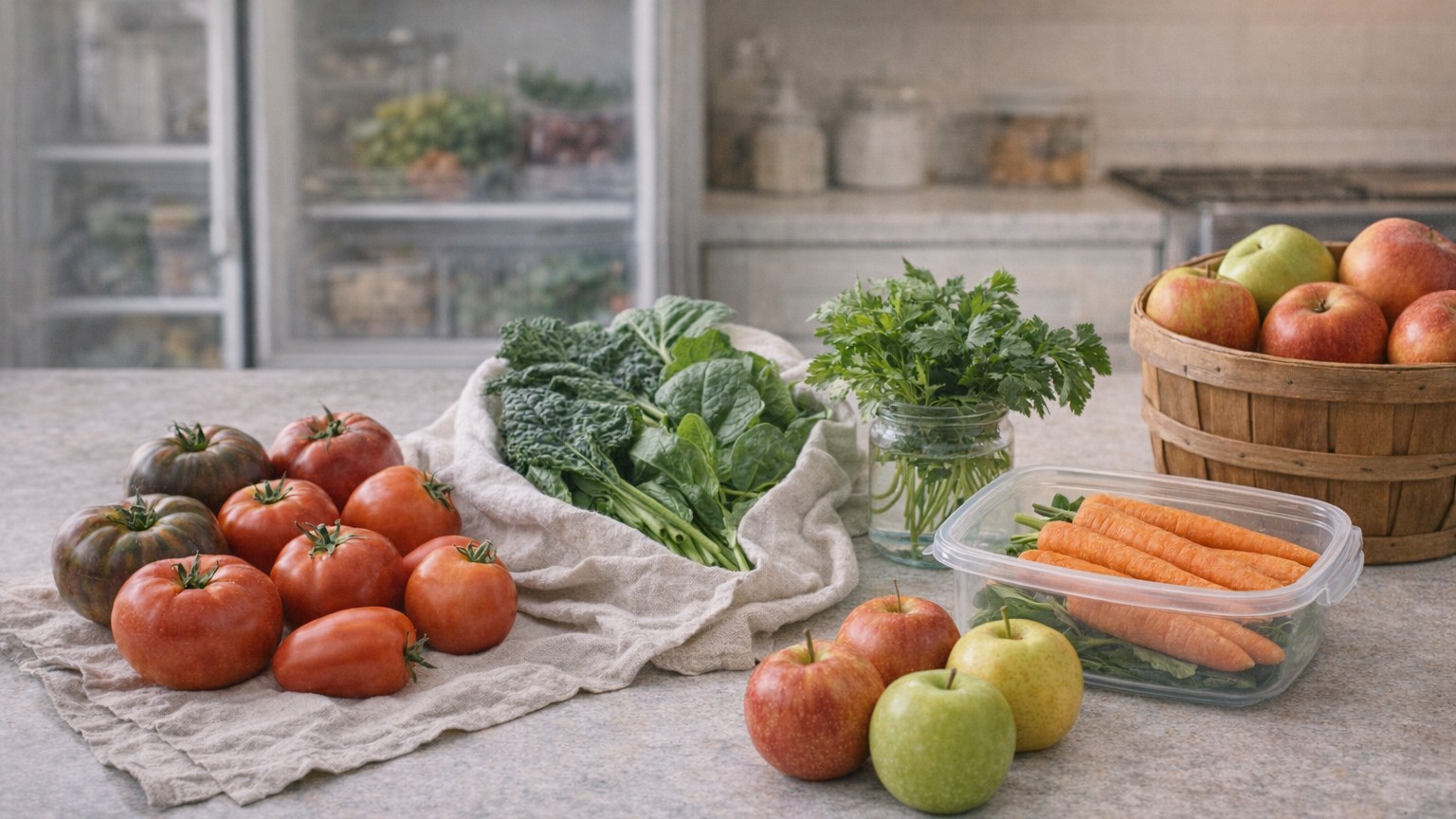
How to Store Farm-Fresh Produce to Reduce Waste
Farm-fresh produce comes with different storage needs than grocery store produce. Knowing what goes in the fridge, what stays on the counter, and how to revive wilted greens can cut your waste in half.
-
 Produce
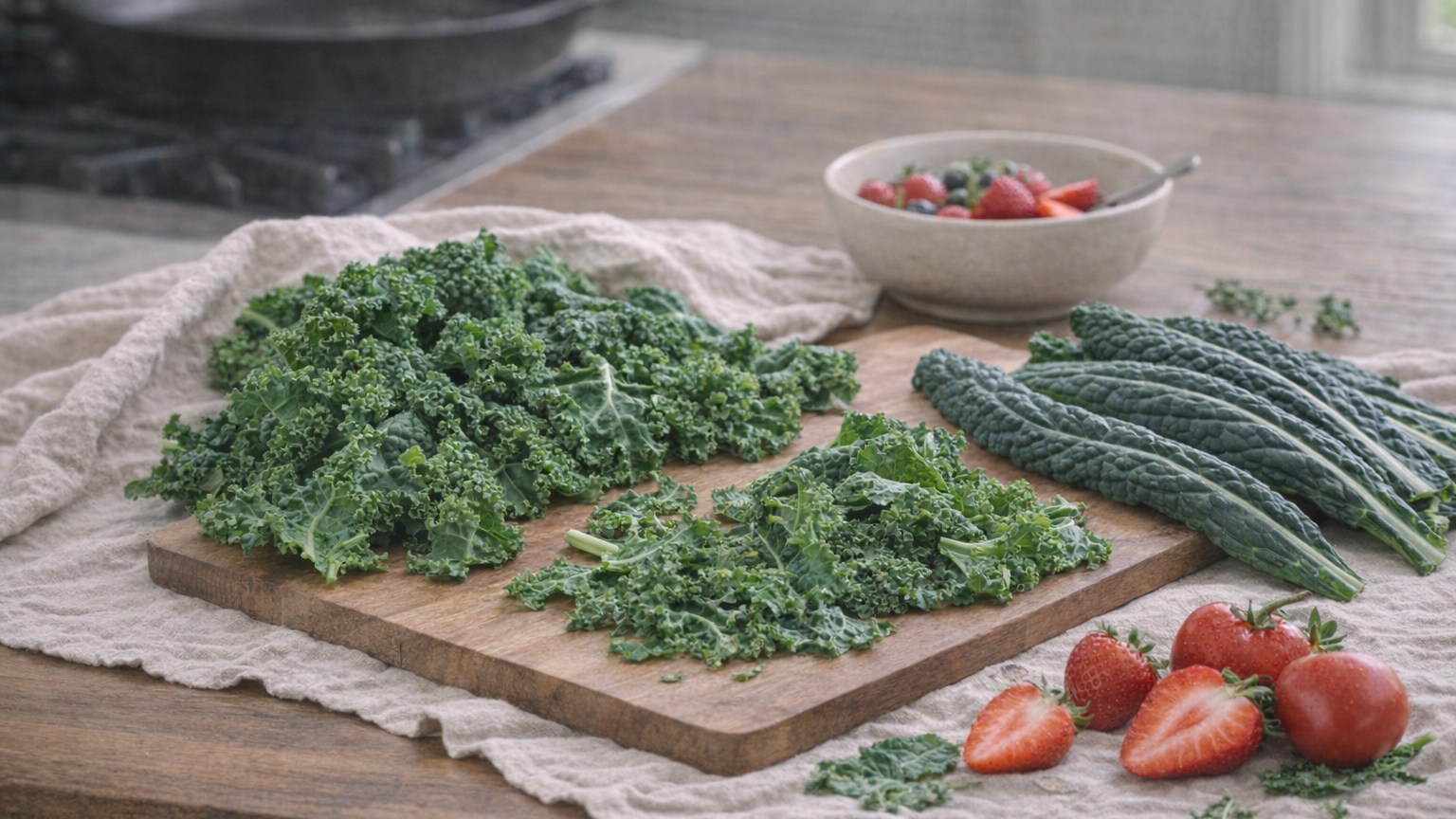
What is kale and how to cook it
Kale is a sturdy leafy green that holds up well to both cooking and hearty salads. Once you know how to handle the leaves and stems, it becomes one of the easiest greens to keep using.
-
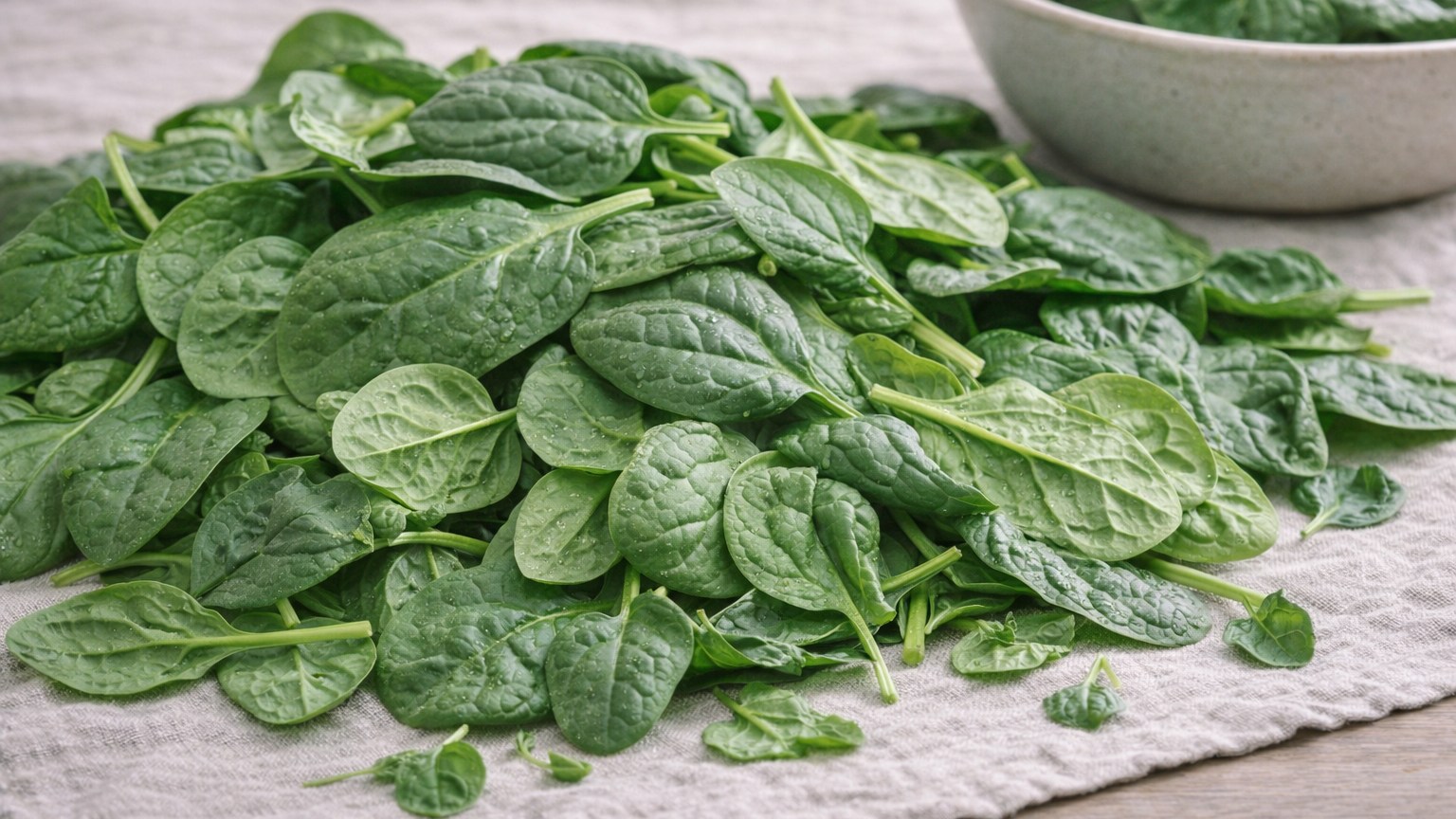 Produce
What is spinach and how to use it
Spinach is a tender green that can move from raw salads to quick-cooked meals without much effort. Its mild flavor makes it one of the easiest greens to fold into daily cooking.
-
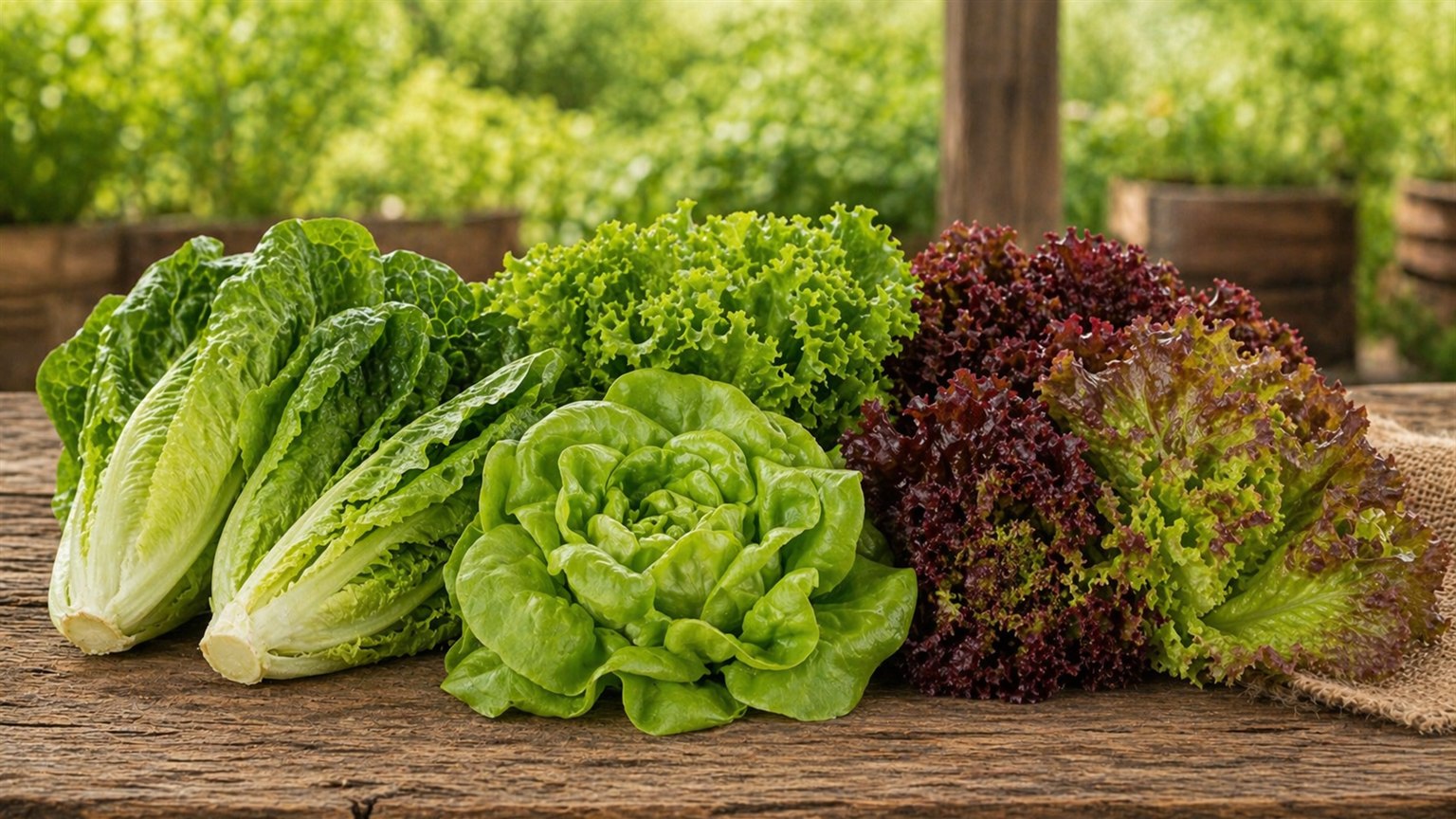 Produce
Lettuce
Lettuce changes a lot by type: romaine is crisp, butter lettuce is soft, leaf lettuce is tender, and iceberg is all crunch. Knowing the difference makes salads easier and waste less likely.
-
Guide
Spring produce guide: what is in season and how to use it
Spring brings some of the most exciting produce of the year — tender greens, early alliums, fresh herbs, and the first sweet strawberries. This guide covers what is actually in season and how to make the most of it.
-
Guide
What to Buy From Local Farms in Spring
Spring is the most exciting time to shop from local farms — the season kicks off with crisp greens, fresh eggs, and a wave of early produce you won't find anywhere near as good in a grocery store.
-
 Collective
Weekly Best Buys — April 17, 2026
Five things worth buying local this week. Asparagus is in, strawberries aren't, eggs are always right, and two more.
-
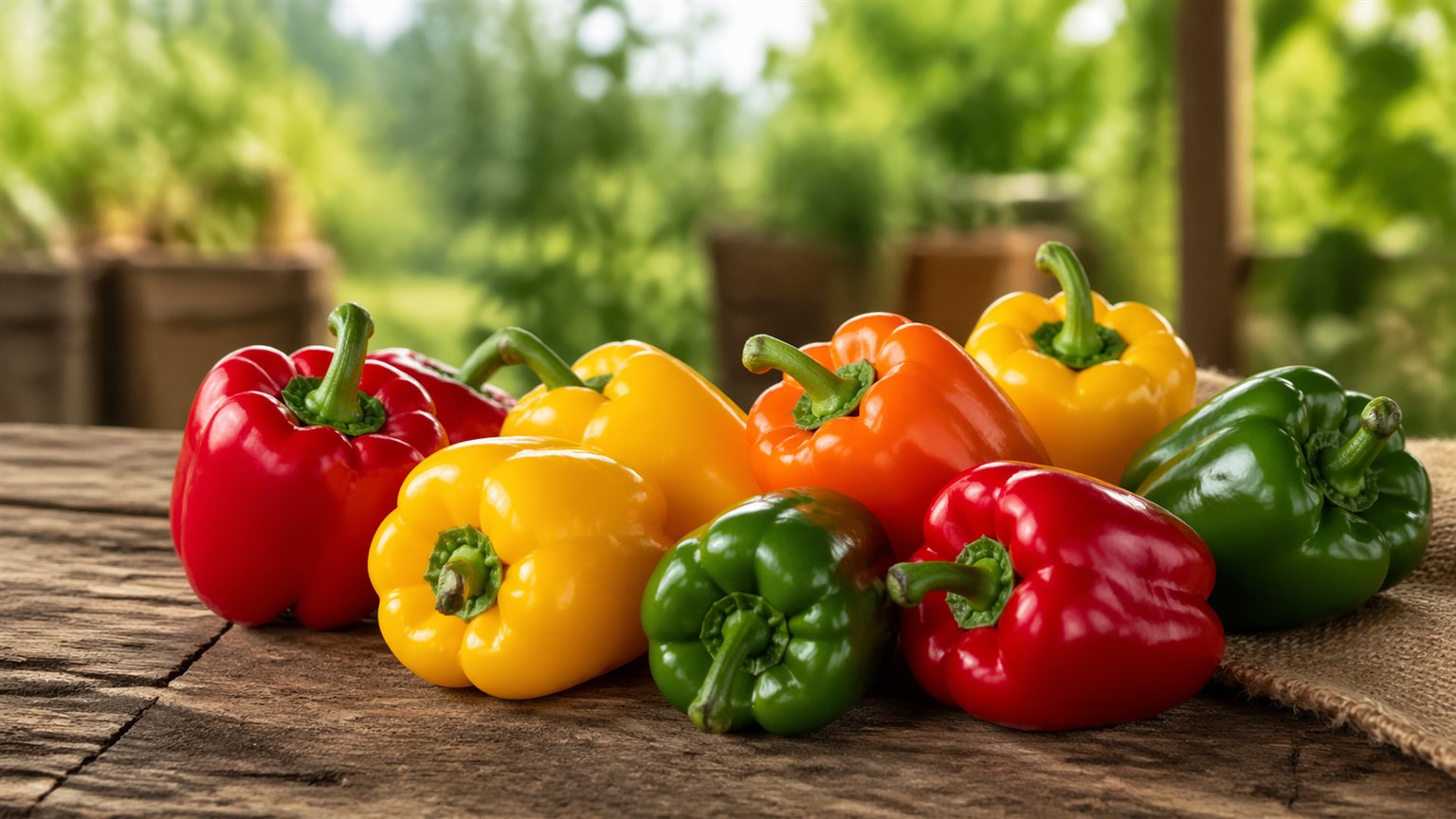 Produce
Bell Peppers
Bell peppers are the same fruit at different stages of ripeness — green is unripe, red is fully ripe, and yellow and orange fall in between. That distinction explains nearly everything about how they taste and how to…
-
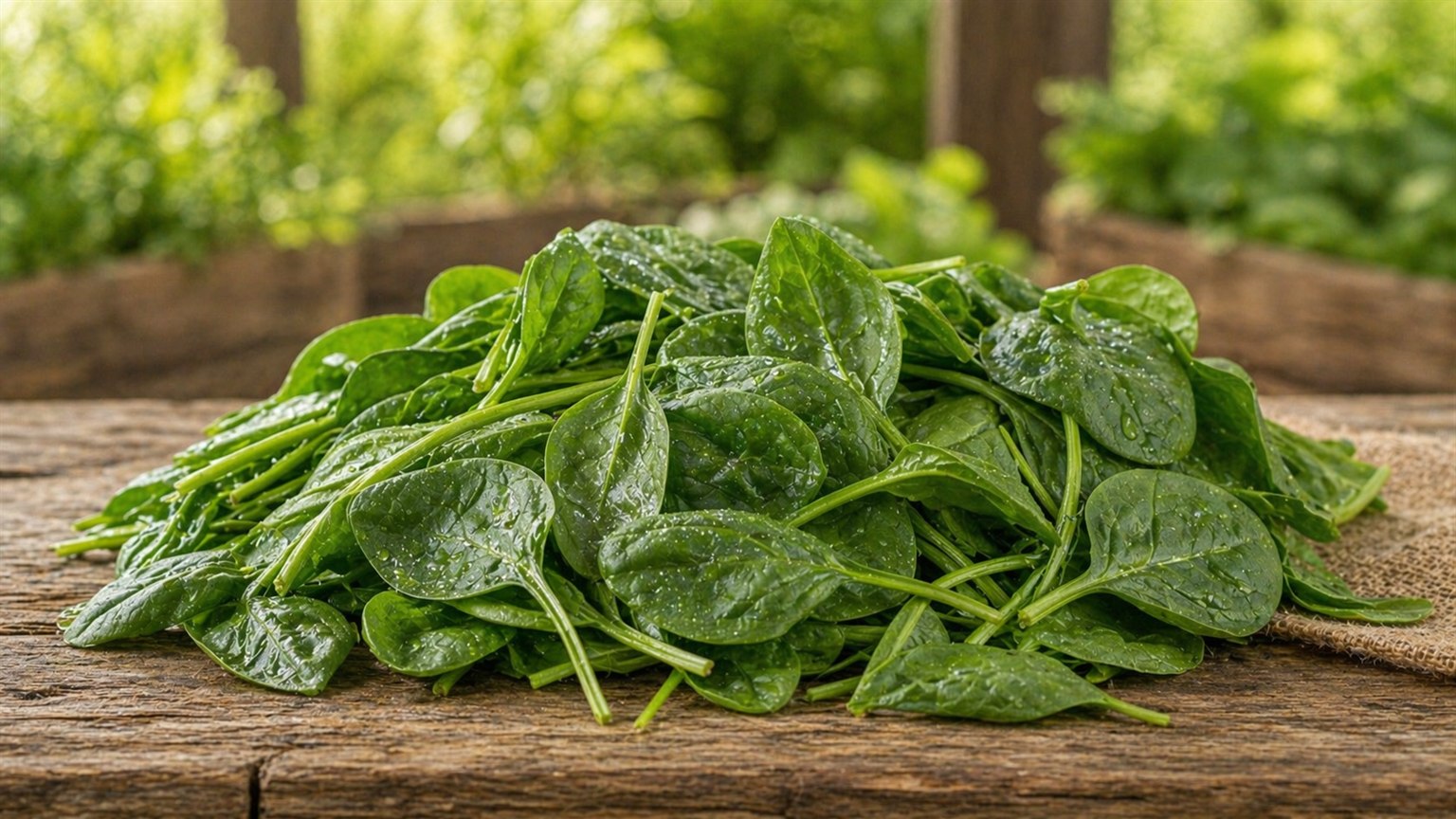 Produce
Spinach
Spinach is one of the most nutritionally dense vegetables at any farm stand, and one of the most season-dependent — spring and fall spinach is sweet and tender, while summer heat pushes it to bolt and turn bitter.…
-
Guide
Fall meal planning with local ingredients
Meal planning in fall is easier than other seasons because the produce is sturdy, versatile, and cheap to buy in bulk. Here's how to build a practical weekly plan around what local farms actually have.
-
Guide
How to build a spring meal plan around local produce
Spring produce arrives fast and changes week to week. A flexible meal plan built around what is actually available makes cooking easier and reduces waste.
-
 Produce
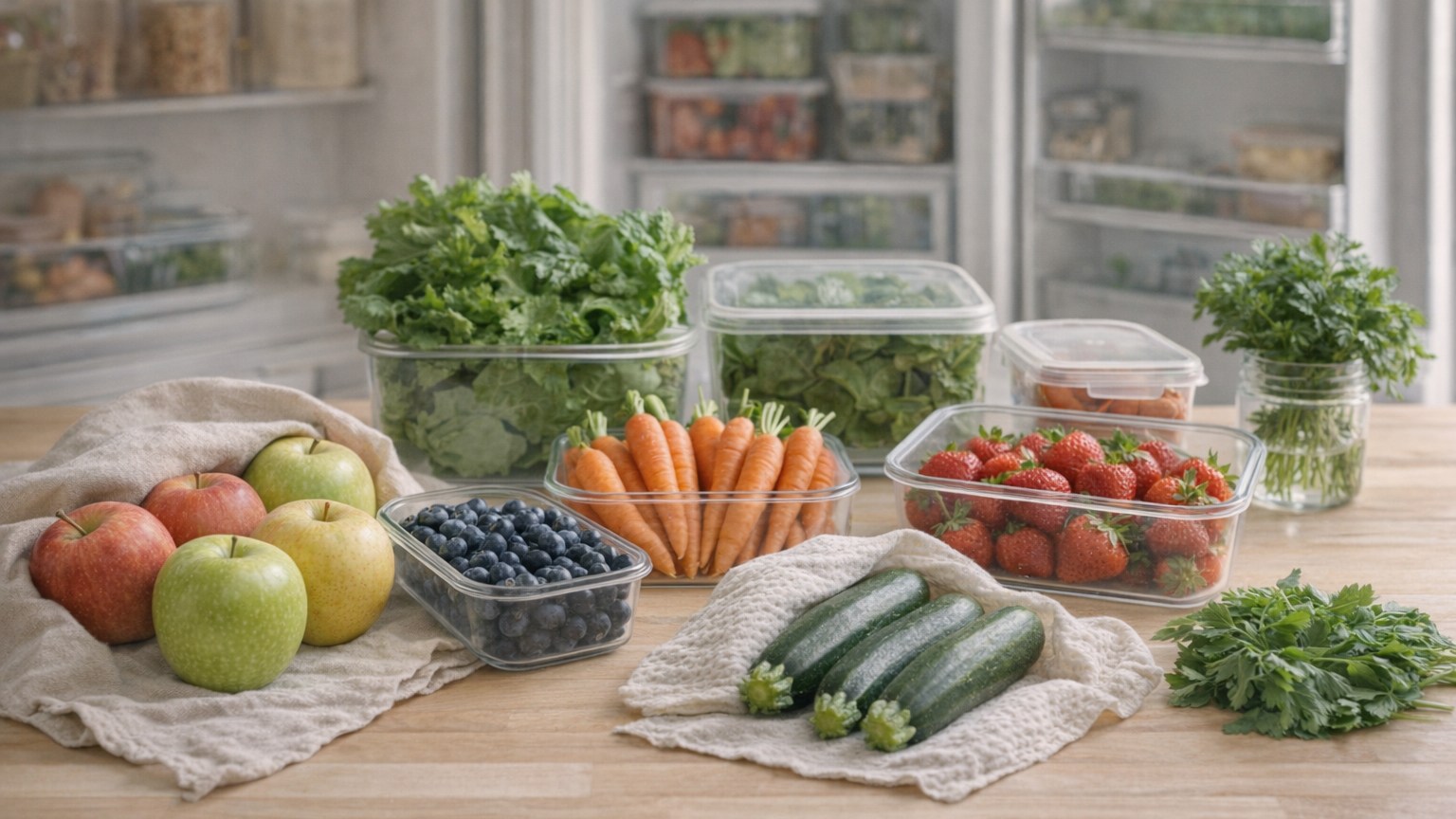
How to make fresh produce last all week
Most produce spoilage comes down to a handful of avoidable mistakes. These storage habits will get you through a full week of fresh vegetables and fruit with far less waste.
-
 Collective
Produce Storage & Use Guide
Local produce spoils because people store it like supermarket produce. Four storage rules cover 80% of what you'll buy. Here they are.
-
Recipe
Spinach and egg breakfast skillet
A fast skillet meal for mornings, lunches, or light dinners — fresh spinach wilted in a pan with eggs cracked right into it, ready in under 15 minutes.
-
Guide
Spring farmers market favorites you can also buy online
Many of the best things you find at a spring farmers market are also available through local farm online shops — without the early-morning trip or weather uncertainty.
-
 Produce
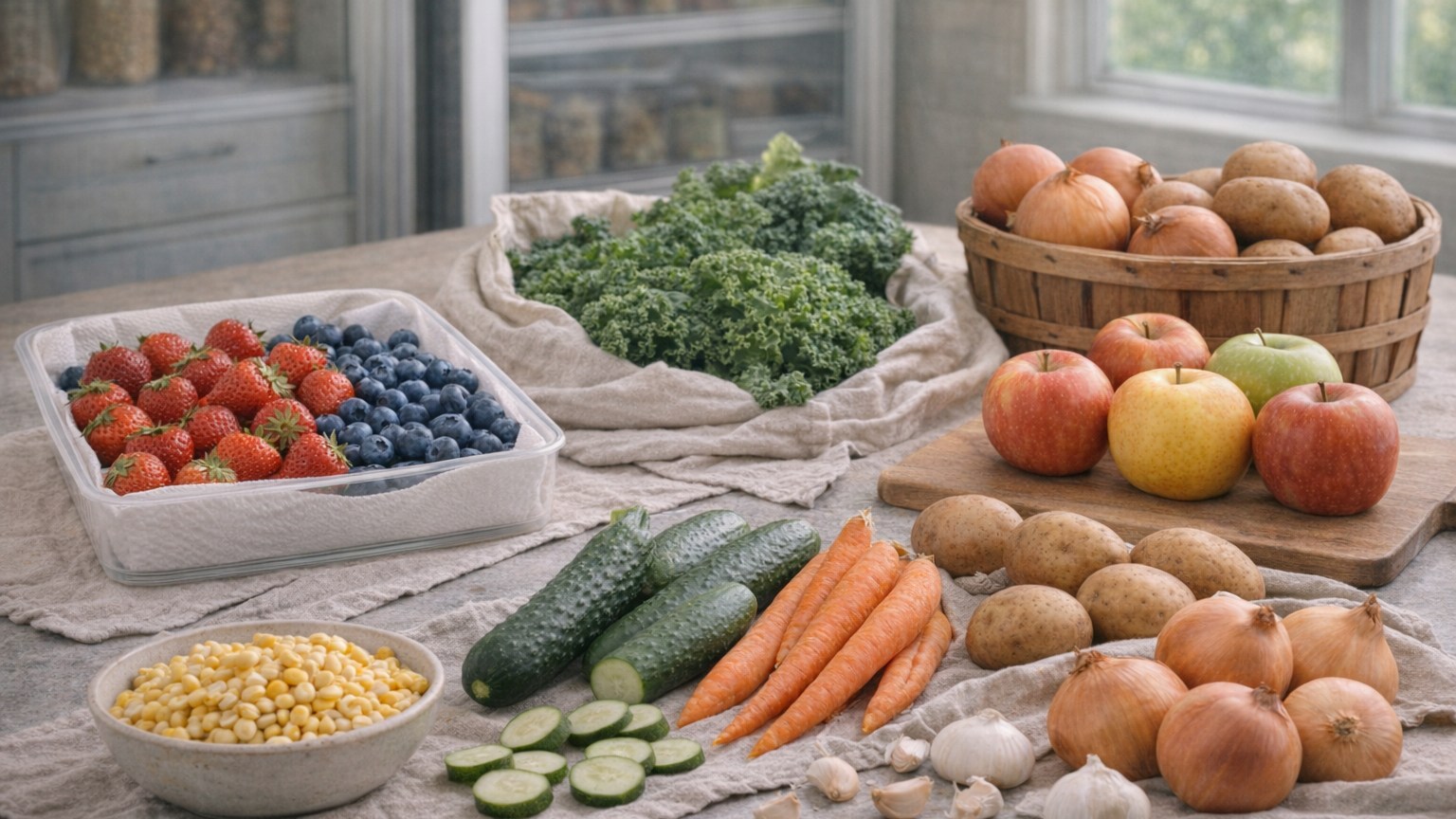
What's the Shelf Life of Farm-Fresh Produce?
Farm-fresh produce and grocery store produce have different shelf lives — sometimes longer, sometimes shorter. Here's what to expect for common crops and how to extend it.
-
Guide
Getting Started with Backyard Growing
Whether you have a sprawling yard or a small patio, you can start growing your own fresh food today. This beginner's guide walks you through everything you need to know.
-
 Collective
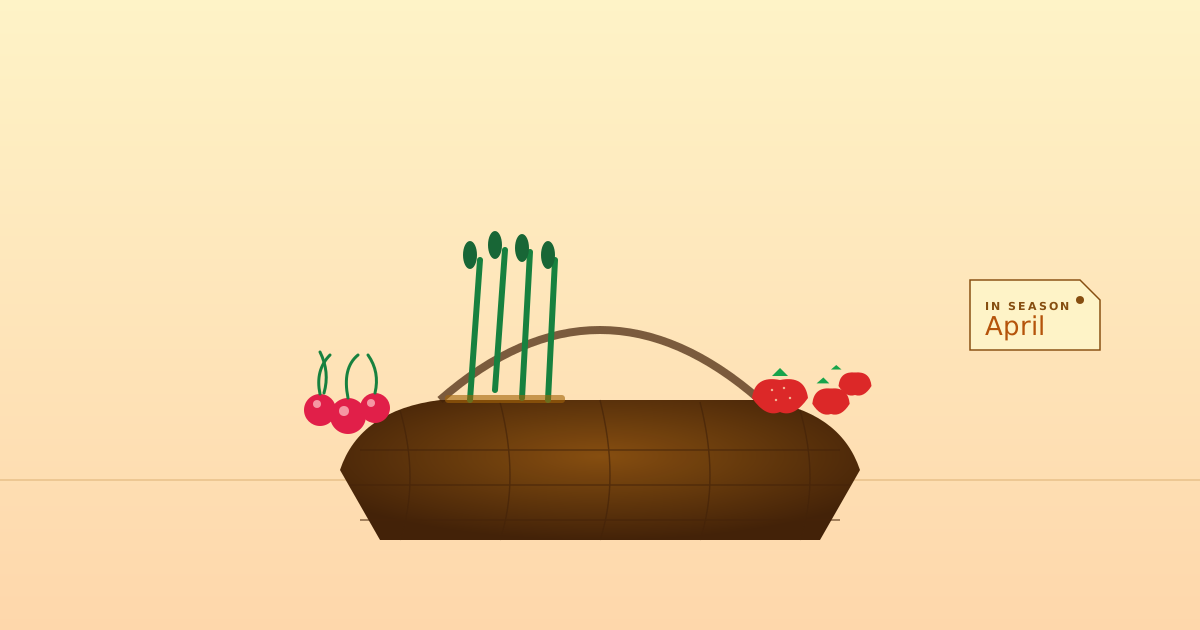
The Spring Local Buying Guide
What's actually worth buying local this spring — and what's not ready yet no matter what the sign says. A member's guide to eating well from April through early June.
-
Guide
Is Local Food Better for the Environment?
Local food has strong environmental credentials — but not for the reasons most people assume. The full picture is more nuanced than "fewer food miles equals greener food."
-
Recipe
Basic garden salad
A reliable way to turn mixed seasonal produce into a meal-ready bowl — structured around contrast: something crisp, something juicy, something flavorful, and a light dressing.
-
Guide
Buying Local Produce vs Growing Your Own — Cost, Time, and Yield
Growing your own food is rewarding and can be cost-effective for specific crops. But for most households, a combination of home growing and buying local delivers the best outcomes on cost, variety, and effort.
-
Guide
First-Time Buyer Questions About Local Food, Answered
If you've thought about buying from local farms but have hesitations or unanswered questions, this post is for you. We tackle the most common concerns head-on.
-
Guide
How to keep supporting local producers year-round
Many buyers are active in summer and fall but drift away in winter. Here is how to maintain that connection to local farms through every season, not just the abundant ones.
-
 Produce
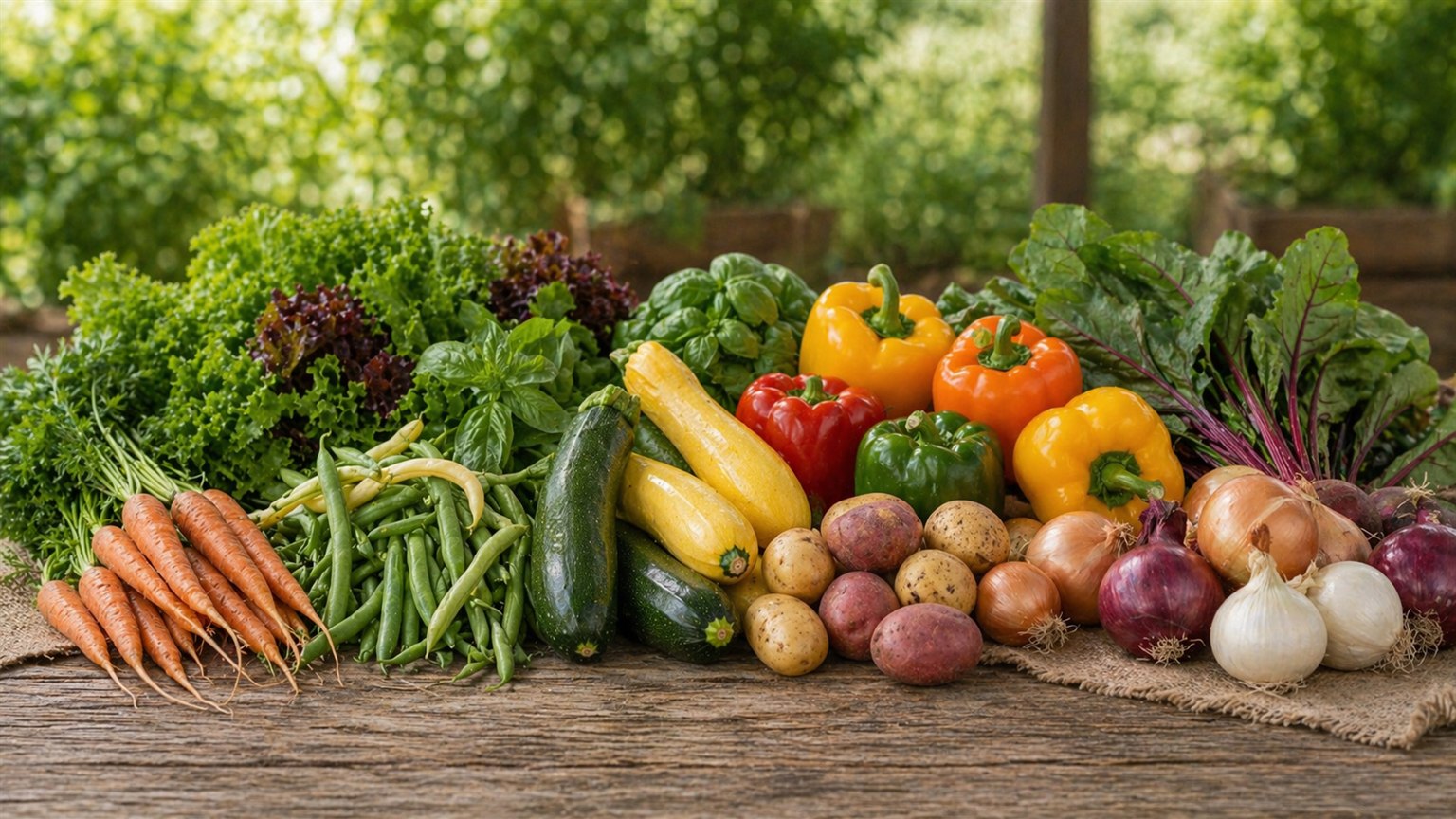
Mixed Seasonal Vegetables
Cooking with whatever is in season locally — rather than building a recipe and then hunting for ingredients — is how home cooks ate for most of human history. It is also how you get the best-tasting food for the least…
-
Guide
Seasonal eating vs year-round grocery shopping
Eating seasonally and shopping year-round at a grocery store are two different ways to approach food. Each has real trade-offs worth understanding before you decide how to shop.
-
Guide
Spring Produce Guide — Ramps, Asparagus, Strawberries, and More
Spring brings some of the most prized and fleeting produce of the year. Here's what to look for, when to find it, and how to make the most of the short window each crop is available.
-
Guide
The Hidden Cost of Long Food Supply Chains
The price on the grocery store shelf doesn't tell the whole story. Long food supply chains carry real costs — to nutrition, the environment, local economies, and resilience — that simply don't show up at checkout.
-
Guide
What seasonal eating looks like in winter
Winter seasonal eating is not about deprivation — it is a distinct approach to food built around storage crops, proteins, preserved goods, and the slow cooking that cold weather suits.
-
Guide
Why seasonal eating can be a more sustainable choice
Eating seasonally aligns your food choices with what the land around you naturally produces, which can reduce energy use and food miles — though the real story has more nuance than simple slogans suggest.
-
Guide
Why seasonal eating makes sense
Eating seasonally isn't about following a food trend — it's a practical way to get better flavor, lower prices, and more variety over the course of a year.
-
Guide
Why small farms sometimes sell out quickly
Running out of stock is not a sign something went wrong — it is a natural result of how small farms produce food. Understanding why it happens helps buyers plan better and stay connected to the farms they rely on.
-
 Collective
Spring Opportunities — what buyers want this season
Demand signals from local food buyers in April–June 2026. What categories will move, what pricing windows exist, and which opportunities to commit to this season.
-
 Collective
The Local Food Budget Planner
Local food isn't more expensive — if you plan around categories instead of items. The planner that makes the math actually work for a household.
-
 Produce
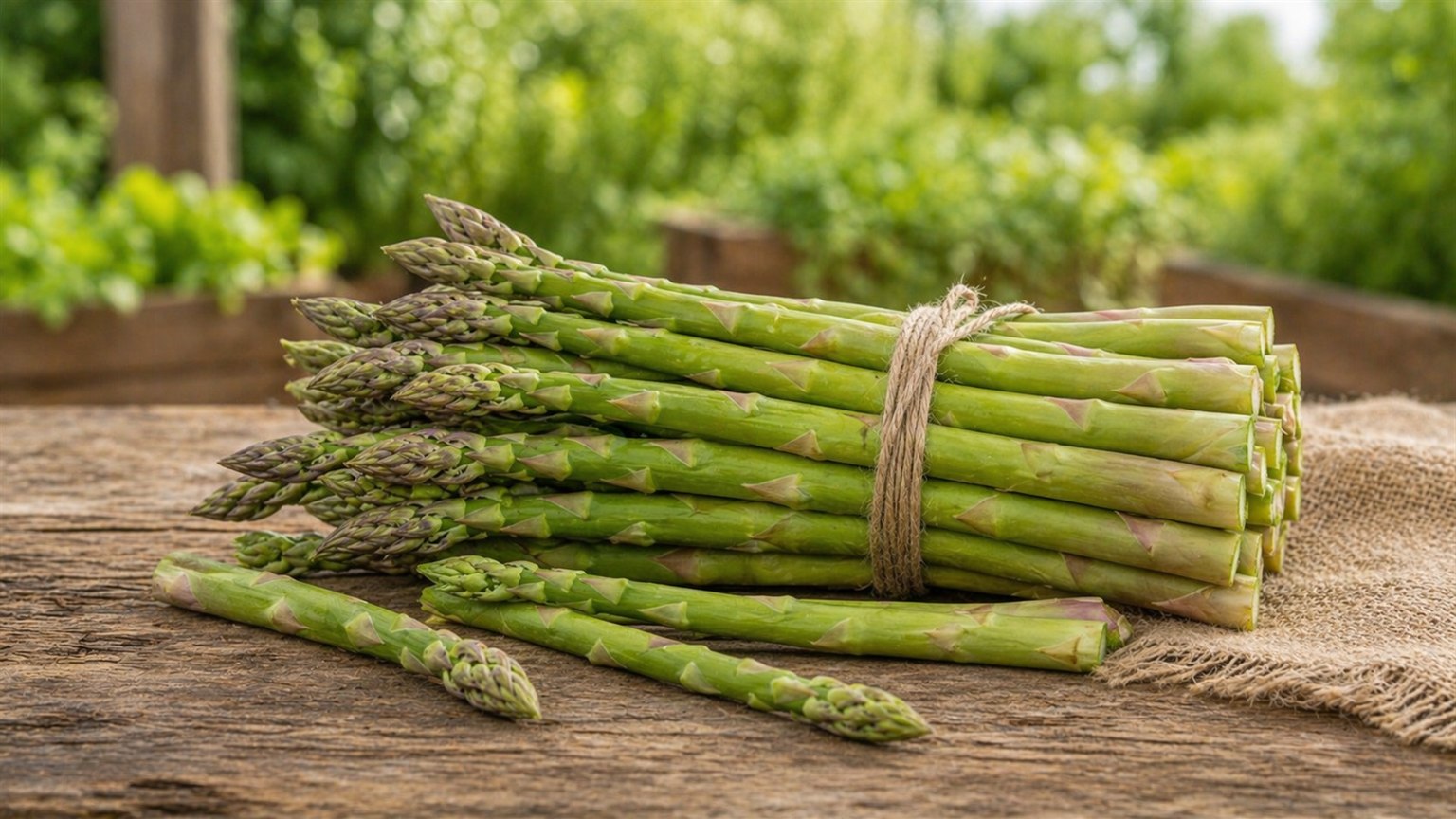
Asparagus
Asparagus is one of the first serious vegetables of spring: quick-cooking, delicate, and best when it is handled simply. The main skill is knowing how to choose fresh spears and stop cooking before they go soft.
-
 Produce
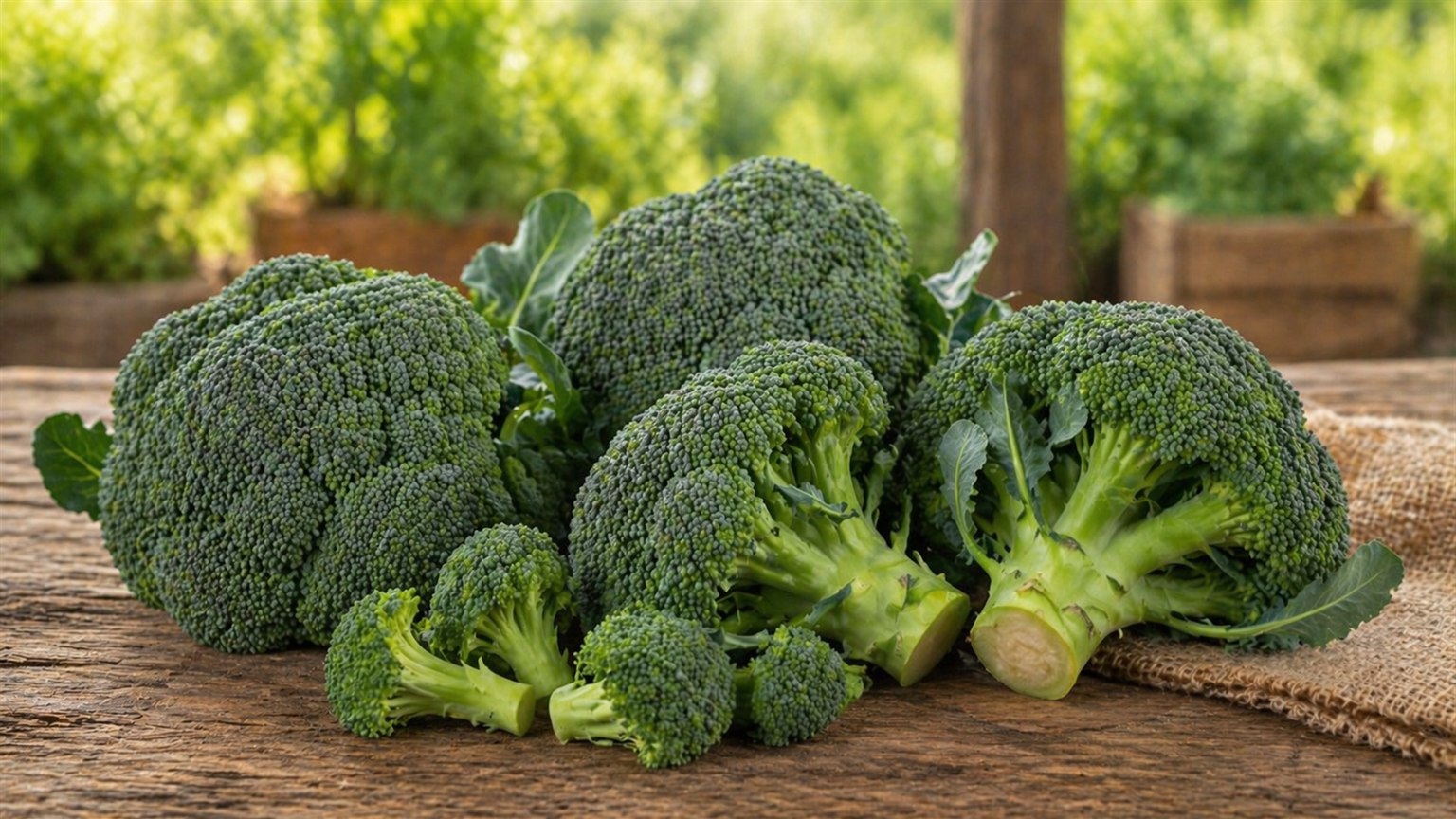
Broccoli
Broccoli is a cool-season vegetable that becomes much better when it is cooked with enough heat, salt, and intention. The florets, stems, and leaves are all useful if you know how to handle them.
-
 Produce
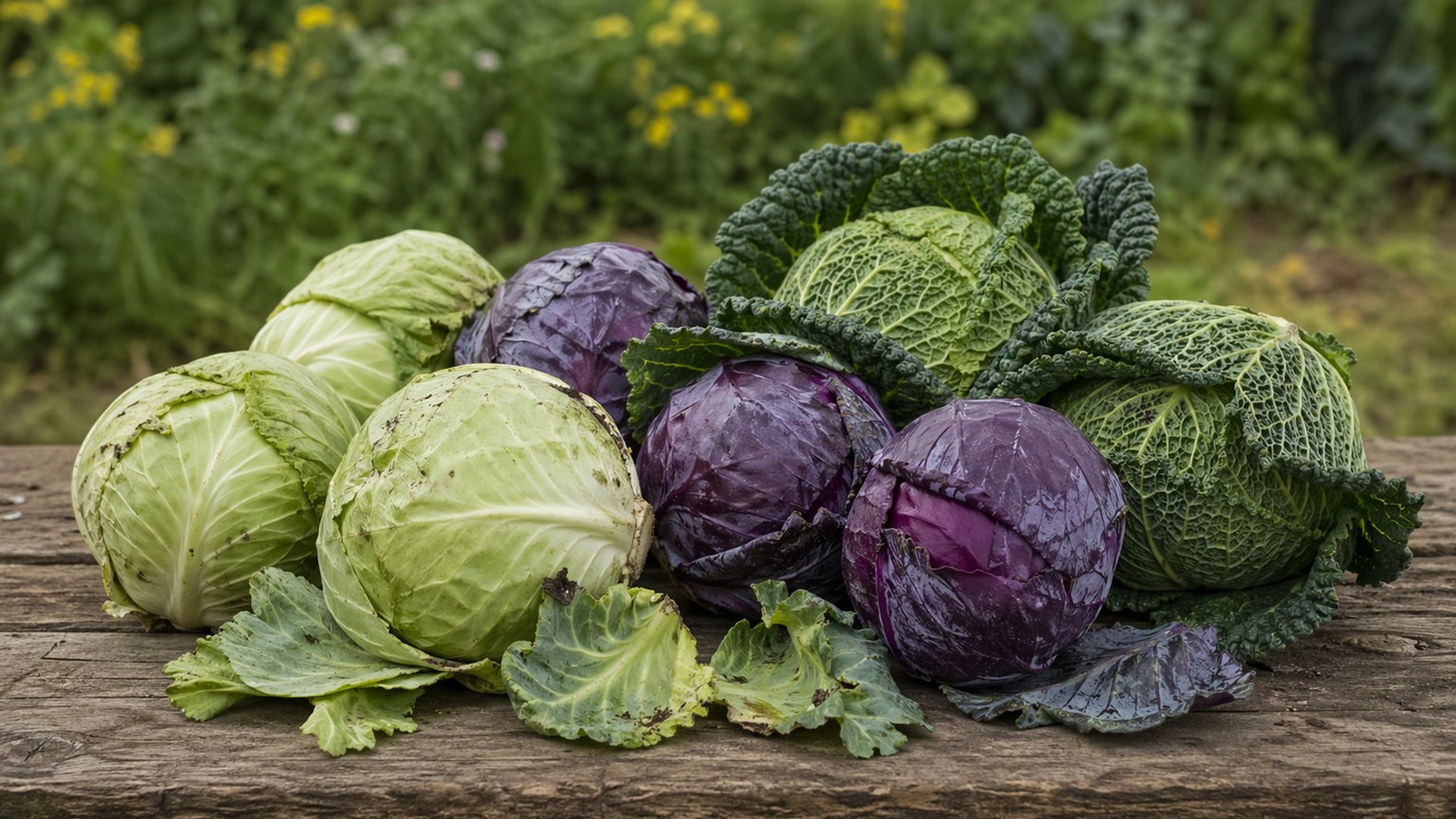
Cabbage
Cabbage is one of the most useful local vegetables because it is affordable, sturdy, and flexible. It can be eaten raw, sauteed, roasted, braised, or fermented.
-
Guide
A Beginner's Guide to Buying From Local Farms Online
Shopping directly from local farms and growers is easier than ever — but it can feel unfamiliar at first. Here's everything you need to know to get started confidently.
-
Guide
A beginner's guide to spring CSA and farm orders
Spring is when most CSA programs open enrollment and local farms start taking direct orders. Here is what you need to know before signing up.
-
Guide
A Day in the Life of a Small Farm Producer
Small farm life looks nothing like most people imagine. Understanding what a producer's day actually involves helps buyers appreciate what goes into every product they order.
-
Guide
A week of family dinners built from local food
Planning a full week of family dinners around local ingredients is easier than it sounds. This guide walks through a practical approach to building satisfying meals from what small farms have available.
-
 Produce
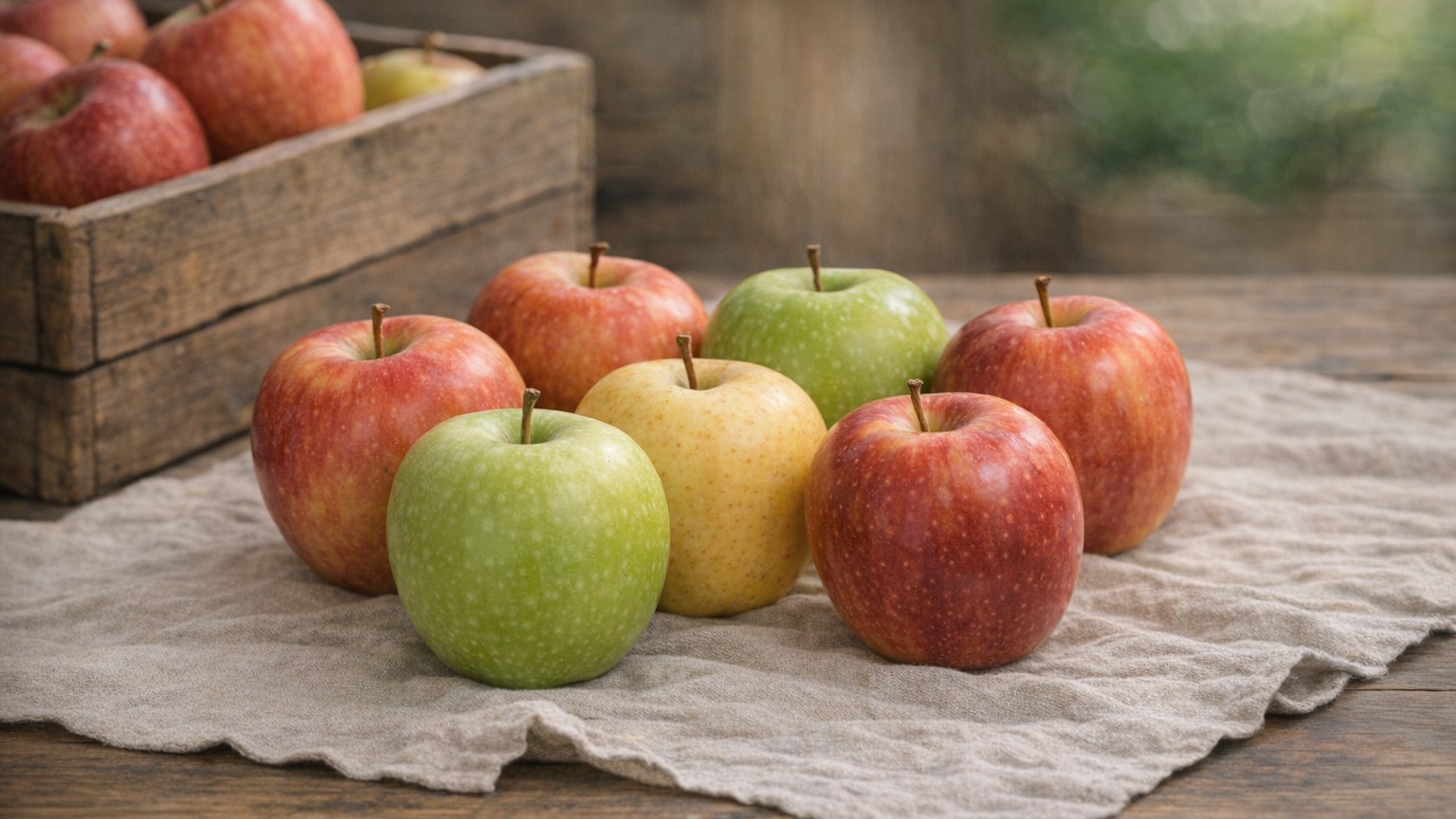
Apples
Apples are one of the most versatile produce staples — available from late summer through spring storage, with variety differences that actually matter for how you cook with them.
-
 Produce
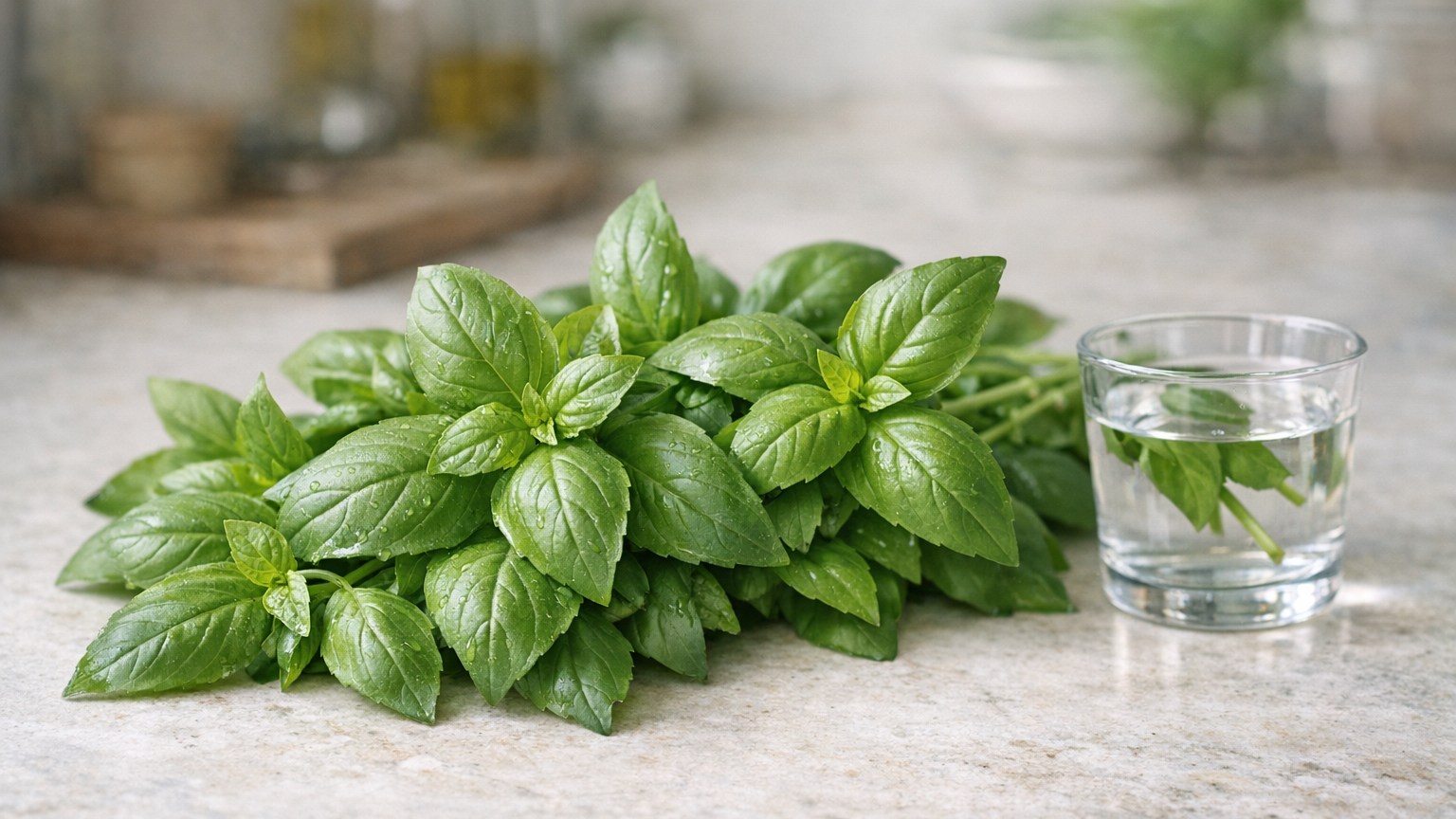
Basil
Basil is the signature summer herb — bright, aromatic, and versatile. Growing it at home is the easiest way to have a good herb on hand, but local farm basil at a farm stand beats supermarket plastic-pack herbs by a…
-
Guide
Behind the Harvest: The Hidden Work That Brings Local Food to Your Door
Harvest is only the beginning of a complex final sprint on a small farm. Understanding what happens between picking and delivery reveals how much care goes into every local food order.
-
Guide
Best fall vegetables for roasting, soups, and meal prep
Fall vegetables are built for the way most people actually cook — roasting, simmering in soups, and prepping ahead. Here's which ones work best for each method and why.
-
Guide
Best foods to freeze, store, or preserve in fall
Fall is the best window to build a winter food supply from local farms. Some crops need nothing more than a cool shelf; others freeze or ferment beautifully with minimal effort.
-
Guide
Best local foods for Thanksgiving
Thanksgiving is one of the best occasions of the year to lean into local food. Here is what to look for from nearby farms and producers to make your table feel genuinely special.
-
Guide
Best Local Superfoods You've Never Heard Of — Ramps, Pawpaws, Nettles, and More
The most nutritious and flavorful wild and foraged foods in the eastern United States are rarely found in grocery stores — because they can't survive the supply chain. Here's what to look for and why these hyper-local…
-
Guide
Best pantry staples to pair with seasonal produce
A well-stocked pantry is the secret weapon that turns a farm box into a week of real meals. These are the staples that work with almost any seasonal produce, any time of year.
-
Guide
Best spring vegetables to buy locally
Not all spring vegetables are worth seeking out from a local farm — but some are dramatically better when grown nearby and harvested fresh. Here are the ones worth prioritizing this season.


