
Search
Recipes, produce guides, seasonal articles, and Collective briefings — one place.
60 results for "Kona coffee"
-
 Recipe
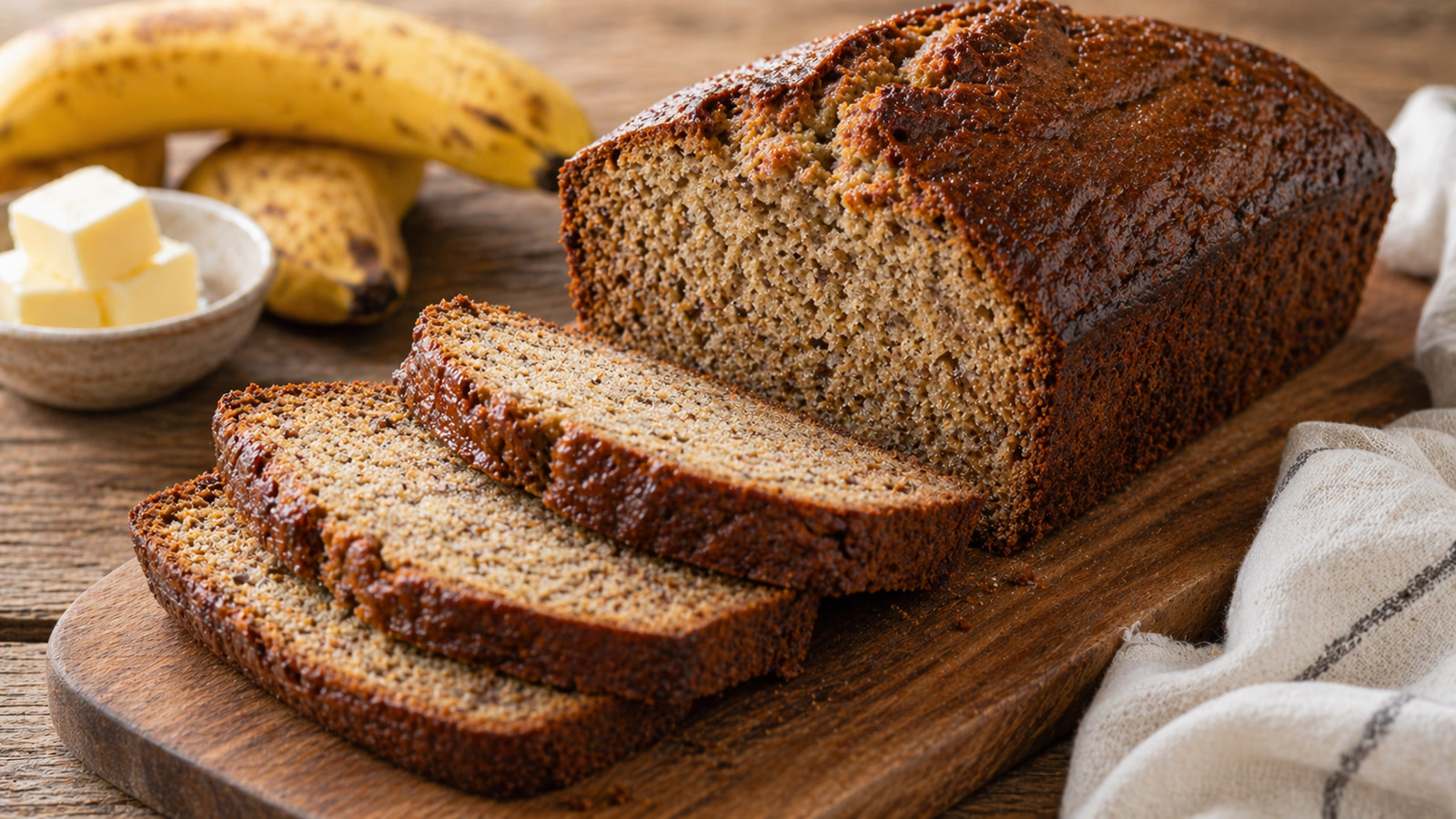
Easy banana bread
A moist, tender banana bread with deep brown-sugar flavor, a touch of cinnamon, and craggy tops — one bowl, no mixer, better than every coffee-shop loaf.
-
Guide
Local food on a budget: start with these five items
You do not need to buy all your food locally to benefit from it. These five categories offer the best combination of quality, value, and affordability when starting out with local food on a limited budget.
-
Guide
Delivery vs On-Farm Pickup — Which Is Better for Buying Local?
Both delivery and on-farm pickup get local food to your table, but they involve different trade-offs in cost, freshness, relationship-building, and convenience. Here's how to choose.
-
Guide
Buying Local Food for One Person vs a Family of Four
The economics and logistics of buying local food look very different depending on household size. Here's how to approach local food buying whether you're shopping for yourself or feeding a family.
-
Guide
The best local foods to stock up on in summer
Summer is the best time of year to buy in bulk, freeze, and preserve local food. Here are the items worth stocking up on and how to make them last.
-
Guide
The Hidden Cost of Long Food Supply Chains
The price on the grocery store shelf doesn't tell the whole story. Long food supply chains carry real costs — to nutrition, the environment, local economies, and resilience — that simply don't show up at checkout.
-
Guide
Understanding Food Labels — Organic, Non-GMO, Grass-Fed, Pasture-Raised, and Regenerative
Food labels can be genuinely informative or essentially meaningless — depending on who defines them and who enforces them. Here's exactly what each major label means, who certifies it, and how much it should influence…
-
Guide
How to buy local food on a budget
Buying local does not have to mean spending more. With a few practical shifts in what you buy, when you buy it, and how much you order at once, you can make local food work for almost any grocery budget.
-
Guide
The benefits of being a member on Collective Crop
Becoming a member on Collective Crop means more than creating an account. It means building ongoing relationships with local producers that result in better access, better prices, and a more reliable local food…
-
 Recipe
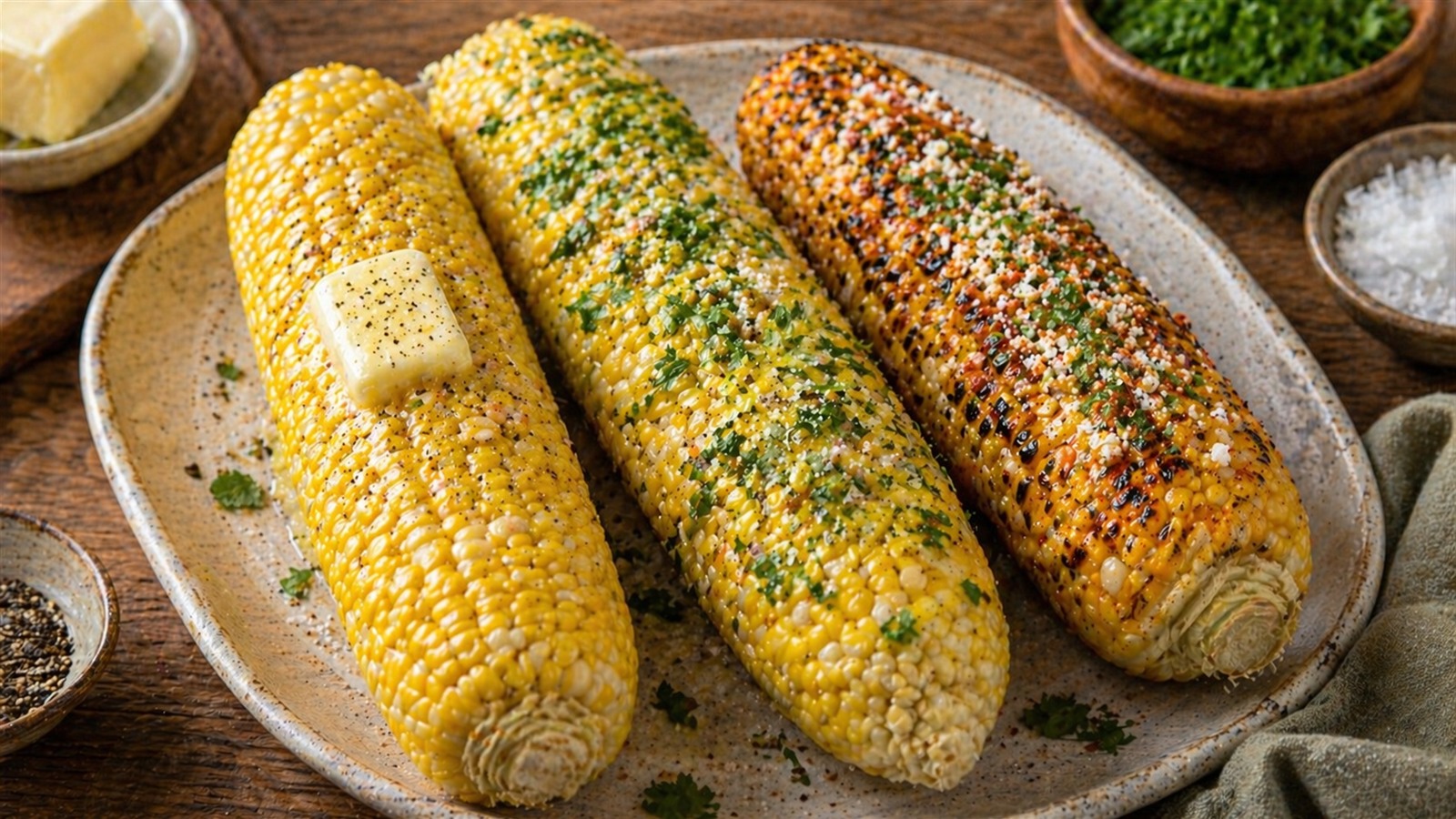
Corn on the cob (3 ways)
Three reliable methods — boiling, steaming, and grilling — for cooking fresh corn, each giving a slightly different result without requiring special equipment.
-
Guide
How to support small farms even on a budget
You do not need to overhaul your entire grocery budget to support local food. A few smart, consistent choices can make a real difference for small farms without straining your wallet.
-
Guide
How to turn one-time buyers into regular customers
Getting a buyer to order once is a good start. Getting them to come back is what builds a real business. Here's how producers can improve the odds of a second order and beyond.
-
Guide
CSA vs Buying à la Carte: Which Is Better for You?
CSA shares offer commitment and value. Buying à la carte gives you control. Which works better depends on how your household actually eats — not on which model sounds more appealing in theory.
-
Guide
Spring herbs to start cooking with right now
Fresh herbs are one of the best purchases you can make in spring — and local farms often offer them earlier and in better condition than grocery stores. Here is what to look for and how to use it all.
-
Guide
U-Pick Farms vs Pre-Picked Farm Stands — Which Is the Better Buy?
U-pick farms let you harvest your own produce at lower prices. Pre-picked farm stands offer the same freshness with less effort. Here's how the two compare on cost, quality, and experience — so you can decide what's…
-
Guide
Cow-Share vs Goat-Share vs Sheep-Share Dairy — What's the Difference?
Herd-share programs let you access fresh milk from dairy animals directly from a local farm. Cow, goat, and sheep shares each offer different flavor profiles, nutritional properties, and seasonal availability. Here's…
-
Guide
How local food can be part of a more thoughtful lifestyle
A more thoughtful approach to everyday life does not require dramatic overhauls. Choosing local food more often is one of the more tangible ways to align daily habits with deeper values around community, environment,…
-
 Recipe
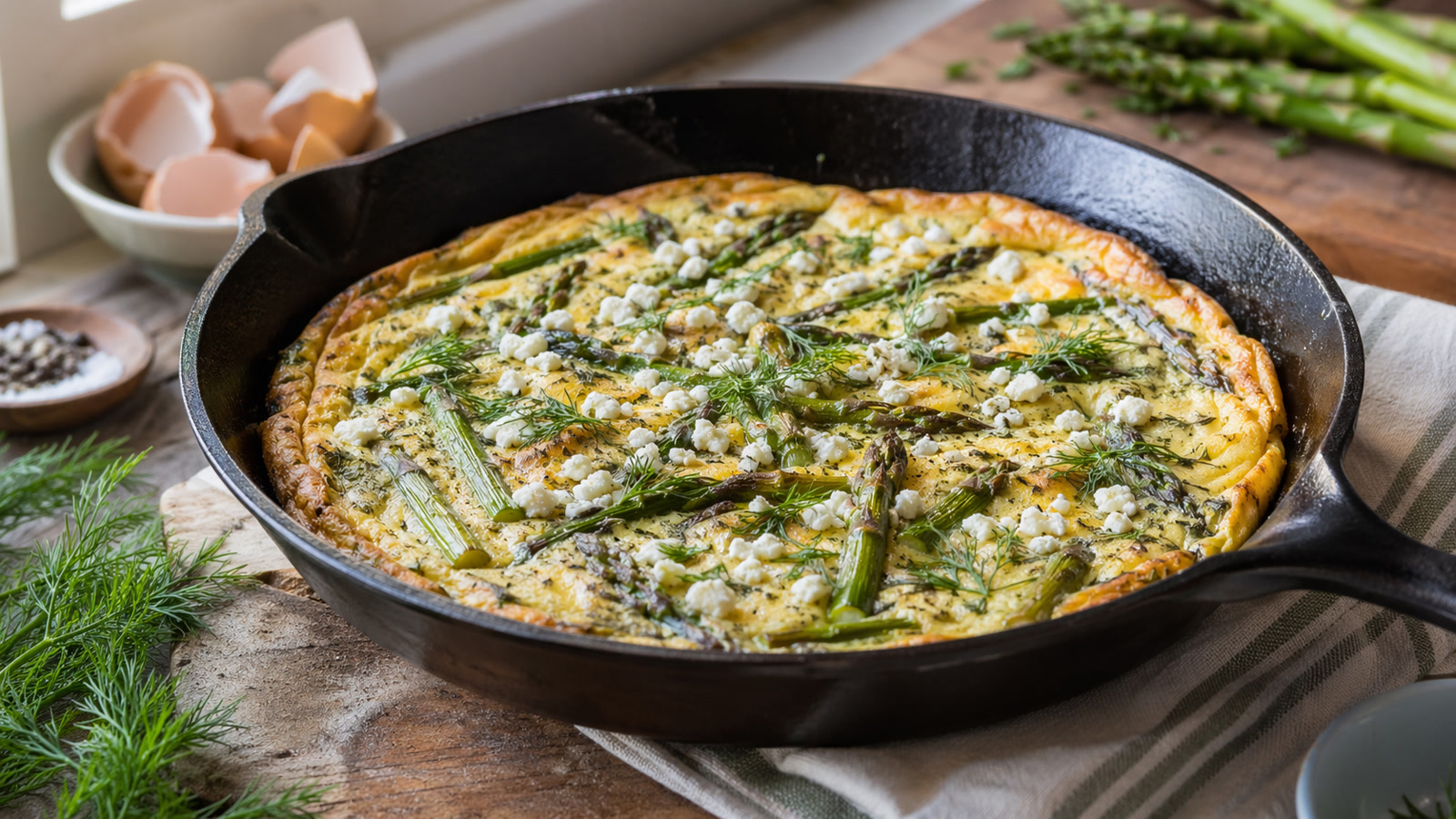
Asparagus frittata
An easy spring frittata with tender asparagus, feta, and herbs — a one-skillet dish that works for brunch, lunch, or dinner straight from the fridge.
-
 Recipe
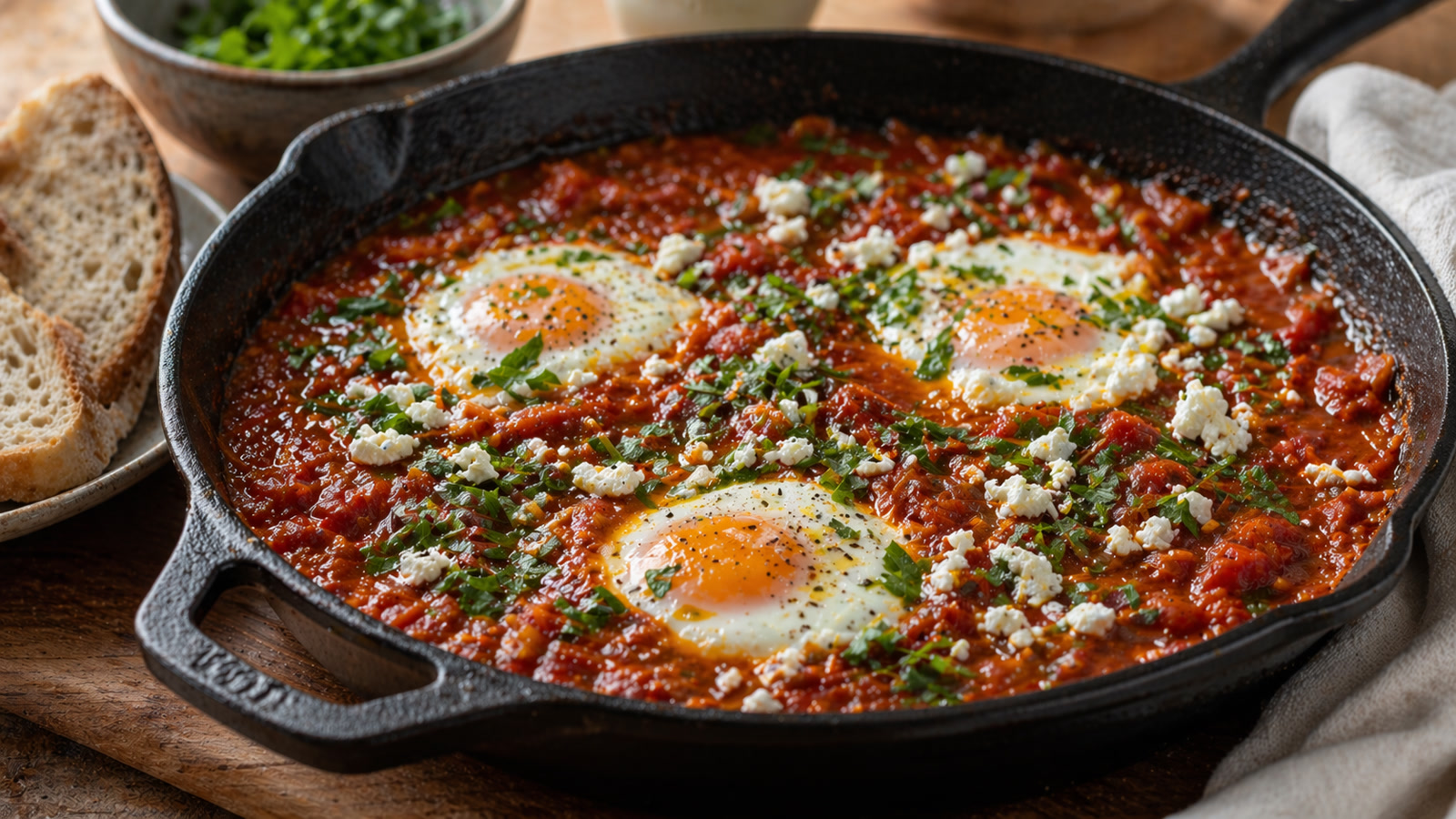
Classic shakshuka
Eggs poached in a spiced tomato-pepper stew with cumin, paprika, and fresh herbs — a one-skillet Middle Eastern breakfast that works for dinner, too.
-
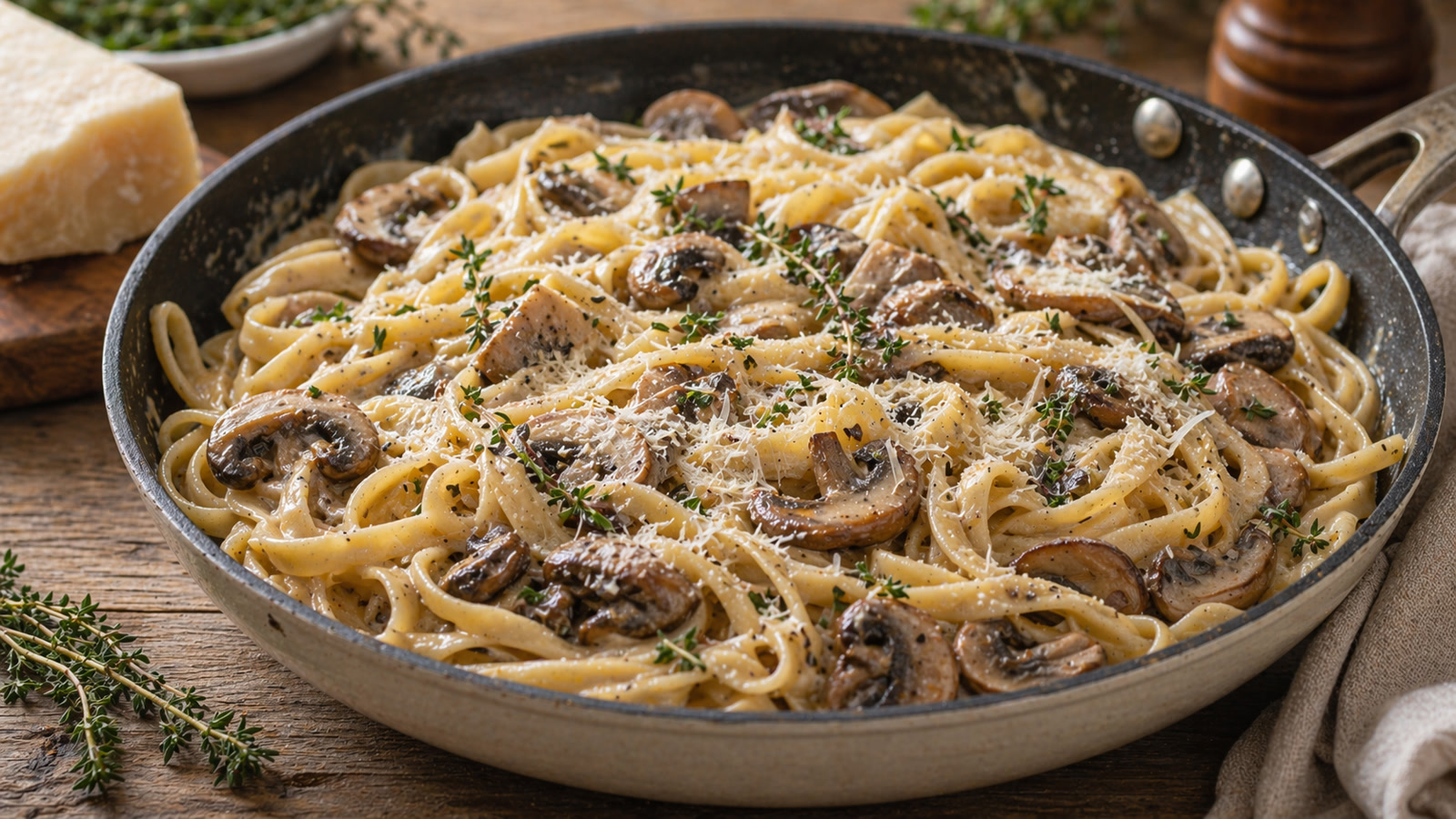 Recipe
Creamy mushroom pasta
A one-skillet weeknight pasta with deeply browned mushrooms, garlic, thyme, and a silky Parmesan cream — ready in under 30 minutes.
-
Guide
How local farms help build more resilient communities
Community resilience depends on more than emergency plans — it depends on whether the basics of life, including food, can be sourced nearby when things go wrong.
-
 Collective
The CSA Comparison Worksheet
CSAs are sold on vibes — pretty photos, feel-good mission statements. Here's the framework to pick one that actually fits your kitchen, and a printable worksheet to score three side by side.
-
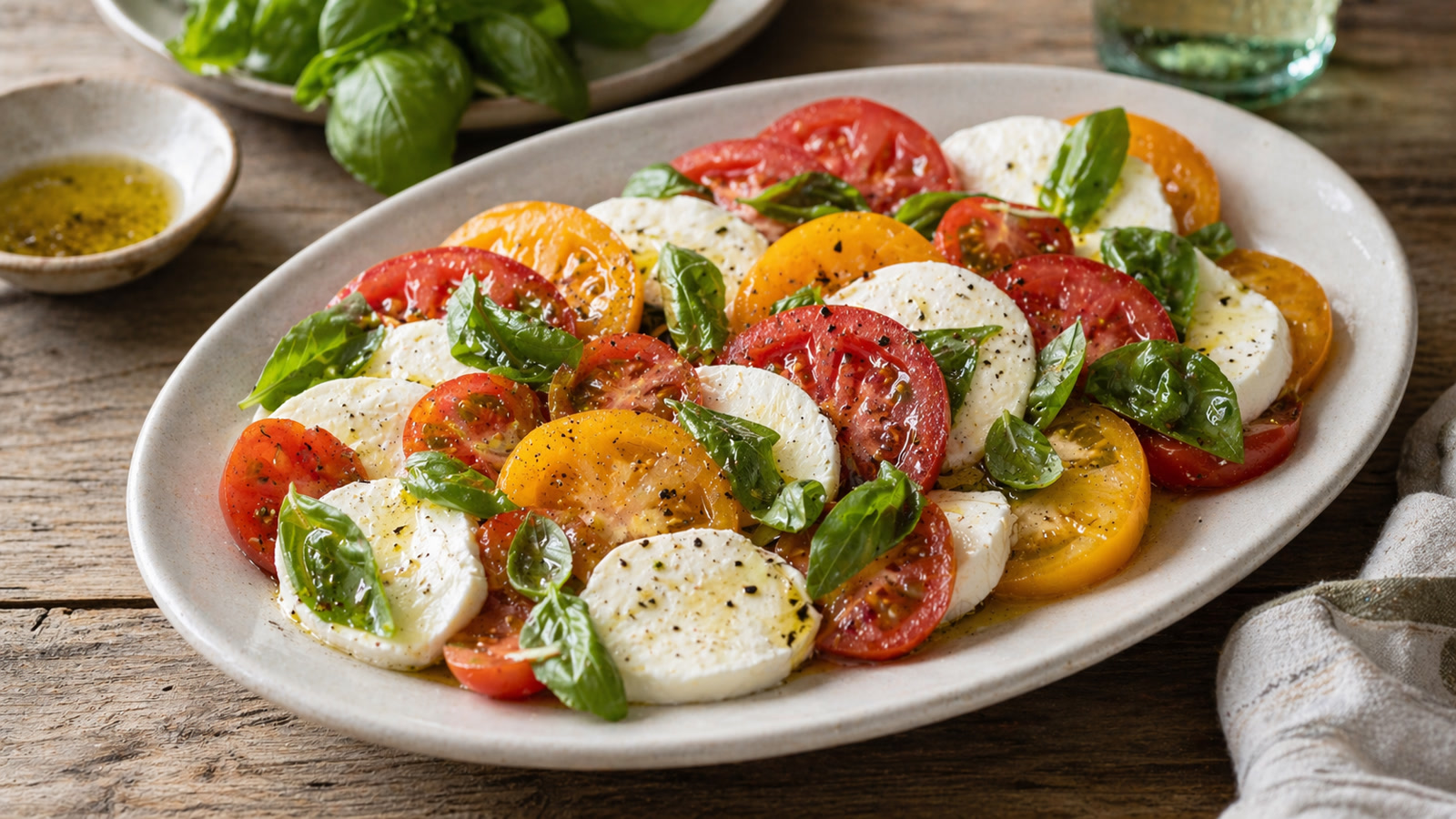 Recipe
Classic caprese salad
Ripe tomatoes, fresh mozzarella, and torn basil dressed with good olive oil and flaky salt — the summer salad that depends entirely on the produce.
-
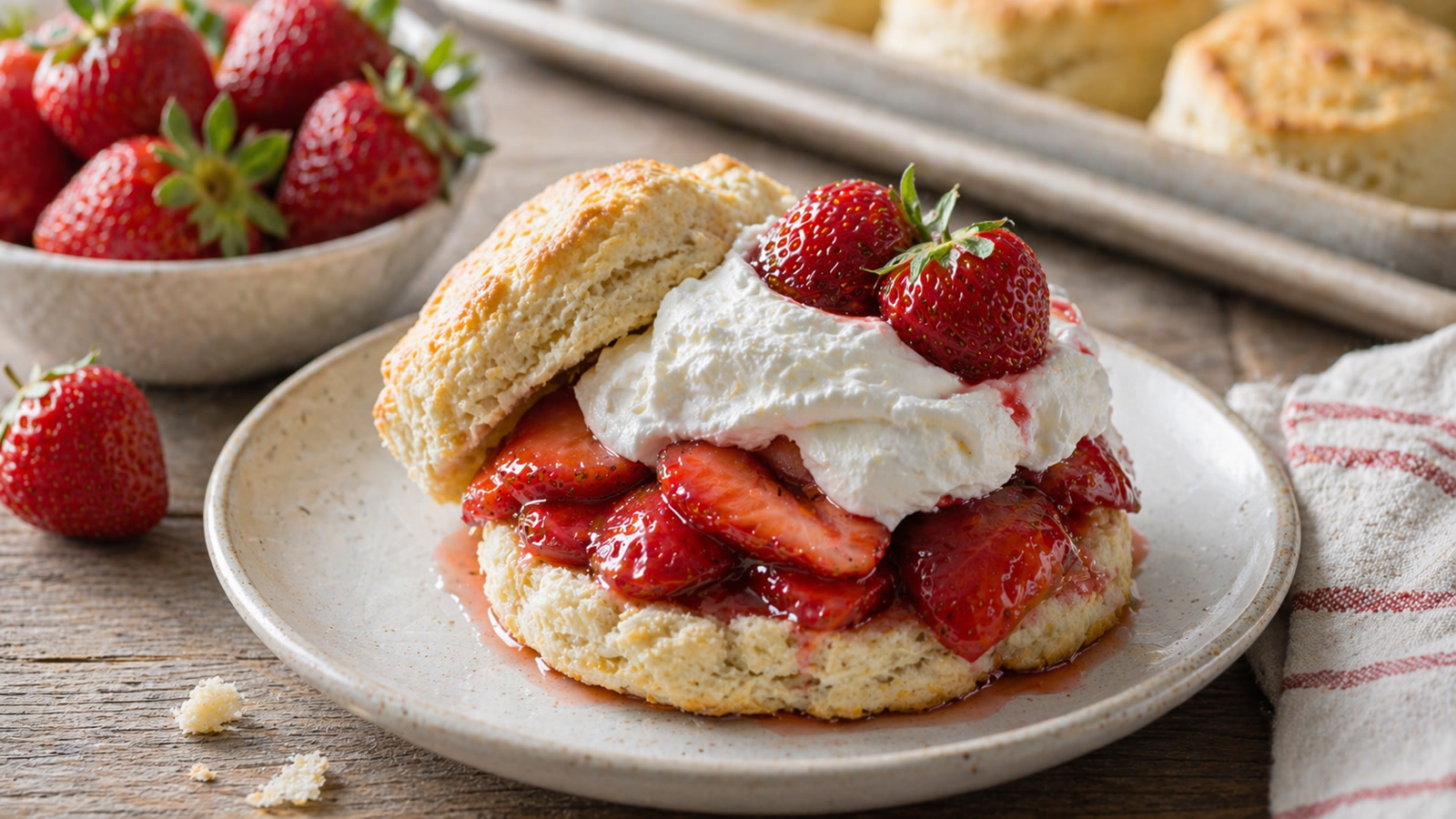 Recipe
Classic strawberry shortcake
Flaky buttermilk biscuits split and piled with macerated strawberries and fresh whipped cream — the old-fashioned spring dessert, done right.
-
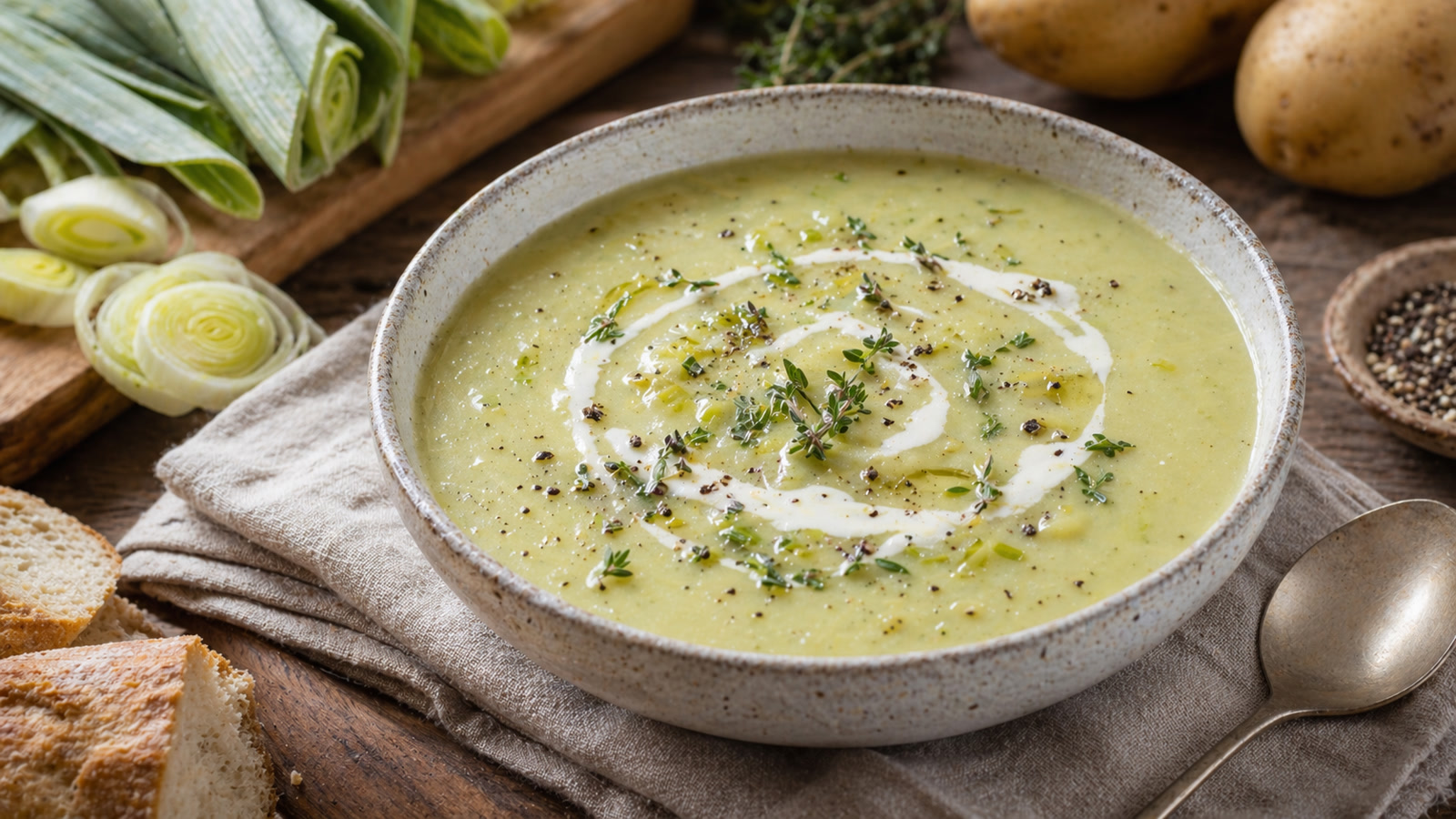 Recipe
Creamy leek and potato soup
A silky leek and potato soup with a splash of cream and fresh thyme — the comforting one-pot dinner that turns five ingredients into a meal.
-
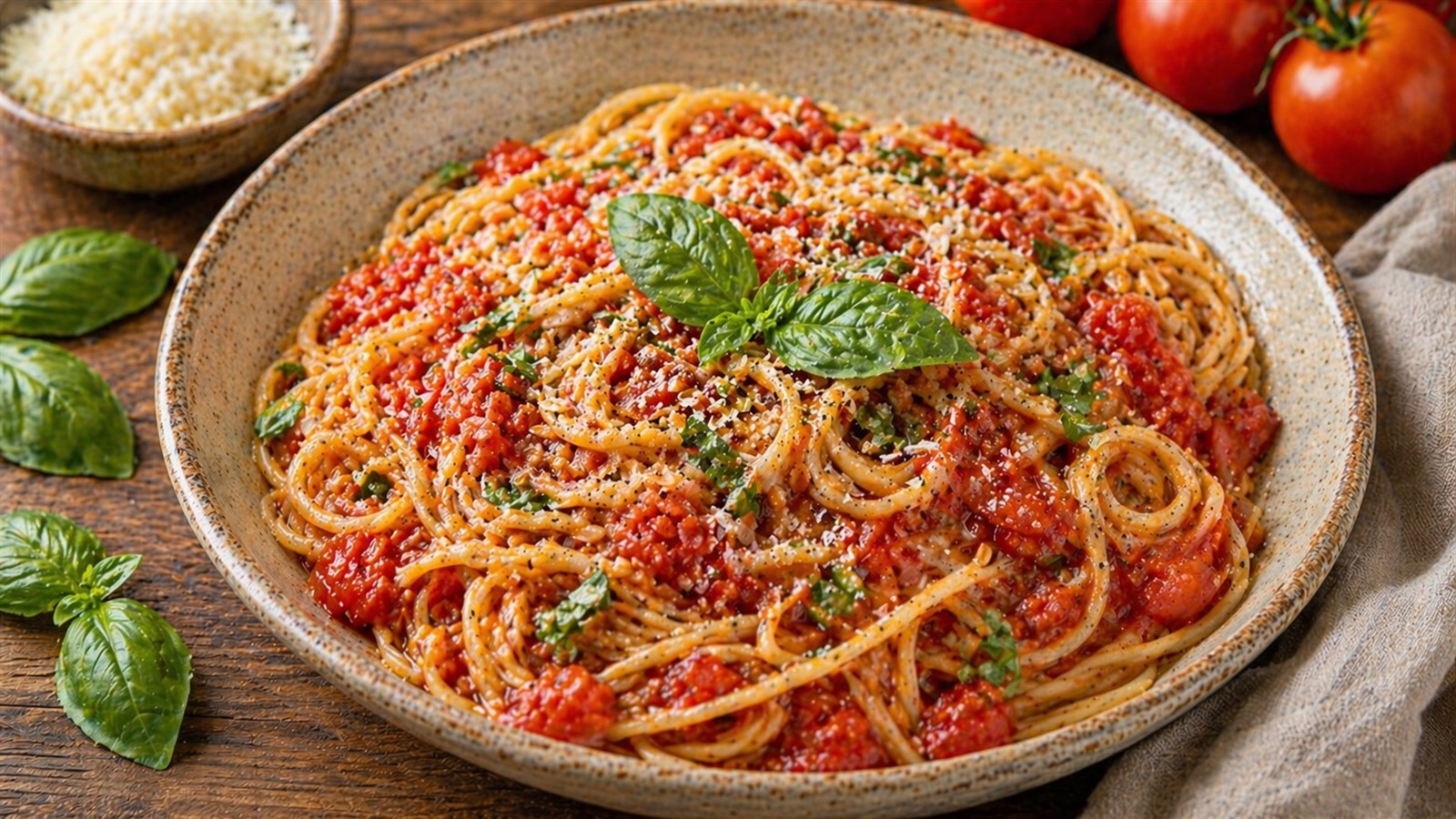 Recipe
Fresh tomato pasta
A quick pasta sauce made from ripe tomatoes cooked briefly in olive oil with garlic — one of the simplest ways to make peak tomato season taste worth the wait.
-
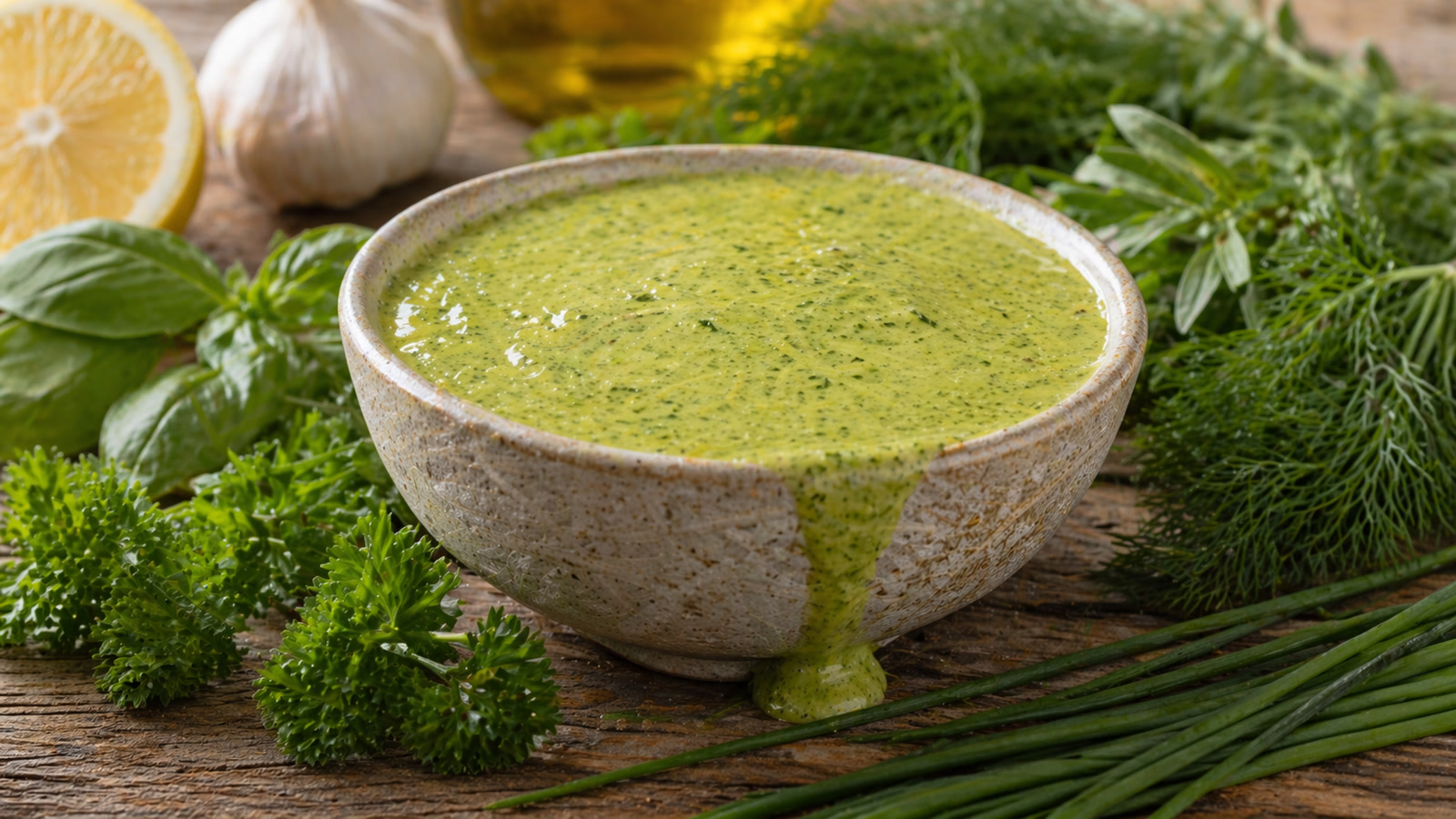 Recipe
Green goddess dressing
A vibrant green herb-packed dressing with anchovy, garlic, Greek yogurt, and a fistful of fresh herbs — spring in a blender, good on everything.
-
Guide
How Collective Crop makes local food easier to buy
Buying from local farms can feel scattered and confusing. Collective Crop brings producers and buyers together in one place so the whole experience is simpler from start to finish.
-
Guide
How direct farm relationships improve food quality
When restaurants and food businesses buy directly from farms, they gain more than just ingredients — they gain insight, consistency, and quality that grocery distributors rarely offer.
-
Guide
How local supply chains can reduce waste
Long food supply chains generate waste at almost every step. Shorter, more direct supply chains can help reduce that waste — though the picture is more nuanced than it first appears.
-
Guide
How Small Farm Producers Think About Quality
Quality means something specific on a small farm — and it is often very different from what the word signals on a grocery shelf. Understanding how producers define and pursue quality helps buyers know what they are…
-
Guide
How to create a local food gift basket
A gift basket built from local farm products is more personal, more interesting, and more meaningful than anything assembled from a retail store. Here is how to put one together well.
-
Guide
How to grow herbs at home
Growing herbs at home is one of the simplest ways to get more flavor into daily cooking because herbs do not need a huge garden to be worth it.
-
Guide
How to grow tomatoes at home
Growing tomatoes at home gets much easier when you focus on light, support, and steady watering instead of trying to master every tomato detail all at once.
-
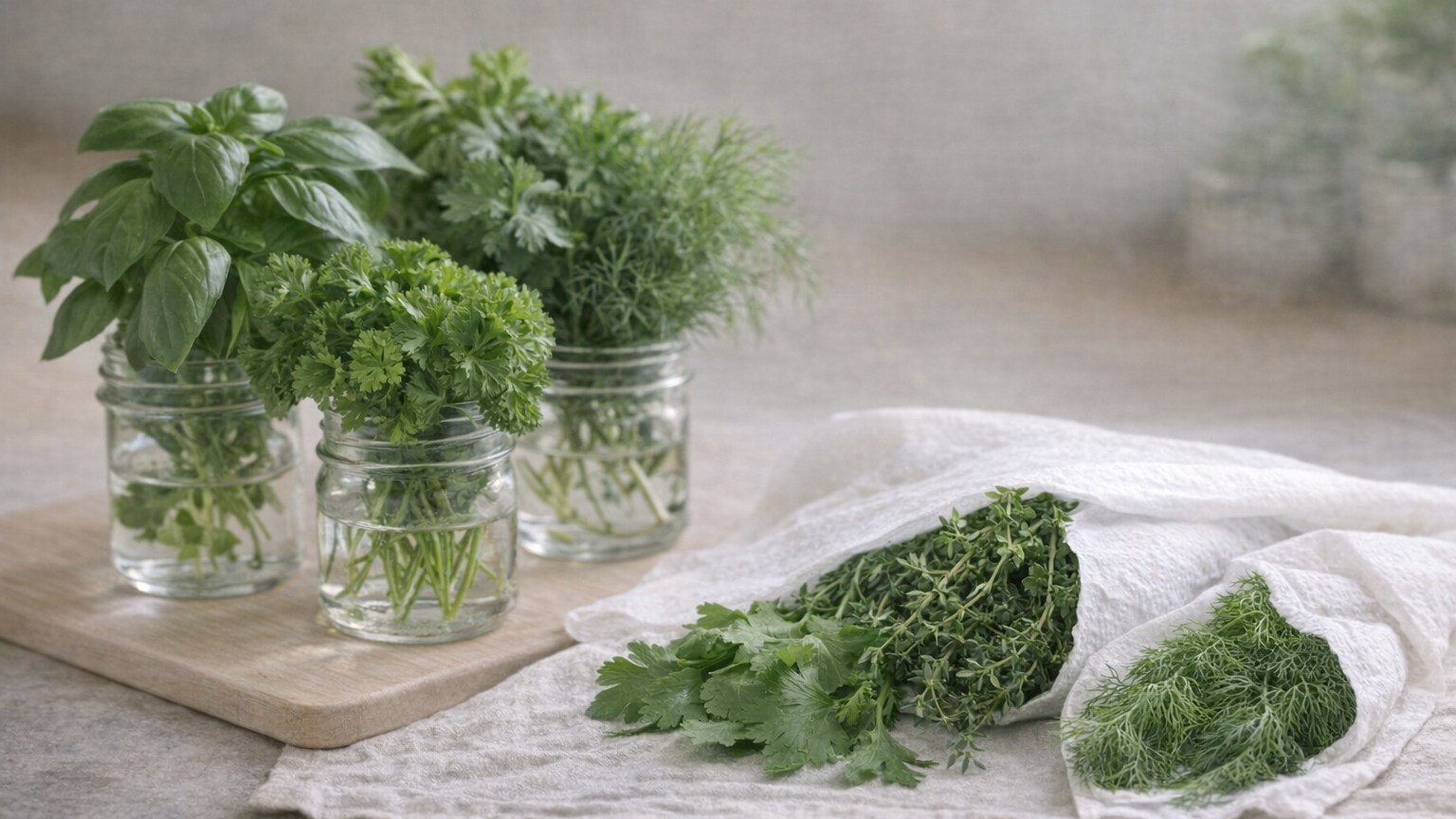 Produce
How to Keep Fresh Herbs From Going Bad Too Fast
Fresh herbs are one of the most wasted items in any kitchen. The right storage method depends on the type of herb — and getting it right means your basil, cilantro, and thyme last days longer than they otherwise would.
-
Guide
How to shop local through harvest season
Harvest season is one of the richest times to buy from local farms, but the crops and rhythms are different from summer. Here is how to shop it well.
-
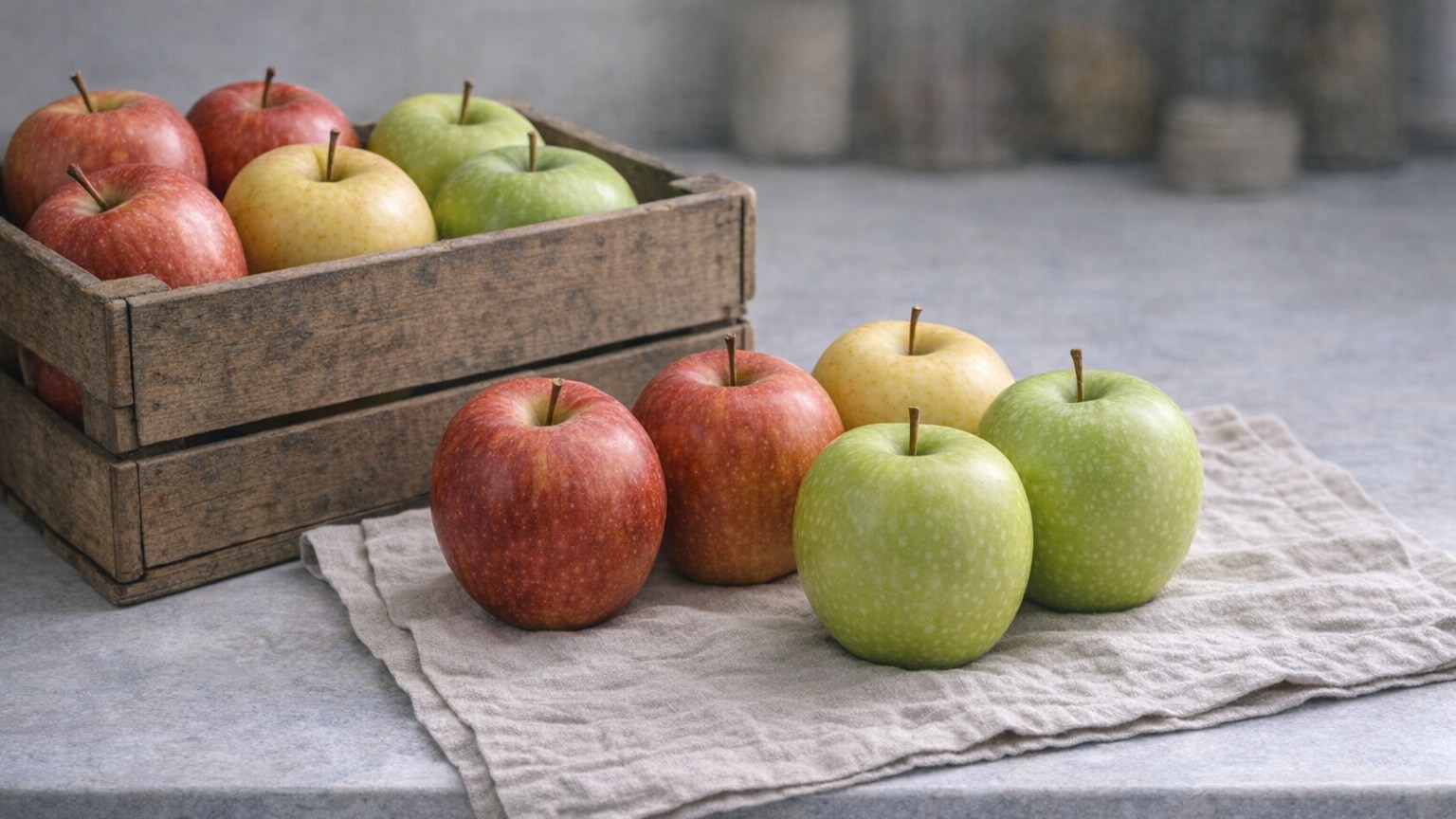 Produce
How to store apples
Apples keep best when they stay cool, dry, and separate from the produce most sensitive to ethylene. They are one of the easier fruits to stretch out if you store them deliberately.
-
 Produce
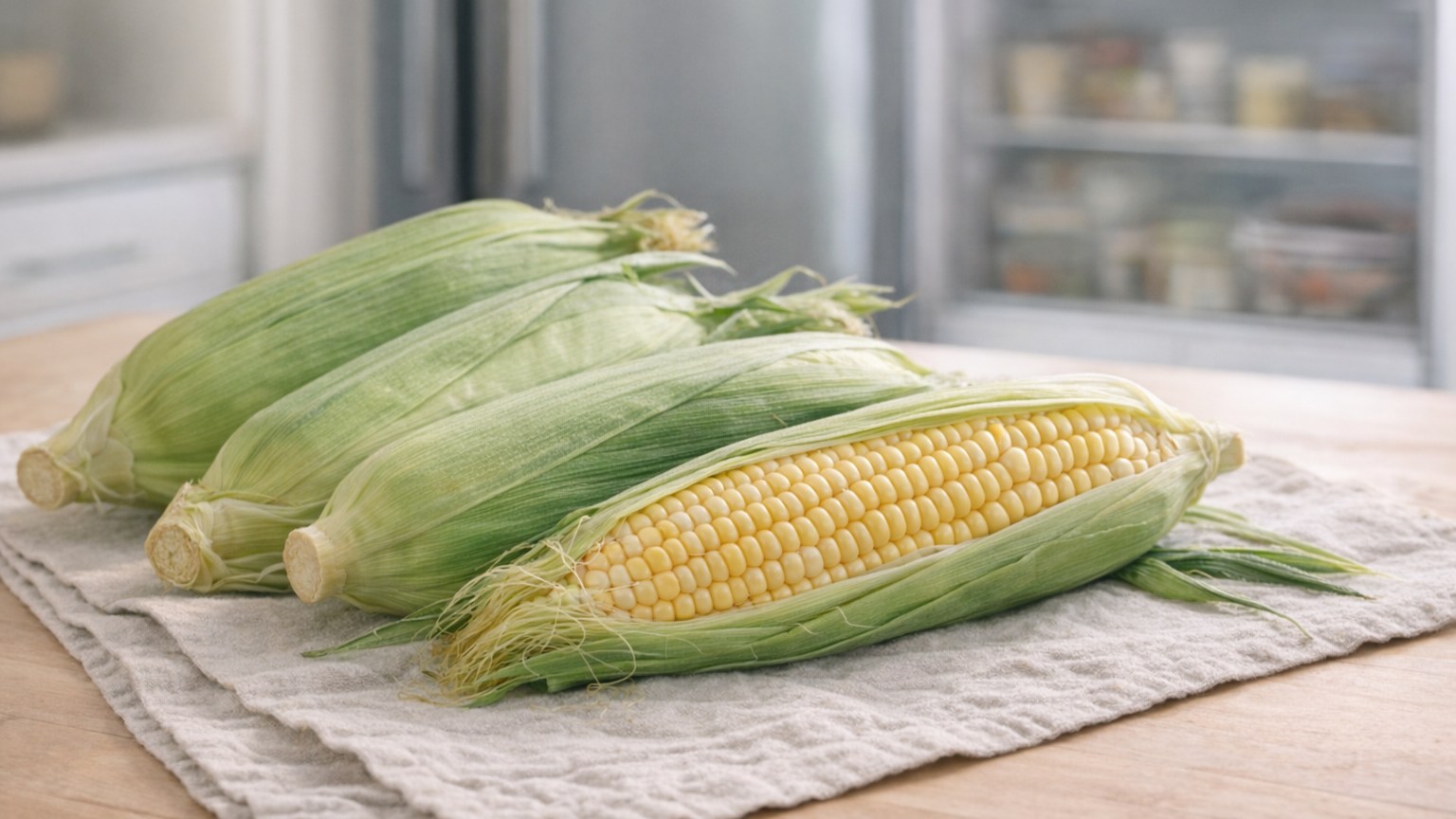
How to store fresh corn
Fresh corn is best when you treat it as a use-soon vegetable. Refrigeration helps, but the real secret is simply not waiting too long.
-
 Recipe
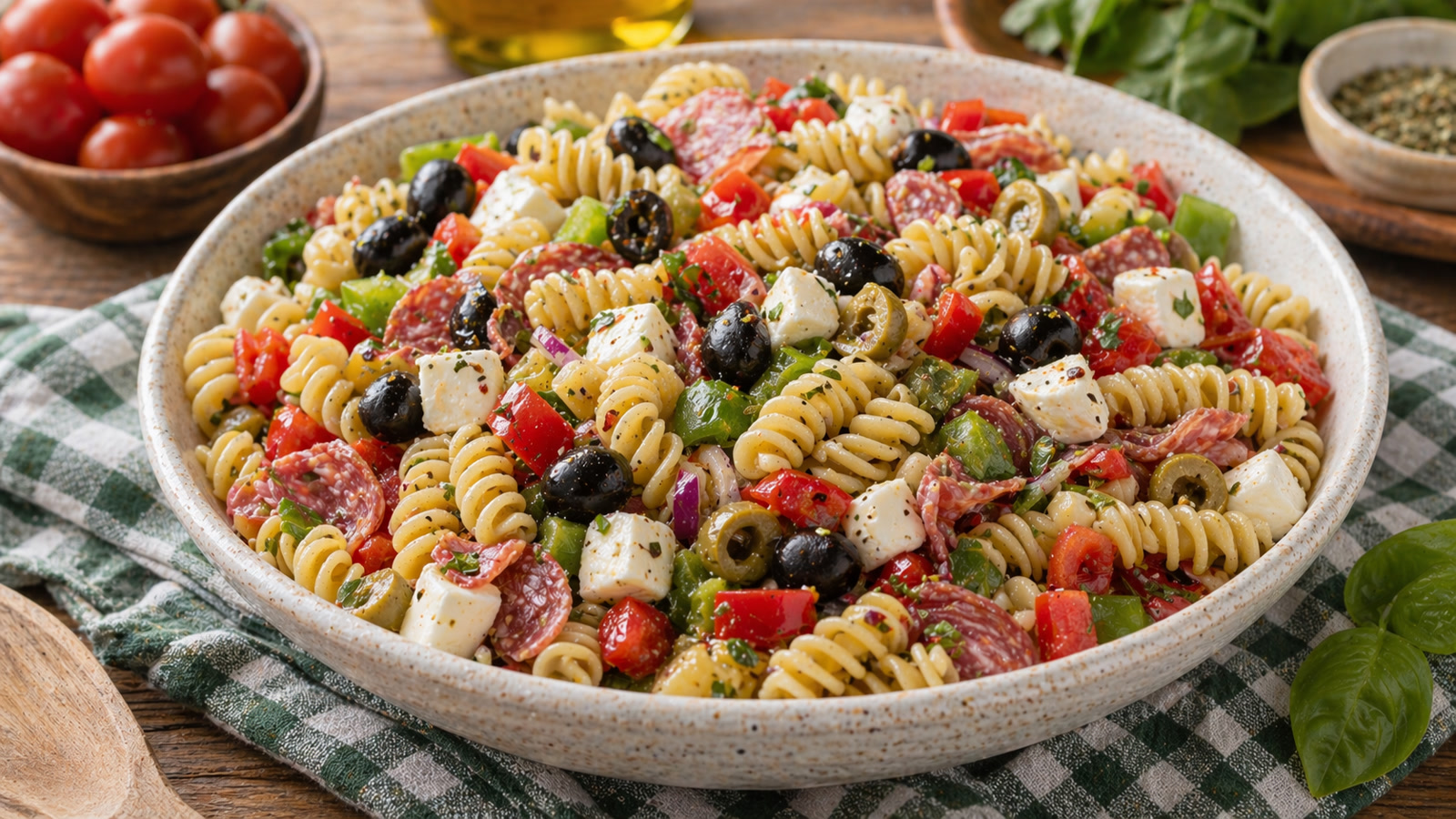
Italian pasta salad
A classic cold pasta salad with mozzarella, salami, olives, tomatoes, and a zesty Italian dressing — the BBQ and picnic staple that actually tastes better on day two.
-
 Recipe
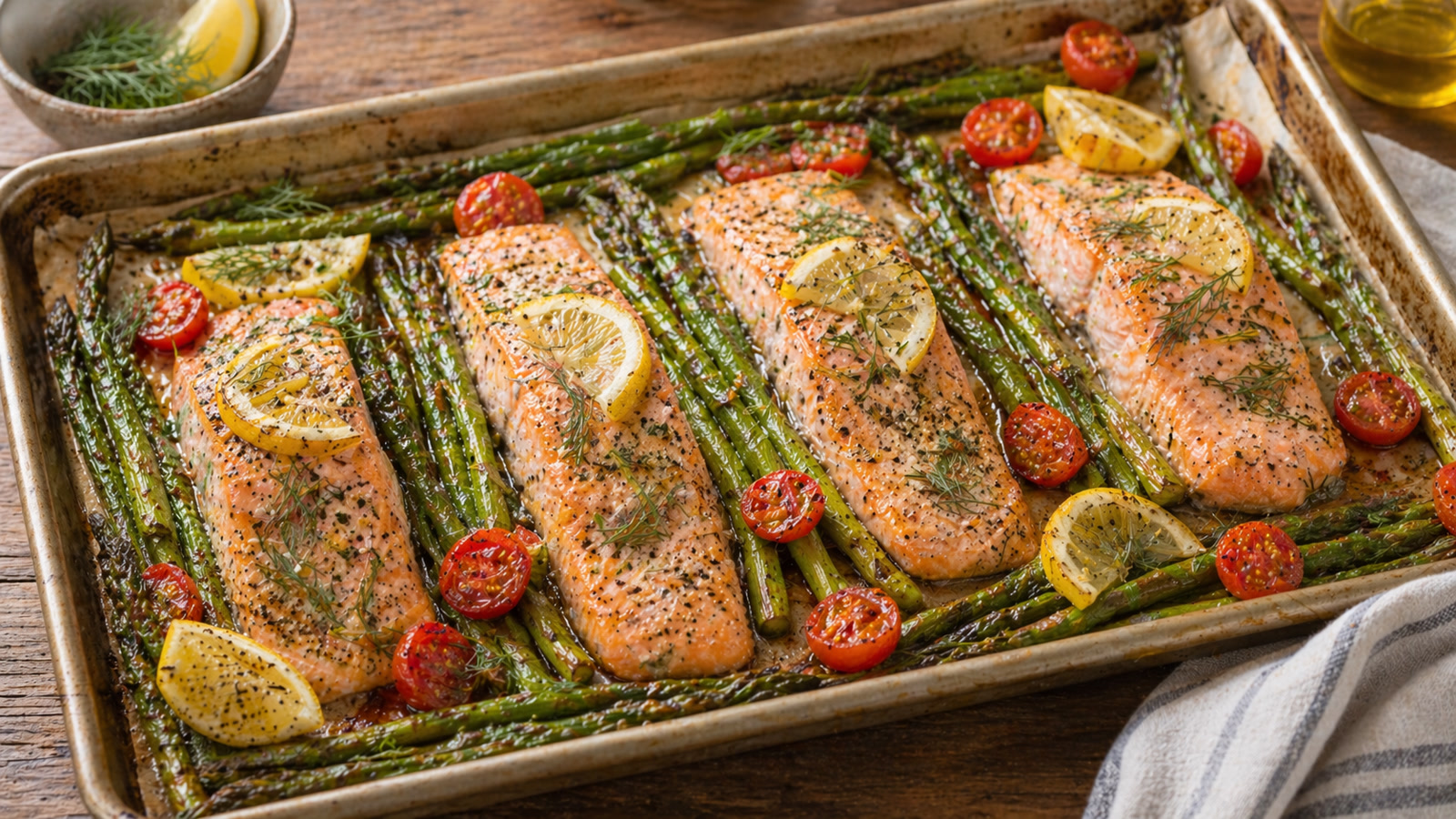
Sheet pan salmon with asparagus
Flaky lemon-garlic salmon roasted with asparagus and cherry tomatoes on one pan — 20 minutes, one dish, a complete spring dinner.
-
Guide
Should you wash produce before storing?
Usually, no. Most produce keeps better when it is washed right before use rather than before storage, especially if there is any chance moisture will remain on the surface.
-
 Recipe
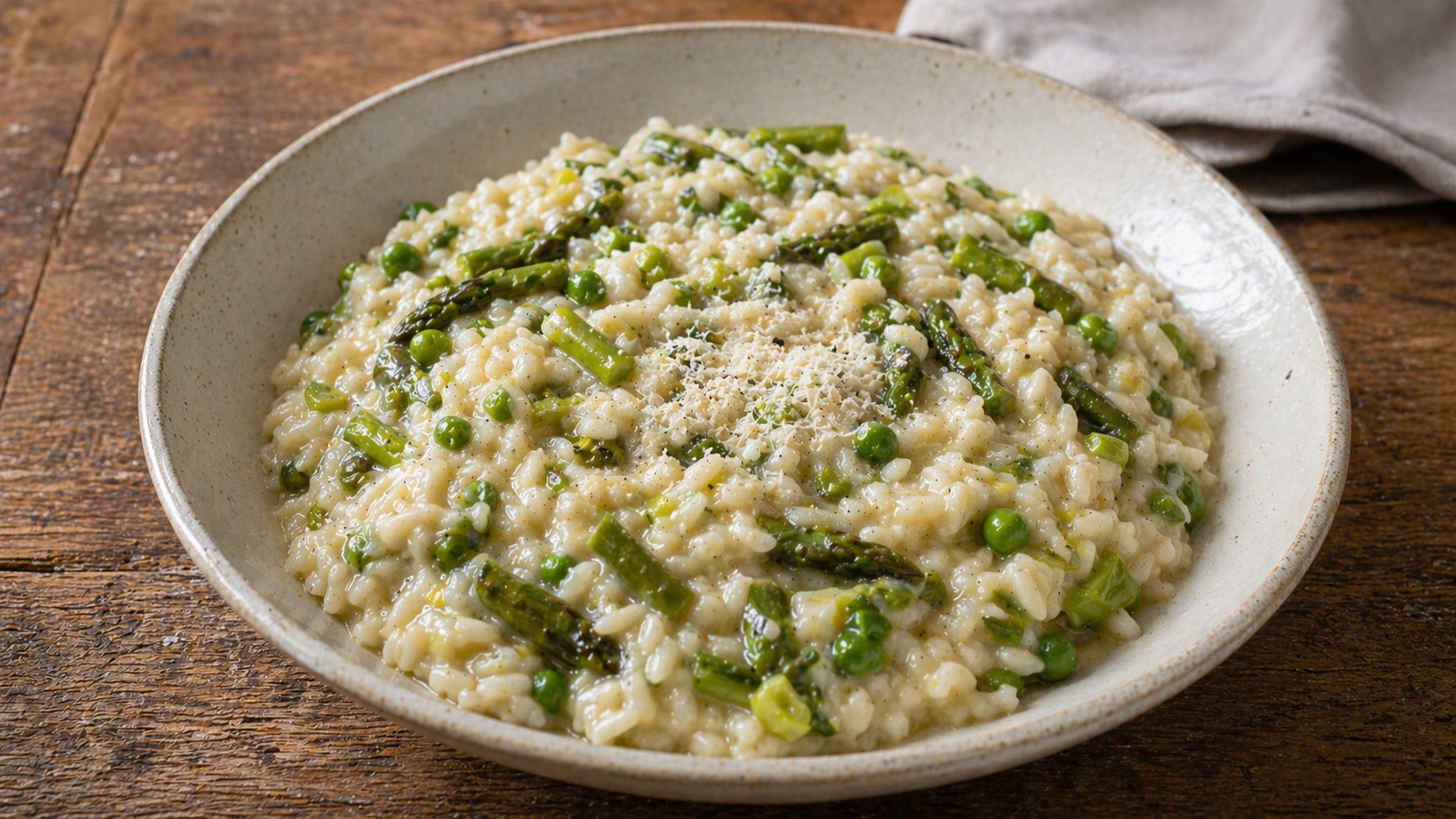
Spring vegetable risotto
A creamy, lemon-kissed risotto studded with asparagus, peas, and spring onions — the one-pot dinner that celebrates everything green at once.
-
 Collective
The Crop Planning Template
A one-page crop plan beats a spreadsheet nobody opens. Plan for what sells, not what grows easiest. Template for your top 5 categories.
-
 Produce
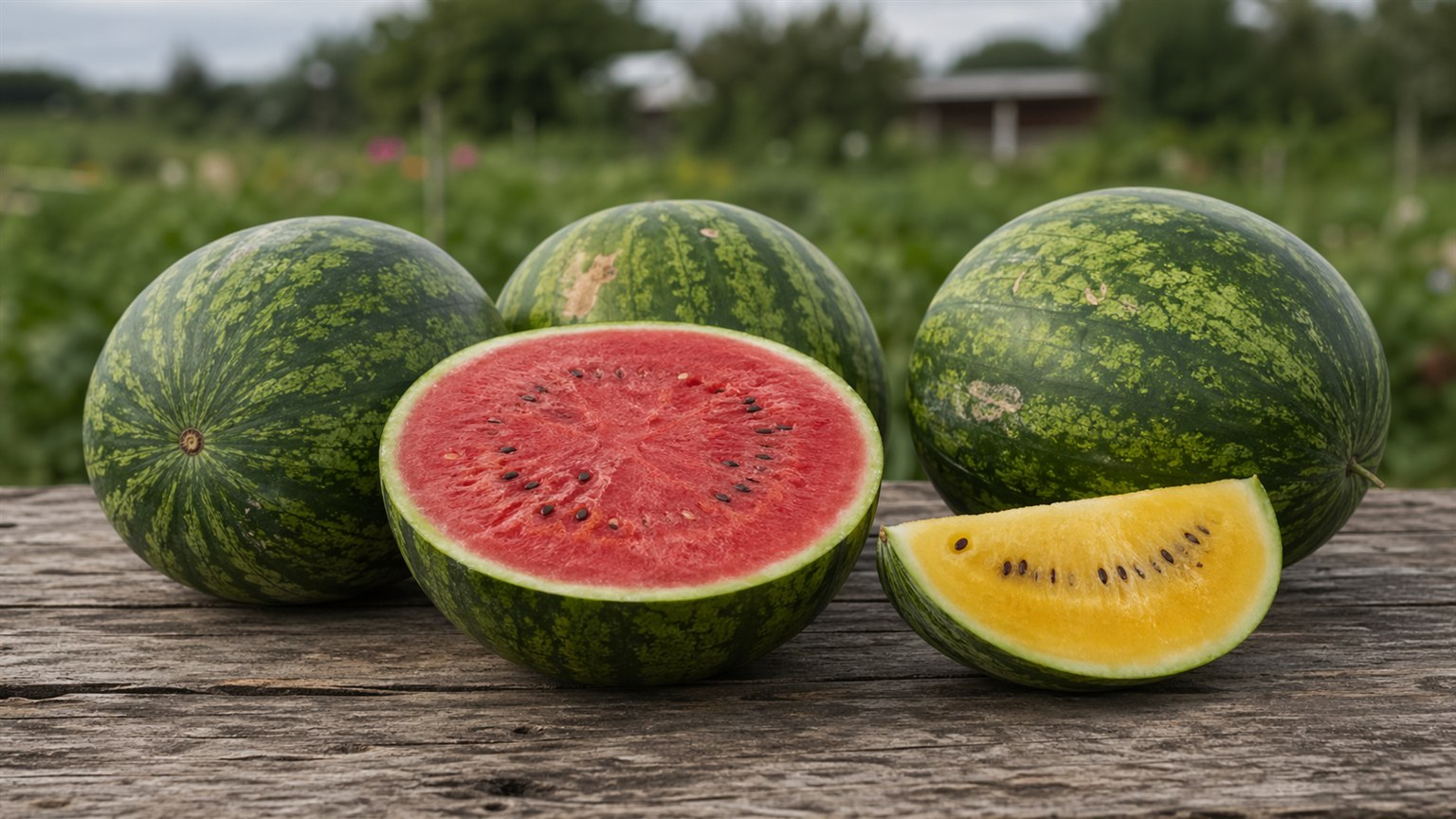
Watermelon
Watermelon is peak-summer fruit with a short window for the best local flavor. A good melon feels heavy, sounds full, and has a creamy field spot where it rested on the ground.
-
 Produce
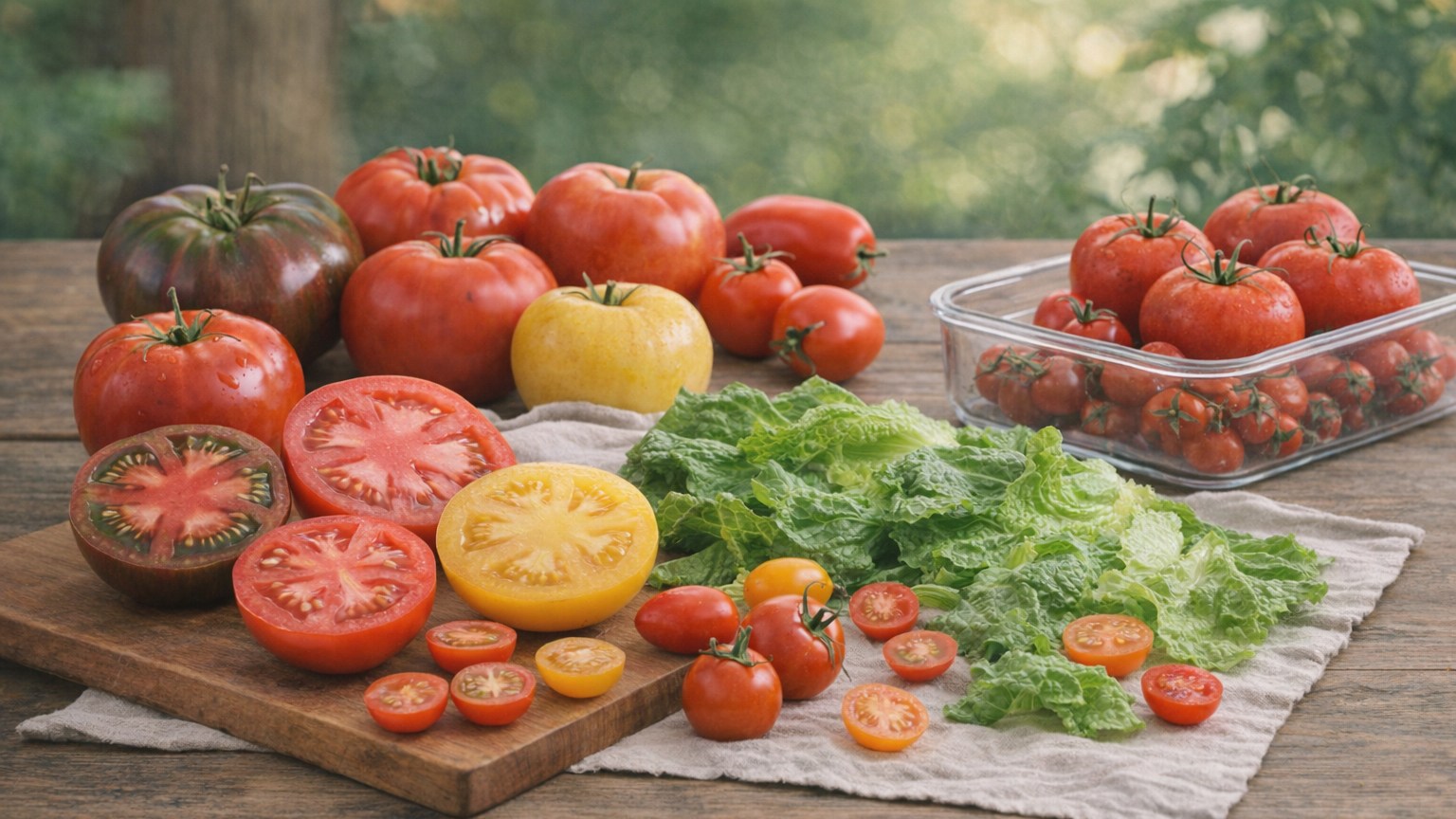
What do tomatoes taste like? Types explained
Tomatoes can taste sweet, tangy, savory, or deeply rich depending on the type and ripeness. Knowing the basic tomato families makes it easier to buy and cook them well.
-
Guide
What Happens When More Food Dollars Stay in the Community
When you spend money on local food, more of it stays close to home — cycling through your community in ways that create jobs, support services, and build long-term economic resilience.
-
 Produce
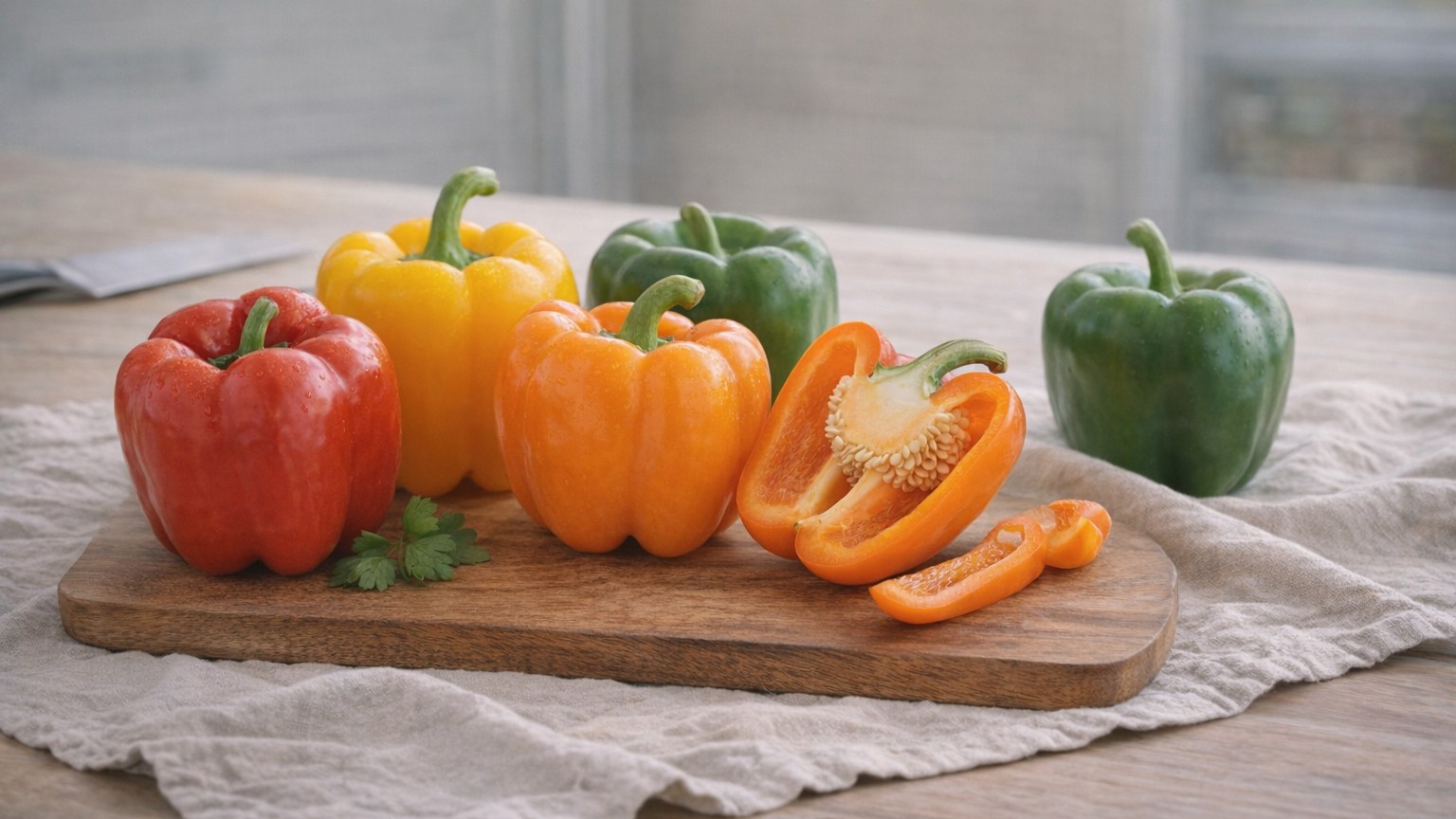
What is a bell pepper and how to use it
Bell peppers are crisp, sweet, and versatile enough for both raw snacking and cooked meals. They are one of the easiest vegetables to keep in regular rotation.
-
 Produce
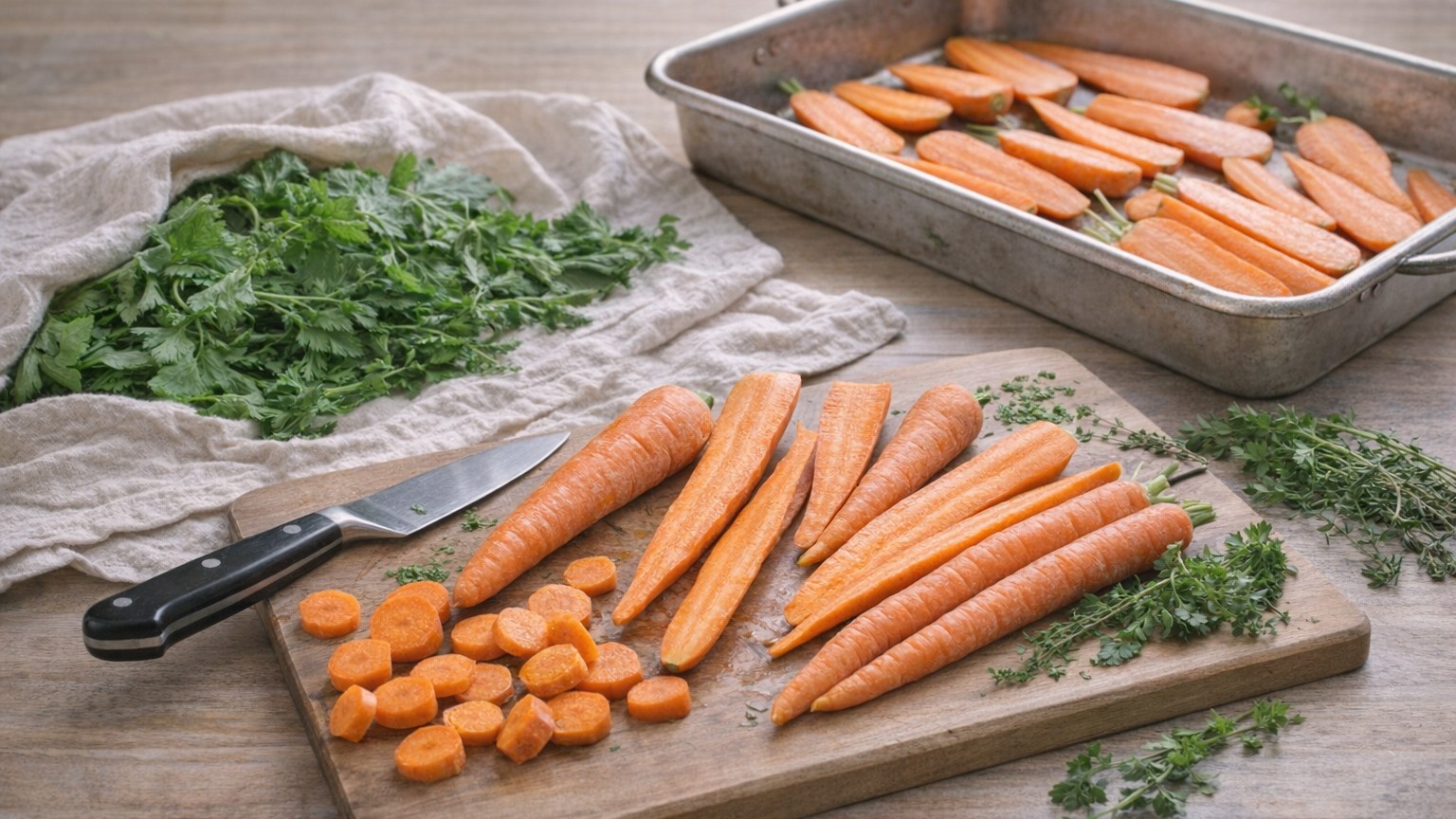
What is a carrot and how to cook it
Carrots are one of the most flexible root vegetables because they can be eaten raw, roasted, sauteed, simmered, or grated into both savory and sweet dishes.
-
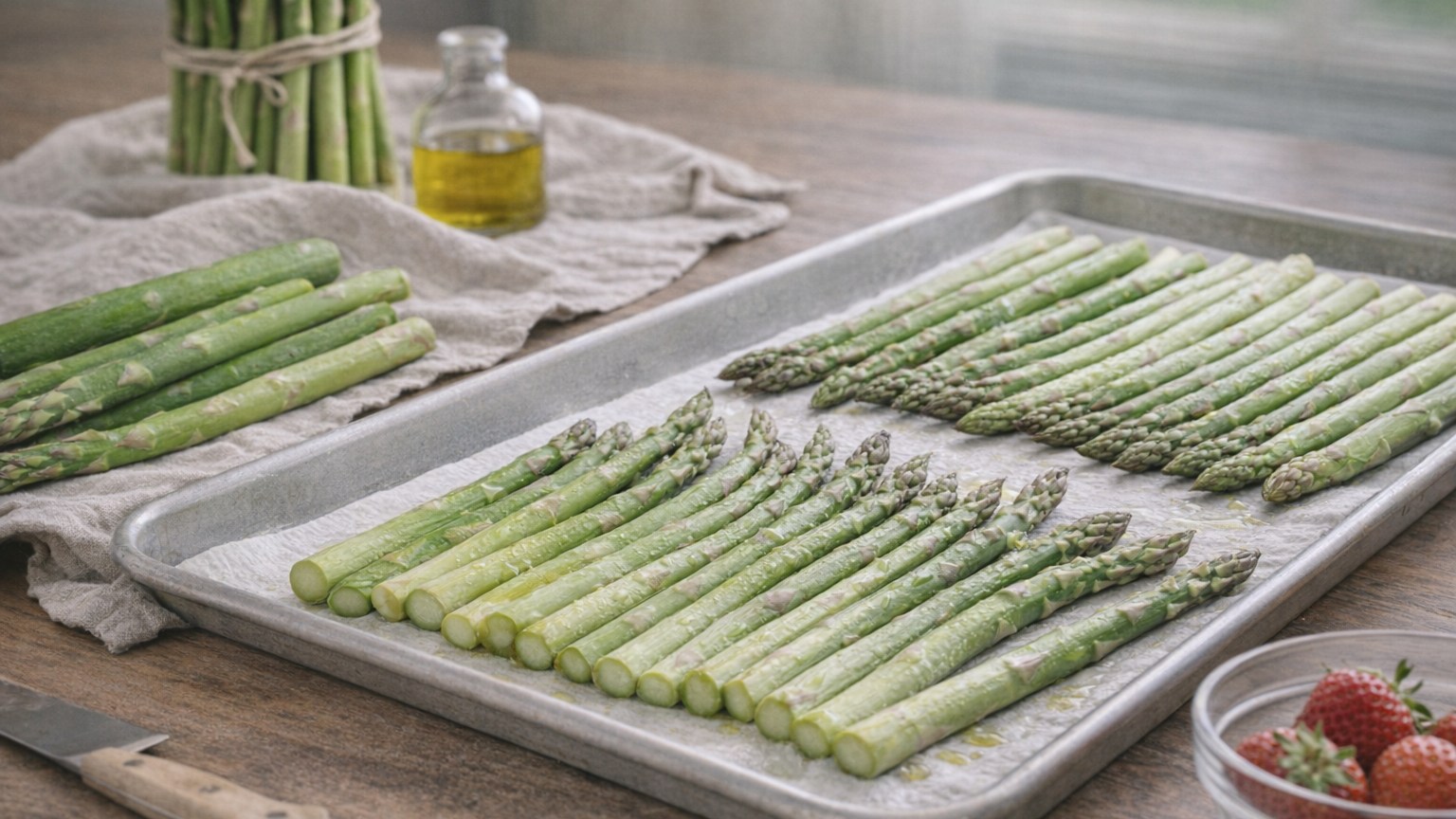 Produce
What is asparagus and how to cook it
Asparagus is one of the clearest signs of spring because it is tender, quick-cooking, and best when treated simply. The trick is to stop cooking it as soon as it is just done.
-
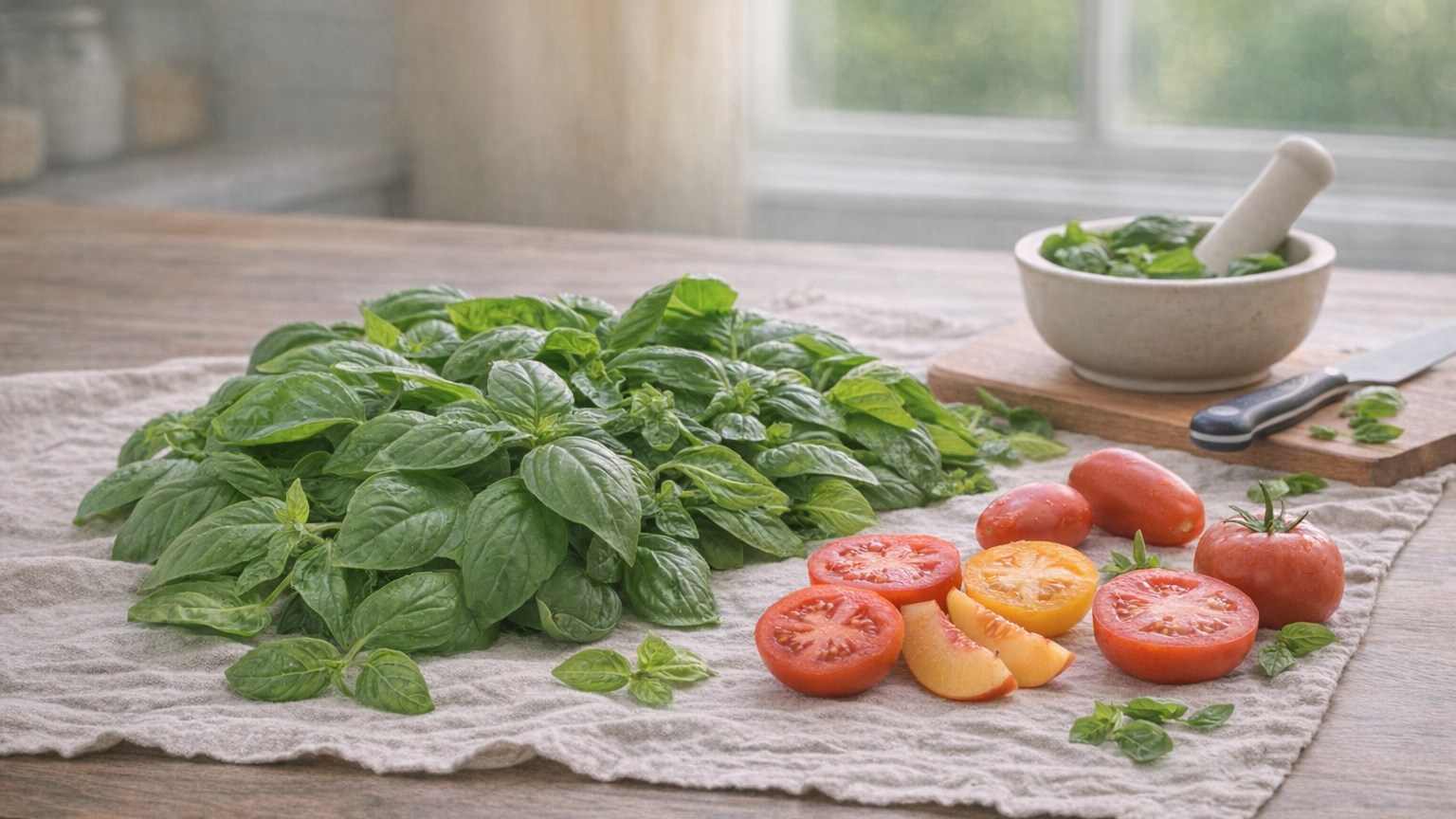 Produce
What is basil and how to use it
Basil is a tender herb with a strong fresh aroma and a clear place in simple everyday cooking. A little goes a long way, but a bunch is still easy to use once you know where it fits.
-
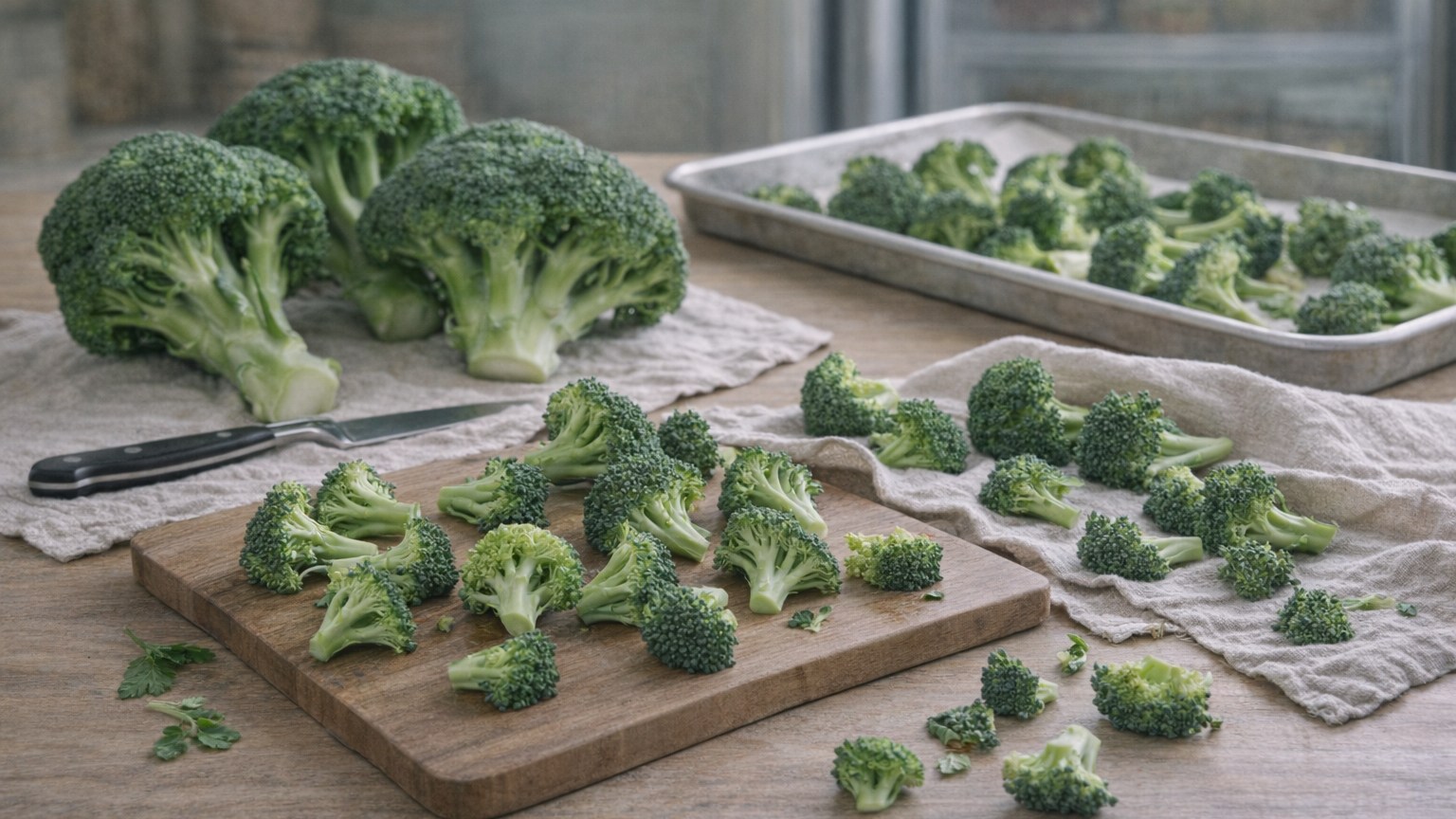 Produce
What is broccoli and how to cook it
Broccoli is one of the most useful vegetables to know because it can be roasted, steamed, sauteed, stir-fried, and eaten raw with very little fuss.
-
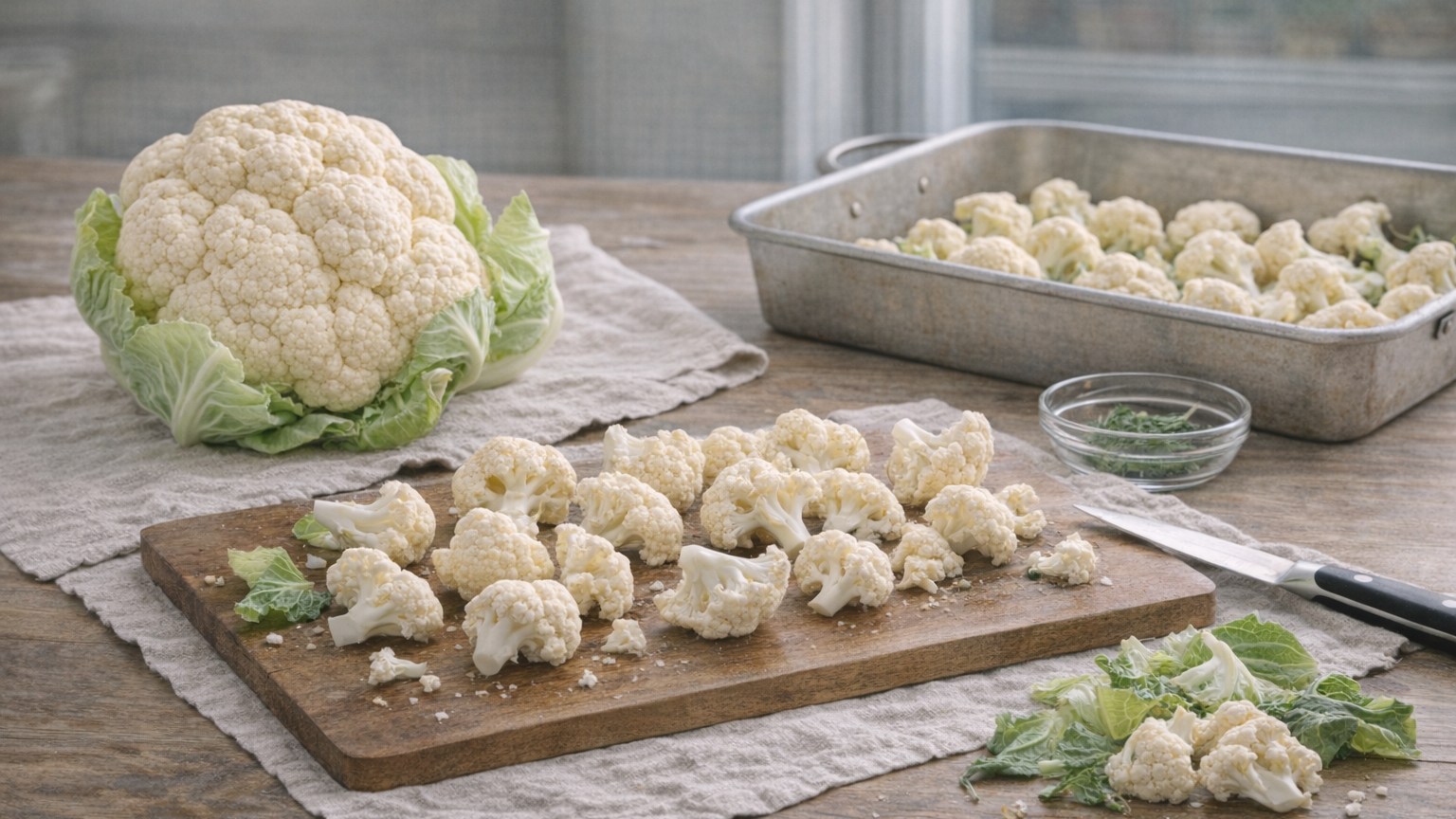 Produce
What is cauliflower and how to cook it
Cauliflower is a mild brassica that takes on seasoning well and works in everything from simple roasting to soup and mash. Its strength is flexibility.
-
 Produce
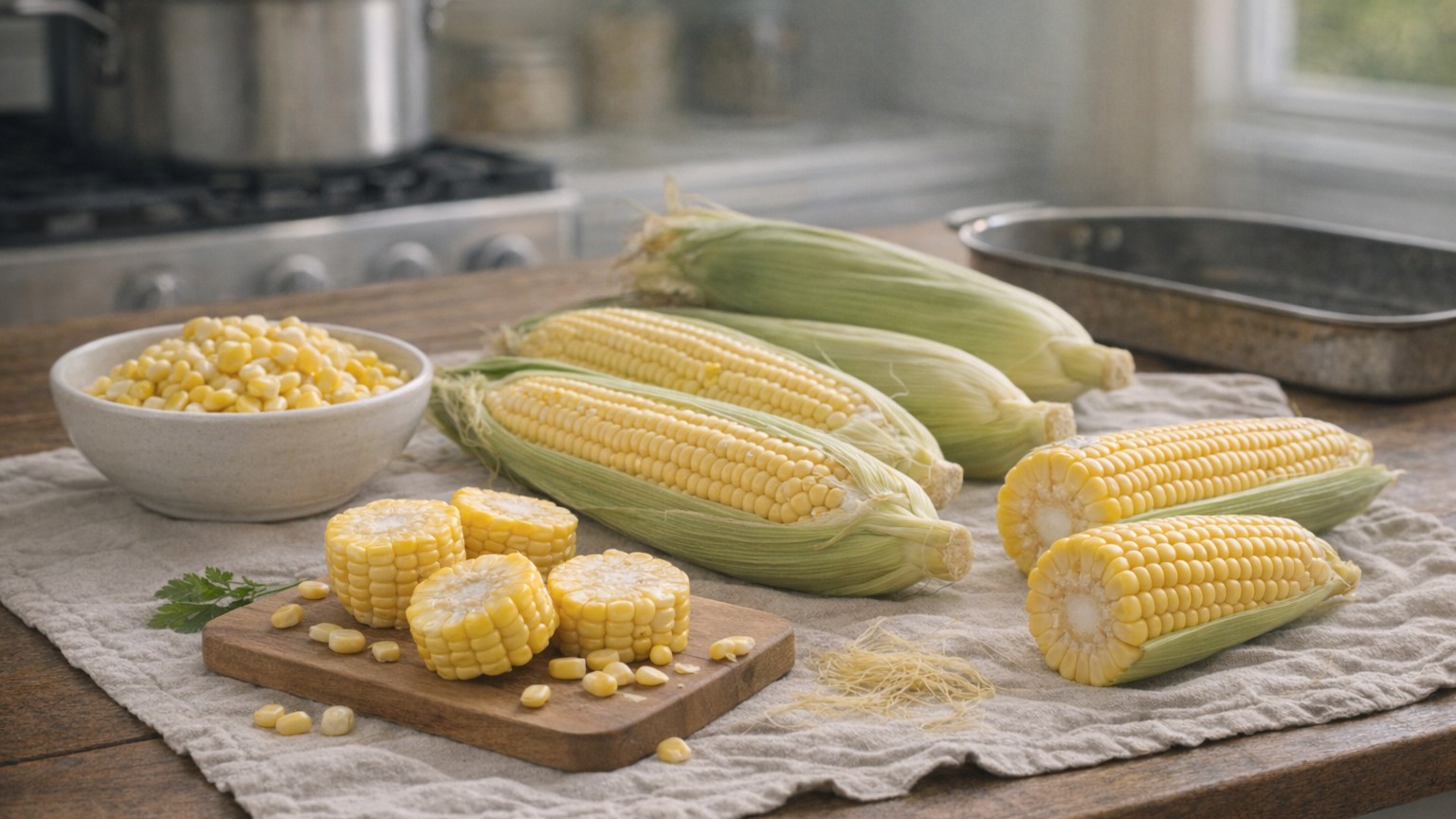
What is corn and how to cook it
Fresh corn is sweet, juicy, and easy to cook when you stop treating it like a special-event vegetable. It works on the cob, off the cob, and in a range of simple summer meals.
-
 Produce
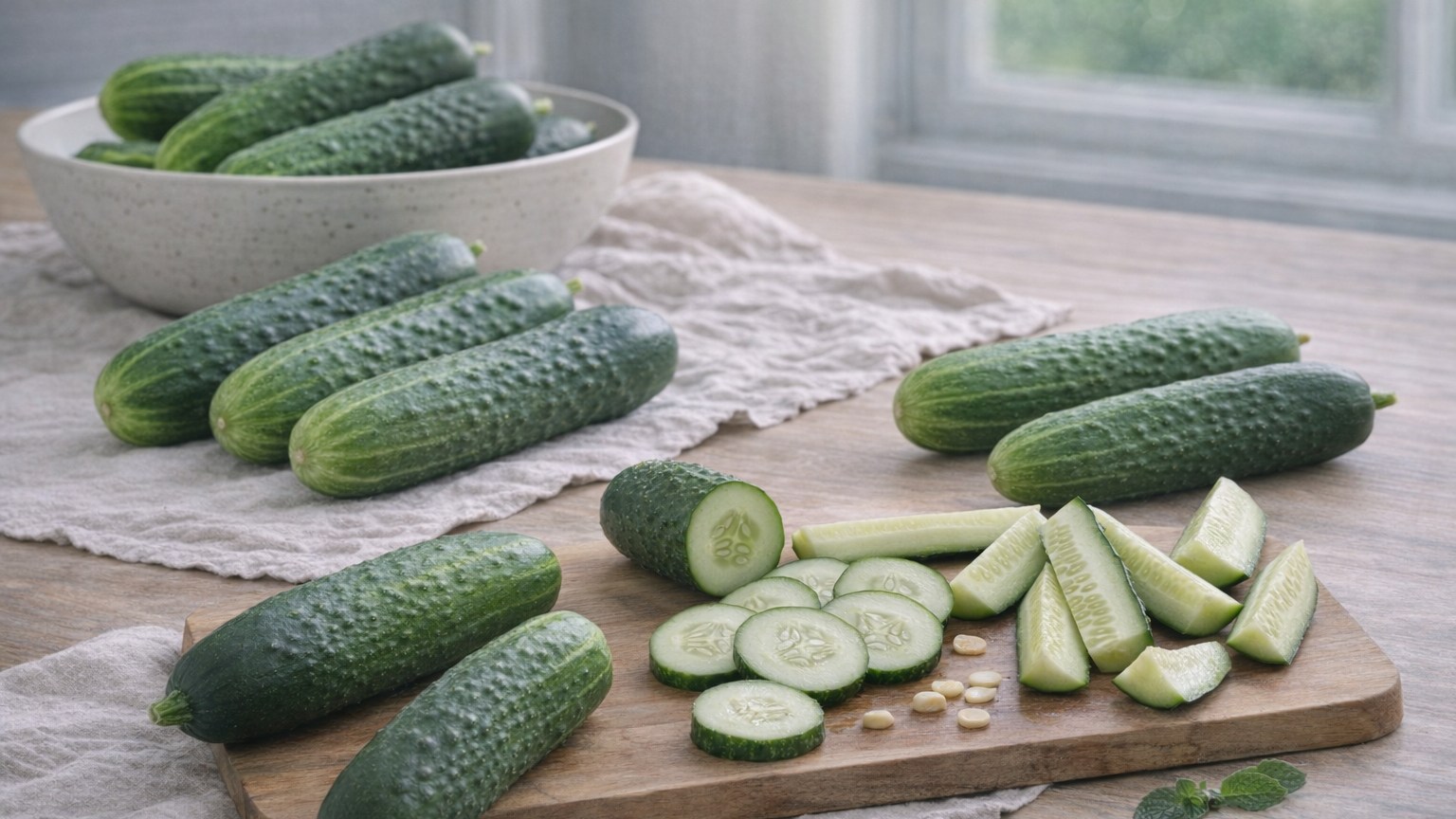
What is cucumber and how to use it
Cucumber is one of the simplest fresh vegetables to use because it needs so little cooking and pairs with almost everything. The key is knowing when to keep it raw and when to pickle or blend it.
-
 Produce
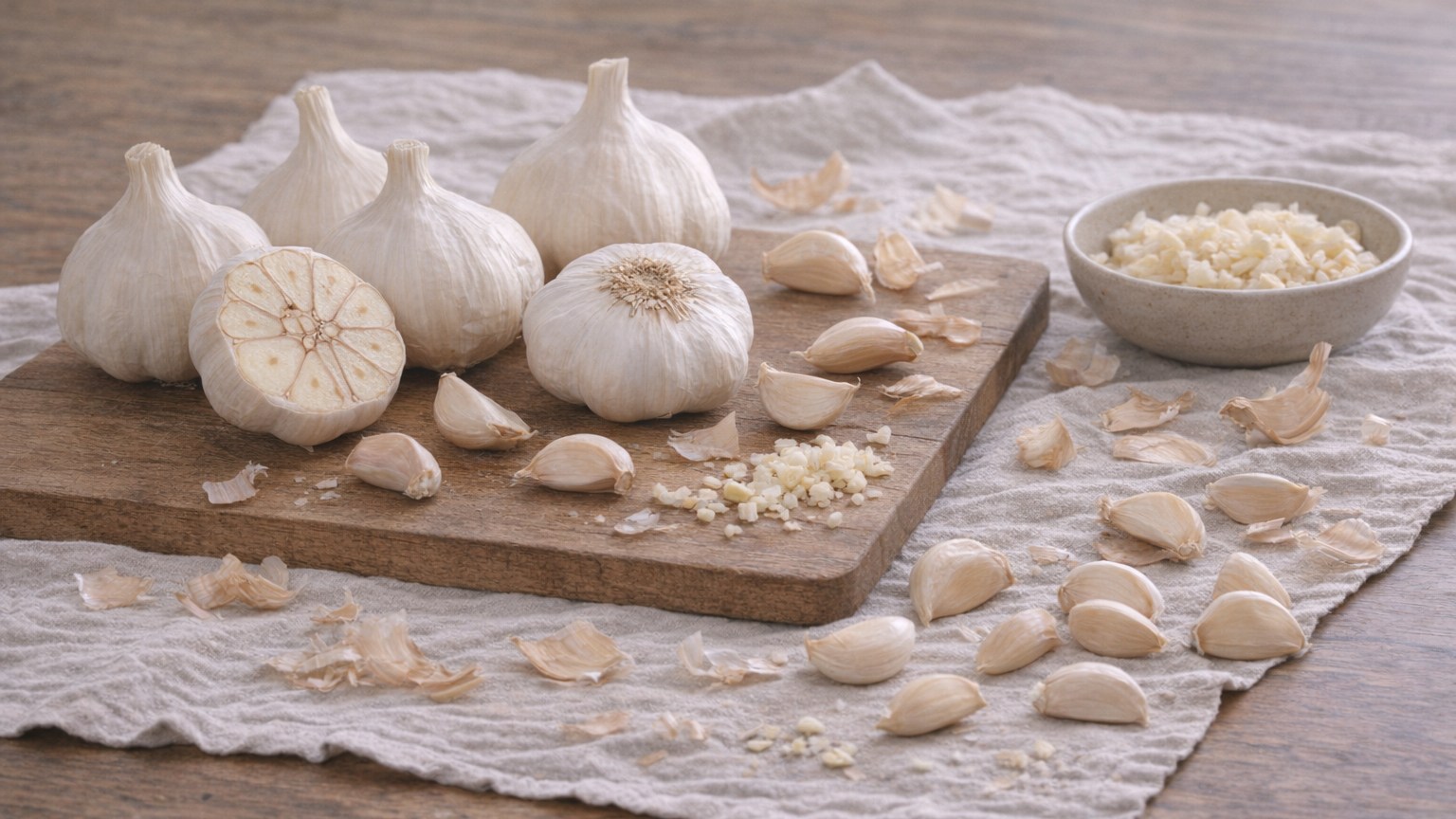
What is garlic and how to use it
Garlic is one of the most foundational ingredients in everyday cooking because it adds depth quickly without requiring much volume. Once you know the difference between raw, sauteed, roasted, and grated garlic, it…
-
 Produce
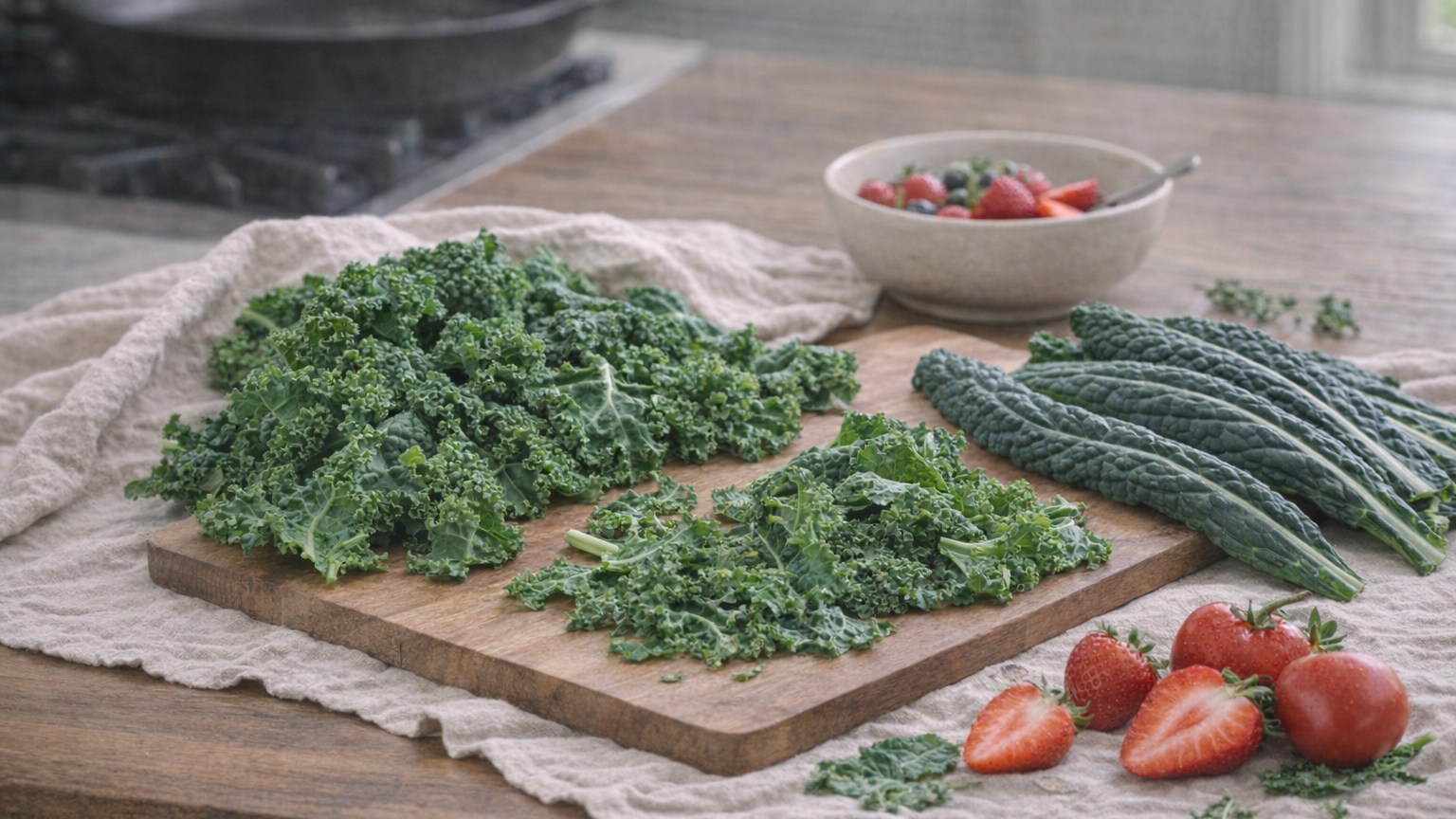
What is kale and how to cook it
Kale is a sturdy leafy green that holds up well to both cooking and hearty salads. Once you know how to handle the leaves and stems, it becomes one of the easiest greens to keep using.
-
 Produce
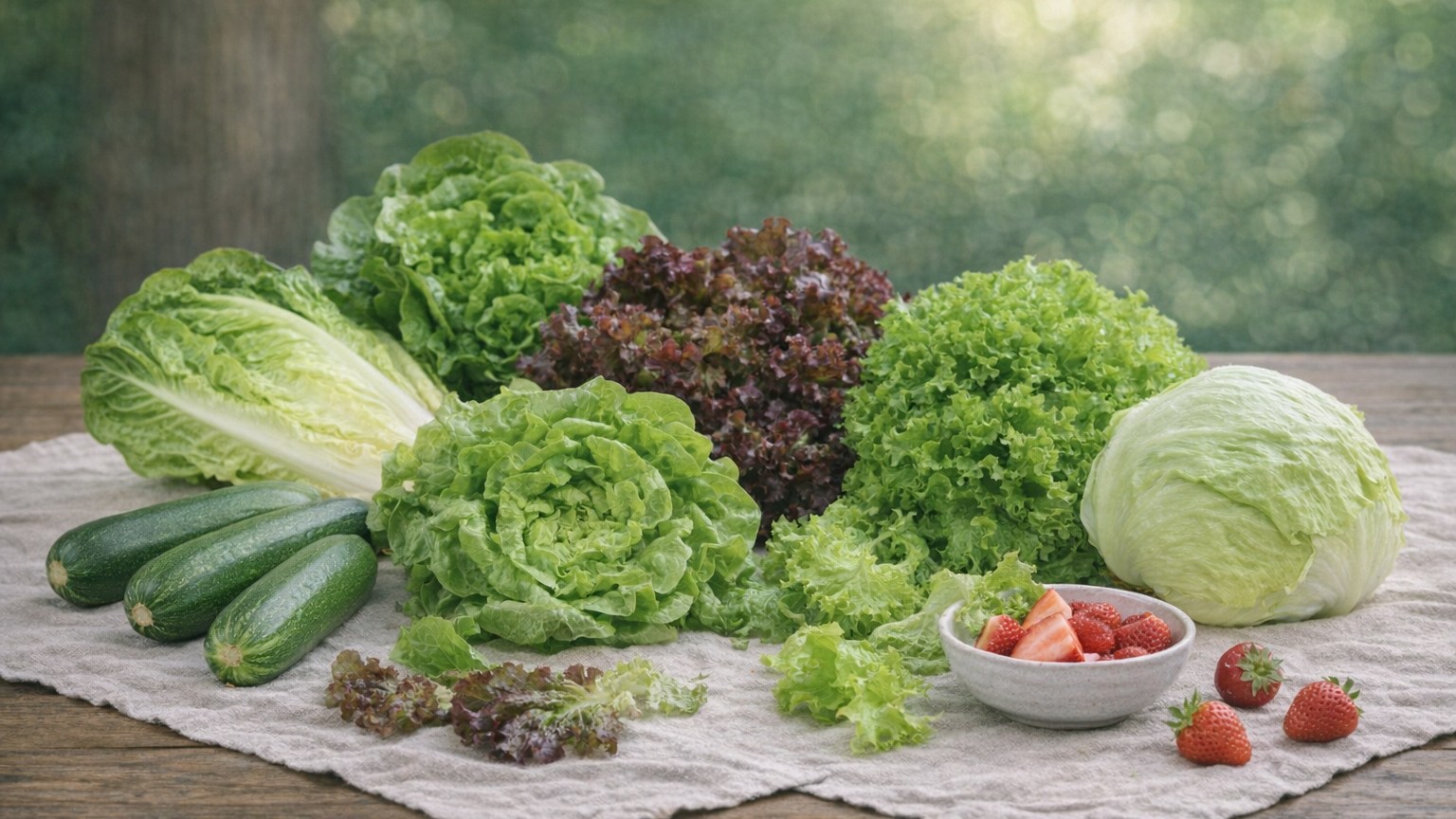
What is lettuce? Types explained
Lettuce is not just one thing. Different lettuce types bring different texture, bitterness, sweetness, and durability to the bowl.
-
 Produce
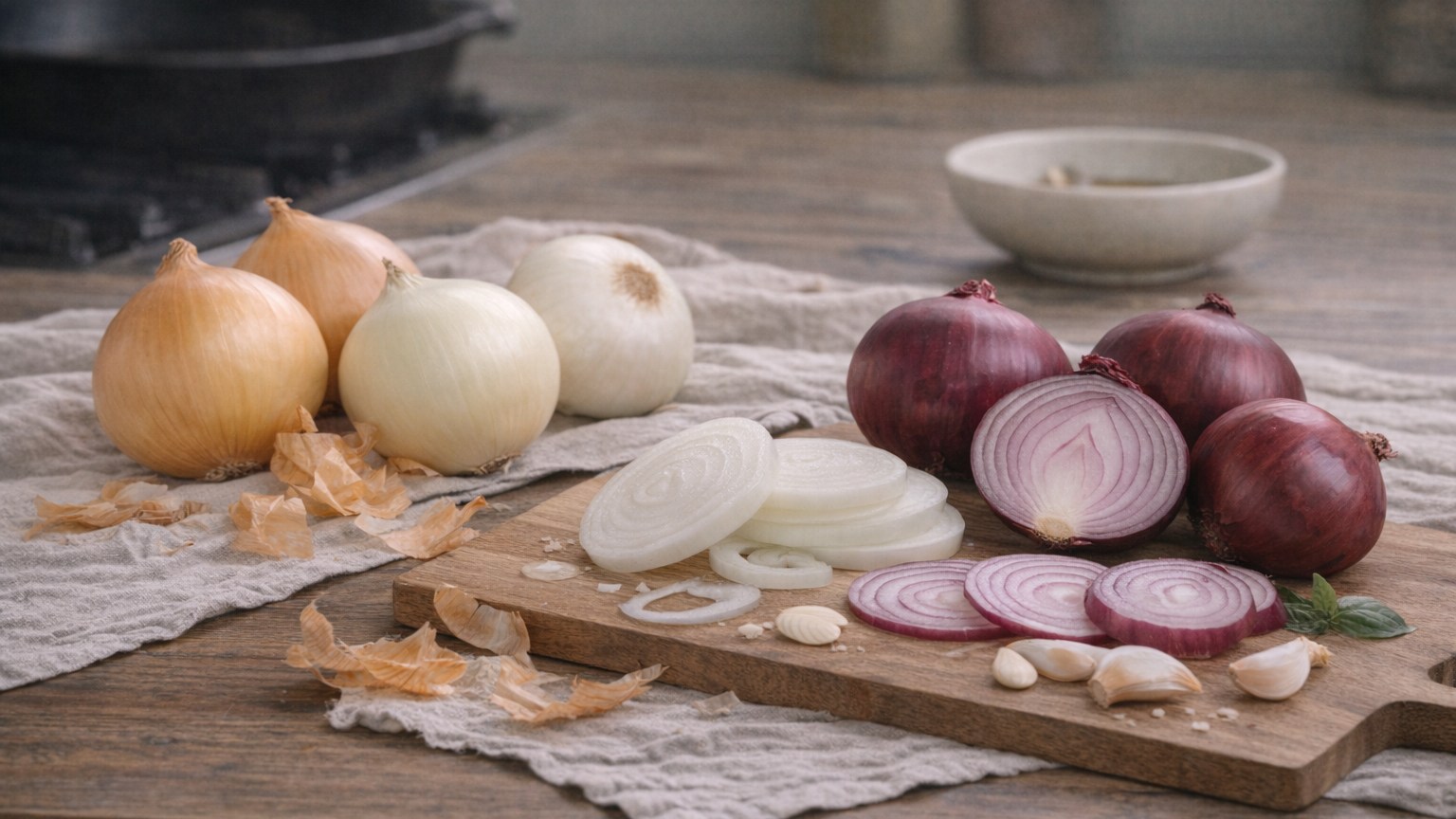
What is onion and how to use it
Onions are one of the most useful vegetables in the kitchen because they work as both a base ingredient and a finished component. Learning a few onion styles makes everyday cooking much easier.
-
Guide
What Is Regenerative Agriculture — and Why Does It Matter?
Regenerative agriculture is a farming approach focused on rebuilding soil health, increasing biodiversity, and restoring ecosystems. Here's what it actually means, how it differs from organic, and why it matters for the…
-
 Produce
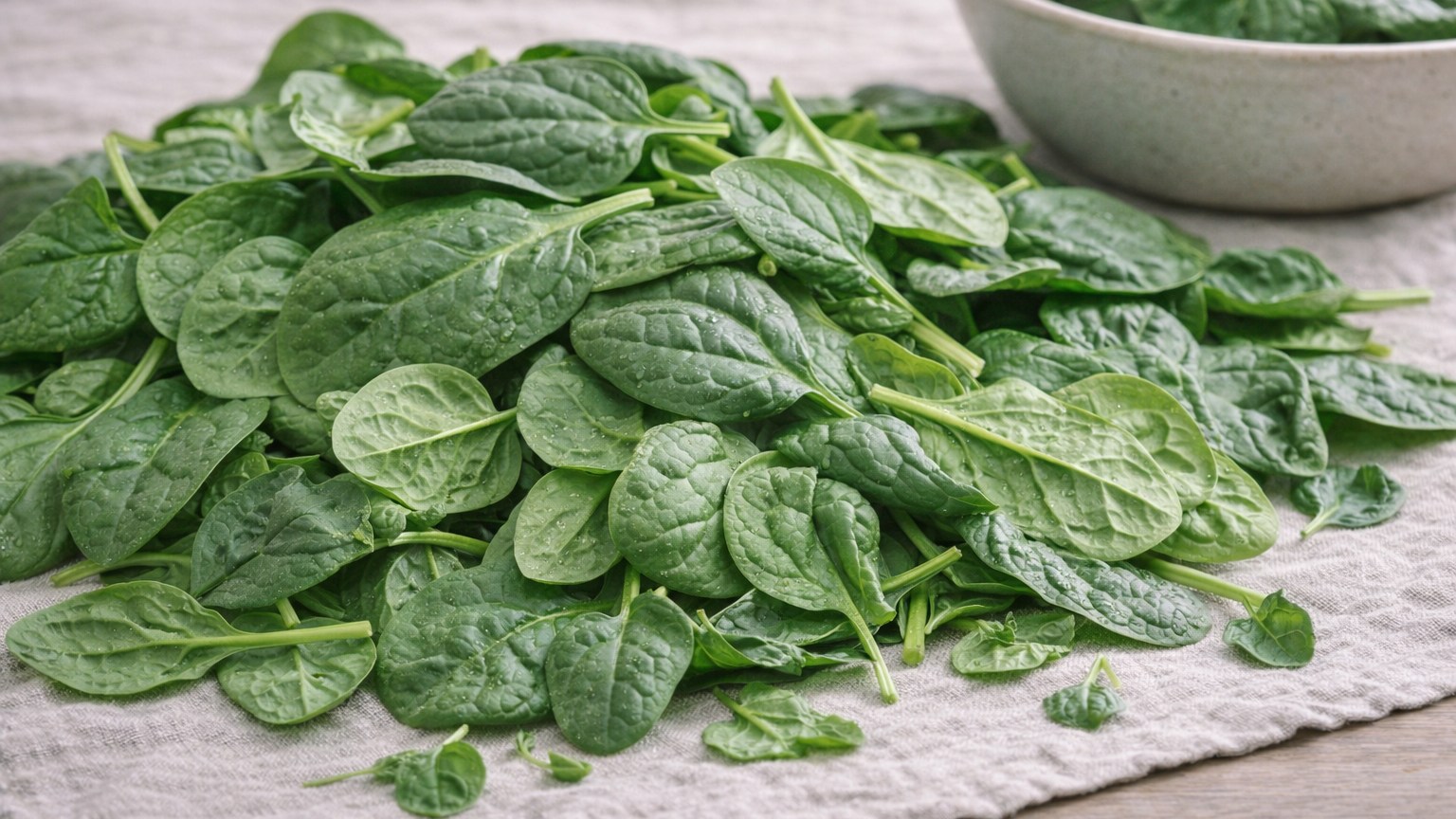
What is spinach and how to use it
Spinach is a tender green that can move from raw salads to quick-cooked meals without much effort. Its mild flavor makes it one of the easiest greens to fold into daily cooking.


