
Search
Recipes, produce guides, seasonal articles, and Collective briefings — one place.
14 results in Produce for "tomatoes"
-
 Produce
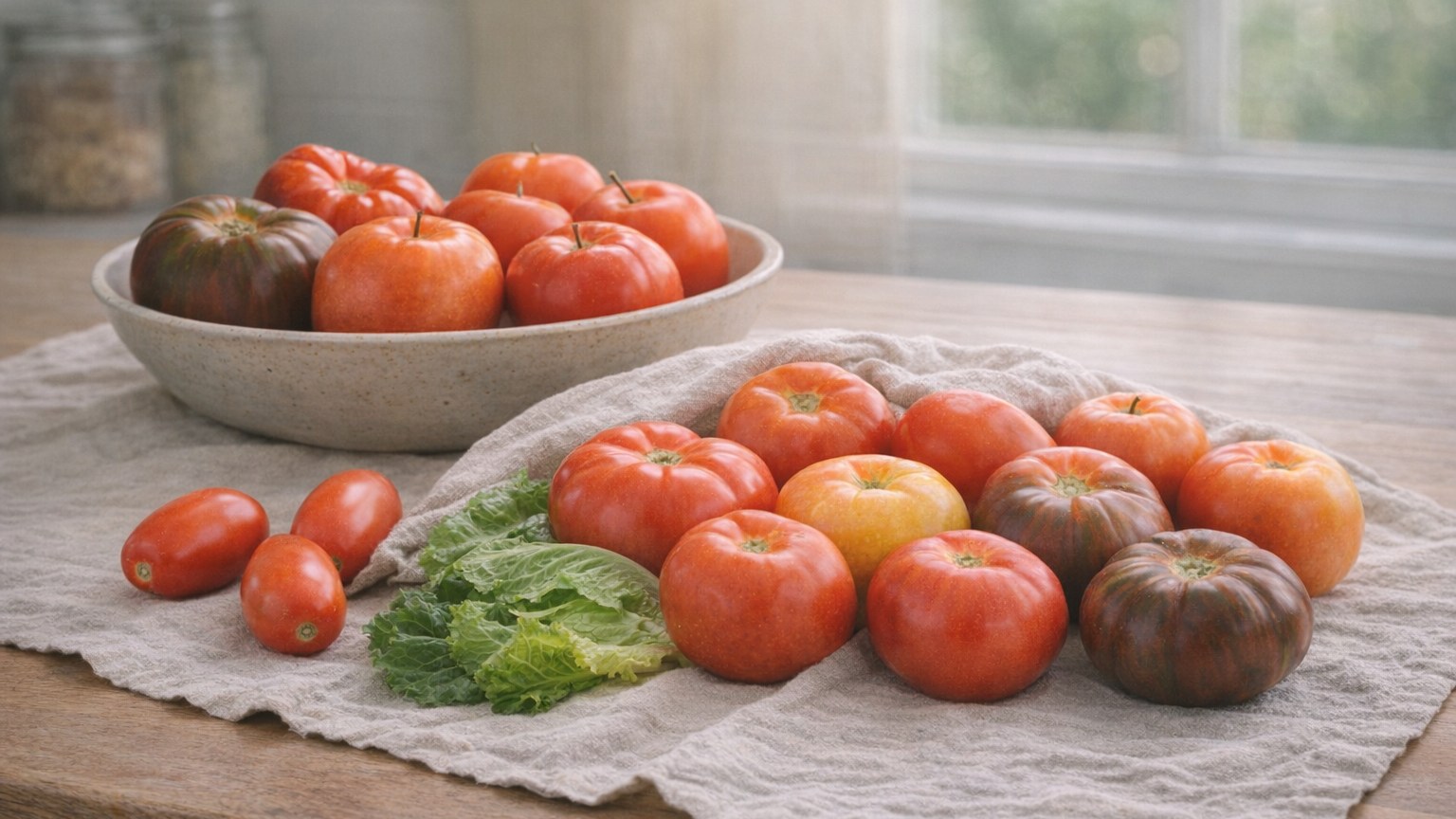
The Best Way to Store Tomatoes
Putting tomatoes in the fridge is one of the most common kitchen mistakes. Learn the right way to store them — whether they're ripe, unripe, or cut — so they stay flavorful and last longer.
-
 Produce
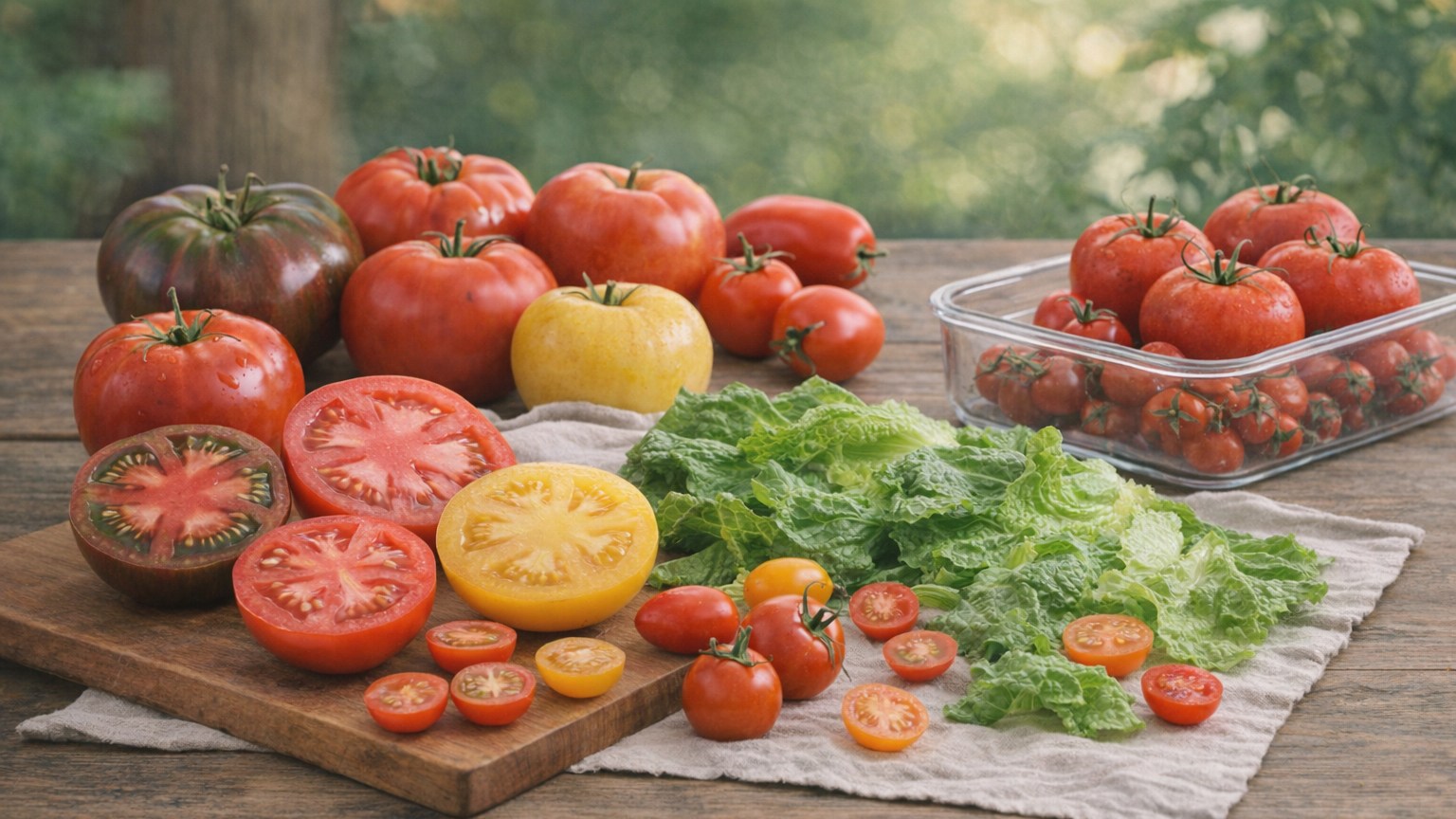
What do tomatoes taste like? Types explained
Tomatoes can taste sweet, tangy, savory, or deeply rich depending on the type and ripeness. Knowing the basic tomato families makes it easier to buy and cook them well.
-
 Produce
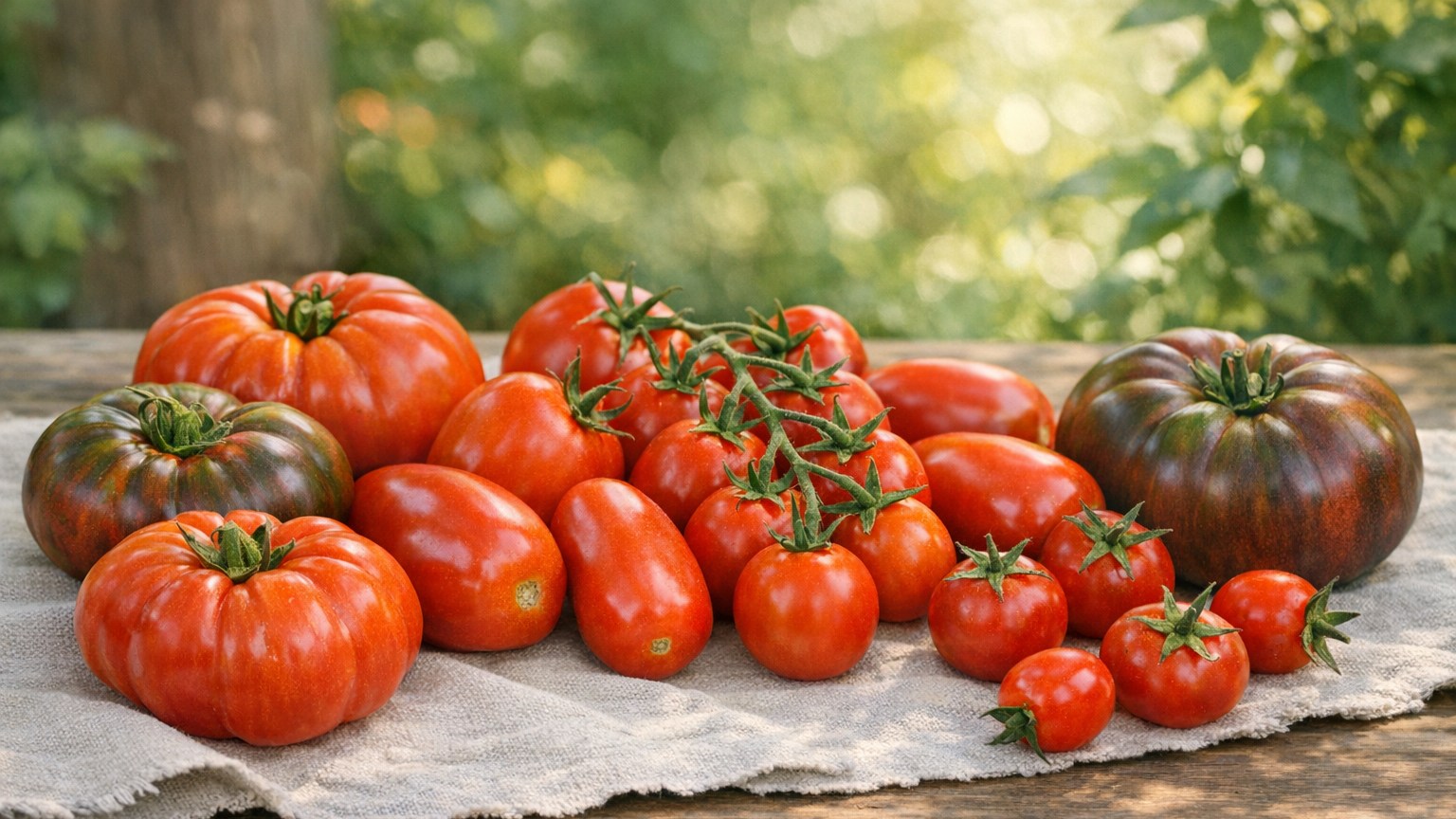
Tomatoes
Tomatoes are the defining taste of summer — and the produce where supermarket shortcomings are most obvious. A local tomato in August is a different fruit entirely from a supermarket one.
-
 Produce
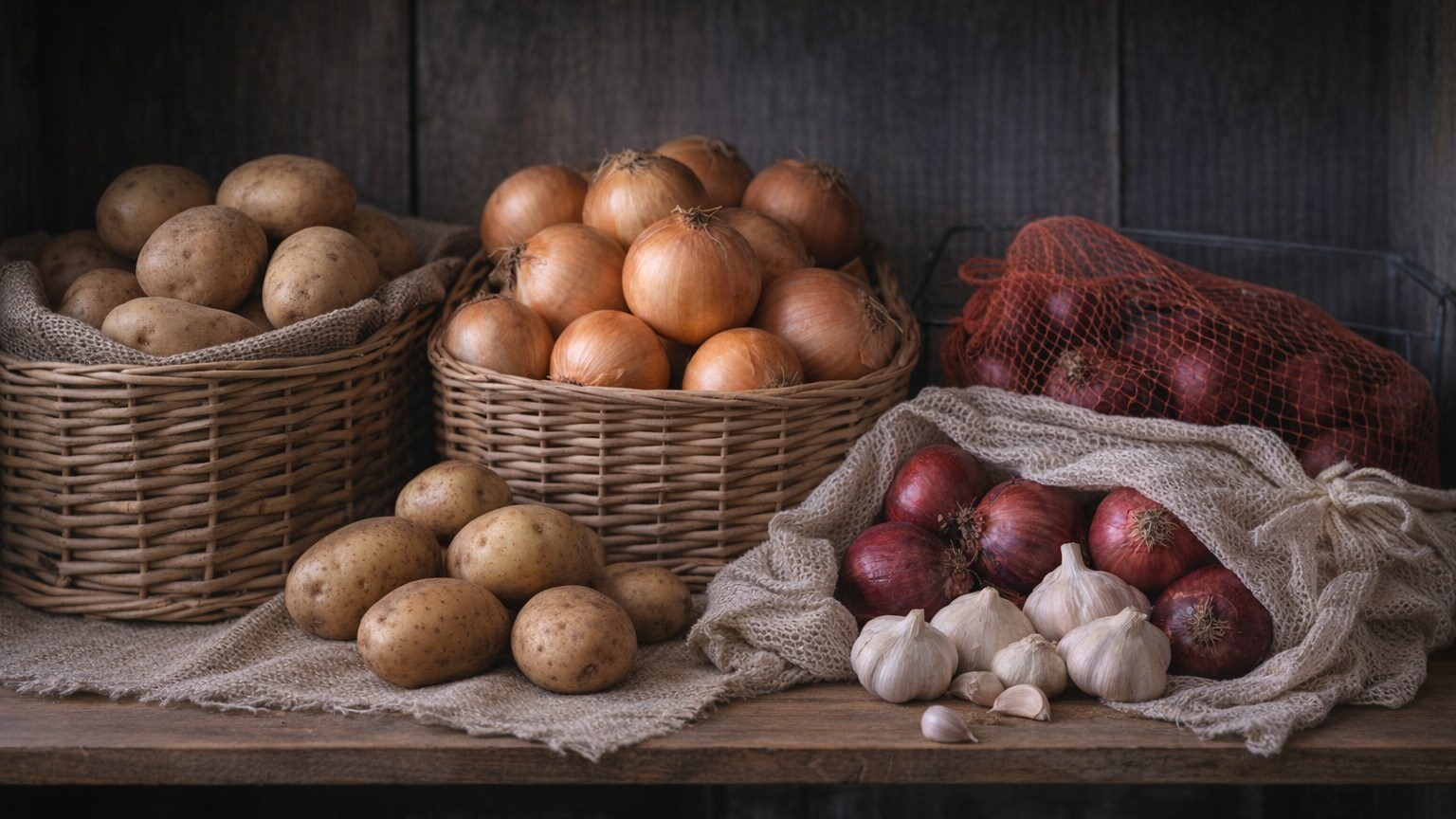
The best way to store potatoes, onions, and garlic
Potatoes, onions, and garlic all need cool, dark, and dry conditions — but keeping them together or in the wrong spot cuts their storage life dramatically. Here is what actually works.
-
 Produce
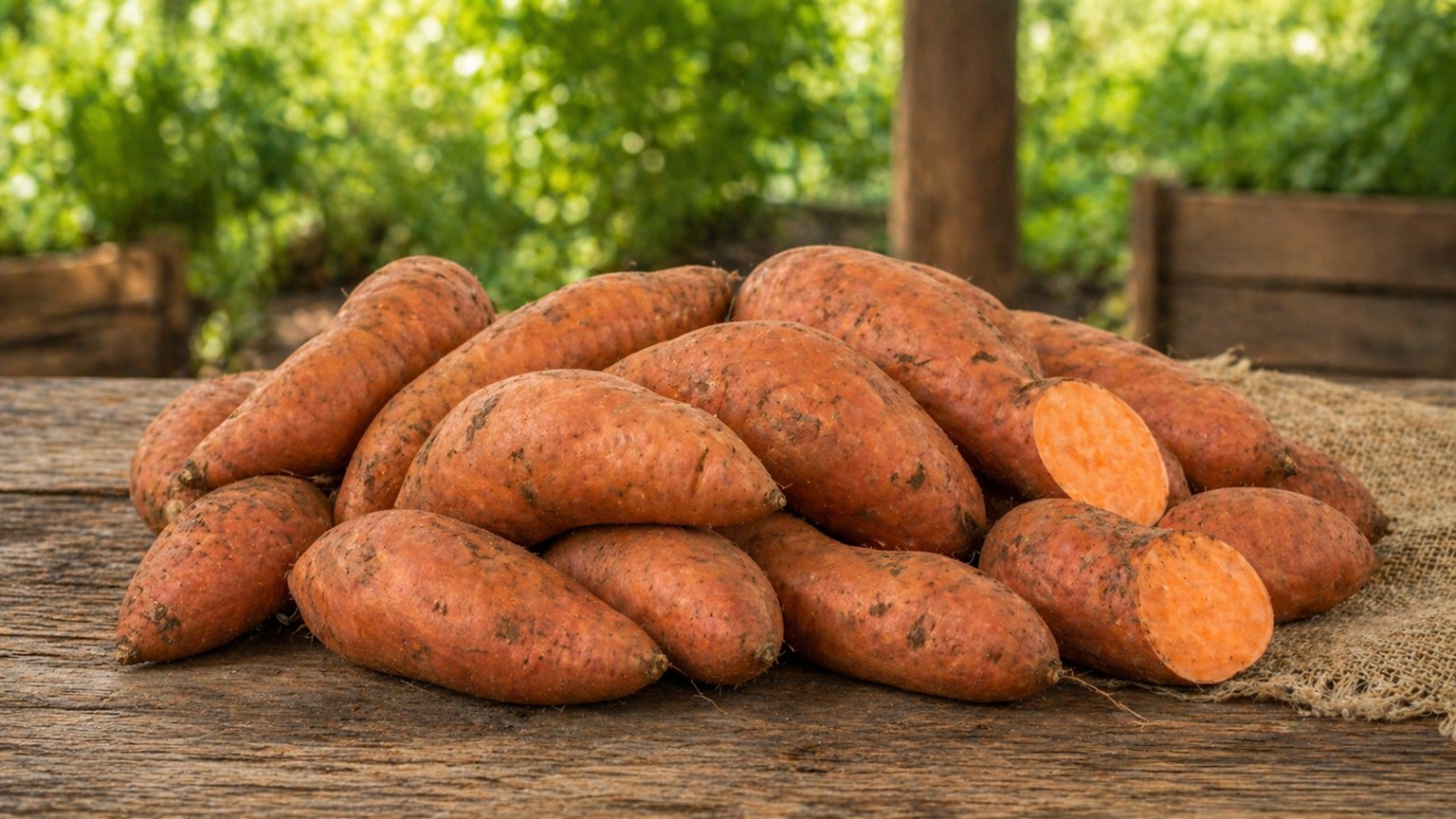
Sweet Potatoes
Sweet potatoes are a fall and winter staple with genuine variety differences that most cooks never discover. From the familiar Beauregard orange-fleshed type to Japanese purple varieties, the range in flavor and texture…
-
 Produce
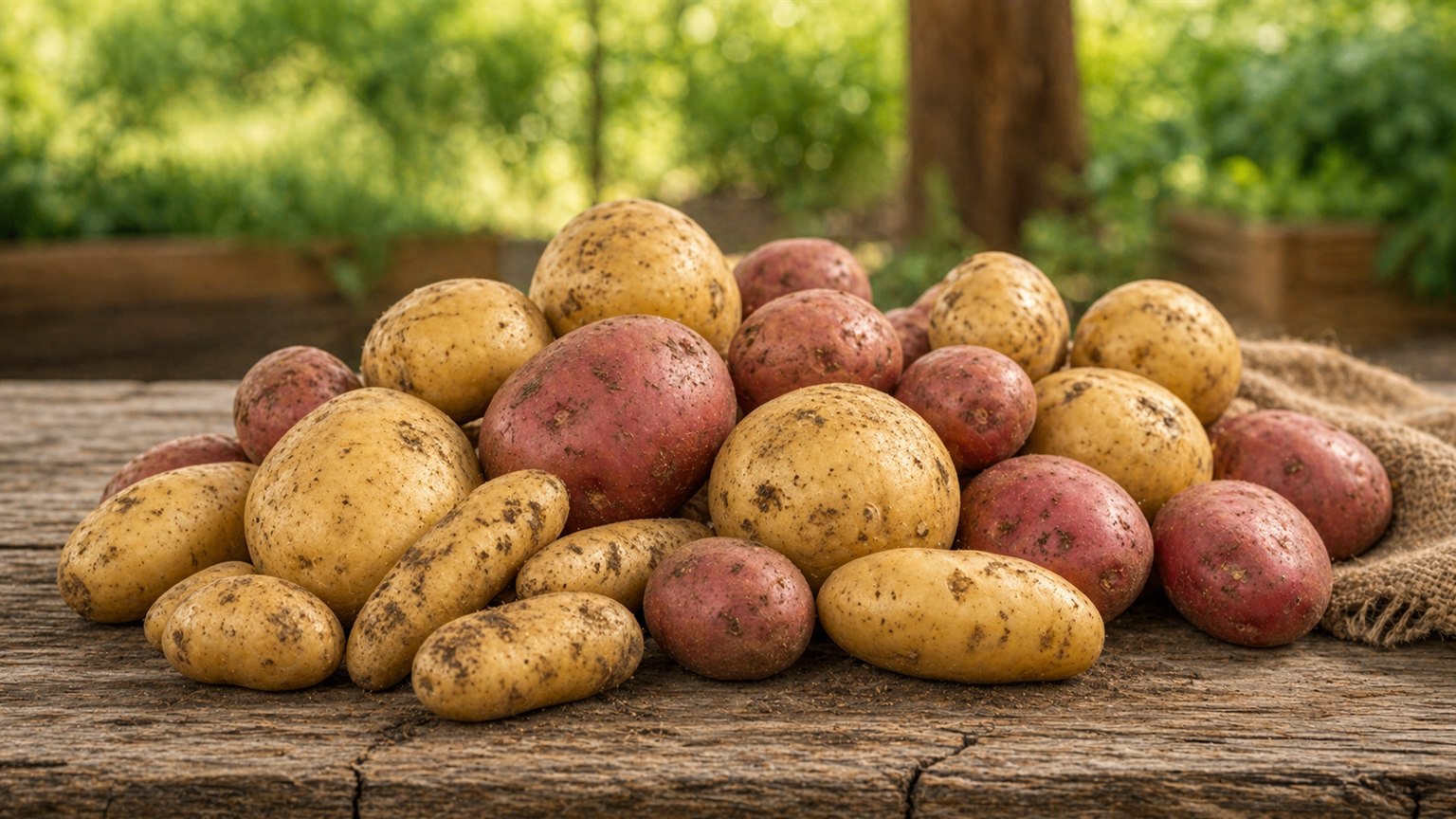
Potatoes
The variety of potato you choose matters far more than most recipes acknowledge. A Russet, a Yukon Gold, and a waxy red potato behave completely differently in the same preparation — and a freshly dug new potato from a…
-
 Produce
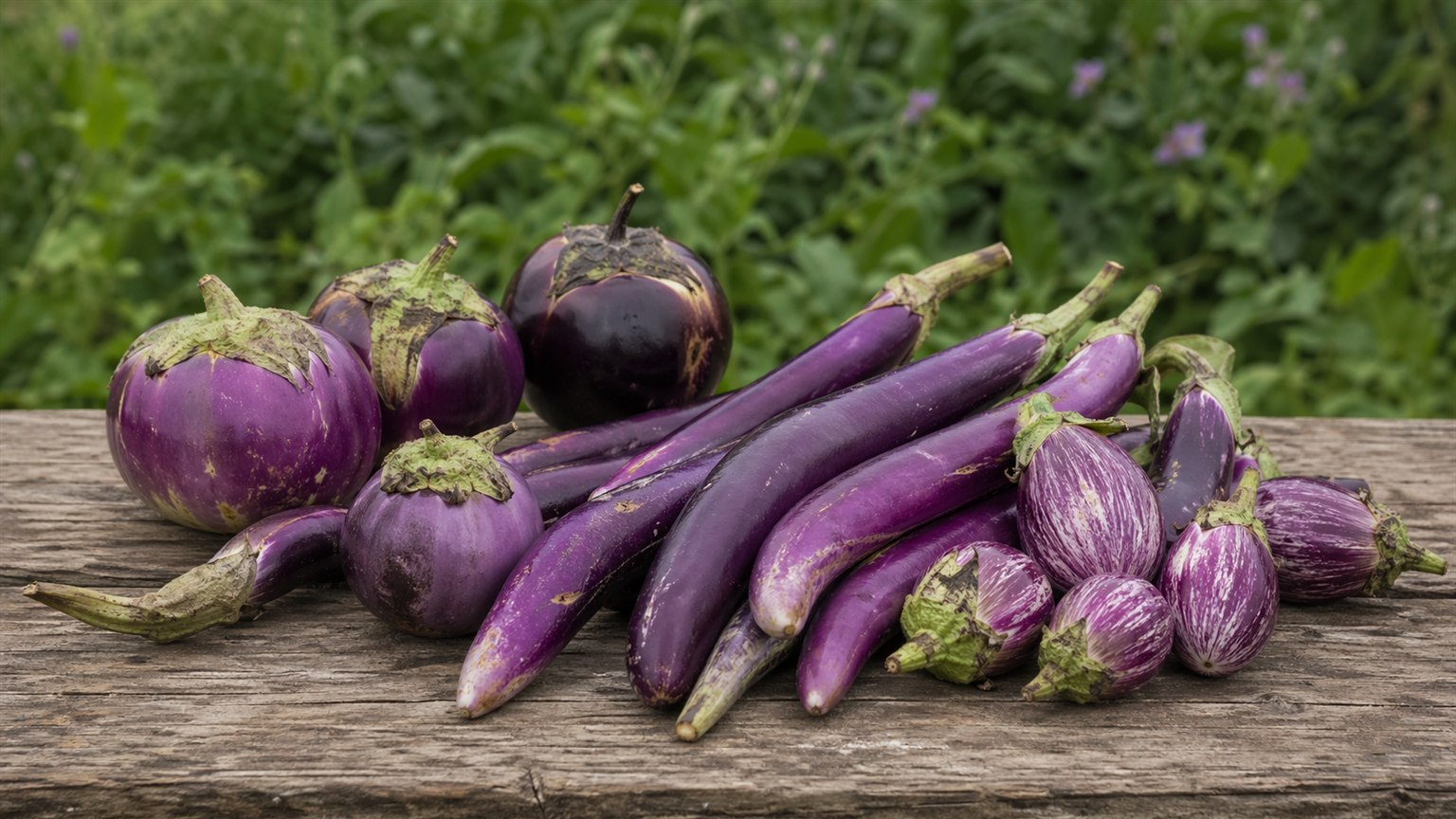
Eggplant
Eggplant is a summer vegetable with tender flesh that becomes silky when cooked well. It loves oil, high heat, garlic, tomatoes, herbs, and smoky flavors.
-
 Produce
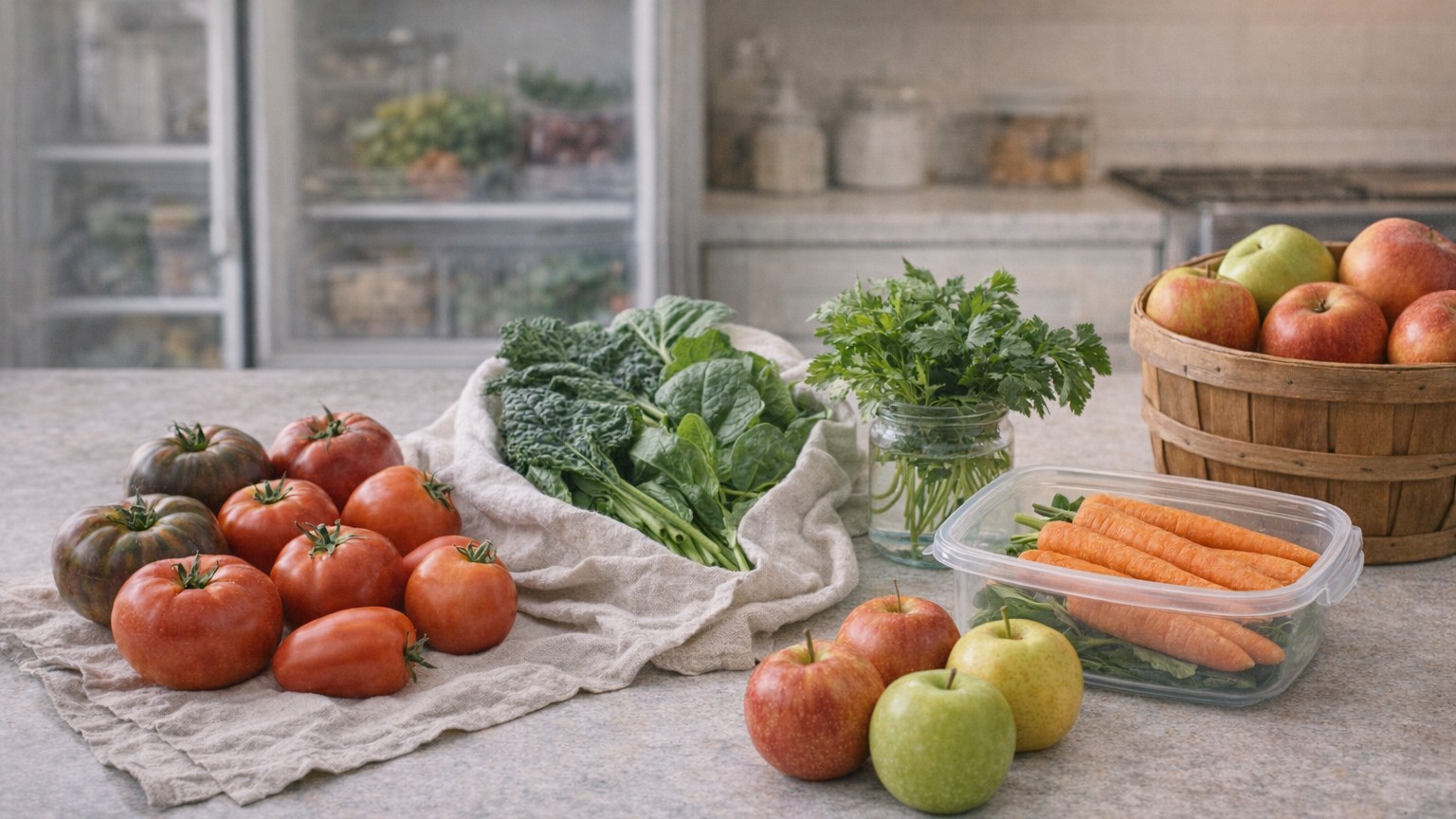
How to Store Farm-Fresh Produce to Reduce Waste
Farm-fresh produce comes with different storage needs than grocery store produce. Knowing what goes in the fridge, what stays on the counter, and how to revive wilted greens can cut your waste in half.
-
 Produce
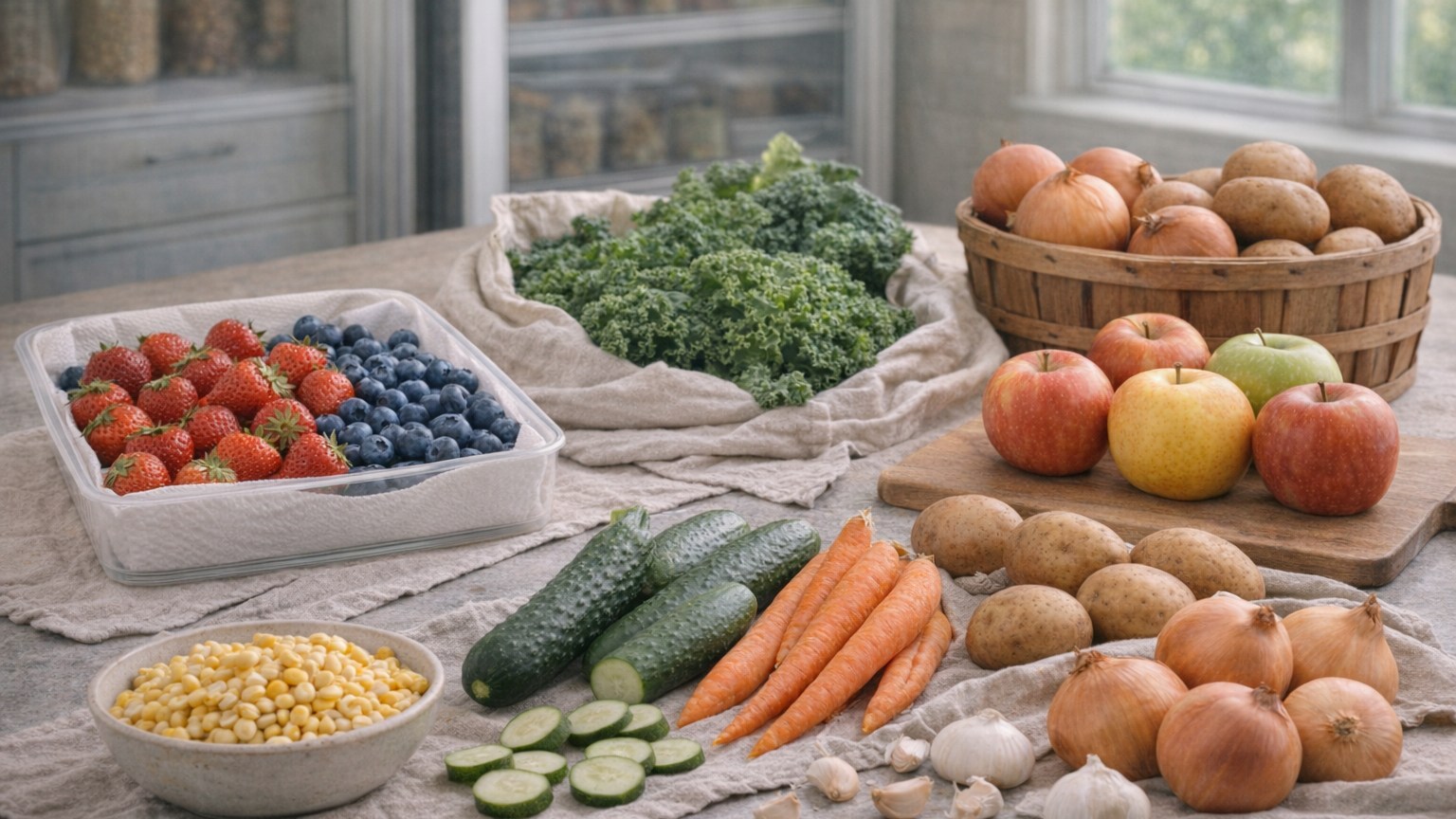
What's the Shelf Life of Farm-Fresh Produce?
Farm-fresh produce and grocery store produce have different shelf lives — sometimes longer, sometimes shorter. Here's what to expect for common crops and how to extend it.
-
 Produce
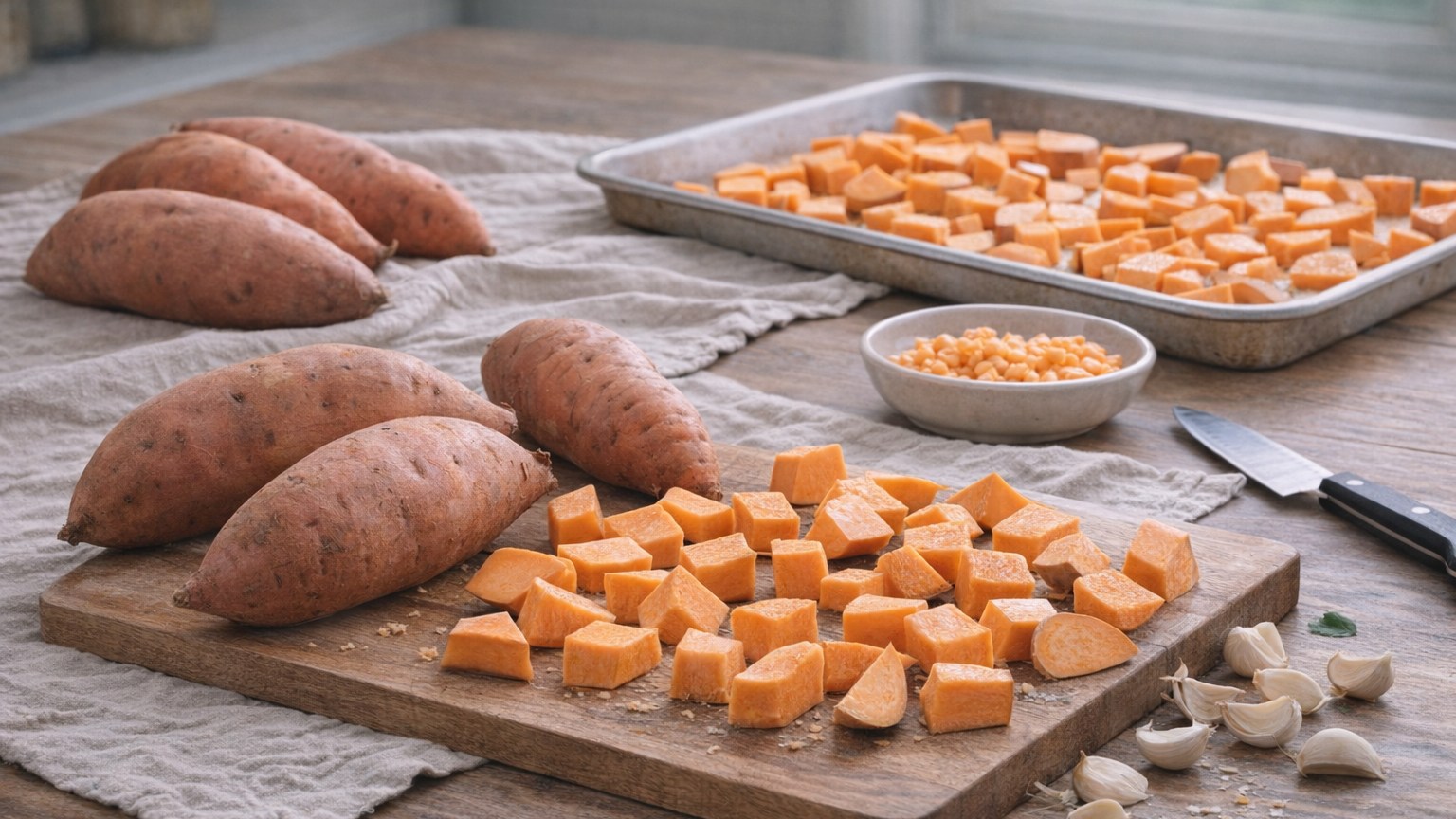
What is sweet potato and how to use it
Sweet potatoes are starchy, naturally sweet roots that work in both savory and sweet cooking. They are one of the easiest ingredients to meal-prep because they roast and reheat well.
-
 Produce
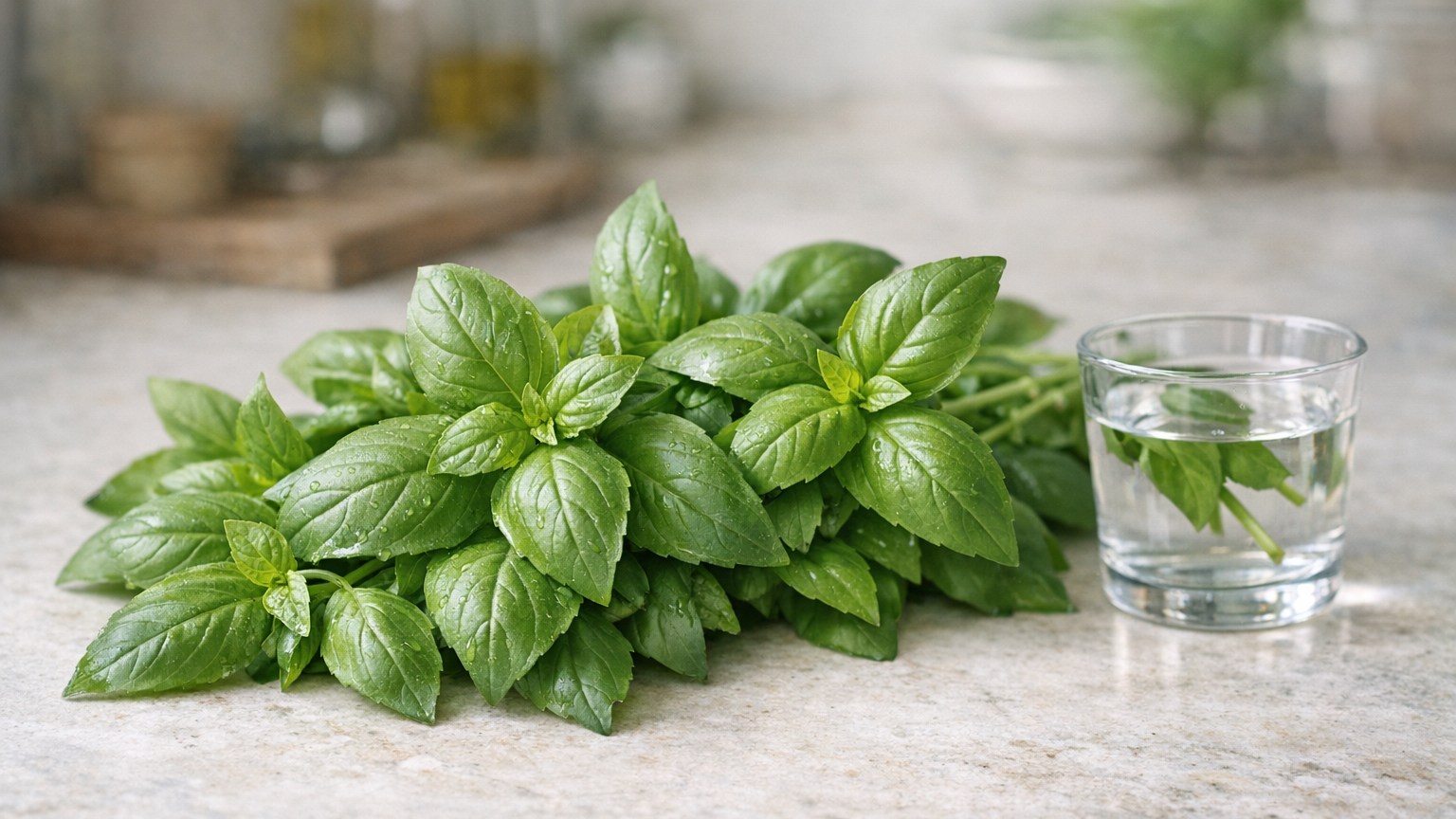
Basil
Basil is the signature summer herb — bright, aromatic, and versatile. Growing it at home is the easiest way to have a good herb on hand, but local farm basil at a farm stand beats supermarket plastic-pack herbs by a…
-
 Produce
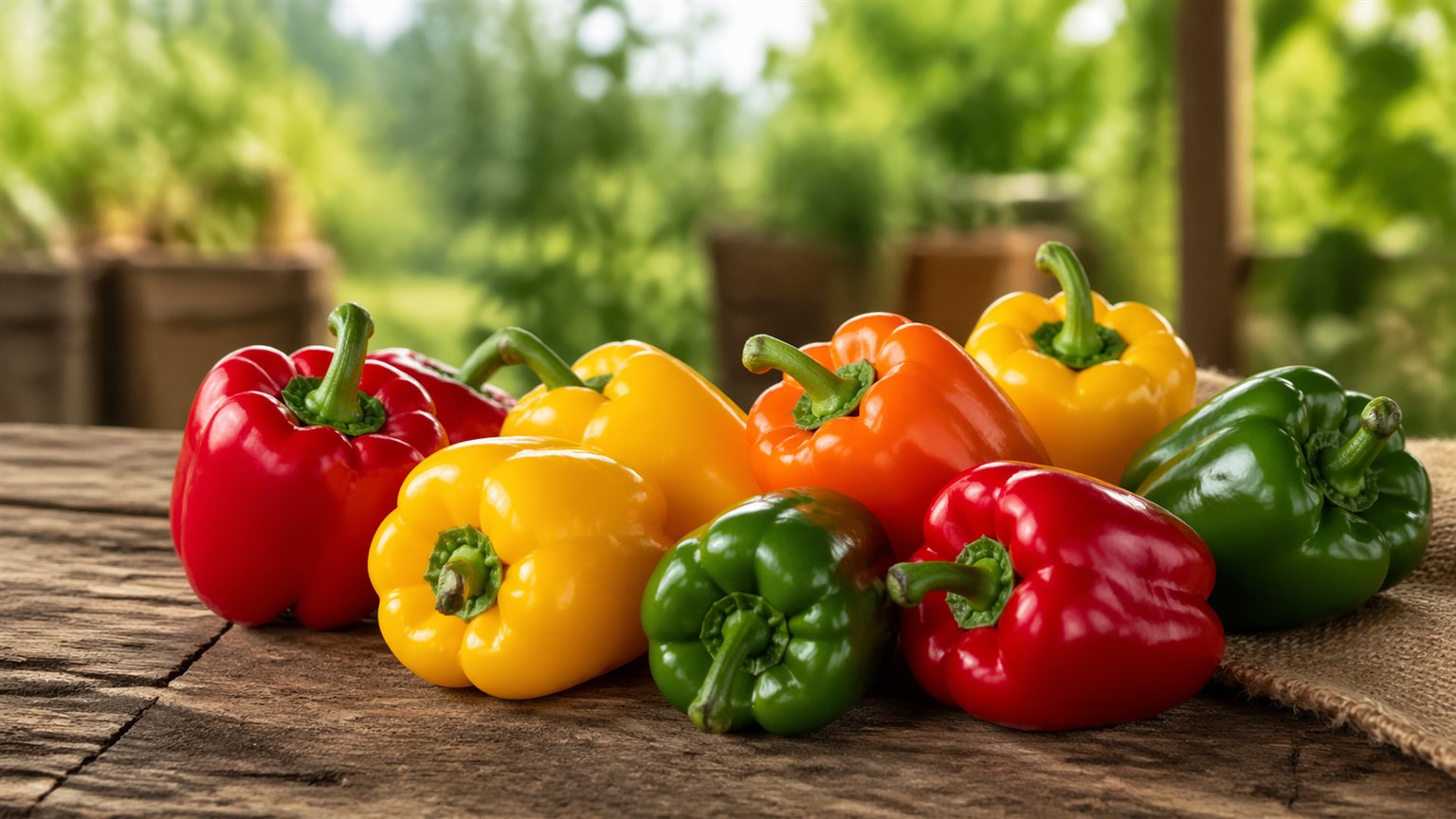
Bell Peppers
Bell peppers are the same fruit at different stages of ripeness — green is unripe, red is fully ripe, and yellow and orange fall in between. That distinction explains nearly everything about how they taste and how to…
-
 Produce
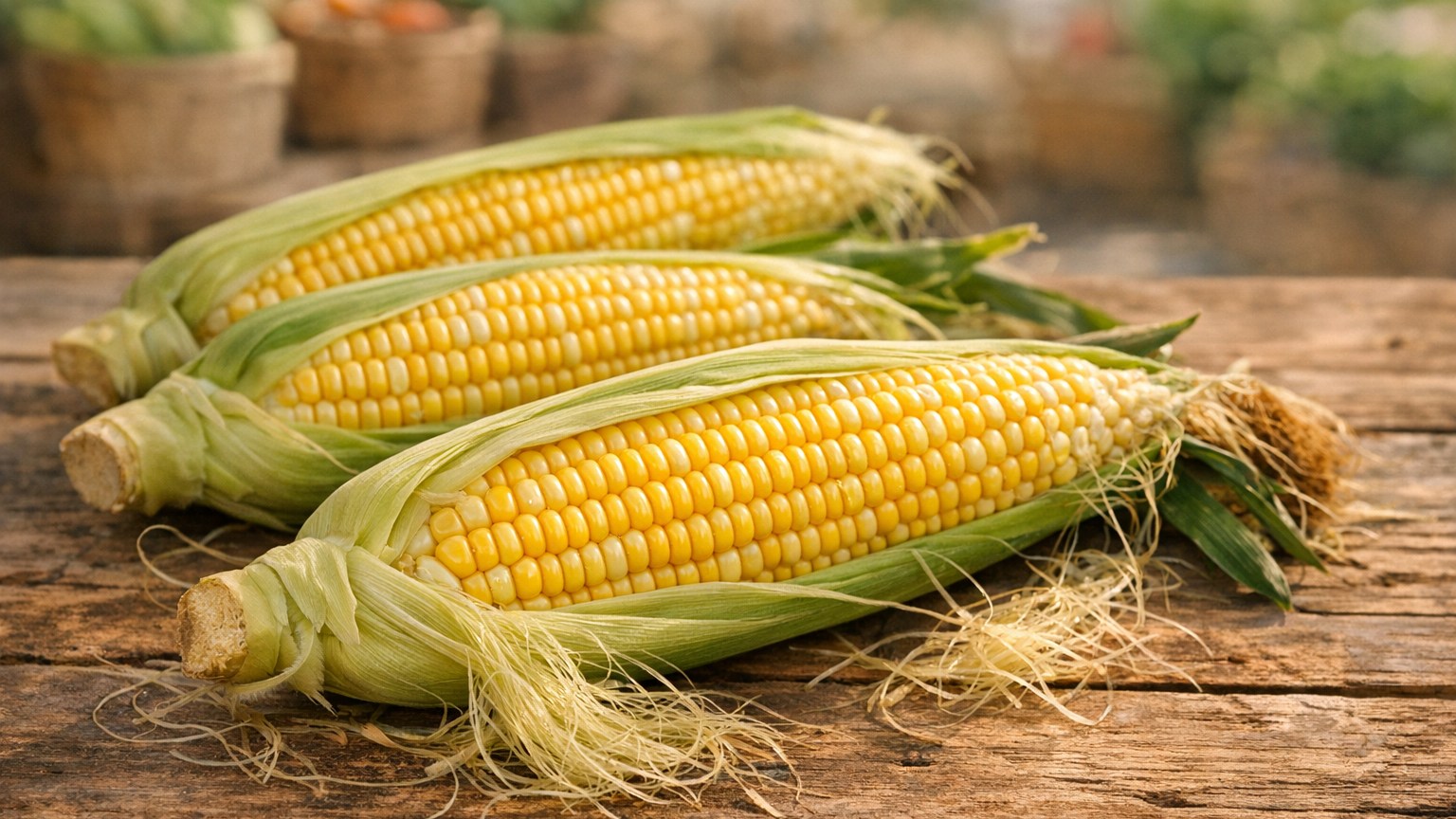
Corn
Sweet corn is a time-sensitive crop — the sugars in the kernels begin converting to starch the moment the ear is picked. Local corn eaten the day of harvest is a different vegetable than supermarket corn shipped from…
-
 Produce
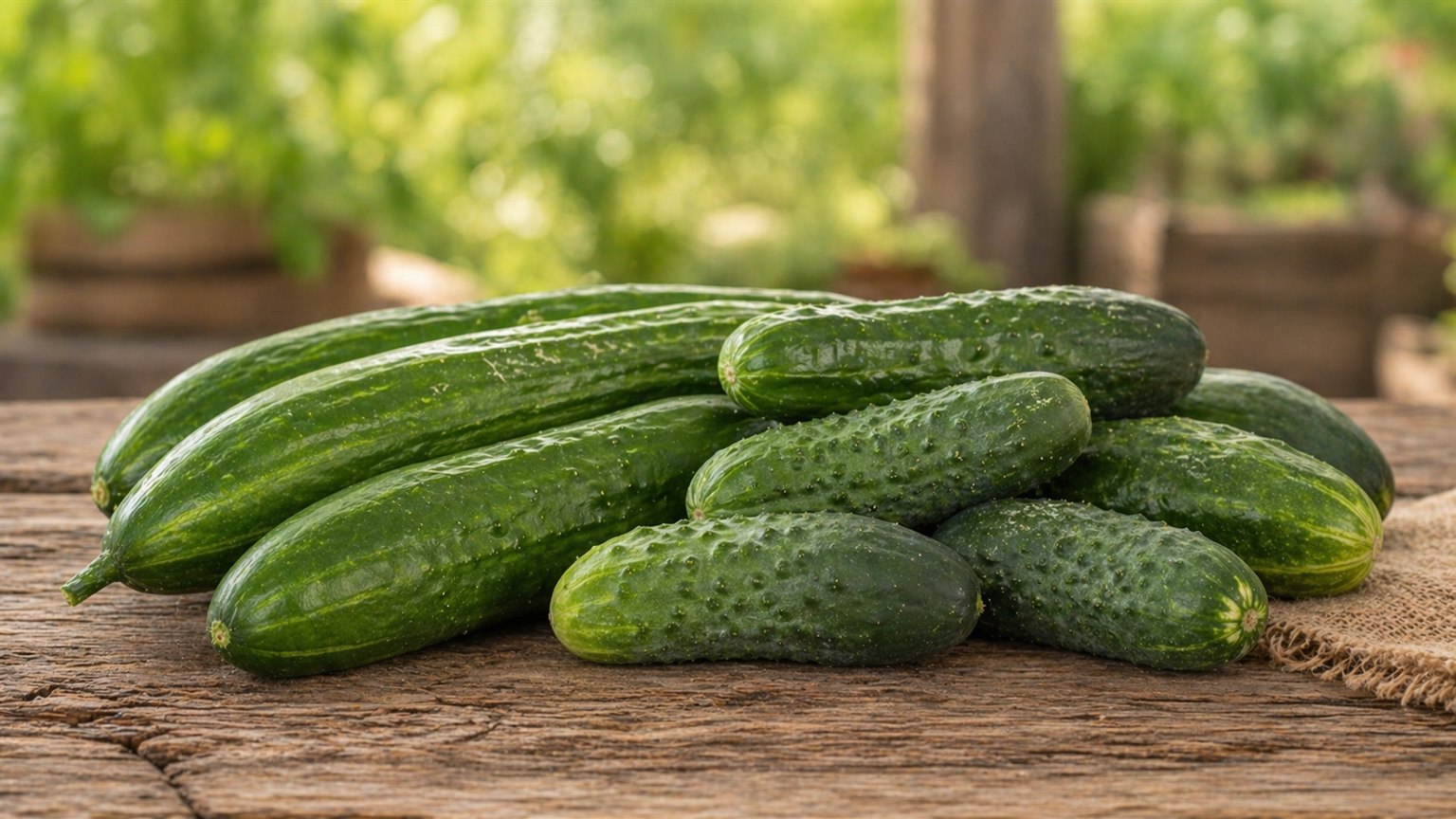
Cucumbers
A good cucumber from a local farm in midsummer — thin-skinned, cool, and snappy — is a different experience from the waxed, seedy cylinders shipped year-round at supermarkets. Knowing what to look for makes the…


